
Reviewed · WORKSHOPS
Paris: Baguette and French Breads Class
Paris bread starts with four simple ingredients. In a 4-hour, max-8 class with Le Foodist, you bake baguette and other French breads with English guidance from Florence, then leave with a bag of your own loaves.
I love that the teaching is practical: you handle the dough through mixing, proofing, shaping, and baking. I also love the payoff at the end, when you sit together to taste what you made with butter, cheese, and wine.
One possible drawback: the pace is tight, and some people may want more time to watch every step up close (like dough mixing and what’s happening in the oven), or clearer labeling so each pair can track their exact bakes. If you’re the type who learns by repeating tiny details, you’ll want to ask questions early and often.
In This Review
- Key highlights at a glance
- Four ingredients, big technique: the bread basics that travel home
- Mixing dough in pairs: what to watch and what to ask
- Proofing, deflating, shaping: how Paris bread gets its structure
- Baguette tension, brioche rolling, and ciabatta shape
- The bread-sign moment: why looks and results both matter
- Baking physics in plain language: temperature, time, and humidity
- Tasting what you made: cheese, jam, and wine pairing energy
- Leaving with your loaves: what to do with the bag of bread
- Price and value: is $175 worth 4 hours of breadmaking?
- Who this bread class fits best (and who should reconsider)
- Should you book this Paris baguette and French breads class?
- FAQ
- How long is the Paris baguette and French breads class?
- How big is the group?
- Is the class taught in English?
- What bread types will I be making?
- What are the main ingredients used to make the dough?
- Will I eat what I bake?
- Do I get to take bread home?
- Is payment flexible?
- Is there a cancellation window?
Key highlights at a glance
- Four ingredients, lots of control: flour, water, salt, yeast—and then options like oil or butter change the outcome.
- Small group, real guidance: limited to 8 participants, led in English by Florence.
- Technique over guesswork: proofing, deflating, shaping, and the bread-sign step that affects bake success.
- Baguette tension is the star: you practice the specific kind of stretching and shaping baguettes need.
- Baking is more than heat: you learn how temperature, timing, and even humidity can steer results.
- Take-home breads: you leave with a bag full of creations to share or enjoy later, maybe as a picnic.
Four ingredients, big technique: the bread basics that travel home
Bread in Paris isn’t about fancy gear. It’s about doing the fundamentals right, and then adjusting with small choices. This class starts with the core formula: flour, water, salt, yeast. Those four items sound simple, but they set everything—texture, rise, and flavor.
You’ll also learn that the same base can go different directions. Add a bit of butter or a bit of oil and you’ll change the feel of the dough and the kind of crumb you get later. For me, the value here is that you stop treating bread like a mystery recipe and start treating it like a process you can control.
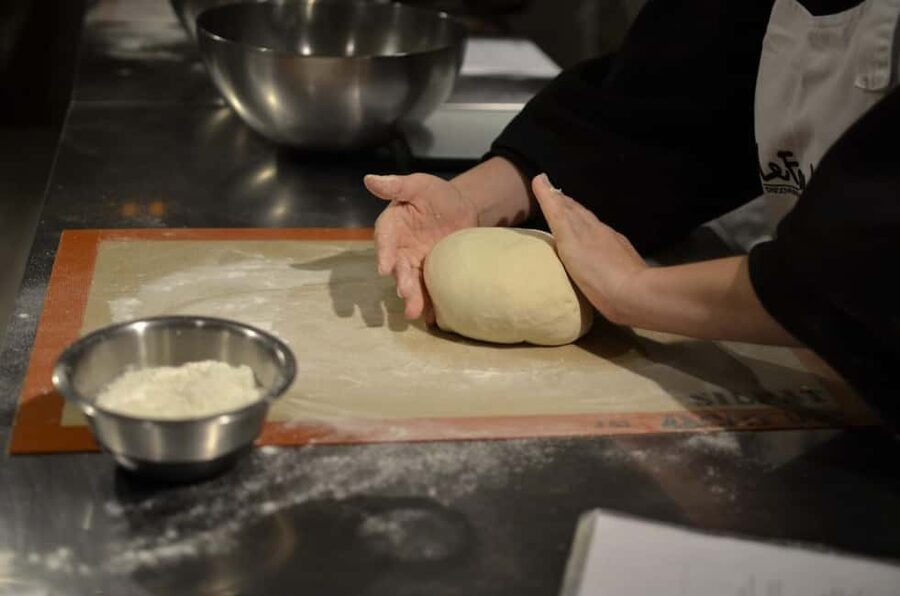
Before you shape anything, there’s a lot of measuring and mixing. You’ll get guidance on what you’re looking for when dough comes together—because the exact moment it shifts from rough to smooth matters. That’s one of the most useful parts of the lesson for bringing this skill home, since home ovens and home ingredients won’t match Paris perfectly.
Worth weighing up next to this Paris pick
- Fragonard Paris: Mini Perfume Workshop
★ 4.5 · 1,924 reviews - Paris: Macaron Class at Galeries Lafayette
★ 4.2 · 1,196 reviews - Paris Cooking Class and Lunch with Wine plus Market Visit Option
★ 5.0 · 1,024 reviews - Paris Croissant Small-Group Baking Class with a Chef
★ 5.0 · 910 reviews
Mixing dough in pairs: what to watch and what to ask
This is a hands-on cooking class, and the group stays small—limited to 8 people. In practice, you may work in pairs, which is great for learning side-by-side and keeping the pace moving during a 4-hour session.
When you mix, the instructor’s goal is to help you recognize dough behavior early. That means you learn to notice texture, cohesion, and how the dough responds as you combine ingredients. Some of the best advice you’ll hear isn’t flashy; it’s the stuff that keeps you from overworking dough or skipping a step that affects proofing later.
If you’re someone who wants to replicate results at home, this is where I’d lean in and ask direct questions like:
- What should the dough feel like at this point?
- If mine looks different, what’s the first thing I should adjust?
- How do you tell when mixing is done?
One review note is worth keeping in mind: a few people would have liked more time watching details like the dough mixing and the bakes in the oven. If that sounds like you, plan to be proactive—ask Florence to point out what she sees in your dough and how it should look when it’s ready for the next step.
Proofing, deflating, shaping: how Paris bread gets its structure
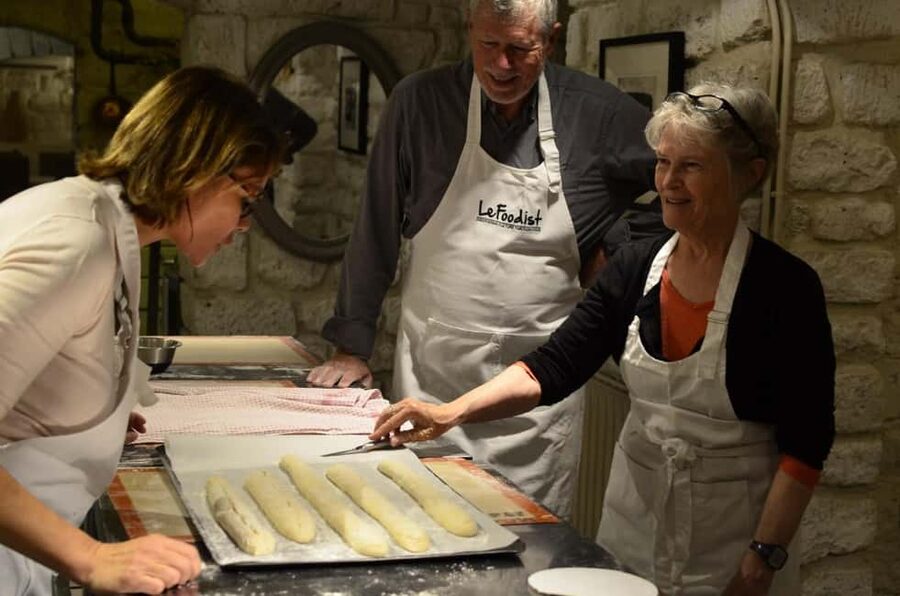
After the initial mix, you move into proofing—letting the dough rise so it can develop flavor and structure. Then you deflate and shape. The lesson explains that proofing and deflating can happen in one or multiple steps, and each stage has its own technique.
This matters because bread texture isn’t random. Proofing sets how the dough inflates. Deflating and resting reset gluten structure so the bread can hold shape in the oven. If you’ve ever made bread at home and gotten dense loaves, this is the part of the process that usually holds the answer.
Shaping is where the class turns from technique to variety. Each bread you make has its own approach:
- Baguette relies on critical tension during shaping.
- Brioche uses a rolling method.
- Ciabatta is shaped with its own handling cues.
You’re not just following steps—you’re learning why those steps work. For you, that’s the difference between making one successful loaf and building the skill to repeat it.
Baguette tension, brioche rolling, and ciabatta shape
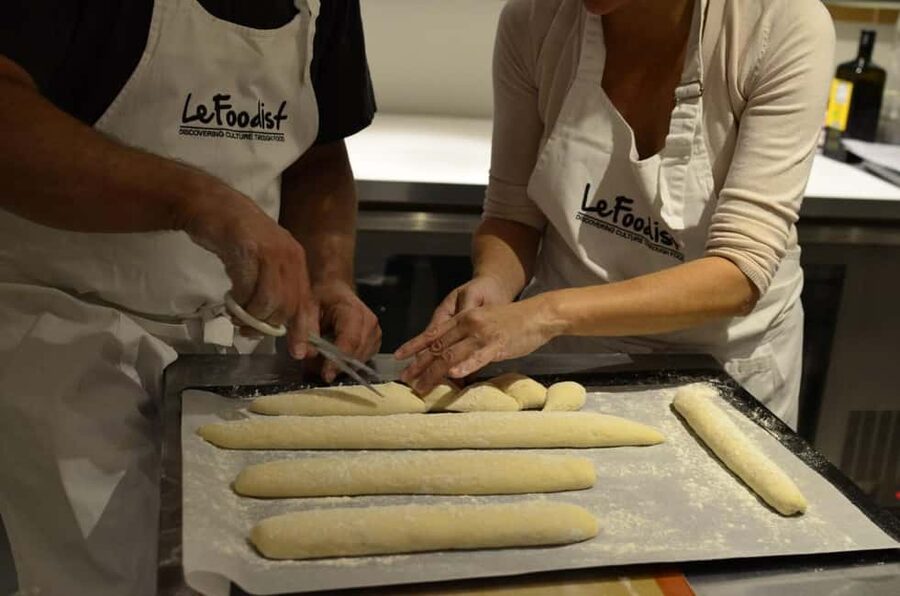
If you came for baguette, this class delivers on the most important baguette lesson: tension. Baguettes need a specific kind of surface tightening so they expand in the oven without losing shape. Florence guides you through shaping so your baguette dough holds that tension long enough to bake into a proper form.
Then there’s brioche, which shifts the focus. Instead of tension tricks, you’ll practice rolling techniques that help brioche stay rich and tender while still developing a good structure. Brioche looks delicate, but the dough handling is very learnable once someone points out what to aim for.
Ciabatta brings a different vibe—more open crumb, more relaxed shaping. While the exact cues aren’t spelled out here, you do get the chance to make it from scratch in the same 4-hour window, which is a real confidence builder. One class format note from a review: people made baguettes, brioche, and ciabatta from scratch and then ate them together at the end. That’s a satisfying set for anyone who wants more than just one bread.
The bread-sign moment: why looks and results both matter
After resting, the next step includes proofing again and then something you might not expect: signing your bread. This is where you add a decorative mark, but it’s also described as critical to baking success.
A sign can influence how the bread expands in the oven, and it’s also the moment when your work starts to look undeniably French. It’s practical and aesthetic at the same time, which is rare in cooking classes.
Florence guides this moment so you don’t treat it like art class. You’ll learn that the sign is part of the process, not just decoration.
Baking physics in plain language: temperature, time, and humidity
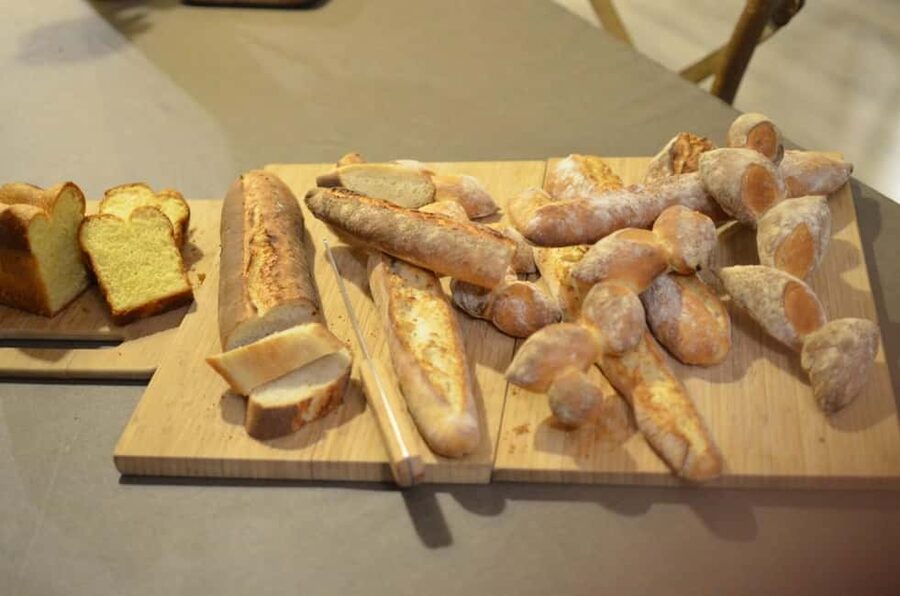
Now comes the oven reality check: baking isn’t just setting a timer. The class explains that temperature, time, and humidity all have an impact on the final results. That’s a big deal, because at home you might not control humidity the same way, and that’s often why breads differ between kitchens.
You’ll bake the breads you shaped and rested. Even if you don’t spend hours watching every oven step, you do learn the logic behind why one batch might bake up differently than another.
Then you taste—because bread without tasting is just dough. Each bread can be enjoyed with different pairings. The class includes ideas like French cheese and jam, and it even mentions using bread as part of something like Pain Perdu, which is a smart way to handle day-old bread.




Tasting what you made: cheese, jam, and wine pairing energy
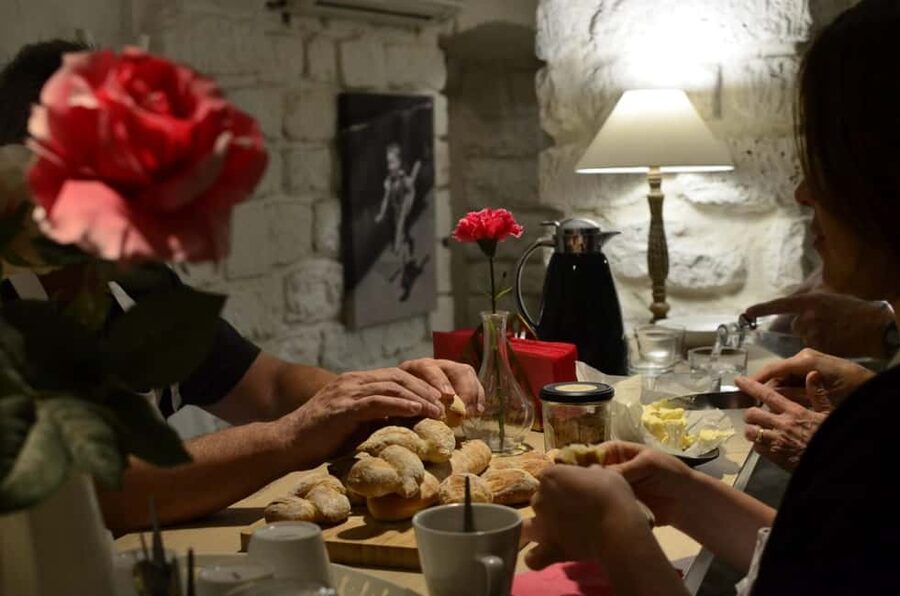
At the end, you sit together and enjoy your breads. One review specifically mentioned tasting with butter, cheese, and wine, which makes the whole class feel like a small Paris meal rather than a rushed workshop.
This part is valuable because it turns technique into judgment. You get to compare what you made—look, smell, and crumb—and you’ll feel the differences between baguette, brioche, and ciabatta directly.
It’s also the moment that helps you remember what you should repeat next time. You might love the baguette crust. Or you might find the brioche flavor hits hardest with butter and a little cheese. That feedback loop is what makes a baking class more than a one-off.
Leaving with your loaves: what to do with the bag of bread
You don’t just leave with knowledge. You leave with bread—described as a bag full of your creations to share or enjoy later. That’s a practical perk, especially if you’re staying in an apartment or want to bring a tastier souvenir than another magnet.
If you’re wondering how to use it, here are realistic options based on what’s suggested:
- Share with your travel crew the same day.
- Pack some for a picnic later.
- Use leftover bread for something like Pain Perdu.
This is also where the small-group format pays off: you’ll actually create multiple items during a single afternoon, instead of just making one small test loaf and calling it a day.
Price and value: is $175 worth 4 hours of breadmaking?
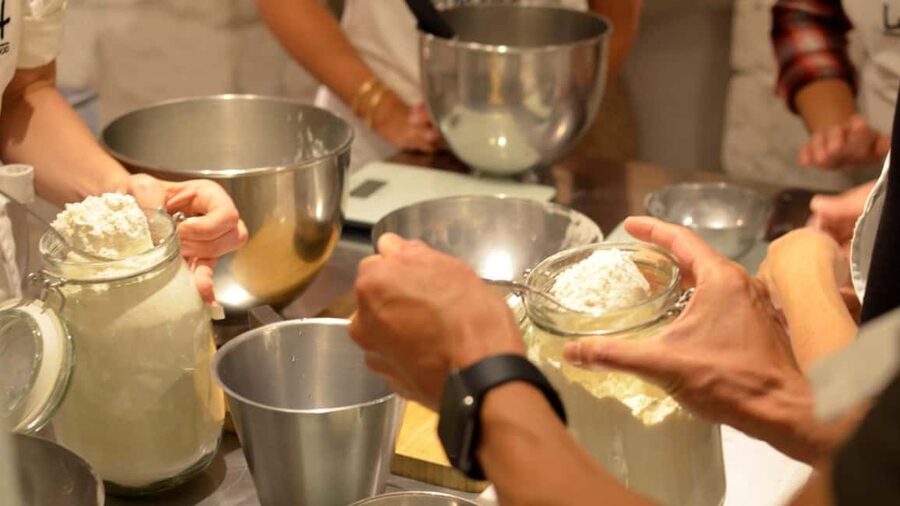
$175 per person for a 4-hour class sounds high until you look at what’s included in practice: small group size (limited to 8), instruction in English, and the chance to make several breads from scratch. You’re not paying just for baking time—you’re paying for hands-on coaching through the stages that usually trip people up: proofing, shaping, and baking results.
It’s especially good value if you’re aiming to learn bread beyond one recipe. You’ll get multiple bread types—baguette, brioche, and ciabatta are highlighted—and you’ll learn the technique logic behind each. That means you’re buying a skill transfer, not just a snack.
The other hidden value is the “repeatable” quality. If you leave knowing what dough should feel like at each stage, then at home you can correct mistakes earlier. That’s where your future loaves become better, not just today’s.
Who this bread class fits best (and who should reconsider)
This class is a great fit if you:
- Like hands-on cooking where you practice multiple steps in one session
- Want to make true French breads, not just a simplified version
- Enjoy learning technique details like shaping tension and signing bread
- Prefer a small group setting with English instruction
It may be less perfect if you:
- Need lots of downtime or long explanations (the schedule is tight)
- Learn best from extended observation of every step (some people wished they could watch more)
- Want every loaf clearly labeled per pair without asking
If you’re excited by process and you’re willing to ask Florence questions when you don’t fully catch a cue, you’ll likely have a strong experience.
Should you book this Paris baguette and French breads class?
I’d book it if your goal is to come away with real breadmaking technique you can reuse. The small group size helps you get guidance, and the class format gives you a satisfying set of breads to shape, bake, and taste—then take home.
If you’re simply looking for a quick food stop with minimal work, this isn’t that. But if you want an afternoon in the kitchen learning why Parisian bread works, this 4-hour class is a solid choice.
One last practical tip: arrive hungry for flavor, but also ready to work. Breadmaking rewards attention. If you stay focused during mixing and proofing, you’ll feel that difference immediately when you bite into what you baked.
FAQ
How long is the Paris baguette and French breads class?
The class lasts 4 hours.
How big is the group?
It is a small group limited to 8 participants.
Is the class taught in English?
Yes, the instructor teaches in English.
What bread types will I be making?
You will make baguette and other French breads. The class experience includes baguettes, brioche, and ciabatta.
What are the main ingredients used to make the dough?
You start with four ingredients: flour, water, salt, and yeast.
Will I eat what I bake?
Yes. You taste the breads at the end of the class.
Do I get to take bread home?
Yes. You leave with a bag full of your creations to share or enjoy later.
Is payment flexible?
Yes. You can reserve now and pay later.
Is there a cancellation window?
Yes. Free cancellation is available up to 24 hours in advance for a full refund.
More Workshops in Paris
- Fragonard Paris: Mini Perfume Workshop
★ 4.5 · 1,924 reviews - Paris: Macaron Class at Galeries Lafayette
★ 4.2 · 1,196 reviews - Paris Cooking Class and Lunch with Wine plus Market Visit Option
★ 5.0 · 1,024 reviews - Paris Croissant Small-Group Baking Class with a Chef
★ 5.0 · 910 reviews - Paris: 2-Hour Perfume Creation Workshop
★ 4.8 · 731 reviews
More Tour Reviews in Paris
- Paris: 1-Hour Seine Cruise departing from the Eiffel Tower
★ 4.4 · 77,472 reviews - Paris: Louvre Museum Timed-Entrance Ticket
★ 4.6 · 71,977 reviews - Disneyland® Paris 1-Day Ticket
★ 4.6 · 49,412 reviews - Paris: Versailles Palace and Gardens Full Access Ticket
★ 4.6 · 41,579 reviews - Paris: Arc de Triomphe Rooftop Tickets
★ 4.6 · 34,264 reviews
Fresh off the review desk in Paris
- Secrets of Paris Bike Tour in English or Dutch★ 5.0 · 5 reviews
- Paris: Mont Saint-Michel Day Tour with Chinese Tour Guide★ 5.0 · 5 reviews
- Private Street Art 2-Hour Guided Tour in Paris★ 4.5 · 5 reviews
- Orsay Museum Tour: 2h Highlights (Private & Small Group)★ 5.0 · 5 reviews
- Discover Paris in electric golf carts★ 4.0 · 5 reviews
- Paris Private Boat Tour with your own Captain Guide★ 5.0 · 5 reviews
Workshops, compared.
 ★ 4.5Fragonard Paris: Mini Perfume WorkshopFrom $361,924 reviews
 ★ 4.2Macaron Class at Galeries LafayetteFrom $691,196 reviews
 ★ 5.0Paris Cooking Class and Lunch with Wine plus Market Visit OptionFrom $2401,024 reviews
 ★ 5.0Paris Croissant Small-Group Baking Class with a ChefFrom $157910 reviews
 ★ 4.82-Hour Perfume Creation WorkshopFrom $115731 reviews
 ★ 4.9French Croissant Baking Class with a ChefFrom $159712 reviews
 ★ 5.0Paris Cooking Class: Learn How to Make MacaronsFrom $156634 reviews
 ★ 4.9French Macaron Culinary Class with a Chef591 reviews
Browse the lists this tour appears in