
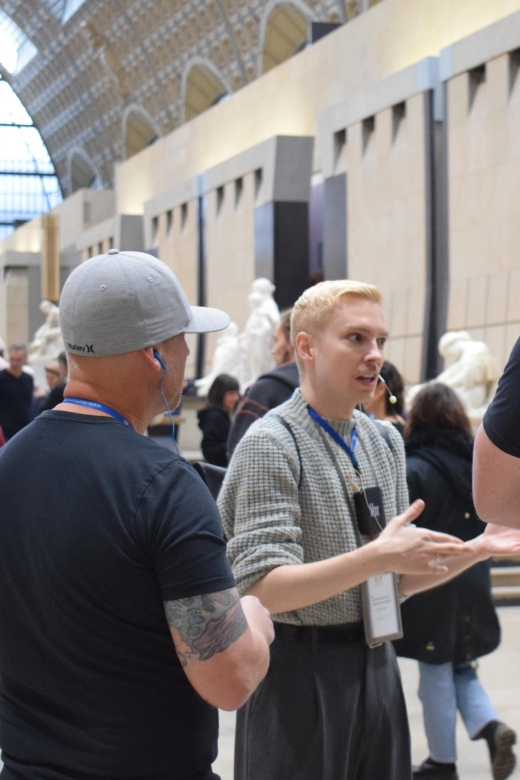
Reviewed · ORSAY MUSEUM TOURS
Paris: Best of Orsay Museum Small Group Tour with Tickets
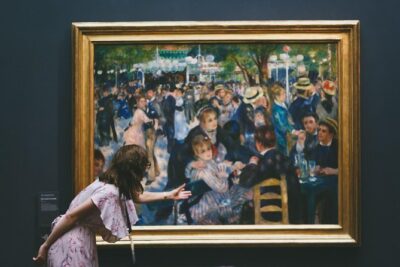
Paris rewards patience, but Orsay rewards a plan. This small-group tour is built for seeing the biggest Impressionist and post-Impressionist hits like Dance at Le Moulin de la Galette by Renoir, plus the bigger story of how Orsay became a museum. I also like that your guide ties paintings to the politics and art movements swirling around them, with examples that make the images easier to read. One thing to consider: Orsay can still feel crowded, and a few rooms limit speaking, so you’ll want to be ready to listen closely.
In practice, this 2-hour format works because you get a guided route without spending your whole day lost between galleries. Meeting is straightforward (right in front of Orsay), and the best guides on this tour keep you moving while still letting you look—no “run-through the walls” feeling. If you’re bringing a large bag, backpack, or umbrella, you’ll need to plan ahead since those aren’t allowed inside.
In This Review
- Key highlights at a glance
- A 2-hour Orsay plan that keeps your feet from turning into noodles
- Meeting by the giant elephant: start points that actually work
- Stepping into Orsay: the station-to-museum story you’ll carry into every gallery
- The art you’ll spend time on: Impressionist and post-Impressionist highlights
- How political and artistic movements connect (and why you’ll care)
- The Orsay building’s “extra course”: sculptures, Art Nouveau, and Rodin
- Handling the crowds: small group size is the real luxury here
- What the best guides do differently: clarity, pace, and storylines
- Price and value: is $102 fair for 2 hours at Orsay?
- Who this tour suits best (and who should plan differently)
- Quick practical checklist before you go
- Should you book this Musée d’Orsay small group tour?
Key highlights at a glance

- Tickets included: you get entry covered, so your time goes to art, not admin.
- Small groups: groups often run around 2 to 6 people, so you can actually hear and ask questions.
- Impressionism plus the bridge: realism to Impressionism to post-Impressionism, with artists like Manet, Degas, Monet, and Van Gogh.
- Museum origin story: you’ll connect the building’s railway-station past to what you see on the walls.
- More than paintings: Art Nouveau details, Rodin sculpture, and even an original Lady Liberty.
- Great guide energy: styles range from story-driven (Mae, Marine) to highly political (Nadia, Olga), with guides like Miriam, Blerta, and Patrick showing up in the best-rated experiences.
A 2-hour Orsay plan that keeps your feet from turning into noodles
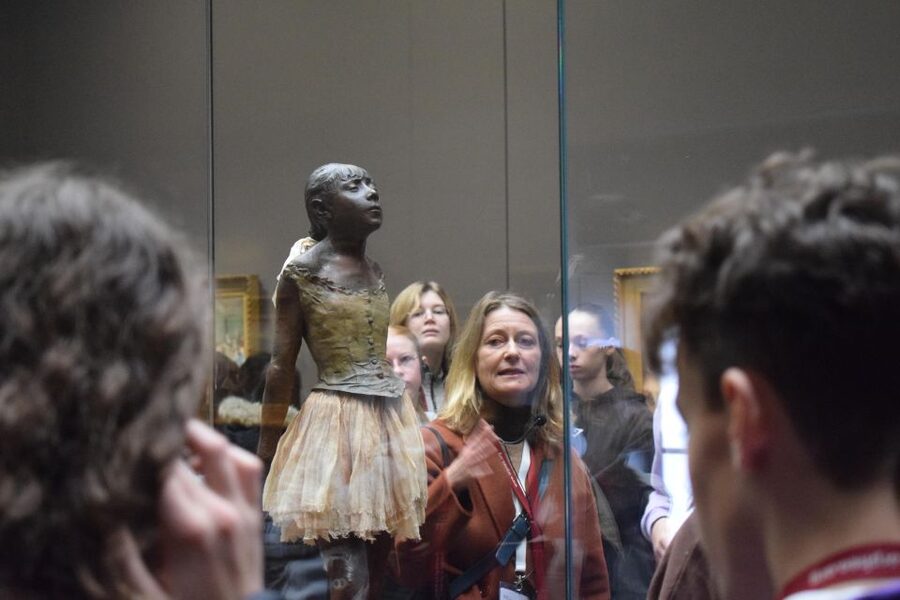
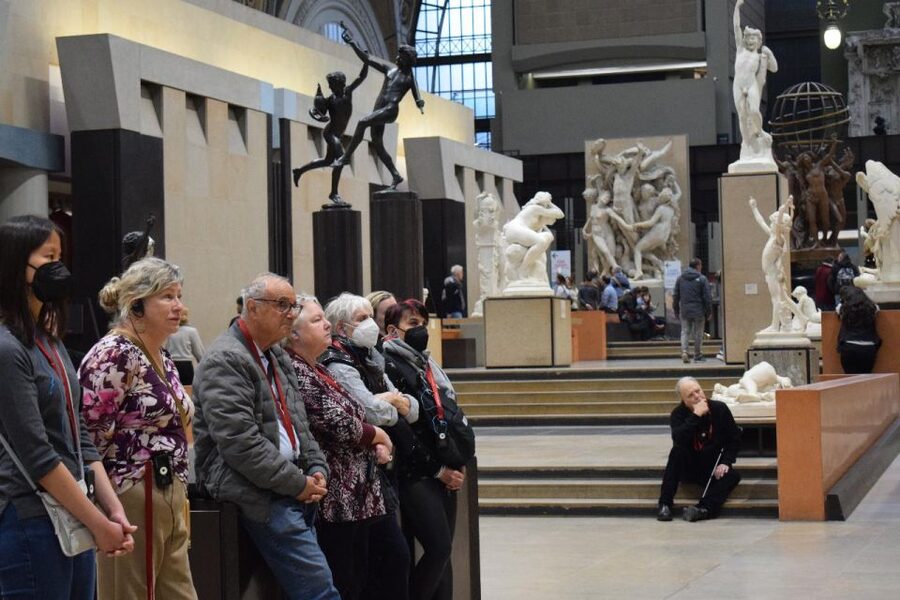
Let’s be honest: Musée d’Orsay is full. The galleries are gorgeous, the lighting is good, and the collection is dense—so it’s easy to burn time wandering and still feel like you missed the point. This tour is only 2 hours, which sounds short until you realize Orsay is exactly the kind of museum where momentum matters. You’ll get a route aimed at the main masterpieces and the story threads that connect them.
The best part is that the guide doesn’t treat the museum like a checklist. Instead, you’ll follow an art-history line: how realism set the stage, how Impressionism changed what artists painted and how they painted it, and how post-Impressionists pushed even further. That structure helps you make sense of what you’re seeing instead of just admiring it.
And yes, you’ll still get to slow down in front of key works. The small group format helps here. In crowded galleries, hearing your guide and keeping your eyes on the same painting is the difference between feeling “I saw a lot” and feeling “I understood what I saw.”
More hours with the Impressionists at the Orsay
- Paris: Orsay Museum Entry Ticket
★ 4.7 · 25,647 reviews - Paris: Orsay Museum Entry Ticket and Digital Audio Guide App
★ 4.4 · 3,170 reviews - Paris in a Day: Louvre or Orsay, Eiffel Tower, City Walk & Cruise
★ 5.0 · 1,956 reviews - Paris: Musée d’Orsay Skip-the-Line Tour with Expert Guide
★ 4.5 · 1,145 reviews
Meeting by the giant elephant: start points that actually work
You’ll meet in front of the museum by the huge elephant statue. Your guide will be holding a Connecting France sign, so you’re not playing the Paris scavenger hunt game with strangers.
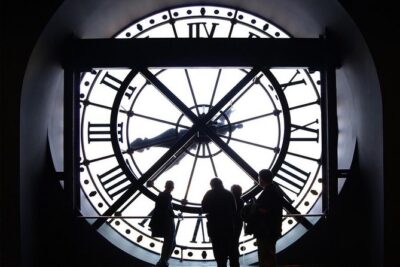
There’s also a quick “viewpoint” stop before you head in. Even a short pause outside can help your brain get oriented, since the building itself is part of the experience. Orsay isn’t just where paintings live—it’s where the setting carries meaning.
Practical note: bring your passport or ID card. No, you won’t use it to admire brushstrokes—but tickets are personal, and the tour info is clear that guests up to 17 need photo ID.
Stepping into Orsay: the station-to-museum story you’ll carry into every gallery

Orsay used to be a railway station, and that transformation affects the feel of the place. You’ll learn the history behind that shift and how the building became a home for fine art. This matters because it changes how you interpret the space: it’s not a neutral box. It’s an adaptive reuse project that helped define modern museum life in Paris.
When your guide frames that evolution, you start noticing details that you’d otherwise ignore. Even before the art takes over, the scale of the hall and the way light falls into galleries gives you a sense of why Orsay feels different from older “palace museums.” It has an industrial backbone, softened by the later art-museum layout.
This is one of those “sounds like background, turns into better seeing” moments. Once you understand the station story, the museum starts making more sense as you move from room to room.
The art you’ll spend time on: Impressionist and post-Impressionist highlights
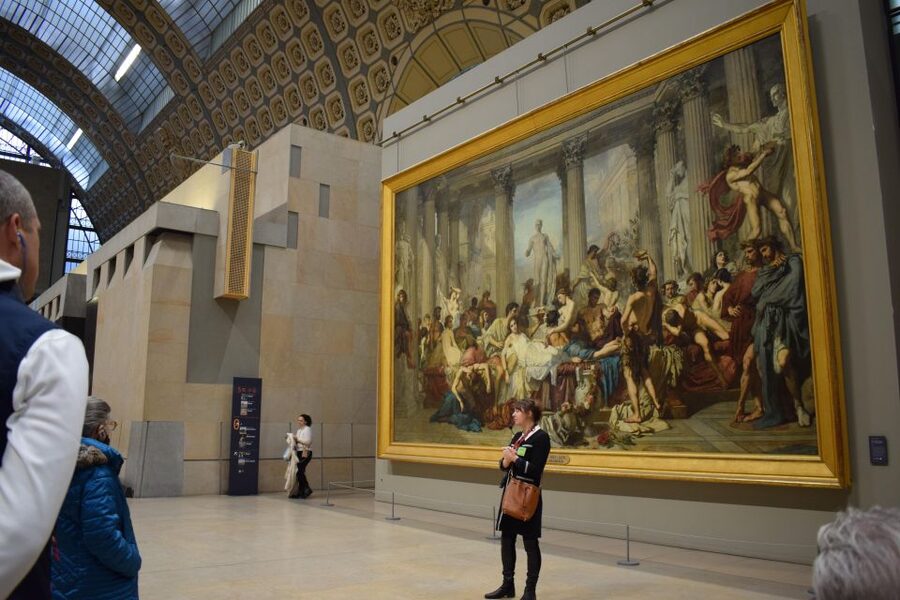
This tour aims at the large sweep of the collection, from the mid-1800s through the start of the 1900s. You’ll see major Impressionist and post-Impressionist masterpieces and also the realism that leads right into that revolution.
Here are the artists and themes this tour is built around:
- Monet, Renoir, Degas, and Sisley for the core Impressionist impact
- Van Gogh and post-Impressionists for the push beyond Impressionism
- Manet and realism as the runway for what comes next
- Cézanne, Gauguin, and Matisse to show the next artistic step
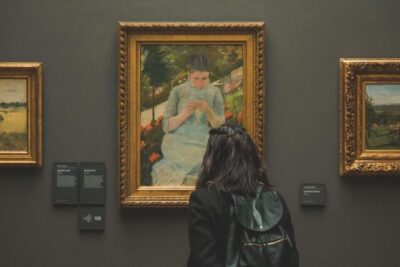
A strong example from the highlights: Dance at Le Moulin de la Galette by Renoir. This is the kind of painting you could miss if you only go by “famous works” without context. With a guide, you’ll get the why behind the paint handling, the subject, and what makes the work feel modern for its moment.
You’ll also get taught how to look. Several guide styles on this tour emphasize “symbols and clues” inside paintings, which is a smart move. A lot of art-hunting fatigue comes from staring at a canvas and feeling like you’re guessing. When someone points you toward what to notice—light, gesture, palette choices, social cues—the museum becomes more readable.
How political and artistic movements connect (and why you’ll care)
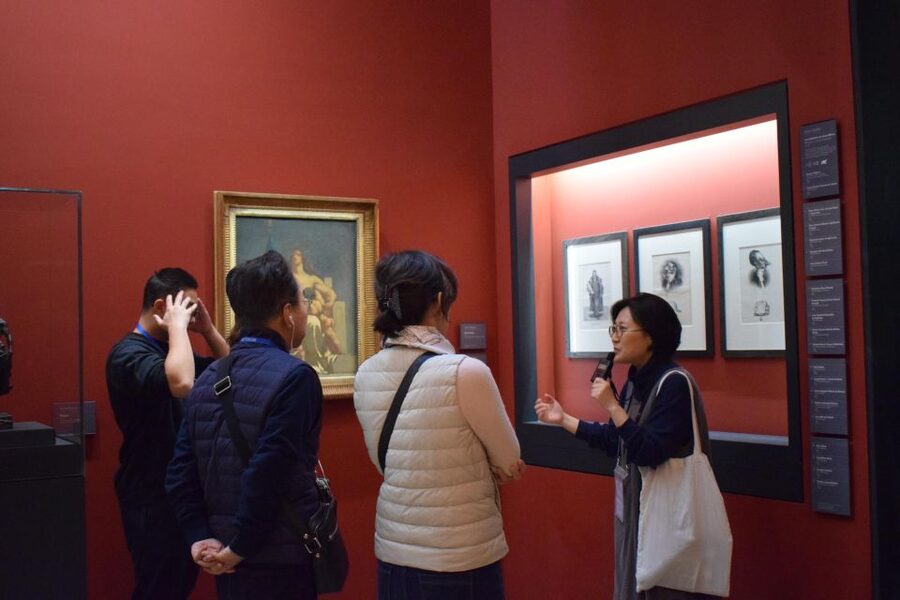
One of the most praised elements here is how your guide connects paintings to the political and artistic movements of the era. That’s not just trivia. It changes what you feel standing in front of the work.
You’ll learn how artists didn’t create in a bubble. Realism and Impressionism weren’t only style choices; they were responses to cultural change, modern life, and what audiences expected. Guides described on this tour often explain that shift clearly, moving from the academic standards of the time toward the rebellion that opened doors for new ways of painting.
If you’re an art-history fan, this will click. If you’re not, it still helps. You’ll start to recognize patterns: what gets painted, what gets left out, and how techniques signal a new way of seeing. That’s the bridge from “pretty paintings” to “I get what changed.”
This theme shows up in different guide voices—Nadia and Olga are singled out for connecting art to social change and political realities, while other guides like Marine and Mae are praised for storytelling that makes the progression feel logical.
The Orsay building’s “extra course”: sculptures, Art Nouveau, and Rodin
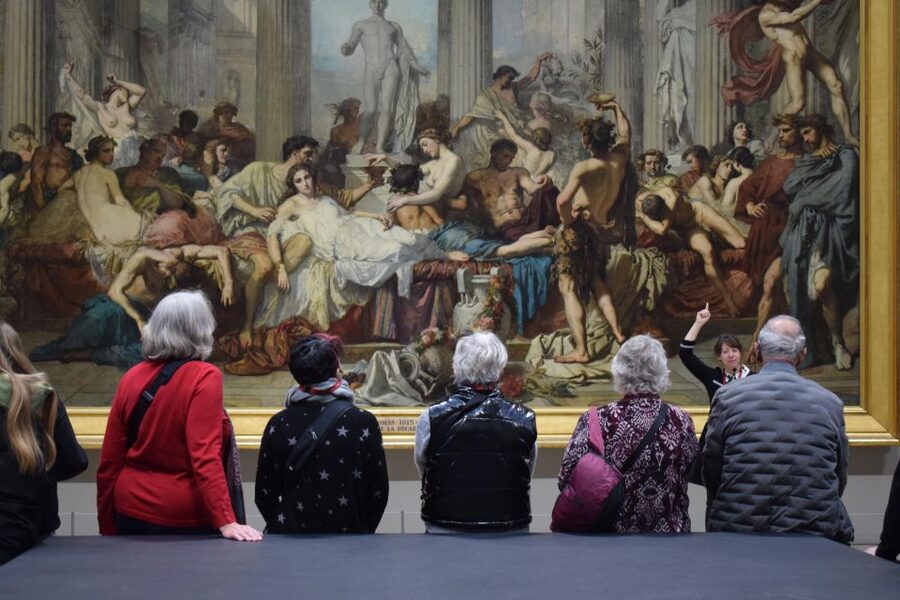
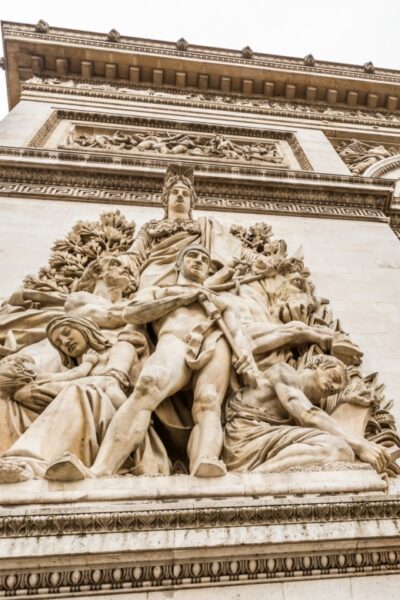
Orsay isn’t only frames and canvas. A big part of the experience is that you’ll also see sculptures by Rodin, Art Nouveau elements, and even an original Lady Liberty. That variety matters because it prevents your brain from treating the museum like one long painting lecture.
Art Nouveau details also help you see the transition toward modern styles. Even if you’re focused on painting, the decorative and sculptural pieces act like punctuation—different textures, different pacing, and a different way to understand the period.
Rodin’s presence is especially useful in a tour like this. Sculpture gives you a different kind of “movement” than brushwork does. When your guide threads sculpture into the broader story, it helps you feel how the art world was shifting toward expressive forms across multiple mediums.
Worth weighing up next to this Paris pick


Handling the crowds: small group size is the real luxury here
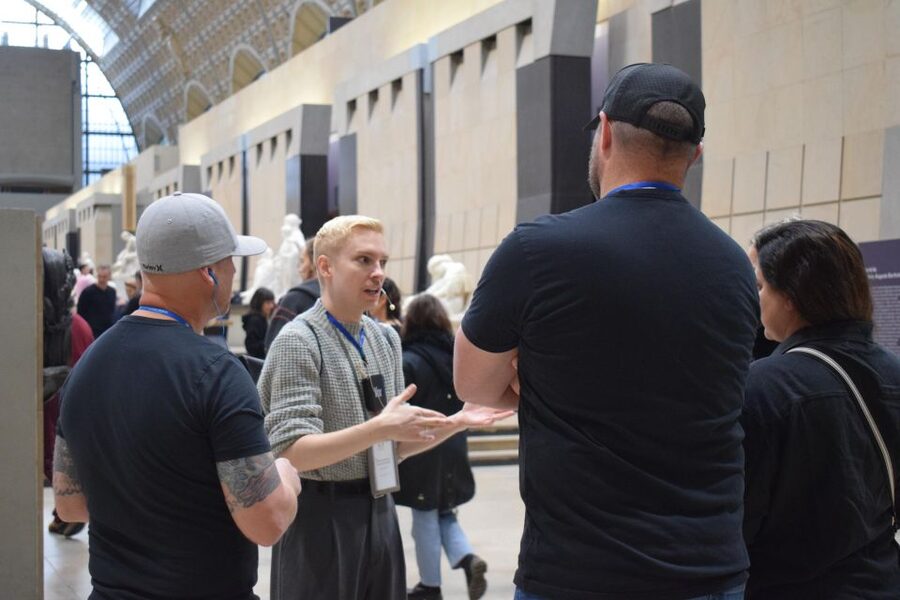
Orsay can be packed. That’s not a complaint—it’s a fact about demand for Impressionism and the museum’s central role in Paris culture. The good news: the tour is designed to function in crowds.
A key benefit people consistently value is the small group format. In examples from groups on this tour, the party size has ranged from just 2 people to about 6. That range is huge for how comfortable you feel: you can hear your guide, and you can stand where you’re not shoved into someone else’s personal space.
Another practical point: your tickets provide quick access to the collections, but you can’t skip the security line. So plan for that part of the day no matter what. Once you’re inside, the guided route tends to reduce how long you spend searching for the “right” room.
Also, some rooms restrict speaking. You’ll be warned, and it’s usually a small adjustment. If you like Q and A, it helps to remember the guide will choose moments when listening is possible and discussions work.
What the best guides do differently: clarity, pace, and storylines
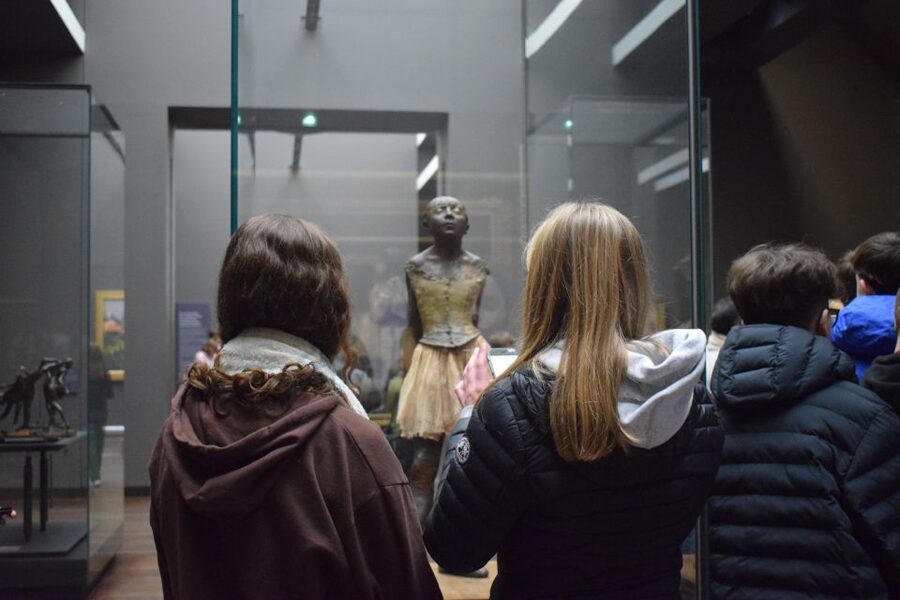
The guides on this tour come through in two big ways: they explain without drowning you, and they keep the narrative moving so the museum feels like one experience instead of 40 disconnected rooms.
For example, guides like Mae are praised for starting with a quick intro to impressionism and the building’s history before jumping into the paintings. That setup helps you recognize what you’re seeing instead of treating each gallery like a new planet.
Marine is noted for accessible explanations, including how to read symbols and how certain paintings communicate ideas. Olga is repeatedly mentioned for connecting art to real social changes and for maximizing time so the main works don’t slip past you.
Then there are the “artist brain” guides: Vanina is singled out for making the break from academic painting to impressionism feel meaningful, including attention to female contributors like Berthe Morisot. Patrick and Olga also get credit for keeping the pace friendly while still answering questions.
If you’re choosing between tours, that guide quality is the hidden value. A museum guide who can turn the collection into a readable story makes the difference between a day that feels like effort and a day that feels like understanding.
Price and value: is $102 fair for 2 hours at Orsay?
At $102 per person for a 2-hour small-group guided visit with entry tickets included, the price is in the “not cheap, but thoughtful” zone.
Here’s the value logic:
- Orsay is a major-ticket museum. Paying for a guide plus your entry is usually what turns a trip from meandering into a focused route.
- The tour includes the kind of interpretation that makes Impressionism and post-Impressionism easier to read—especially if you’re not already deep in art history.
- You’re paying for time efficiency in a crowded museum. Even if you have a museum app, you still need someone to help you connect movements, techniques, and historical context.
If you already plan to spend a full afternoon at Orsay with no pressure, you might not need a timed guide. But if you want the core masterpieces and the “why it matters” behind them, this is a solid way to get there fast.
Who this tour suits best (and who should plan differently)
This tour is a great fit if you:
- love Impressionism and want a structured path to the biggest works
- prefer guided context over wandering
- want a small group experience where you can hear the guide and ask questions
- like museum storytelling that connects art to politics and culture
It’s less of a fit if you need wheelchair access or have mobility impairments. The tour info states it’s not suitable for wheelchair users, and pace adjustments aren’t something shared semi-private tours can reliably change. If mobility is an issue, you may need to look at private options instead.
You should also plan for museum rules: no luggage or large bags, no backpacks, and no umbrellas. That means you’ll likely travel with only a small day bag. If you’re the type who brings everything “just in case,” this is the moment to pack lighter.
Quick practical checklist before you go
Here’s what I’d do before your start time so the visit feels smooth:
- Bring your passport or ID card (tickets are personal)
- Travel light: no large bags, backpacks, or umbrellas
- Expect a security line even with quick access
- Plan to walk and stand for the full 2 hours
- Wear comfortable shoes; Orsay rewards attention, and attention requires movement
Also, strikes can happen in France, including at Orsay. If a closure occurs without prior warning, alternatives may be offered or you can cancel for a refund if the alternative doesn’t work for you.
Should you book this Musée d’Orsay small group tour?
I’d book it if you want the Orsay highlights with an art-history story you can actually follow in a crowded museum. The combination of small group size, included entry tickets, and guides who connect paintings to cultural change is what makes this feel worth the price.
Skip it (or plan a different format) if you’re expecting a fully quiet, leisurely pace with no standing. And if mobility access is part of your needs, treat this as a “check carefully” situation since shared tours aren’t set up for wheelchair users.
If your goal is to leave Orsay saying, I now understand what these artists were doing and why, this is one of the best ways to get there in just two hours.
More Tours in Paris
- Paris: Louvre Guided Tour with Reserved Access & Boat Cruise
★ 4.3 · 16,353 reviews - Paris: Big Bus Hop-On Hop-Off Tour with Optional Cruise
★ 4.4 · 13,279 reviews - Louvre Museum Masterpieces Guided Tour with Access
★ 4.5 · 12,023 reviews - Versailles: Skip-the-Line Tour of Palace and Gardens Access
★ 4.7 · 10,429 reviews - Paris: Louvre Overview, Exploration tour and Reserved Entry
★ 4.1 · 10,145 reviews
More Tour Reviews in Paris
- Paris: 1-Hour Seine Cruise departing from the Eiffel Tower
★ 4.4 · 77,472 reviews - Paris: Louvre Museum Timed-Entrance Ticket
★ 4.6 · 71,977 reviews - Disneyland® Paris 1-Day Ticket
★ 4.6 · 49,412 reviews - Paris: Versailles Palace and Gardens Full Access Ticket
★ 4.6 · 41,579 reviews - Paris: Arc de Triomphe Rooftop Tickets
★ 4.6 · 34,264 reviews
More at the Musee d'Orsay
- Paris: Orsay Museum Entry Ticket
★ 4.7 · 25,647 reviews - Paris: Orsay Museum Entry Ticket and Digital Audio Guide App
★ 4.4 · 3,170 reviews - Paris in a Day: Louvre or Orsay, Eiffel Tower, City Walk & Cruise
★ 5.0 · 1,956 reviews - Paris: Musée d’Orsay Skip-the-Line Tour with Expert Guide
★ 4.5 · 1,145 reviews - Musée d’Orsay Skip-the-Line Tour with Expert Guide
★ 4.8 · 1,088 reviews
Fresh off the review desk in Paris
- Secrets of Paris Bike Tour in English or Dutch★ 5.0 · 5 reviews
- Paris: Mont Saint-Michel Day Tour with Chinese Tour Guide★ 5.0 · 5 reviews
- Private Street Art 2-Hour Guided Tour in Paris★ 4.5 · 5 reviews
- Orsay Museum Tour: 2h Highlights (Private & Small Group)★ 5.0 · 5 reviews
- Discover Paris in electric golf carts★ 4.0 · 5 reviews
- Paris Private Boat Tour with your own Captain Guide★ 5.0 · 5 reviews
Orsay Museum Tours, compared.
 ★ 4.7Orsay Museum Entry TicketFrom $1525,647 reviews
 ★ 4.4Orsay Museum Entry Ticket and Digital Audio Guide AppFrom $313,170 reviews
 ★ 5.0Paris in a Day: Louvre or Orsay, Eiffel Tower, City Walk & CruiseFrom $1571,956 reviews
 ★ 4.5Musée d’Orsay Skip-the-Line Tour with Expert GuideFrom $671,145 reviews
 ★ 4.8Musée d’Orsay Skip-the-Line Tour with Expert GuideFrom $821,088 reviews
 ★ 5.0The Musée d’Orsay Guided Tour Orsay Museum Semi-Private 6ppl MaxFrom $144904 reviews
 ★ 5.0Louvre & Musée d’Orsay Guided Museum Tour Semi-Private 6ppl MaxFrom $288619 reviews
 ★ 4.7Musée d’Orsay Ticket and Guided TourFrom $69569 reviews
Browse the lists this tour appears in