
Reviewed · PARIS PASTRY & MACARON CLASSES
Paris Boutique-style French Pastry Class with a French Chef
Pastry class in Paris, minus the tourist chaos. What makes this one interesting is the small-group setup plus a real French chef leading a hands-on session where you learn the why, not just the how.
I love that classes are capped at just six people. You also leave with your homemade pastries in take-home bags, plus English recipe copies and an eBook bonus.
One heads-up: there’s no hotel pickup, so you’ll want to plan to get yourself to 9 Rue Thimonnier on your own.
In This Review
- Key things I’d mark on my map
- Boutique pastry class in Paris with a French chef
- The pastries you’ll make (and the techniques you’ll actually use)
- Expect step-by-step craft, not just recipes
- Common dessert outcomes you might see
- The 2½-hour flow: how the workshop usually feels
- Hands-on means you’ll be working, not hovering
- What’s included (and why it changes the value)
- What’s on the house
- The real value is less mess, more guidance
- Where you meet in Paris (and how to plan your afternoon)
- Timing tip
- Learning from a working chef: what to look for during class
- Watch for the small technique cues
- Ask about texture, not just steps
- Use the small group to your advantage
- Taking pastries home: how to make the souvenir worth it
- Price and logistics: is $113.49 a fair deal?
- You’re paying for chef time plus low headcount
- You’re also paying for the setup
- The bonus eBook and recipe copies add extra value
- Who this class suits best (and who might not)
- Should you book this Paris pastry class?
- FAQ
- How many people are in the class?
- How long is the pastry class?
- Where is the meeting point?
- What time does the class start?
- What’s included in the price?
- Do I need to bring any equipment?
- Is there hotel pickup or drop-off?
Key things I’d mark on my map
- Six-person limit keeps the chef attention high and the pace comfortable
- English recipe copies + aprons + equipment mean you show up ready to work
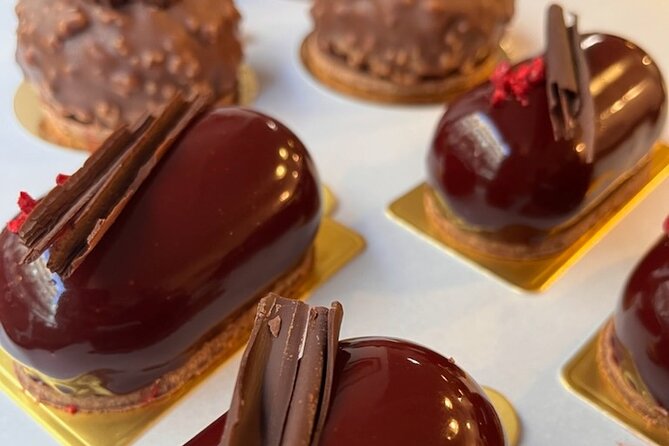
- Classic French techniques like mousses, mirror glazes, ganaches, and Bavarian cream
- You take your creations home, so it’s not just a show-and-taste class
- Tea and coffee keep the break between steps actually pleasant
Boutique pastry class in Paris with a French chef
If you like French desserts but hate the idea of taking a class that feels like school, this format is built for you. It’s set up like a true boutique workshop: small group, chef-led, and practical. You’re not just sampling sweets. You’re making them, step by step, with guidance that’s meant to get you a good result even if your pastry skills are still in draft mode.
The two big reasons this works well are the size and the structure. With a class capped at 6 people, you get room to ask questions and fix mistakes early—before they turn into a sad, collapsed dessert. And with a total time of about 2 hours 30 minutes, the lesson has enough runway for real technique work, not just a quick assembly-line demo.
If you’re traveling with teens or another adult who wants something hands-on (not another museum hour), this is also a solid fit. The reviews I saw for similar sessions mention groups ranging from adults to teens, and the common theme is that everyone gets to participate and bring food home.
More aprons-on macaron and pastry classes
- Paris: Macaron Class at Galeries Lafayette
★ 4.2 · 1,196 reviews - Paris Croissant Small-Group Baking Class with a Chef
★ 5.0 · 910 reviews - Paris: French Croissant Baking Class with a Chef
★ 4.9 · 712 reviews - Paris Cooking Class: Learn How to Make Macarons
★ 5.0 · 634 reviews
The pastries you’ll make (and the techniques you’ll actually use)
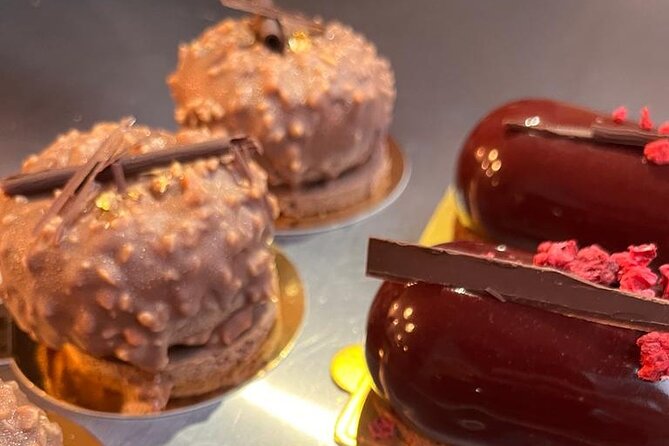
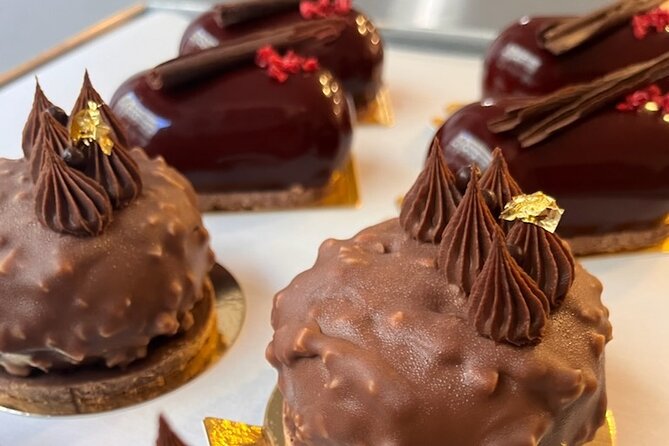
This class focuses on classic French pastry craft. The exact lineup can vary by session, but the teaching themes are consistent. You can expect technique coverage that includes things like mousses, mirror glazes, fillings, ganaches, and Bavarian cream. Even if the final dessert list changes, the know-how is the part you’ll keep using after you get back home.
Here’s what that means in practical terms.
Expect step-by-step craft, not just recipes
French pastry can look mysterious online. The trick is that it isn’t magic—it’s process control. In class, you learn how to handle key stages like:
- mixing and folding for mousses or creams
- glazing and finish work for mirror-glaze style effects
- making fillings and ganache texture so it sets the way you want
Common dessert outcomes you might see
From the types of sweets made in these sessions, you may end up working on classics such as:
- crème caramel (custard-style dessert)
- madeleines (little sponge cakes)
- an eight-layer meringue cake
Even if you don’t make those exact items, the training targets the same skills. And if you’ve ever tried a French dessert at home and wondered why it didn’t turn out the way you expected, these techniques are the cure.
The 2½-hour flow: how the workshop usually feels
The schedule is about 2 hours 30 minutes, which is long enough to feel productive, but not so long that you’re exhausted before the final tasting. The pace is built around doing. That matters because pastry is hard to learn by watching; it’s hard to learn by reading too.
You’ll likely move through a rhythm that looks like:
- prep and measuring
- mixing/assembly steps
- cooking where relevant (timing matters here)
- finishing and plating
- then the best part: eating what you made
Hands-on means you’ll be working, not hovering
This is a hands-on class with provided tools and recipes. You aren’t expected to bring your own pastry gear. You’ll also get aprons, which sounds small until you’re standing over batter and realize you don’t want that on your clothes for the rest of your Paris day.
There’s also a note that for certain preparations, participants may work in a group of 2. That’s normal in a working kitchen setup, and it can actually be helpful: you split tasks and keep the timing smooth.
Worth weighing up next to this Paris pick

What’s included (and why it changes the value)
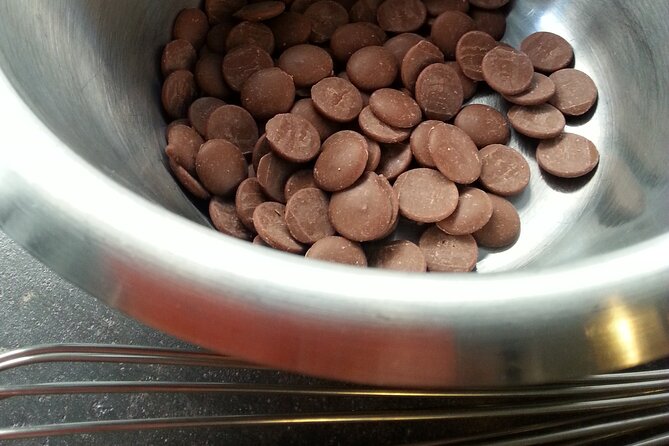
At $113.49 per person, it’s not the cheapest activity in Paris. So you should ask: what are you paying for beyond the thrill of making desserts in France?
Here’s what you get, and why it matters:
What’s on the house
You’re included with:
- a professional French pastry chef
- class size capped at 6 people
- English-language copy of the recipes
- aprons and cooking equipment
- take-home bags
- tea and coffee
- a bonus eBook for the operator’s 10th anniversary: Everyday Gourmet French Tarts
That recipe sheet in English is a big deal. Many culinary classes leave you with a photo and a vague memory. Here, you get written guidance you can actually follow later. The eBook bonus is also useful if you want to keep baking after the course without hunting for starting points.
The real value is less mess, more guidance
If you’ve ever tried to do a pastry class that expects you to bring everything, you know how quickly it becomes stressful. Here, you show up and start. In practice, that means:
- you can focus on technique
- you’re not wasting class time tracking supplies
- your results are more likely to be good because the setup is standardized
Where you meet in Paris (and how to plan your afternoon)
The class meets at 9 Rue Thimonnier, 75009 Paris, and it starts at 2:00 pm. It ends back at the meeting point. There’s no hotel pickup or drop-off, so you’ll want to build in time to get there calmly.
Good news: it’s near public transportation, so you can plan it as a reliable mid-to-late afternoon activity. Just don’t schedule something right after that requires perfect mobility or clean clothes—because pastry work can get a little messy, even when you’re wearing an apron.
Timing tip
Because you’re eating your finished pastries at the end, treat this like your dessert anchor. If you’re the type who plans a massive early lunch and then tries to cram in candy later, you might feel dessert fatigue. A lighter meal earlier in the day makes the final tasting more enjoyable.
Learning from a working chef: what to look for during class
A chef-led class is only as good as the teaching. The vibe here seems built around organization and professionalism. In the feedback I saw, people specifically praised the instructor for being well organized and professional, and at least one session mentioned a teacher named Julie.
So when you’re in the room, here are the things you’ll want to pay attention to:
Watch for the small technique cues
In pastry, the difference between great and average is often:
- how you mix
- when you stop
- how you fold or portion
- the texture cues you’re aiming for
The recipes being provided in English helps you track what’s happening. But the best learning comes from listening for what the chef says changes outcomes.
Ask about texture, not just steps
If you ask what you should see—thickness, color, consistency—you’ll get feedback that travels home with you. That turns this from a one-day activity into skills you can reuse.
Use the small group to your advantage
With a six-person cap, you can do more than passively participate. If something feels off, speak up early. The earlier you adjust, the less likely you end up trying to save a dessert that’s already locked into the wrong texture.
Taking pastries home: how to make the souvenir worth it
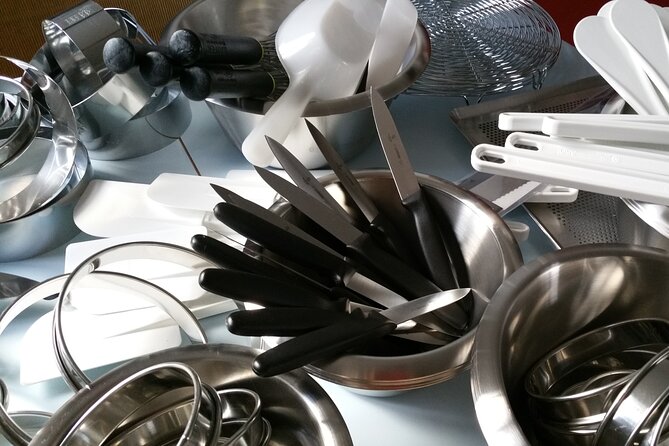
One of the best parts is that you don’t just taste. You take home what you made in take-home bags. That’s how you get real value out of a class like this.
A few practical tips for the ride back through Paris:
- Bring a plan for how you’ll carry it so it stays upright and undamaged.
- If you’re pairing this with evening plans, keep the transport time short.
- Since you’ll have tea/coffee during class, you might not need extra dessert stops afterward.
Also, take-home food changes the emotional payoff. When the dessert is yours, made with your hands, it feels like a better souvenir than a bag of macarons you picked up on the run.
Price and logistics: is $113.49 a fair deal?
Let’s be honest: $113.49 is a meaningful price tag. Here’s why it can still feel fair.
You’re paying for chef time plus low headcount
Small-group cooking classes cost more because the instructor attention is spread across fewer people. A class capped at 6 people generally means:
- more time for personal questions
- better troubleshooting
- less waiting around
- a calmer experience
You’re also paying for the setup
You’re not buying ingredients separately in a big pile. You get equipment, aprons, recipes, and take-home bags. In other words, the class cost covers the working environment.
The bonus eBook and recipe copies add extra value
The English recipe copies help you reproduce results later. The Everyday Gourmet French Tarts eBook is a nice extra if you want to bake more at home without starting from scratch.
If you’re someone who learns better by doing, the price can feel right. If you’re just looking for a quick taste and photo, you’ll get more satisfaction from a lighter food stop. This class is for makers.
Who this class suits best (and who might not)
This works best if you:
- want hands-on instruction from a French chef
- prefer small groups over crowds
- like baking skills you can recreate at home
- want a dessert souvenir that you actually made
It might not be ideal if you:
- hate cooking in a hands-on format (this is not a sit-and-watch demo)
- struggle with getting to meeting points on your own, since there’s no hotel pickup
- have allergy or dietary needs you’re unsure how to share in advance
One more practical point: the class asks you to advise allergies or special dietary requirements when booking, so do that early. Don’t wait until the day of.
Should you book this Paris pastry class?
I think you should book it if you want a high-touch, six-person pastry session that leaves you with both skills and food. The chef-led teaching, the English recipes, and the fact that you take your creations home make it feel like more than a novelty activity.
Skip or reconsider if you’re mainly after sightseeing and don’t want to commit time to mixing, cooking, and finishing desserts. Also plan your transport, because you’re responsible for getting to Rue Thimonnier by your own means.
If you’re the kind of traveler who likes doing one real thing well, this is a strong pick for a Paris afternoon.
FAQ
How many people are in the class?
The class is capped at a maximum of 6 people, so it stays small and hands-on.
How long is the pastry class?
It runs for about 2 hours 30 minutes.
Where is the meeting point?
The meeting point is at 9 Rue Thimonnier, 75009 Paris, France.
What time does the class start?
The start time is 2:00 pm, and the activity ends back at the meeting point.
What’s included in the price?
It includes the French pastry chef, English recipe copies, aprons, all cooking equipment, take-home bags, tea and coffee, and an Everyday Gourmet French Tarts eBook bonus.
Do I need to bring any equipment?
No. Cooking equipment is provided, and you’ll be given aprons for the class.
Is there hotel pickup or drop-off?
No. Hotel pickup and drop-off are not included. You’ll need to get yourself to the meeting point.
More Workshops in Paris
- Fragonard Paris: Mini Perfume Workshop
★ 4.5 · 1,924 reviews - Paris: Macaron Class at Galeries Lafayette
★ 4.2 · 1,196 reviews - Paris Cooking Class and Lunch with Wine plus Market Visit Option
★ 5.0 · 1,024 reviews - Paris Croissant Small-Group Baking Class with a Chef
★ 5.0 · 910 reviews - Paris: 2-Hour Perfume Creation Workshop
★ 4.8 · 731 reviews
More Tour Reviews in Paris
- Paris: 1-Hour Seine Cruise departing from the Eiffel Tower
★ 4.4 · 77,472 reviews - Paris: Louvre Museum Timed-Entrance Ticket
★ 4.6 · 71,977 reviews - Disneyland® Paris 1-Day Ticket
★ 4.6 · 49,412 reviews - Paris: Versailles Palace and Gardens Full Access Ticket
★ 4.6 · 41,579 reviews - Paris: Arc de Triomphe Rooftop Tickets
★ 4.6 · 34,264 reviews
More Macaron and Pastry Classes
- Paris: Macaron Class at Galeries Lafayette
★ 4.2 · 1,196 reviews - Paris Croissant Small-Group Baking Class with a Chef
★ 5.0 · 910 reviews - Paris: French Croissant Baking Class with a Chef
★ 4.9 · 712 reviews - Paris Cooking Class: Learn How to Make Macarons
★ 5.0 · 634 reviews - Paris: French Macaron Culinary Class with a Chef
★ 4.9 · 591 reviews
Fresh off the review desk in Paris
- Secrets of Paris Bike Tour in English or Dutch★ 5.0 · 5 reviews
- Paris: Mont Saint-Michel Day Tour with Chinese Tour Guide★ 5.0 · 5 reviews
- Private Street Art 2-Hour Guided Tour in Paris★ 4.5 · 5 reviews
- Orsay Museum Tour: 2h Highlights (Private & Small Group)★ 5.0 · 5 reviews
- Discover Paris in electric golf carts★ 4.0 · 5 reviews
- Paris Private Boat Tour with your own Captain Guide★ 5.0 · 5 reviews
Paris Pastry & Macaron Classes, compared.
 ★ 4.2Macaron Class at Galeries LafayetteFrom $691,196 reviews
 ★ 5.0Paris Croissant Small-Group Baking Class with a ChefFrom $157910 reviews
 ★ 4.9French Croissant Baking Class with a ChefFrom $159712 reviews
 ★ 5.0Paris Cooking Class: Learn How to Make MacaronsFrom $156634 reviews
 ★ 4.9French Macaron Culinary Class with a Chef591 reviews
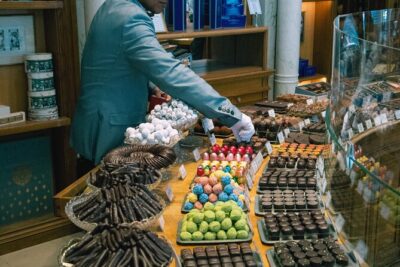 ★ 5.0A Morning in Paris Food Tour: Croissants, Baguettes & ChocolateFrom $125556 reviews
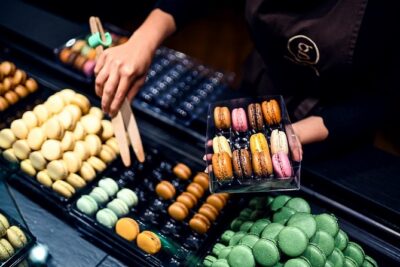 ★ 5.0Paris Chocolate, Macaron & Pastry Food Tour: 10 Gourmet TastingsFrom $118339 reviews
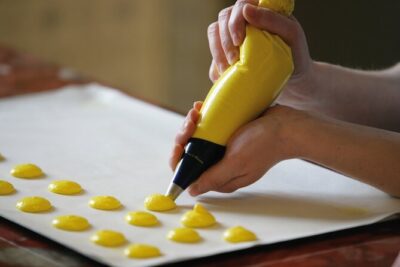 ★ 5.0Paris Macarons Small-Group Baking Class with a ChefFrom $157316 reviews
Browse the lists this tour appears in