
Reviewed · PARIS PASTRY & MACARON CLASSES
Paris: Bread and Croissant-Making Class
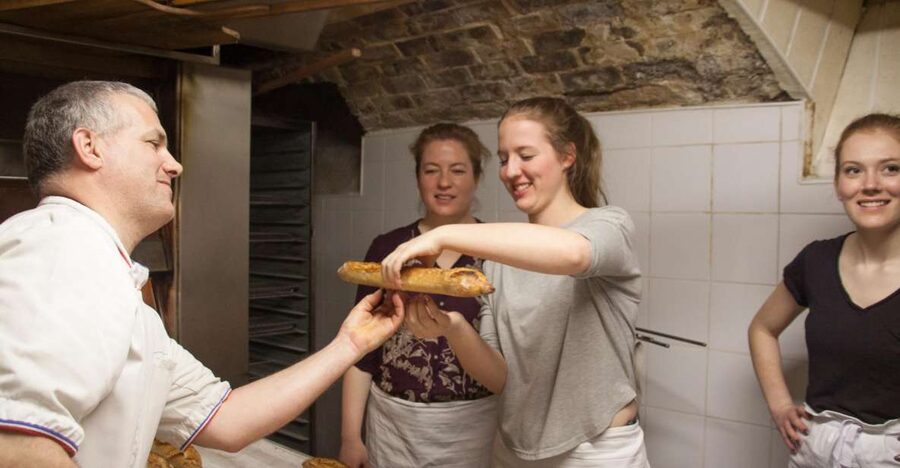
A good baguette starts with touch. This class is interesting because you don’t just watch bread get made—you work the dough in a real boulangerie setting with a master baker behind the counter. I love the focus on how baguettes and croissants work (crust, crumb, shaping), not just the final result. I also like the “family secrets” angle, including stories and technique passed down through generations. One drawback to consider: it’s only 2 hours, so you’ll learn a lot of technique fast, but you won’t become a full-on dough expert in one session.
In practice, you’re in a small group, so you get hands-on coaching and translation support when needed. You’ll also take home recipes by email, which is what turns a fun class into something you can actually repeat at home. The main consideration is that this is a flour-and-heat experience: you’ll want to wear something you’re okay getting dusty, even with an apron provided.
In This Review
- Key Highlights You’ll Really Use
- Entering Le Petit Mitron: A Paris Bakery Session That Feels Real
- What You Do in the First Stretch (Before the Oven Steals the Show)
- Baguette Basics: Getting That Crusty Gold and Soft Center
- Two Baguette Targets: Classic French Baguette and La Parisse
- Croissant Shaping: Practice the Moves, Not Just the Ingredients
- Taste, Story, and the Bakery Culture Layer
- Leaving With Recipes That Make This Worth $258
- Price and Logistics: What Matters Day-of
- Who Should Book This Bread and Croissant Class in Paris
- Should You Book It? My Decision Guide
- FAQ
- FAQ
- Where is the meeting point for the class?
- How long is the Paris bread and croissant-making class?
- What is included in the price?
- Is the class taught in English?
- How big is the group?
- Is this class suitable for young children?
- What breads will I make during the class?
- Can I cancel and get a refund?
- Do I get recipes to take home?
Key Highlights You’ll Really Use
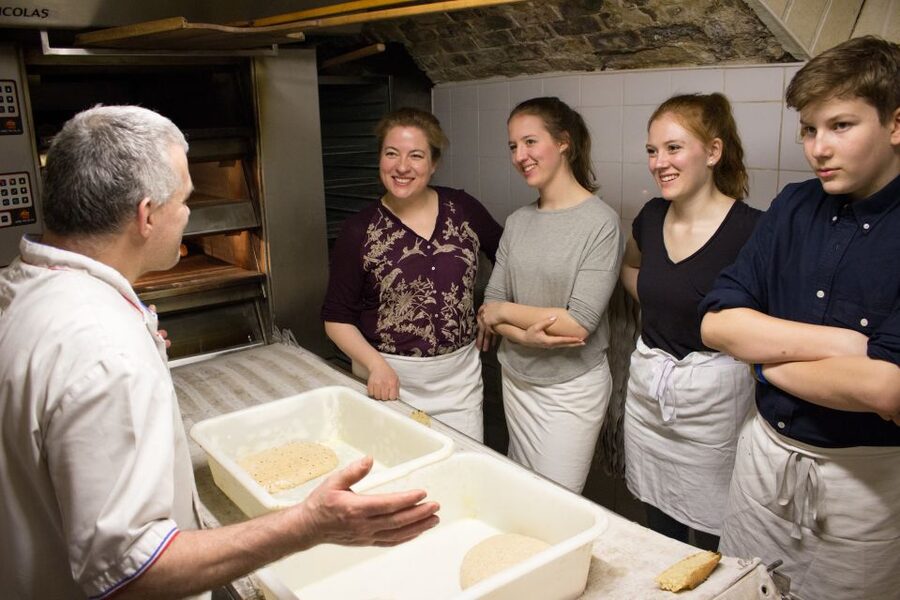
- Behind-the-counter access at a family-run bakery, not a staged demo
- Baguette technique for a crisp, golden crust and a soft, warm interior
- Two baguette styles, including the bakery’s famous La Parisse
- Croissant shaping practice with step-by-step tips
- Warm tasting moments during class, so you can connect skill to flavor
- Take-home recipes by email so the learning doesn’t end when you leave
Entering Le Petit Mitron: A Paris Bakery Session That Feels Real
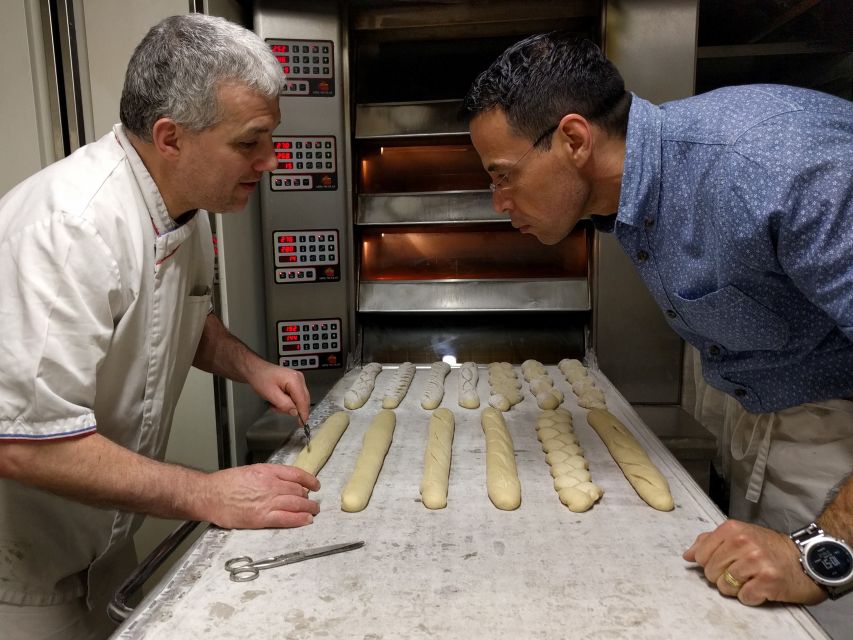
Meet at Le Petit Mitron, 8 rue Oberkampf, 75011 Paris. From the start, this feels like stepping into someone’s workplace rather than joining a circus of cameras. You’re there for bread craft, in the center of Paris, and you’ll spend the time where the flour, dough, and tools actually live.
The session runs 2 hours, and it’s built for a small group (limited to 8 participants). That matters because bread-making has plenty of tiny failure points—hydration, shaping tension, timing, and oven conditions. With fewer people, it’s easier for the baker to point out what to adjust when your dough behaves differently.
Also, language support is part of the package. The instruction team can work in English, French, Japanese, and Spanish. Many classes also rely on an interpreter who can keep the technical details clear—names you may hear include Luce, Luis, or Elsa, depending on the day. That usually makes the difference between learning “the vibe” and learning the actual method.
More aprons-on macaron and pastry classes
- Paris: Macaron Class at Galeries Lafayette
★ 4.2 · 1,196 reviews - Paris Croissant Small-Group Baking Class with a Chef
★ 5.0 · 910 reviews - Paris: French Croissant Baking Class with a Chef
★ 4.9 · 712 reviews - Paris Cooking Class: Learn How to Make Macarons
★ 5.0 · 634 reviews
What You Do in the First Stretch (Before the Oven Steals the Show)
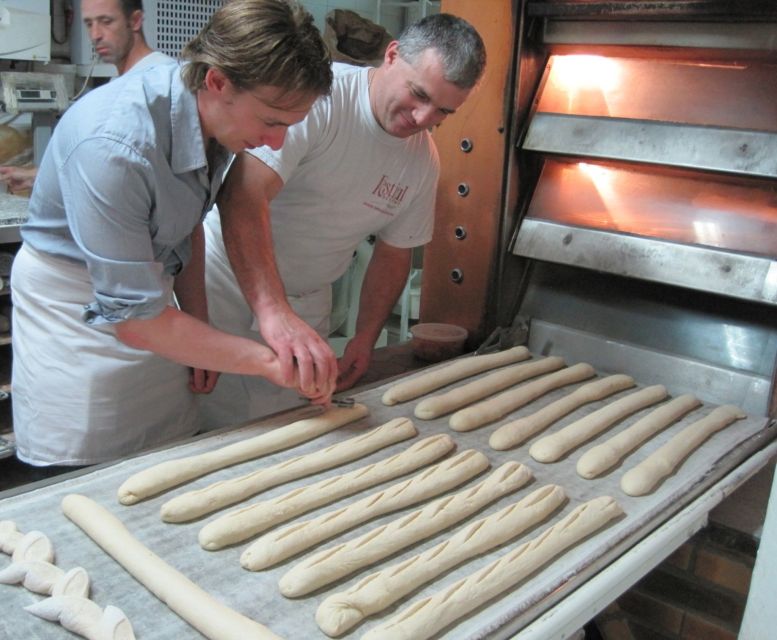
You’ll start with the hands-on part early. The class is set up around actually working the dough—plunge your arms into the flour, shape, and practice the steps that lead to crust and crumb. You’ll be given an apron and the tools you need, and all ingredients are included.
This early stage is about two things:
- Getting your hands to understand the dough (how it feels when it’s right, when it needs attention, and when it’s going off track).
- Learning the baker’s logic for why bread behaves the way it does—so you can make better guesses at home later.
There’s also a real-world advantage here: you’re doing this in a working bakery, so the rhythm of the process feels practical. Bread isn’t just chemistry; it’s timing and temperature and hands.
Baguette Basics: Getting That Crusty Gold and Soft Center
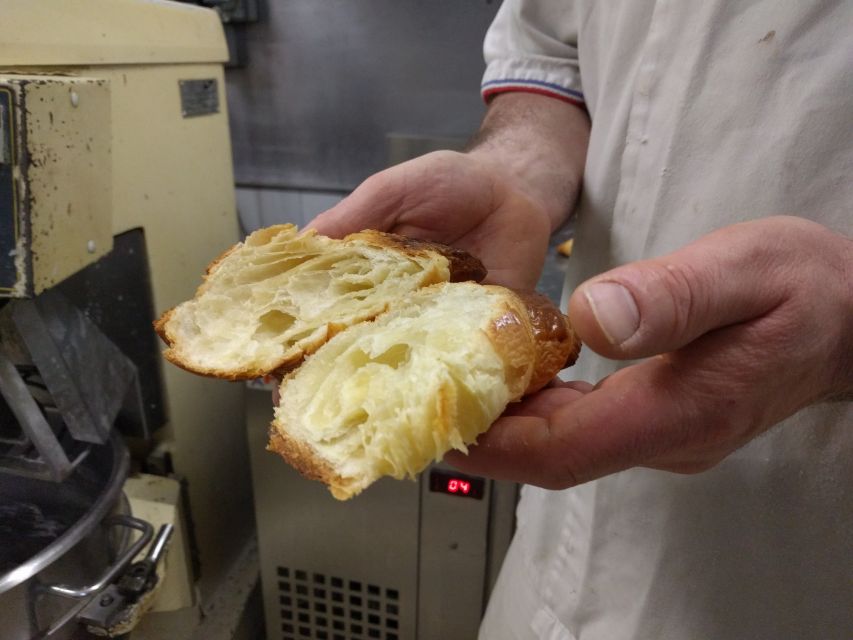
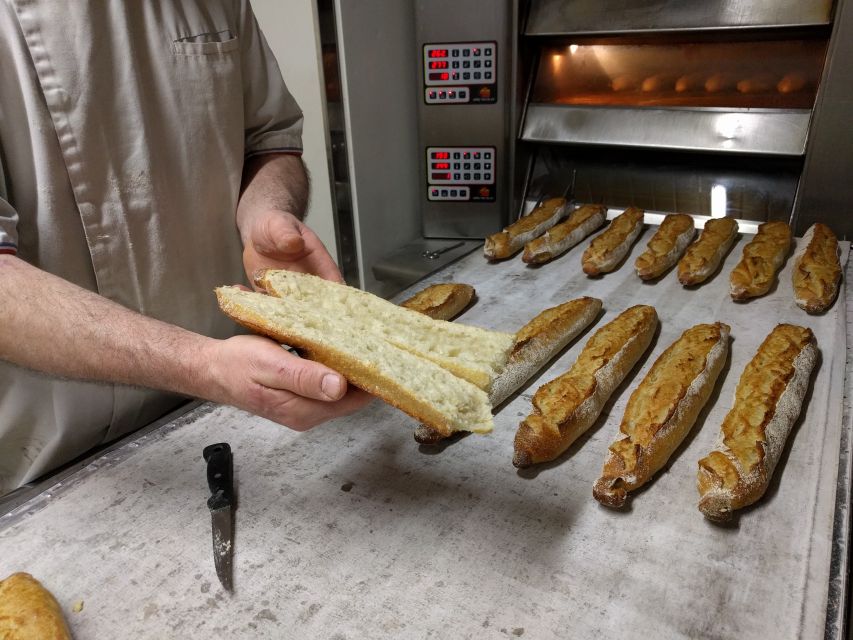
The headline skill is French baguette technique. This class focuses on the details that shape the classic result: a crunchy golden exterior and a soft, warm interior.
What to pay attention to as you work:
- Dough handling and shaping tension: your shaping affects how the loaf expands and how the crumb opens up.
- Surface and scoring effects: bread needs the right places to expand; scoring helps guide that growth.
- Oven timing and bake focus: you’re learning what to watch for so the crust develops instead of staying pale or tough.
In many bread classes, you leave with a vague promise: bake until it looks right. Here, the teaching is more technical and step-by-step. The result is that you’re not just copying a shape—you’re learning what conditions create that crust and the inside texture you want.
And you’ll get that “why” layer too. One reason baguettes are so culturally specific is that their form and function go together. The class includes context about how French baking developed and how certain shapes and methods became standard.
Two Baguette Targets: Classic French Baguette and La Parisse
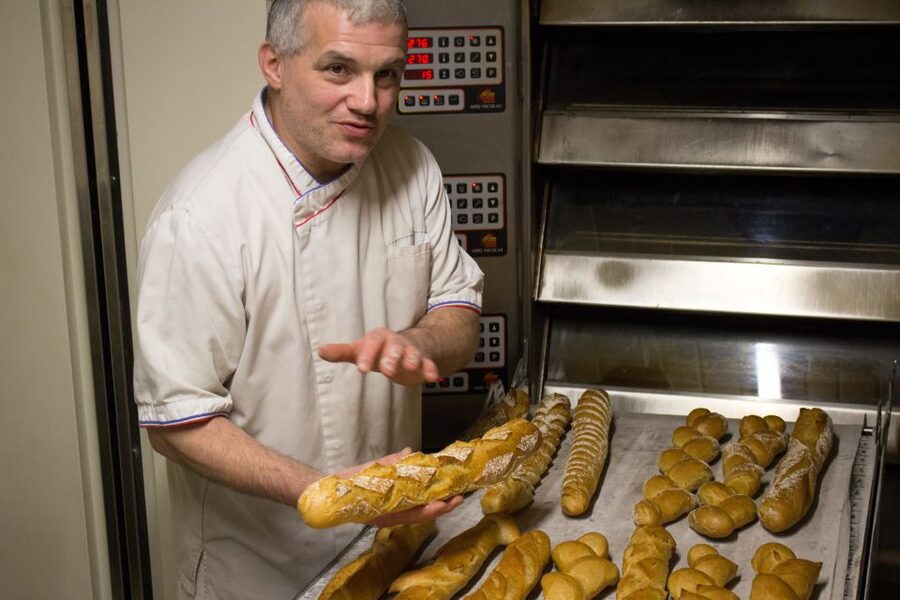
A smart choice here is that you don’t chase one loaf and call it a day. You’ll bake 2 types of baguette: a classic French baguette and La Parisse, a special version the bakery is known for.
For you, that means you practice the same core skills while learning how a small variation can change the result. Even without changing everything, bread-making rewards people who can compare outcomes. You can taste the difference, and then you can connect the difference back to technique.
La Parisse is also a way to get more than “generic French bread.” It’s tied to one bakery’s identity—something you can’t reliably replicate by following a random internet recipe. When the class names the special loaf like this, it’s telling you the baker cares about his signature.
Croissant Shaping: Practice the Moves, Not Just the Ingredients
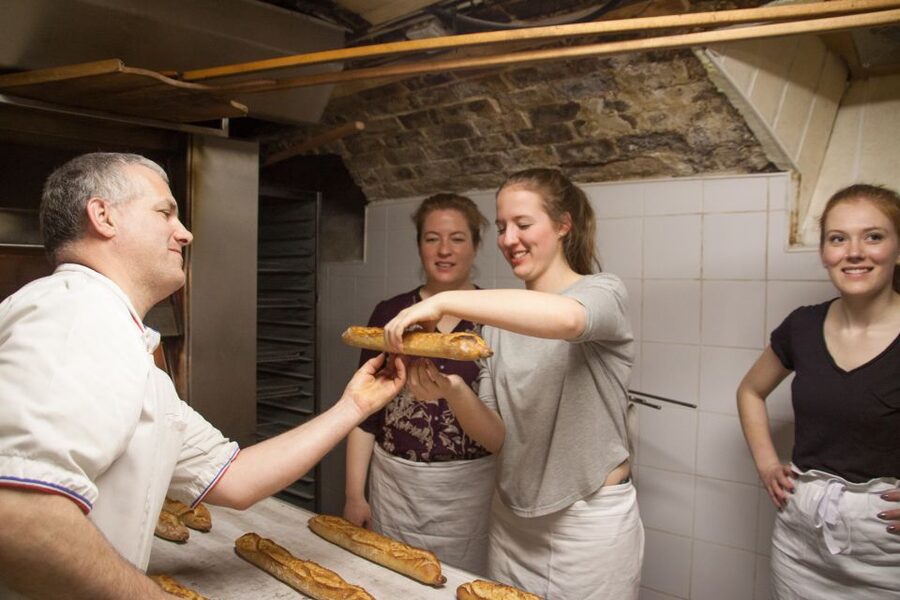
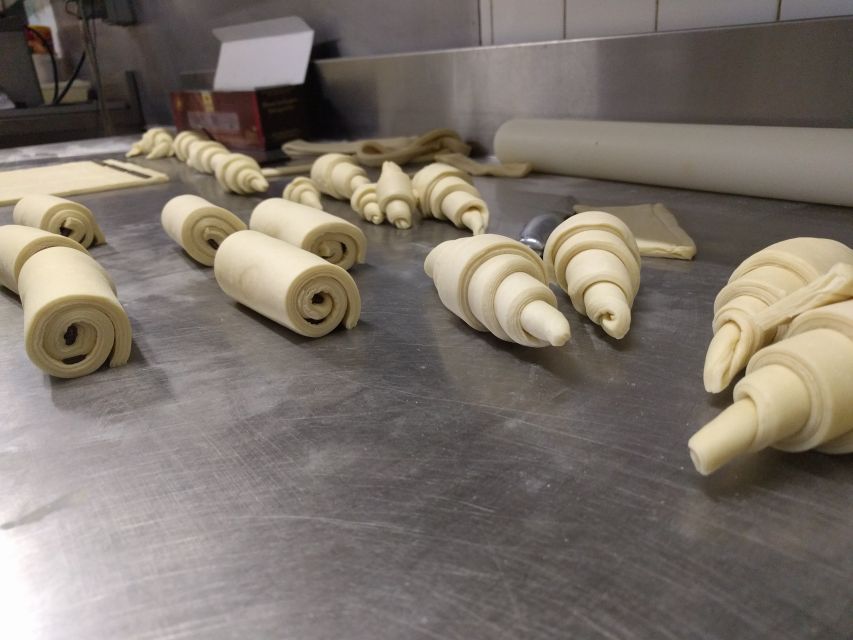
Croissants can look intimidating. The good part of this class is that it doesn’t treat them like magic. You’ll learn to make and shape croissants with tips from the master baker.
What you should focus on during the shaping part:
- How the dough is handled so layers stay intact
- The mechanics of rolling and forming so you get the right shape for expansion
- Consistency in your technique across pieces, since small differences show up in the final bake
This isn’t just pastry theory. It’s hands-on instruction, and because the group is limited, you’re more likely to get personal corrections when your dough fights you.
And yes, croissants are tasty here. Many classes include warm tastings during the session, so you’re pairing technique with immediate feedback: you see what good looks like while the lesson is still fresh.
Taste, Story, and the Bakery Culture Layer
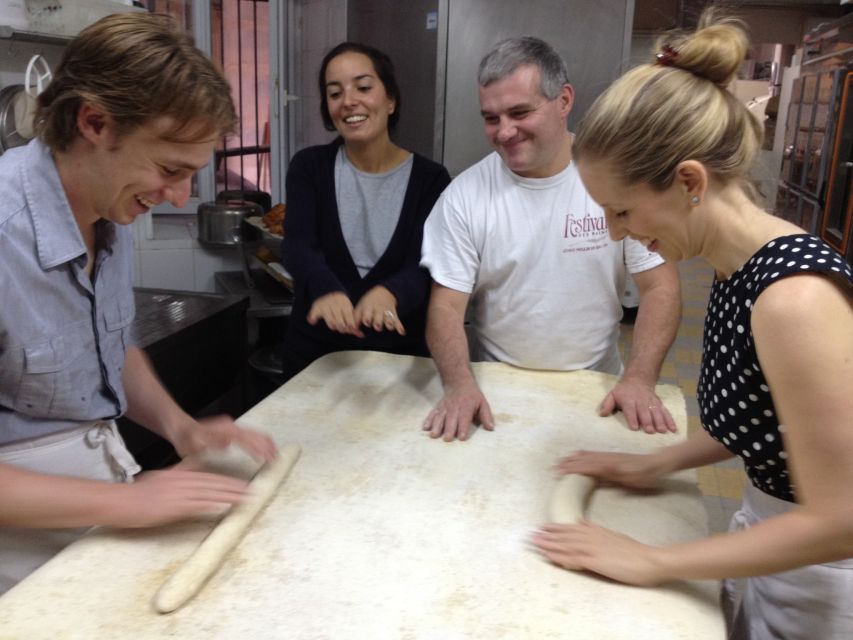
Bread classes are often either technical or entertaining. This one tends to do both. The baker’s personality can be lively and funny, and you get stories that connect food to French culture—why certain methods mattered, and how current business life can shape how ingredients and work get done.
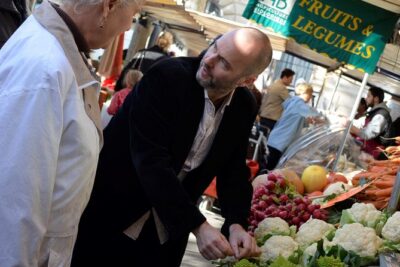
For example, some sessions include discussion about sourcing wheat and grinding it in the shop. That kind of detail matters because bread flavor often traces back to ingredient choices, not just kneading and bake time. If you care about making better bread at home, this helps you understand where to focus next.
If you’re traveling with kids, this cultural + hands-on mix is a strong fit too. The class is not suitable for children under 6, but families have found it engaging for children who can follow a guided, dough-focused activity.
Worth weighing up next to this Paris pick

Leaving With Recipes That Make This Worth $258
Let’s talk value, because $258 per person is not a small splurge for a 2-hour activity. The question isn’t just the price—it’s what you get for it.
You get:
- All ingredients
- Utensils and an apron
- Time with a master baker
- Small group attention (max 8 participants)
- Recipes sent by email so you can reproduce the process later
That email recipe piece is key. If you only leave with a vague memory, the cost stings later. With recipes in hand, you can practice again, compare your results, and improve.
Also, the class isn’t purely a tour. It’s not “watch someone else cook.” You’re shaping dough and learning technique directly from a professional baker working in his own bakery environment. That’s the kind of experience that can shorten your learning curve at home.
Could you make bread cheaper on your own? Sure. But you’d be paying with time, trial-and-error, and missing technique details. In a place like Paris, this also gives you a genuine cultural activity instead of another pass-the-hat food stop.
Price and Logistics: What Matters Day-of
A few practical points help you get the most out of it:
- Time: you’re committing to 2 hours. Plan your day so you can actually sit down and digest what you learned afterward.
- Group size: limited to 8 participants, so you’re likely to get more direct coaching than bigger classes.
- Languages: instruction can be English, French, Japanese, or Spanish. Interpreters (like Luis, Elsa, or Luce) help keep the technical bits understandable.
You should also expect that the class involves flour work and shaping. Wear clothes you don’t mind getting dusty, and let the apron do its job.
Who Should Book This Bread and Croissant Class in Paris
This is a great fit if you want a hands-on food experience with real technique, not a casual pastry tasting.
Best for:
- People who enjoy cooking and want a method you can repeat at home
- Travelers who like small-group activities in local workplaces
- Families with children old enough to handle a dough-focused session (it’s not for kids under 6)
You might want to skip or reconsider if:
- You want a long, leisurely meal experience (this is short and skill-focused)
- You’re only looking for passive sightseeing or a general history lecture (this is practical baking time)
- You have strict food safety needs not addressed in the class details. The information provided doesn’t claim it’s a gluten-free or allergen-controlled class, so you’ll need to be careful and ask questions in advance.
Should You Book It? My Decision Guide
If you want one Paris food activity that teaches you something you can use again, this class is an easy yes. The combination of hands-on baguette work, practice shaping croissants, and take-home recipes by email is what makes the price feel justified.
Book this if you’re the type of person who gets excited by small technique differences—how dough feels, how shaping affects expansion, and why a crust turns golden instead of staying pale. You’ll also like it if you prefer small-group instruction inside a working bakery, where the setting is part of the learning.
Skip it only if you want a slower sit-down experience, or if your needs require information the class details don’t explicitly provide.
FAQ
FAQ
Where is the meeting point for the class?
You meet at Le Petit Mitron, 8 rue Oberkampf, 75011 Paris.
How long is the Paris bread and croissant-making class?
The class lasts 2 hours.
What is included in the price?
The price includes all ingredients, utensils and an apron, and a copy of the recipe sent by email.
Is the class taught in English?
Yes. The instructor can work in English, and interpretation support may be provided. The activity also lists French, Japanese, and Spanish.
How big is the group?
It’s a small group with a maximum of 8 participants.
Is this class suitable for young children?
No, it’s not suitable for children under 6.
What breads will I make during the class?
You’ll make and shape croissants, and you’ll bake 2 types of baguette: a classic French baguette and La Parisse, a special version unique to the bakery.
Can I cancel and get a refund?
Yes. Free cancellation is available up to 24 hours in advance for a full refund.
Do I get recipes to take home?
Yes. You receive a copy of the recipe by email after the class.
More Workshops in Paris
- Fragonard Paris: Mini Perfume Workshop
★ 4.5 · 1,924 reviews - Paris: Macaron Class at Galeries Lafayette
★ 4.2 · 1,196 reviews - Paris Cooking Class and Lunch with Wine plus Market Visit Option
★ 5.0 · 1,024 reviews - Paris Croissant Small-Group Baking Class with a Chef
★ 5.0 · 910 reviews - Paris: 2-Hour Perfume Creation Workshop
★ 4.8 · 731 reviews
More Tour Reviews in Paris
- Paris: 1-Hour Seine Cruise departing from the Eiffel Tower
★ 4.4 · 77,472 reviews - Paris: Louvre Museum Timed-Entrance Ticket
★ 4.6 · 71,977 reviews - Disneyland® Paris 1-Day Ticket
★ 4.6 · 49,412 reviews - Paris: Versailles Palace and Gardens Full Access Ticket
★ 4.6 · 41,579 reviews - Paris: Arc de Triomphe Rooftop Tickets
★ 4.6 · 34,264 reviews
More Macaron and Pastry Classes
- Paris: Macaron Class at Galeries Lafayette
★ 4.2 · 1,196 reviews - Paris Croissant Small-Group Baking Class with a Chef
★ 5.0 · 910 reviews - Paris: French Croissant Baking Class with a Chef
★ 4.9 · 712 reviews - Paris Cooking Class: Learn How to Make Macarons
★ 5.0 · 634 reviews - Paris: French Macaron Culinary Class with a Chef
★ 4.9 · 591 reviews
Fresh off the review desk in Paris
- Secrets of Paris Bike Tour in English or Dutch★ 5.0 · 5 reviews
- Paris: Mont Saint-Michel Day Tour with Chinese Tour Guide★ 5.0 · 5 reviews
- Private Street Art 2-Hour Guided Tour in Paris★ 4.5 · 5 reviews
- Orsay Museum Tour: 2h Highlights (Private & Small Group)★ 5.0 · 5 reviews
- Discover Paris in electric golf carts★ 4.0 · 5 reviews
- Paris Private Boat Tour with your own Captain Guide★ 5.0 · 5 reviews
Paris Pastry & Macaron Classes, compared.
 ★ 4.2Macaron Class at Galeries LafayetteFrom $691,196 reviews
 ★ 5.0Paris Croissant Small-Group Baking Class with a ChefFrom $157910 reviews
 ★ 4.9French Croissant Baking Class with a ChefFrom $159712 reviews
 ★ 5.0Paris Cooking Class: Learn How to Make MacaronsFrom $156634 reviews
 ★ 4.9French Macaron Culinary Class with a Chef591 reviews
 ★ 5.0A Morning in Paris Food Tour: Croissants, Baguettes & ChocolateFrom $125556 reviews
 ★ 5.0Paris Chocolate, Macaron & Pastry Food Tour: 10 Gourmet TastingsFrom $118339 reviews
 ★ 5.0Paris Macarons Small-Group Baking Class with a ChefFrom $157316 reviews
Browse the lists this tour appears in