
Reviewed · WALKING TOURS
Paris City Center Self-Guided Walking Tour
Paris feels huge until you have a smart route. This self-guided walk gives you a native-language booklet and a simple map with the route clearly marked, so you can move at your pace without doing days of research first. I especially like that it’s built around practical planning details, like addresses, opening times, and what tickets cost so you can decide what’s worth entering.
The main trade-off: the booklet’s short descriptions are great for orientation, but they may leave you wanting more background at certain stops. If you’re the type who likes to know why something was built and who shaped it, you may end up doing a bit of extra reading on your own.
In This Review
- Key things to know before you set off
- How This Self-Guided Paris Plan Saves You Time
- Route at a Glance: 12 km From Bastille to Eiffel Tower
- Starting at Place de la Bastille: The Route Kicks Off Big
- Le Marais: Trendy Streets With Real Architecture
- Hôtel de Ville and the Circular Pavilion: A City-Admin Stop That’s Worth Noticing
- Île de la Cité: Notre-Dame and the Streets Between
- Pont Neuf: Crossing a Classic and Getting a Different Perspective
- Louvre Palace and the Pyramid: The Big Name Stop
- Tuileries Garden: A Breather Between Grand Sights
- Place de la Concorde to Champs-Élysées: When the Walk Turns Monumental
- Arc de Triomphe to the Trocadéro Approach: Setting Up Your Finale
- Jardins du Trocadéro and Eiffel Tower Finish: The Payoff You Walk Toward
- What You Really Get From the Booklet (Including the Limits)
- Price and Value: $11 for a 3-Hour Route (With Tickets Extra)
- Who This Paris Self-Guided Walk Suits Best
- Should You Book This Self-Guided Walking Tour?
- FAQ
- How long is the Paris City Center self-guided walking tour?
- How far will I walk?
- Where does the self-guided route start and where does it end?
- Do I need to meet someone in a group?
- What attractions are included on the route?
- Is entry to attractions included?
- When will I receive the booklet?
- What language will the booklet be in?
- Is this tour wheelchair accessible?
- FAQ
- What’s the price for this self-guided tour?
- Can I cancel and get a full refund?
- Is there an option to pay later?
- Do I get a discount for future tours?
Key things to know before you set off
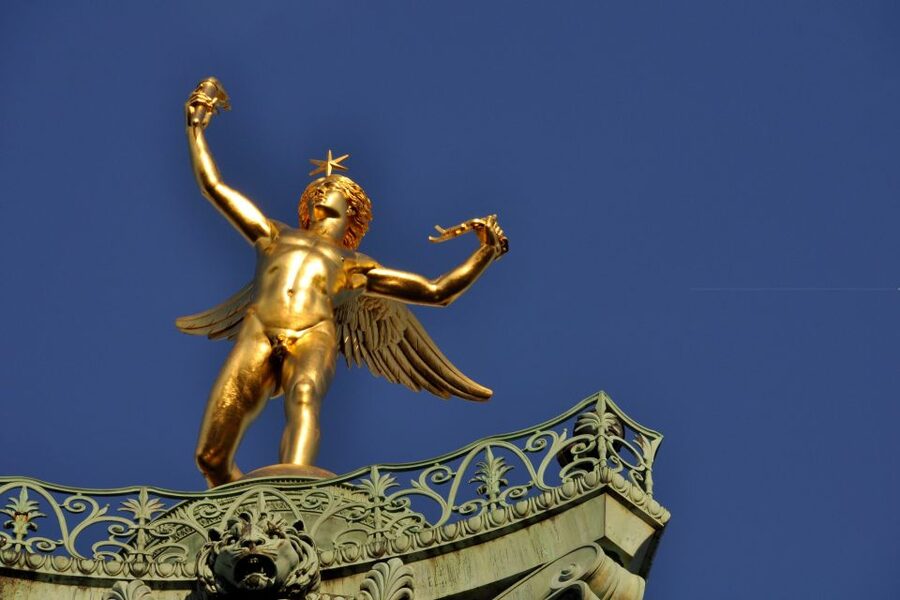
- Bastille to Eiffel Tower: the route starts at Place de la Bastille and ends at the Eiffel Tower.
- 12 attractions in about 2–3 hours: you’ll cover roughly 12 km at a pace you control.
- No entrance tickets included: you can see most from the outside, but entry is up to your choices.
- Booklet emailed 24 hours before: you get your guide in your native language ahead of time.
- Wheelchair accessible: the activity is listed as wheelchair accessible.
- Discount for guided tours: you receive a 10% code for booking a guided tour with Rosotravel later.
How This Self-Guided Paris Plan Saves You Time
I like self-guided tours that don’t dump you onto a map with zero direction. This one does the opposite. You get a booklet prepared by a Paris Expert-Guide plus a simple route map, and that combo helps you get your bearings fast.
Instead of trying to figure out which sights are close together, you follow a marked path that connects the classic “left bank to right bank grand finale” vibe. Even if you skip a stop or two, the structure keeps you from wandering in circles. The booklet is also designed for practical decision-making: you get brief history, what to look for, addresses, opening times, and admission/ticket notes so you can plan your day without a bunch of stop-by-stop Googling.
Worth weighing up next to this Paris pick
- Paris Top Sights Half Day Walking Tour with a Fun Guide
★ 5.0 · 2,893 reviews - Montmartre Hidden Gems and Scenic Highlights Walking Tour
★ 5.0 · 2,684 reviews - Montmartre Hill French Gourmet Food and Wine Tasting Walking Tour
★ 5.0 · 2,588 reviews - Paris: Montmartre Highlights Walking Tour with a Local Guide
★ 4.9 · 2,318 reviews
Route at a Glance: 12 km From Bastille to Eiffel Tower
This is a continuous walking route, not a bus tour. You’ll cover about 12 km in roughly 2–3 hours, depending on how often you stop for photos and how long you linger at each landmark. Since the time and distance are fixed by the plan, you’ll want to match your expectations to your pace.
Here’s the set of major points you can expect along the way:
- Place de la Bastille (start)
- Le Marais
- Hôtel de Ville and the Circular Pavilion
- Notre-Dame (Île de la Cité area)
- Pont Neuf
- Louvre Palace and the Louvre Pyramid
- Tuileries Garden
- Place de la Concorde
- Champs-Élysées
- Arc de Triomphe
- Jardins du Trocadéro
- Eiffel Tower (finish)
You also get a key note to keep your plan realistic: visiting attractions from inside depends on your choices. Entry is not included, so build in time (and money) if you decide to go inside.
Starting at Place de la Bastille: The Route Kicks Off Big

Place de la Bastille is a strong start point because it’s a major Paris landmark that signals you’re heading into the city’s core. From here, your route naturally sets up the story of Paris: political history and city growth in the early segment, then the shift toward the grand monuments and view-focused finale.
If you’re coming from your hotel, the plan is simple: you start from your accommodation and make your own way to Place de la Bastille, where the route begins. That flexibility is a real plus. You’re not locked into a meeting point with a specific time window, and you can decide how early you want to start.
Le Marais: Trendy Streets With Real Architecture
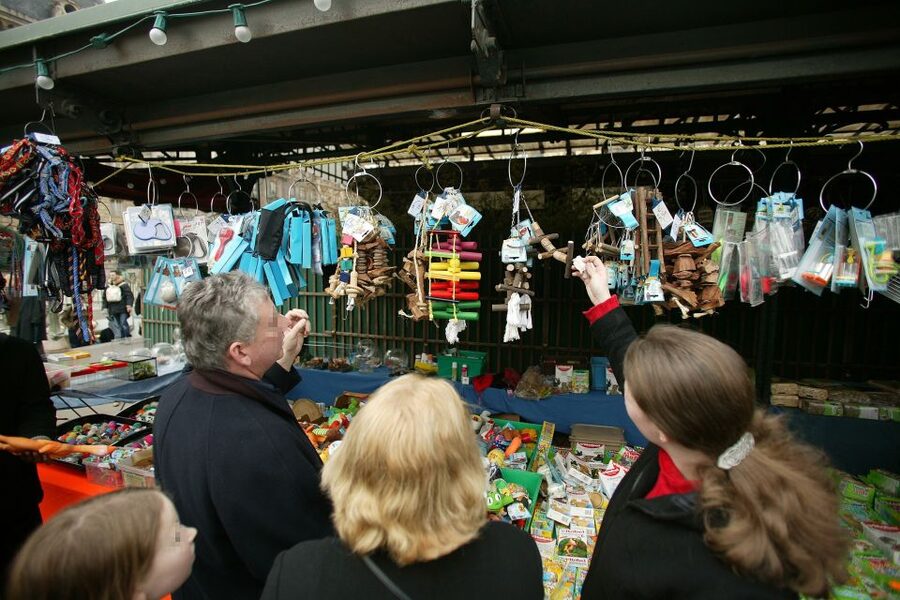
Le Marais is the part of the walk that usually feels like you got off the highway and into the neighborhood. You’ll pass through a zone known for its historical architecture, cafes, and shopping, and that mix makes it easy to slow down without feeling like you’re wasting time.
This is where you can do two things well on a self-guided route:
- People-watch: pause for photos and street scenes.
- Pick your tempo: if you want shopping breaks, this is a good place for them.
The booklet helps by framing what you’re looking at and why it matters, so you’re not just passing through. You’re also learning the basics as you go, which keeps the walk from feeling like a checklist.
Hôtel de Ville and the Circular Pavilion: A City-Admin Stop That’s Worth Noticing

Hôtel de Ville and the Circular Pavilion bring a different flavor than the postcard sights. This is the city’s official-center energy, which matters because it connects Paris’s everyday life to its grand image.
On a self-guided tour, these mid-route stops are often underrated. They’re useful because they break up the intensity of seeing monument after monument. You get a steadier pace, plus a chance to take in details—facades, angles, and urban layout—before the walk starts building toward the bigger showpieces.
If you like to understand how Paris “works” as a city, this section is a good moment to do it.
Île de la Cité: Notre-Dame and the Streets Between
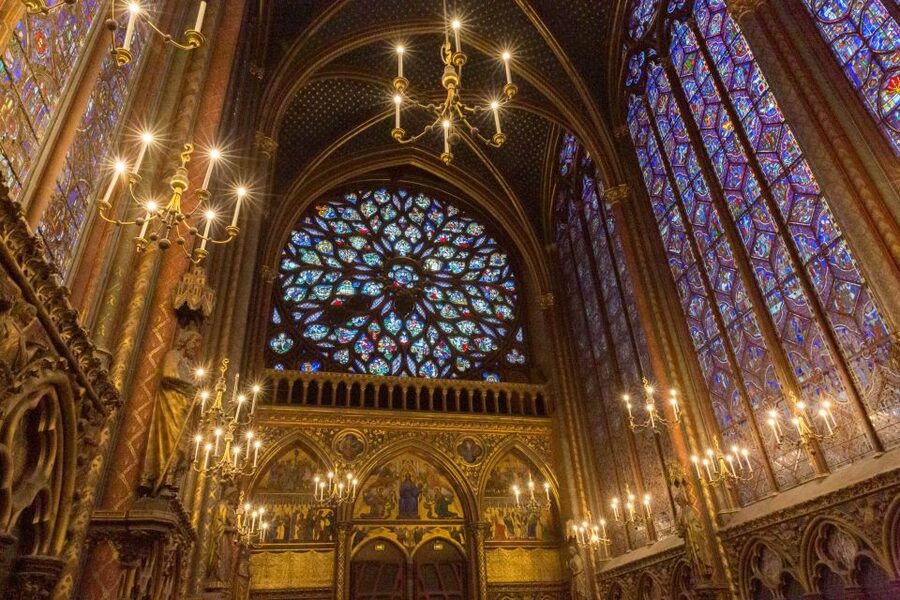
When the route reaches the Ile de la Cite area, it tightens into the old heart of Paris. You’ll have the chance to stroll through the small streets here, and that’s half the value. Paris isn’t only about famous buildings—it’s also about the way the streets funnel you toward them.
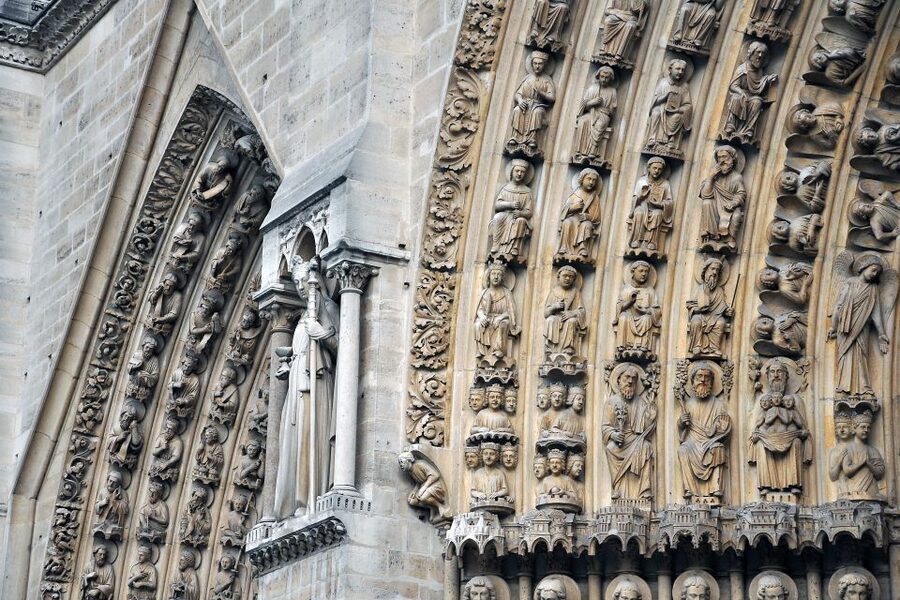
Notre-Dame is one of the anchor points you’ll come across on this route. Even if you don’t go inside, the surrounding area gives you a sense of scale and setting. And because this tour doesn’t include entry, you can decide based on your interests and timing rather than being pushed by a schedule.
That said, there’s a nuance: the booklet’s level of background can vary by stop. If you’re hoping for very detailed building history or deeper context at every attraction, you may need to top up your knowledge with your own research.
Worth weighing up next to this Paris pick




Pont Neuf: Crossing a Classic and Getting a Different Perspective
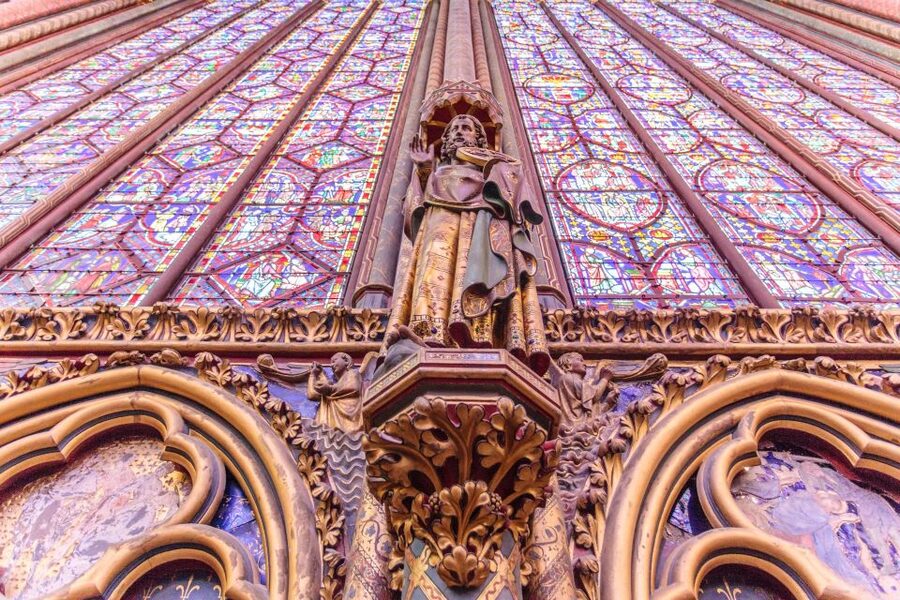
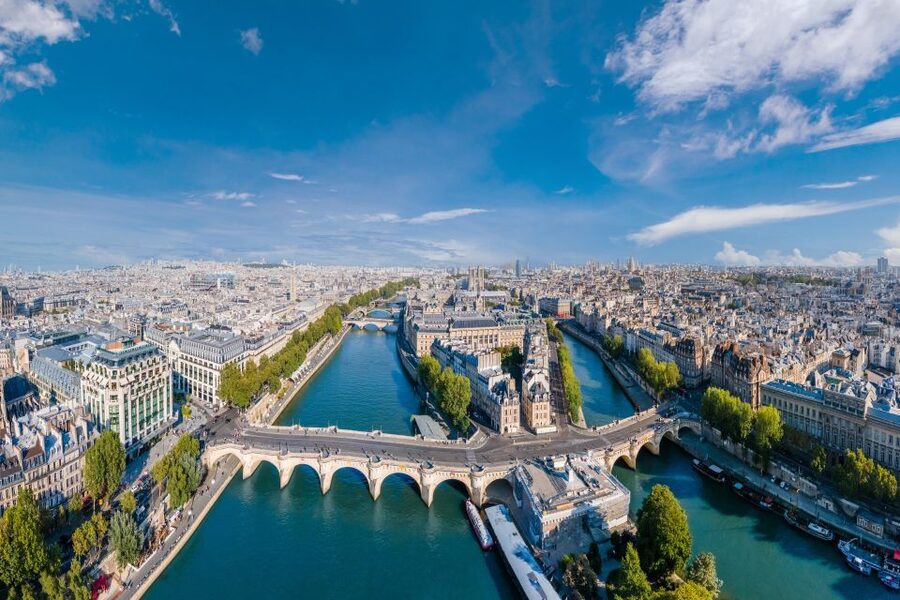
Pont Neuf is where the walk naturally gives you a change in viewpoint. Bridges do that. They’re not just connectors; they’re frames.
On this route, Pont Neuf acts like a transition between major landmark zones. It’s a good moment to slow down slightly and look both ways—because Paris streets and river views feel different depending on your angle.
And because you’re self-guided, you can spend extra minutes here if you want photos without worrying you’ll hold anyone up.
Louvre Palace and the Pyramid: The Big Name Stop

At the Louvre Palace area, you’re stepping into one of the world’s most recognized cultural spaces. You’ll see the Louvre Pyramid as part of the route, which makes this stop visually clear even before you go inside.
One consideration: this kind of place tempts you to think the booklet will replace a museum guide. It won’t. The booklet is there to help you orient, plan, and decide. Since inside entry isn’t included, you still need to treat the museum as a separate choice.
Also, the booklet may not satisfy everyone who wants detailed “how and why” history for very specific buildings or collections. If you want answers about what was there before or who shaped it, you might end up looking it up yourself to fill the gaps.
Tuileries Garden: A Breather Between Grand Sights
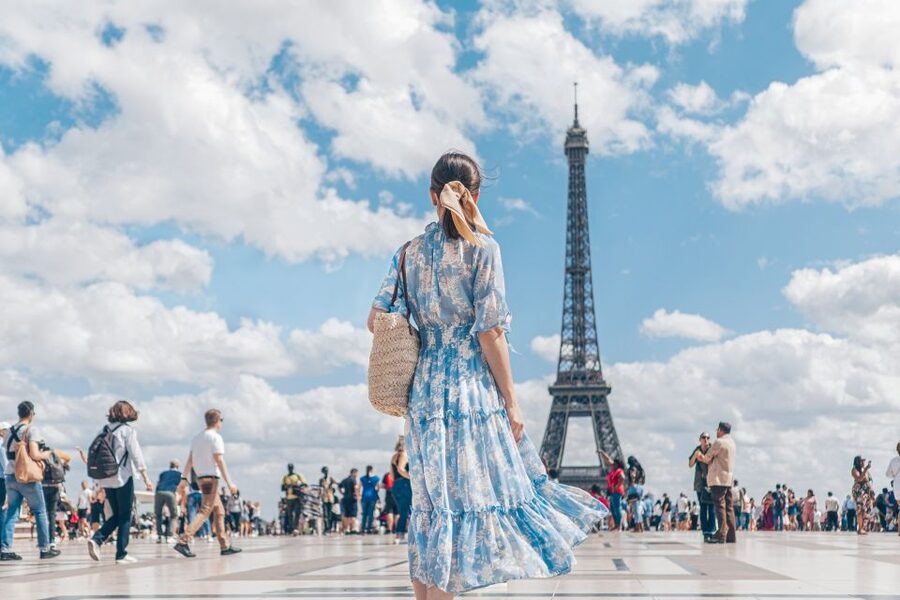
Tuileries Garden is a smart inclusion on a walking route. Gardens let you reset. You’ve gone from dense urban streets and major facades to an area where you can slow down, sit for a moment, and breathe.
This is the kind of stop that improves the whole day because it reduces the stress of constant movement. Even if you don’t stay long, the change in surroundings helps the route feel less like a straight line and more like an actual experience.
Plus, gardens make it easier to take photos that don’t look like every other “Paris pose” shot. The space gives you different sightlines and softer light conditions, depending on the day.
Place de la Concorde to Champs-Élysées: When the Walk Turns Monumental
Once you reach Place de la Concorde, you’re entering the grand Paris axis feel. It’s wide, formal, and built for big perspectives. That matters on a self-guided tour because it helps you understand why certain streets are so visually important in Paris.
From there, you’ll hit Champs-Élysées, another of the route’s main recognizers. This part of the walk is great if you like famous streets and you want to see them at walking speed, not from a car window.
The key benefit of doing it on foot: you notice details. Storefront rhythm, street geometry, and the way crowds move. On a planned route, you’ll also know you’re moving in the right direction toward the final “view payoff” section.
Arc de Triomphe to the Trocadéro Approach: Setting Up Your Finale
Arc de Triomphe is a major marker. It’s the kind of stop that makes you realize you’re not just passing through neighborhoods—you’re on a structured path through the city’s biggest icons.
Then the route leads you toward Jardins du Trocadéro, which is specifically where your perspective starts to shift. Trocadéro-area viewpoints are known for showing off Eiffel Tower framing, and this is where your planning becomes meaningful. If you want photos, this is the time to think about your timing and patience.
Because you’re self-guided, you control how long you stay here. If the Eiffel Tower is your top priority, don’t rush this transition.
Jardins du Trocadéro and Eiffel Tower Finish: The Payoff You Walk Toward
The route ends at the Eiffel Tower, and that’s a satisfying finish. By the time you reach it, you’ve gone from older Paris streets to grand avenues to a view-focused finale. The sequence makes the Eiffel Tower feel earned rather than dropped into your itinerary at random.
Keep expectations practical. This is an outdoor arrival point included in the route. Any inside experience is optional and would be based on your own choice and ticket plans.
Also, since the tour’s total distance is about 12 km, you’ll want to plan for your energy level. Build in a moment to decompress at the end. You’ve earned it.
What You Really Get From the Booklet (Including the Limits)
This tour’s core value is the booklet. You receive it in your native language, and it’s built to help you make decisions quickly. For each of the 12 attractions, the booklet includes:
- a brief history of Paris citywide
- short descriptions of each attraction
- why you should visit
- the address
- opening times
- admission and ticket information to help you plan
- plus the simple, clearly marked route map
That’s a lot of planning fuel for the low price, especially if you’re the type who likes to travel light and still feel informed.
The limit is equally important. Some stops may feel thin if you expect deep context for every major monument. The walking route still works great as a way to see the sights in order, but for very specific historical details, you may need additional reading.
Price and Value: $11 for a 3-Hour Route (With Tickets Extra)
At $11 per group up to 25, the price is hard to beat for a structured Paris walk. You’re not paying for a guide’s labor in real time. Instead, you’re paying for the route planning: the map, the booklet, the organization.
So the value equation looks like this:
- You pay little
- You get a ready-to-use plan that connects 12 major sights
- You still control your time and your entry decisions
- You do pay separately if you want to go inside attractions
If you’re traveling with a friend or you like independent exploration, this setup can be excellent value. If you want nonstop commentary and deep historical storytelling at every single stop, you may feel the cost doesn’t fully match the level of detail you’re after.
Who This Paris Self-Guided Walk Suits Best
This experience fits you well if:
- you prefer self-paced travel and want to choose how long to linger
- you like the idea of a route that ties together major icons and central neighborhoods
- you want practical planning help (addresses, opening times, and ticket notes) without spending hours researching
- you’re okay treating museum interiors as optional add-ons
It may be less ideal if:
- you expect the booklet to replace a full guidebook or museum-level interpretation
- you strongly prefer detailed, stop-by-stop historical context for every monument you see
For most people who want to cover a lot of ground while still feeling oriented, it’s a solid match.
Should You Book This Self-Guided Walking Tour?
I’d book it if you want a low-cost way to experience central Paris in a logical order, from Place de la Bastille to the Eiffel Tower, with a map and a practical booklet that helps you plan what to enter. It’s especially useful when you’d rather spend time walking and looking than doing research.
I’d think twice if you’re hoping for deep storytelling at every stop. The route works, but the level of detail can be uneven. If you do this, I recommend pairing it with your own quick reading for the one or two places you care about most.
FAQ
How long is the Paris City Center self-guided walking tour?
It takes about 3 hours, and the route is designed for approximately 2–3 hours of walking.
How far will I walk?
The tour covers about 12 km.
Where does the self-guided route start and where does it end?
It starts at Place de la Bastille and ends at the Eiffel Tower.
Do I need to meet someone in a group?
No. The tour is self-guided. The meeting point guidance is to start from your accommodation and reach the first place on the route.
What attractions are included on the route?
The booklet/map covers 12 attractions: Bastille, Le Marais, Hôtel de Ville and the Circular Pavilion, Notre-Dame, Pont Neuf, Louvre Palace & Pyramid, Tuileries Garden, Place de la Concorde, Champs-Élysées, Arc de Triomphe, Jardins du Trocadéro, and the Eiffel Tower.
Is entry to attractions included?
No. Entry inside attractions depends on your choice and is not included. Tickets are extra.
When will I receive the booklet?
Your booklet is sent by email about 24 hours before the booking departure.
What language will the booklet be in?
The booklet is provided in your native language.
Is this tour wheelchair accessible?
The activity is listed as wheelchair accessible.
FAQ
What’s the price for this self-guided tour?
The price is $11 per group for up to 25 people.
Can I cancel and get a full refund?
Yes. Free cancellation is available up to 24 hours in advance for a full refund.
Is there an option to pay later?
Yes. The listing offers Reserve now and pay later, so you can book a spot without paying today.
Do I get a discount for future tours?
Yes. After purchase, you receive a 10% discount code for booking any guided tour with Rosotravel on your next adventure.
More Walking Tours in Paris
- Paris Top Sights Half Day Walking Tour with a Fun Guide
★ 5.0 · 2,893 reviews - Montmartre Hidden Gems and Scenic Highlights Walking Tour
★ 5.0 · 2,684 reviews - Montmartre Hill French Gourmet Food and Wine Tasting Walking Tour
★ 5.0 · 2,588 reviews - Paris: Montmartre Highlights Walking Tour with a Local Guide
★ 4.9 · 2,318 reviews - Paris Île de la Cité and Notre-Dame Walking Tour With Crypt
★ 5.0 · 2,272 reviews
More Tours in Paris
- Paris: Louvre Guided Tour with Reserved Access & Boat Cruise
★ 4.3 · 16,353 reviews - Paris: Big Bus Hop-On Hop-Off Tour with Optional Cruise
★ 4.4 · 13,279 reviews - Louvre Museum Masterpieces Guided Tour with Access
★ 4.5 · 12,023 reviews - Versailles: Skip-the-Line Tour of Palace and Gardens Access
★ 4.7 · 10,429 reviews - Paris: Louvre Overview, Exploration tour and Reserved Entry
★ 4.1 · 10,145 reviews
More Tour Reviews in Paris
- Paris: 1-Hour Seine Cruise departing from the Eiffel Tower
★ 4.4 · 77,472 reviews - Paris: Louvre Museum Timed-Entrance Ticket
★ 4.6 · 71,977 reviews - Disneyland® Paris 1-Day Ticket
★ 4.6 · 49,412 reviews - Paris: Versailles Palace and Gardens Full Access Ticket
★ 4.6 · 41,579 reviews - Paris: Arc de Triomphe Rooftop Tickets
★ 4.6 · 34,264 reviews
Fresh off the review desk in Paris
- Secrets of Paris Bike Tour in English or Dutch★ 5.0 · 5 reviews
- Paris: Mont Saint-Michel Day Tour with Chinese Tour Guide★ 5.0 · 5 reviews
- Private Street Art 2-Hour Guided Tour in Paris★ 4.5 · 5 reviews
- Orsay Museum Tour: 2h Highlights (Private & Small Group)★ 5.0 · 5 reviews
- Discover Paris in electric golf carts★ 4.0 · 5 reviews
- Paris Private Boat Tour with your own Captain Guide★ 5.0 · 5 reviews
Walking Tours, compared.
 ★ 5.0Paris Top Sights Half Day Walking Tour with a Fun GuideFrom $762,893 reviews
 ★ 5.0Montmartre Hidden Gems and Scenic Highlights Walking TourFrom $382,684 reviews
 ★ 5.0Montmartre Hill French Gourmet Food and Wine Tasting Walking TourFrom $1452,588 reviews
 ★ 4.9Montmartre Highlights Walking Tour with a Local GuideFrom $232,318 reviews
 ★ 5.0Paris Île de la Cité and Notre-Dame Walking Tour With CryptFrom $482,272 reviews
 ★ 4.8Montmartre Cheese, Wine & Pastry Guided Walking TourFrom $1272,255 reviews
 ★ 5.0Paris in a Day: Louvre or Orsay, Eiffel Tower, City Walk & CruiseFrom $1571,956 reviews
 ★ 5.0Paris City Center Free Walking Tour (Tip-Based)From $31,340 reviews
Browse the lists this tour appears in