
Reviewed · WALKING TOURS
Paris: Covered Passages Walking Tour
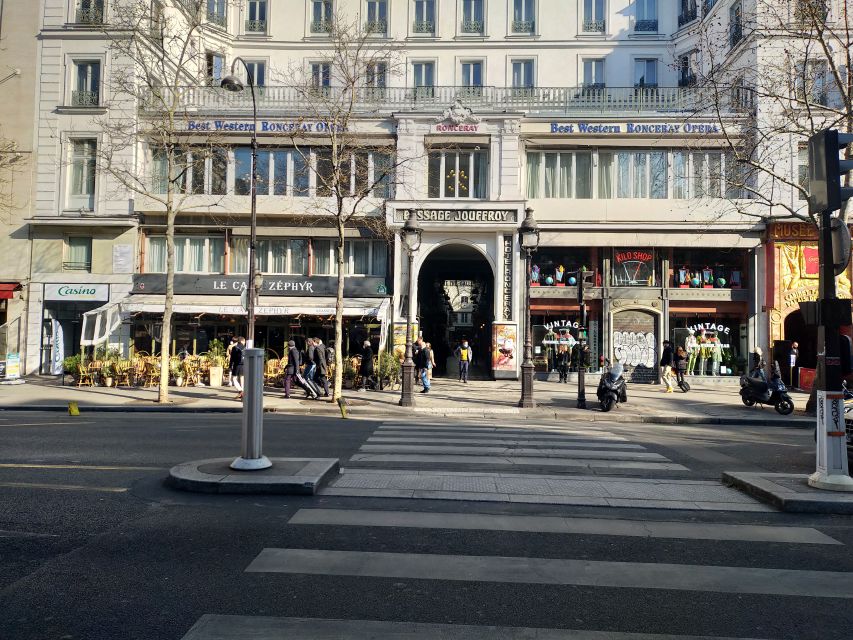
Paris has a roofed shopping secret. In a quick 90 minutes, I love how this walk threads together covered passages you’d miss on your own, with photo-friendly details like the glass-and-iron framework at Passage Jouffroy. I especially like the stop at Galerie Vivienne, a neoclassical passage now treated like a national monument, where luxury boutiques sit under an elegant roofline.
The tour also shines because the route is practical: you get multiple famous-but-underappreciated arcades in one shot, plus a local guide who points out what’s worth your time and camera. One drawback to plan for is that it runs rain or shine, so you’ll be walking through narrow, slick-feeling corridors if the weather turns.
In This Review
- Key things to look forward to
- A roofed Paris route in 90 minutes
- Where to meet and how to start without stress
- Galerie Vivienne: a national monument where shopping feels historic
- Passage Choiseul: the sunlit shops and the tiled-floor moment
- Passage des Panoramas: the first covered walkway in Paris
- Passage Jouffroy: narrow, glass-and-iron, and built for photos
- Passage Verdeau: antiques and vintage curios as the finale
- The optional Seine cruise: a smooth add-on to the same trip
- Price and value: why $42 can be a smart use of time
- Who this tour suits (and who might want a different plan)
- Practical tips for better photos and calmer browsing
- Should you book the Paris covered passages walking tour?
- FAQ
- How long is the Paris Covered Passages Walking Tour?
- How much does the tour cost?
- Where do I meet the guide?
- Is the tour in English?
- Does the tour run in rain?
- What should I bring?
- Is there an optional Seine river cruise upgrade?
- Is the tour wheelchair accessible?
Key things to look forward to
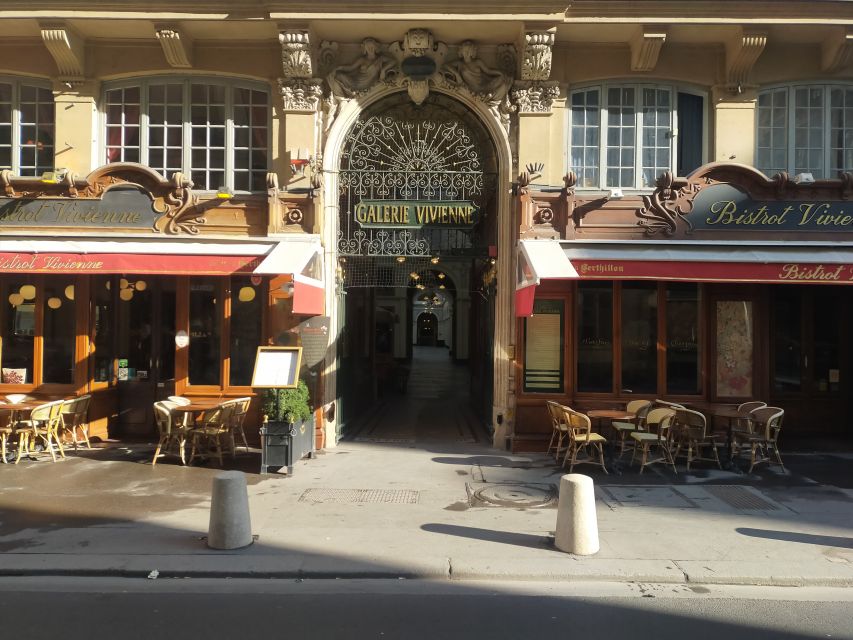
- Galerie Vivienne (since 1823): a neoclassical passage with national-monument status and luxury shops
- Passage Choiseul’s sunlit roof: long, glass-covered shopping with an ornate tiled floor you’ll want to look down at
- Passage des Panoramas’ old-world architecture: the first covered walkway in Paris
- Passage Jouffroy’s glass-and-iron look: a strong photo stop, plus a wax museum inside
- Passage Verdeau for antiques and vintage: a fitting finale with dealers and curio browsing
- Optional narrated Seine cruise: you can add it and use it later within a year of your tour date
A roofed Paris route in 90 minutes
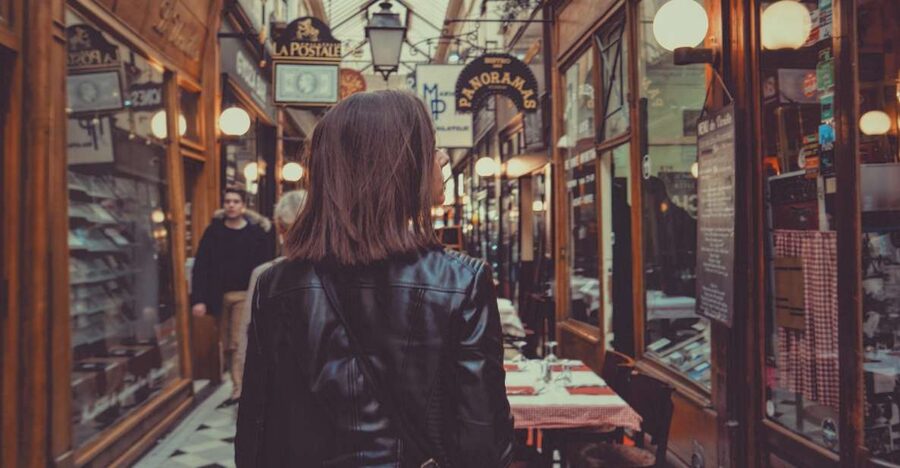
This is one of those tours that feels like a time-saver without feeling rushed. You’re not just walking past shopping. You’re walking through Paris-style architecture that was built to make daily life nicer: covered streets for shopping and eating, with light filtering down from above.
What I like most is the pacing. At 90 minutes, you can get the highlights, learn what makes each passage distinct, and still have energy left to keep exploring afterward. If it’s your first day in Paris, it’s a smart way to get oriented because you’ll come away with a mental map of how these arcades connect to the city.
And yes, you get plenty of built-in photo moments. Passage Choiseul is bright under its glass roof, and Passage Jouffroy gives you that classic view of ironwork and panes that look sharp in almost any weather.
Worth weighing up next to this Paris pick
- Paris Top Sights Half Day Walking Tour with a Fun Guide
★ 5.0 · 2,893 reviews - Montmartre Hidden Gems and Scenic Highlights Walking Tour
★ 5.0 · 2,684 reviews - Montmartre Hill French Gourmet Food and Wine Tasting Walking Tour
★ 5.0 · 2,588 reviews - Paris: Montmartre Highlights Walking Tour with a Local Guide
★ 4.9 · 2,318 reviews
Where to meet and how to start without stress
You’ll meet your guide in front of the Basilica of Notre-Dame des Victoires, with the guide holding an orange sign that says ExperienceFirst. The tour starts from the general area of Place des Petits Pères, and then you’re off on foot to the covered passages.
This matters because it helps you avoid the common problem of wandering around looking for the entrance to the next passage. With a guide steering you, you can focus on the details: the rooflines, the floors, and the little clues that tell you what the passages were built for.
The tour runs in English and is designed for a live, local guide. If you’re the type who likes short, clear explanations that make a place easier to recognize later, you’ll probably feel at ease. Also, it’s rain or shine, so plan for wet sidewalks and bring comfortable shoes you can stand in for the full 90 minutes.
Galerie Vivienne: a national monument where shopping feels historic
Galerie Vivienne is where the tour locks in its “this is why covered passages matter” feeling. This is a neoclassical passage that has stood since 1823, and it’s now recognized as a national monument. That’s a big deal here, because it shifts the vibe from casual arcade browsing to something closer to walking through a preserved piece of Paris.
You’ll spend about 15 minutes there with the guide, and that time is used well. Instead of only naming stores, the guide helps you see the passage as architecture first—how the design channels light, and how the passage’s grandeur makes the shopping feel like part of the spectacle, not an afterthought.
You’ll also notice the kind of shopping that belongs in this setting. Galerie Vivienne is known for luxury boutiques, so if you like window-shopping, people-watching, and high-end interiors, this stop gives you a polished introduction. If your budget is more modest, that’s fine too. Even when you’re not buying, you’ll still get plenty out of the structure and the atmosphere.
Passage Choiseul: the sunlit shops and the tiled-floor moment
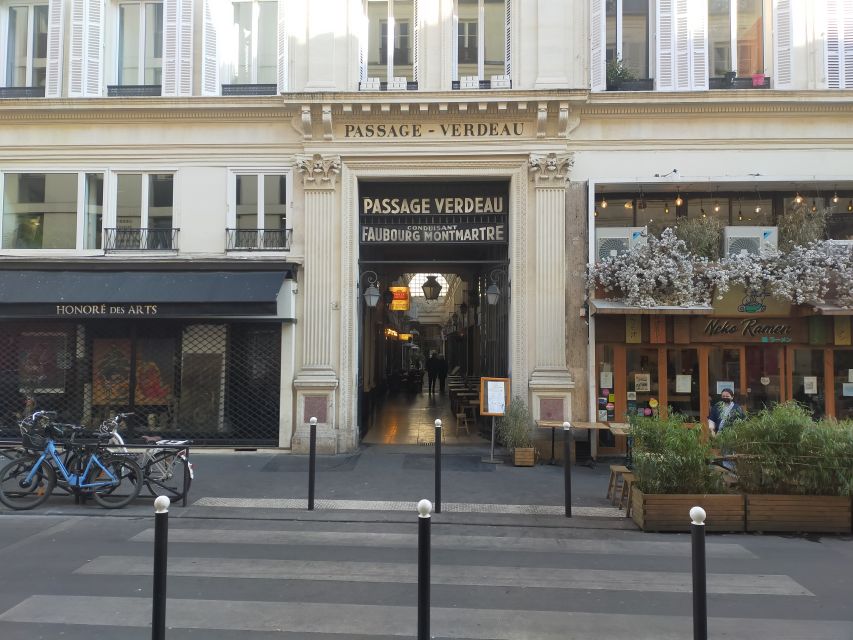
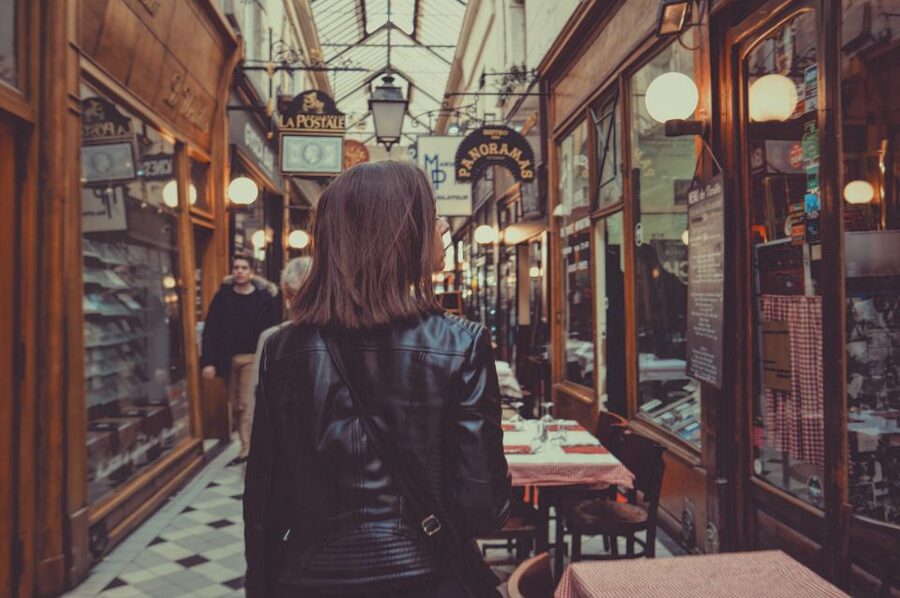
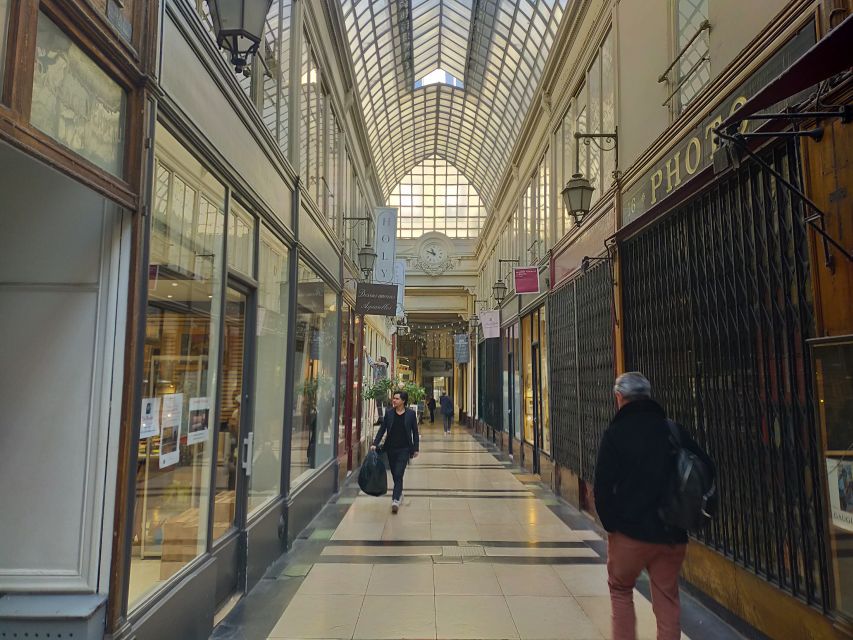
From Galerie Vivienne, the tour moves you into a passage that feels almost made for photos. Passage Choiseul stretches for about 600 feet, and it’s covered by a glass roof that creates a bright, airy walkway while keeping you protected from the elements.
Your guide’s focus here is practical: don’t just walk forward and glance up. Look down. The passage has an ornate tiled floor, and it’s one of those details you’d easily miss unless someone points it out. It’s also a great cue for your camera settings—bright rooflight and patterned tiles usually mean cleaner, more colorful photos than you’d expect inside.
There’s another reason this stop works well for most people: it’s easy to browse without feeling lost. The passage is designed for foot traffic. So even if you move at your own pace during the guided portion, you can still absorb what’s around you and then return for a quick solo wander afterward.
Passage des Panoramas: the first covered walkway in Paris
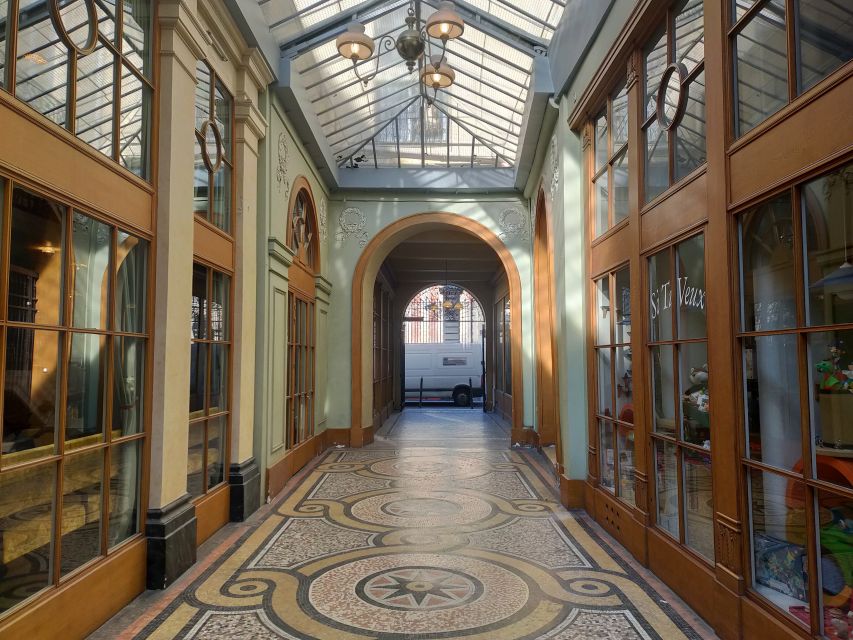
Next comes Passage des Panoramas, described as the first covered walkway in Paris, built over two centuries ago. That long timeline changes how you should look at it. You’re not just seeing “old architecture.” You’re seeing the early template of the Paris arcade idea—built to keep shopping going while sheltering people from weather.
The guide uses this stop to connect design to purpose. Why were these passages popular? Light mattered. Convenience mattered. And the arcade format let Paris mix street life with a more controlled interior experience.
This is also where I’d expect the tour to start feeling different from a pure “shopping walk.” The architecture and its age become the story, and the guide points out the parts that show up again and again in other passages: roof form, sightlines, and the way shops present themselves to passersby.
If you enjoy wandering with a purpose—looking for patterns in how buildings work—this is a good midpoint to appreciate what you’re seeing.
Passage Jouffroy: narrow, glass-and-iron, and built for photos
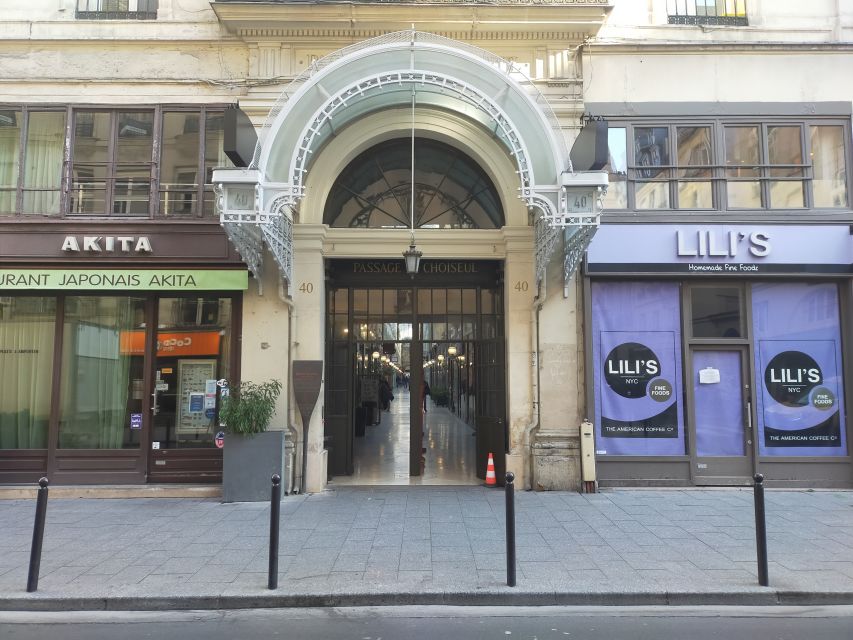
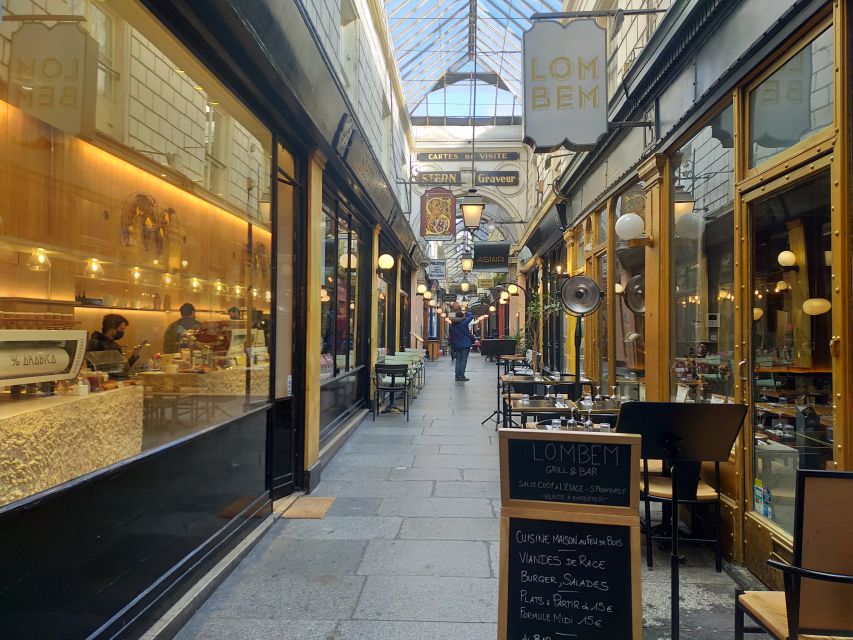
Passage Jouffroy is narrower than some of the others, and that makes it feel more intimate as you move through. You’ll see the classic combination of glass and iron accents, which gives it a crisp, structured look.
This is one of the easiest stops to enjoy right away, even if you don’t care about shopping. The simple framework makes for striking pictures. The guide’s explanations help you notice the elements that create that “airy but strong” look: metal lines, the way the glass separates the street from the sky, and how the passage frames the view as you walk.
There’s also a small surprise inside: the passage houses a wax museum. Even if you don’t plan to visit it, it helps explain how these passages weren’t only for commerce. They became locations for small attractions that kept people moving through the day.
If you like a stop that gives you both structure and a little curiosity, this is it.




Passage Verdeau: antiques and vintage curios as the finale
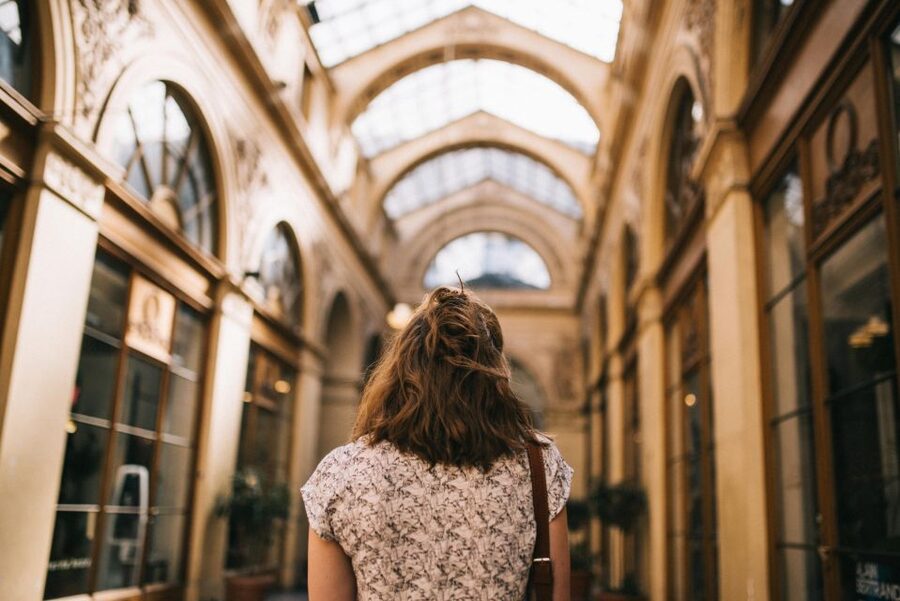
The tour ends at Passage Verdeau, where antique dealers and vintage curios line the pathway. This finale works because it turns what you’ve learned into a natural browsing moment. You’ve been studying architecture and history up to this point, and now you get the fun part: poking around for objects and textures.
This is the kind of place that rewards slow walking. Even if you’re not hunting for antiques, you’ll probably enjoy the visual variety—different sellers, different displays, and the overall “Paris by side-aisle” feel that covered passages are famous for.
It’s also a good place to decide what you want to do next. If something caught your eye earlier, Passage Verdeau can push you into a second round of exploring. And if you’re just happy to watch and snap a few photos, it gives you a satisfying send-off.
The optional Seine cruise: a smooth add-on to the same trip
If you upgrade, you get a narrated cruise on the Seine, linked to the covered passages experience. The cruise is optional, and it’s good for one year from your tour date, which is useful if you’re still planning your exact schedule when you book.
This matters because it helps you avoid the common problem of booking something on a specific day and then watching your plans fall apart. A cruise also pairs nicely with this tour’s theme. The covered passages give you Paris under glass roofs. The Seine gives you Paris in motion, with open views and skyline context.
Just keep in mind that the upgrade is separate from the walking tour experience itself. If you’re thinking of doing it, plan it like a second activity on another day rather than something you’ll automatically have time for right after your 90-minute walk.
Price and value: why $42 can be a smart use of time
At $42 per person for 90 minutes, this isn’t a budget “grab and go” tour. It’s priced like a focused, guide-led experience with multiple stops and meaningful context at each one.
Here’s how I’d think about value:
- You get several passages in one route instead of hunting entrances across the city.
- You receive guidance at each stop, which is what makes architectural details click.
- You also get options that extend the trip, like the Seine cruise upgrade.
If you’ve already visited big landmarks and you’re looking for a change of pace, this is a strong use of time. It’s also a good pick for travelers who don’t want the tour to turn into a long museum lecture. The passages are the show. The guide simply helps you notice what makes each one distinct.
Who this tour suits (and who might want a different plan)
This tour fits you best if you like architecture, short story stops, and “walkable curiosity.” It’s also a great option for a first trip when you want something different from the usual monument route.
I’d especially recommend it if you enjoy:
- taking photos that show architectural patterns
- discovering shopping streets you wouldn’t stumble into
- learning how buildings shaped everyday city life
One caution: the information you’re given is mixed on wheelchairs. The tour is marked as wheelchair accessible, but it’s also listed as not suitable for wheelchair users. If you use a wheelchair, confirm details before booking so you don’t get stuck with an unpleasant surprise.
Otherwise, bring your curiosity and your best walking shoes. Even when you’re inside, you’re still moving through narrow passage corridors for the full 90 minutes.
Practical tips for better photos and calmer browsing
Covered passages change the light fast, so quick phone-camera adjustments help. Passage Choiseul tends to be bright under the glass roof, while passages with tighter iron frameworks can look darker and sharper in contrast.
Also: don’t rush your look-down moments. The ornate tile floor at Passage Choiseul is the kind of detail you only notice if you slow down for a few seconds. Same idea with the glass-and-iron structure at Passage Jouffroy—step back, frame the ironwork, then move forward.
Finally, use the tour as your map. Once you’ve walked the route with a guide, you’ll be in a better position to return on your own for browsing, longer photo sessions, or a relaxed snack stop in a passage that felt right.
Should you book the Paris covered passages walking tour?
I’d book it if you want a guided way to see Paris at street level, but with architecture that still feels special. The stops are well chosen: Galerie Vivienne sets the historical tone, Passage Choiseul gives you bright, photogenic detail, Passage Jouffroy adds iron-and-glass drama, and Passage Verdeau ends with fun browsing energy.
If you hate walking in any weather, or you’re looking for a high-energy, performance-style show, this might feel more calm than you expect. But if you want an efficient, culture-forward walk that helps you notice Paris instead of just passing through it, this is an easy yes.
FAQ
How long is the Paris Covered Passages Walking Tour?
It lasts 90 minutes.
How much does the tour cost?
The price is $42 per person.
Where do I meet the guide?
Meet your guide in front of the Basilica of Notre-Dame des Victoires, and the guide will be holding an orange ExperienceFirst sign.
Is the tour in English?
Yes, the live tour guide speaks English.
Does the tour run in rain?
Yes, it takes place rain or shine.
What should I bring?
Bring comfortable shoes.
Is there an optional Seine river cruise upgrade?
Yes. You can upgrade to a narrated Seine river cruise, and it’s valid for one year from your tour date.
Is the tour wheelchair accessible?
The info provided says it is wheelchair accessible, but it also lists it as not suitable for wheelchair users. Check with the operator before booking to confirm conditions for your needs.
More Walking Tours in Paris
- Paris Top Sights Half Day Walking Tour with a Fun Guide
★ 5.0 · 2,893 reviews - Montmartre Hidden Gems and Scenic Highlights Walking Tour
★ 5.0 · 2,684 reviews - Montmartre Hill French Gourmet Food and Wine Tasting Walking Tour
★ 5.0 · 2,588 reviews - Paris: Montmartre Highlights Walking Tour with a Local Guide
★ 4.9 · 2,318 reviews - Paris Île de la Cité and Notre-Dame Walking Tour With Crypt
★ 5.0 · 2,272 reviews
More Tours in Paris
- Paris: Louvre Guided Tour with Reserved Access & Boat Cruise
★ 4.3 · 16,353 reviews - Paris: Big Bus Hop-On Hop-Off Tour with Optional Cruise
★ 4.4 · 13,279 reviews - Louvre Museum Masterpieces Guided Tour with Access
★ 4.5 · 12,023 reviews - Versailles: Skip-the-Line Tour of Palace and Gardens Access
★ 4.7 · 10,429 reviews - Paris: Louvre Overview, Exploration tour and Reserved Entry
★ 4.1 · 10,145 reviews
More Tour Reviews in Paris
- Paris: 1-Hour Seine Cruise departing from the Eiffel Tower
★ 4.4 · 77,472 reviews - Paris: Louvre Museum Timed-Entrance Ticket
★ 4.6 · 71,977 reviews - Disneyland® Paris 1-Day Ticket
★ 4.6 · 49,412 reviews - Paris: Versailles Palace and Gardens Full Access Ticket
★ 4.6 · 41,579 reviews - Paris: Arc de Triomphe Rooftop Tickets
★ 4.6 · 34,264 reviews
Fresh off the review desk in Paris
- Secrets of Paris Bike Tour in English or Dutch★ 5.0 · 5 reviews
- Paris: Mont Saint-Michel Day Tour with Chinese Tour Guide★ 5.0 · 5 reviews
- Private Street Art 2-Hour Guided Tour in Paris★ 4.5 · 5 reviews
- Orsay Museum Tour: 2h Highlights (Private & Small Group)★ 5.0 · 5 reviews
- Discover Paris in electric golf carts★ 4.0 · 5 reviews
- Paris Private Boat Tour with your own Captain Guide★ 5.0 · 5 reviews
Walking Tours, compared.
 ★ 5.0Paris Top Sights Half Day Walking Tour with a Fun GuideFrom $762,893 reviews
 ★ 5.0Montmartre Hidden Gems and Scenic Highlights Walking TourFrom $382,684 reviews
 ★ 5.0Montmartre Hill French Gourmet Food and Wine Tasting Walking TourFrom $1452,588 reviews
 ★ 4.9Montmartre Highlights Walking Tour with a Local GuideFrom $232,318 reviews
 ★ 5.0Paris Île de la Cité and Notre-Dame Walking Tour With CryptFrom $482,272 reviews
 ★ 4.8Montmartre Cheese, Wine & Pastry Guided Walking TourFrom $1272,255 reviews
 ★ 5.0Paris in a Day: Louvre or Orsay, Eiffel Tower, City Walk & CruiseFrom $1571,956 reviews
 ★ 5.0Paris City Center Free Walking Tour (Tip-Based)From $31,340 reviews