
Reviewed · PARIS PASTRY & MACARON CLASSES
Paris Croissant and Breakfast Pastry Class with a French Chef
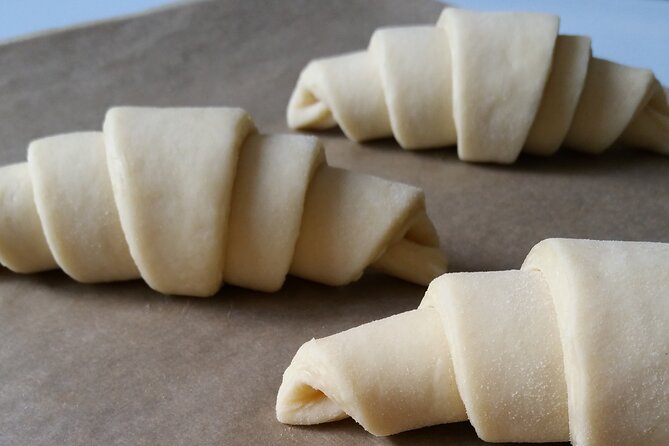
Buttery layers are hard to fake. This class turns croissant-making into a learnable, hands-on craft with a French pastry chef and a small group capped at six.
I like that you get proper professional technique in an approachable format, not just watching from the sidelines. I also like the practical payoff: you leave with freshly made croissants and pain au chocolat, plus the recipes and gear to try again later.
One thing to consider: croissants are timing-sensitive. Even though you bake during the session, the process relies on staged prep (croissant dough benefits from starting earlier), so you’re not doing every single long wait from scratch.
In This Review
- Key things I’d focus on before you go
- Why This Croissant Class Feels Worth It (Even Without a Baking Lab at Home)
- Getting to Patisserie a la Carte in Paris (And What to Wear)
- The Core Skills: Beurrage, Pâton, and the Turns That Create the Layers
- Feuilleter and La Pousse: Where Technique Meets Timing
- What You Bake: Classic Croissants and Pain au Chocolat (Thursday Twist Included)
- Instructor Quality and Small-Group Teaching (Why Names Matter Here)
- Price and Value: What $131.54 Buys You in Real Terms
- Who Should Book This (And Who Might Want a Different Class)
- Quick Expectations Check Before You Go
- Should You Book This Paris Croissant Workshop?
- FAQ
- How many people are in each class?
- How long is the croissant and pastry class?
- What pastries will I make?
- Is the class taught in English?
- Where does the class meet?
- What should I bring or wear?
- What’s the minimum age?
Key things I’d focus on before you go
- Small group (max 6) means you actually get hands-on time and feedback
- Real French technique names you’ll use: beurrage, pâton, feuilleter, and la pousse
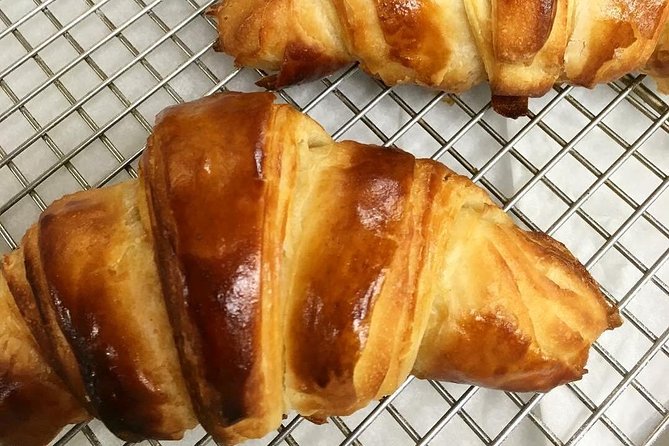
- You bake and eat while learning, not just a demo with no oven time
- Thursday special: bicolor croissants with chocolate pralin
- Take-home bags + recipes help you recreate the results after your trip
Why This Croissant Class Feels Worth It (Even Without a Baking Lab at Home)
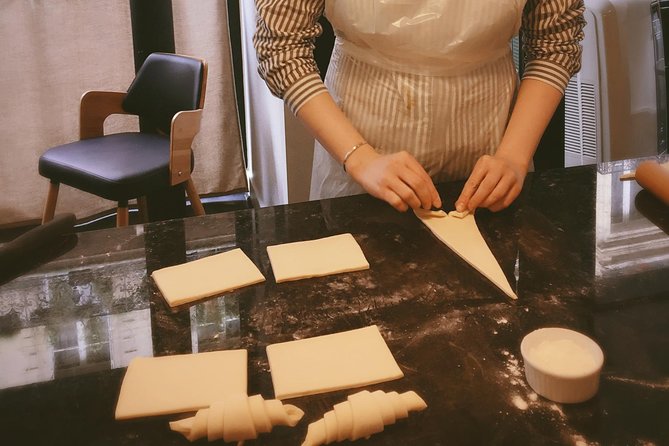
Croissant dough looks fancy, but the class approach is simple: break the work into repeatable steps, then practice those steps with guidance. You’ll work over about 3 hours, which is long enough to learn the process and bake, but short enough to fit a morning in Paris.
The key is how they handle timing. Croissants use layered, yeast-leavened dough, and that takes careful prep. The course does stages so you can enjoy your pastries at the end of the class, rather than spending the whole time waiting on proofing. You’ll still do important work during the session, but you’re not trying to force an entire multi-stage pastry schedule into one afternoon.
Also, the small group matters. With only six people, you’re not fighting for counter space or hoping a chef notices your question. You get demonstrations, then you do the steps, and you can ask why something didn’t work.
More aprons-on macaron and pastry classes
- Paris: Macaron Class at Galeries Lafayette
★ 4.2 · 1,196 reviews - Paris Croissant Small-Group Baking Class with a Chef
★ 5.0 · 910 reviews - Paris: French Croissant Baking Class with a Chef
★ 4.9 · 712 reviews - Paris Cooking Class: Learn How to Make Macarons
★ 5.0 · 634 reviews
Getting to Patisserie a la Carte in Paris (And What to Wear)
You meet at 9 Rue Thimonnier, 75009 Paris, and the activity ends back at the meeting point. It’s near public transportation, so you’re not stuck with a long walk after or before the class.
Plan for practical things. Wear comfortable, casual clothes and flat, comfortable shoes, and tie back long hair. This is real kitchen work with dough, butter, and flour—not a showroom.
If you’re running late, the class starts without delays for the late client: after about 5 minutes, they begin, and if nobody shows within 15 minutes the class may be canceled. That’s normal for a dough-based lesson where timing affects the bake.
The Core Skills: Beurrage, Pâton, and the Turns That Create the Layers
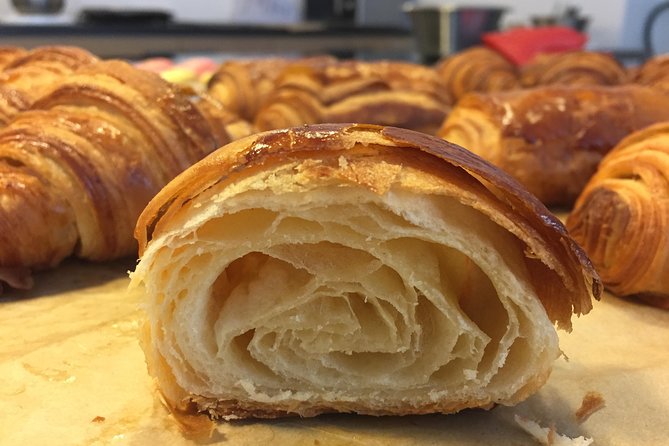
Croissant success is a butter-and-dough choreography. The class starts with the foundations: what beurrage is and how it changes the dough.
Here’s the language you’ll learn, in plain terms:
- Beurrage: adding butter to the dough that becomes the croissant dough base (the pâton)
- Pâton: the block of croissant dough after butter is folded in
- Turns: rolling and folding the dough repeatedly so it develops layered structure
This is the part many people get wrong at home. They either let the butter melt too much, they roll unevenly, or they rush the folds. In this class setup, you can feel how the texture should look and how the dough should behave as you roll and fold.
And because it’s hands-on with a chef, you’re learning process control, not memorizing recipes. That’s the difference between a tasty “sort of croissant” and something with crisp outside layers and a soft, tender interior.
Feuilleter and La Pousse: Where Technique Meets Timing
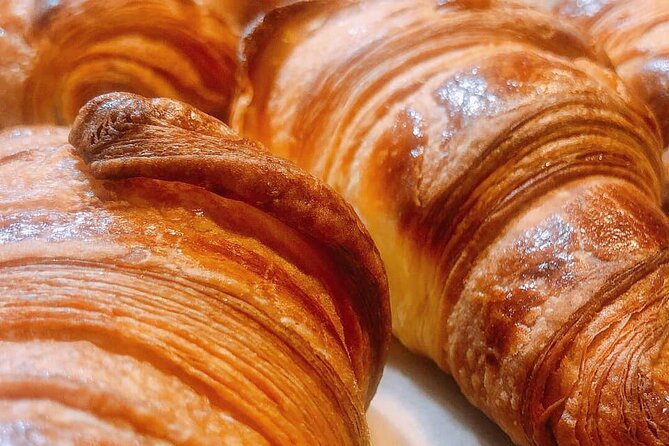
Once the butter is inside and you’ve done turns, the dough has to be transformed into thin layers. That’s where feuilleter comes in.
- Feuilleter (making it into leaves): enclosing butter in dough and folding/rolling to form thin, layered sheets
- La pousse: the fermentation and rising caused by yeast during proofing
If those sound like French baking terms you’ll ignore later, don’t. They’re the backbone of why your final croissant has structure instead of crumbling into bread. Feuilleter determines the number of layers you’ll get; la pousse influences how airy the crumb becomes.
A helpful detail from the class design: they do stages so you can still bake during the session. That means you practice the craft steps without needing to guess the timing perfectly from scratch.
If you’ve ever tried yeast dough and ended up with results that felt dense, you’ll appreciate learning how proofing is part science and part patience, not luck.
What You Bake: Classic Croissants and Pain au Chocolat (Thursday Twist Included)
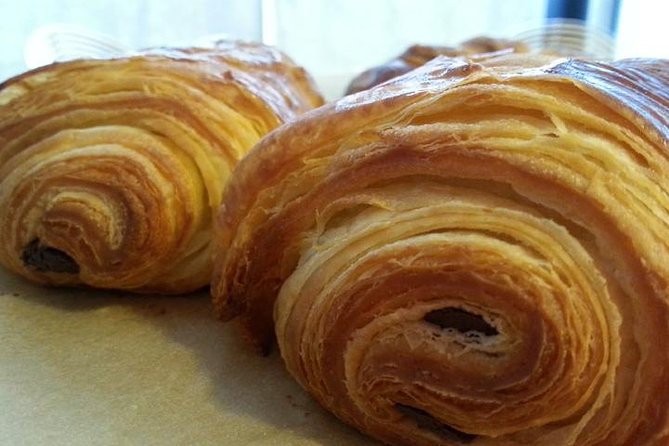
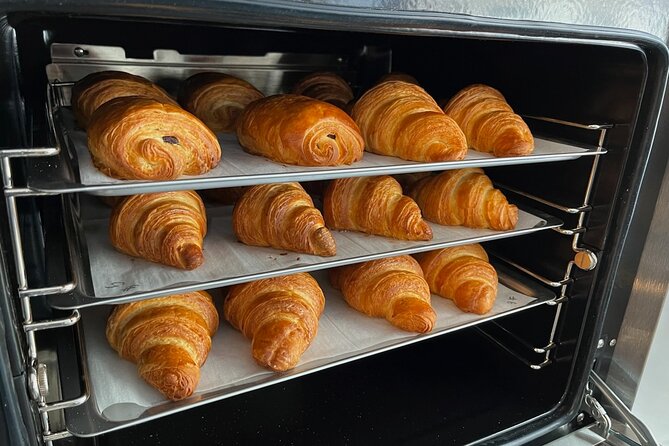
At the end of the session, you’ll bake classic croissants and pain au chocolat. The pain au chocolat step is especially satisfying because you can see the dough transform after shaping and proofing, then you get that chocolate payoff.
There’s also a Thursday variation. On Thursday morning classes, you make bicolor croissants filled with chocolate pralin. That’s a fun option if you’re looking for something a little different from the standard Paris croissant-and-coffee routine.
One more practical note: you don’t just leave empty-handed. You get take-home bags, and you’ll have tea and coffee during the class. Many people leave with a meaningful amount of pastry for later in the week, which is great because croissants are best fresh, not a “buy once and forget” souvenir.
Instructor Quality and Small-Group Teaching (Why Names Matter Here)
What makes this class work is the teaching style. The chefs running sessions are described as patient, step-by-step, and organized—exactly what you want when you’re rolling dough without experience.
In past sessions, instructors have included names like Julie, Marie, Gaëlle, Hibi/Hiba, Gail, and Mary. While you can’t assume which chef you’ll get on your exact date, the consistent point is clear: you should expect clear English instruction, demos first, then guided hands-on work.
This matters because croissants are technical. The chef doesn’t just say what to do; they explain what’s happening in the dough so you can adjust when something is too warm, too sticky, or too tight.
Worth weighing up next to this Paris pick

Price and Value: What $131.54 Buys You in Real Terms
At $131.54 per person for about 3 hours, this isn’t a cheap snack class. But croissants aren’t a casual craft. You’re paying for:
- a professional French pastry chef
- a maximum group size of 6
- hands-on equipment, aprons, and the work setup
- English recipe copy so you can repeat it later
- tea and coffee
- pastries you bake and can take home
- an anniversary bonus: an Everyday Gourmet French Tarts eBook
For me, the value logic is this: you’re buying the shortcut that usually costs time and failed batches. If you’ve tried laminated dough before, you know how many attempts it takes to learn dough behavior. If you haven’t tried it, you’re still learning the core mechanics with guidance, which increases your odds of getting results back home.
Who Should Book This (And Who Might Want a Different Class)

This class is a great fit if you want a real skill, not just a pastry break. It suits:
- first-timers who learn best by doing
- people who like detailed instruction and lots of questions
- anyone who wants to bring home more than a bite-sized souvenir
Croissants demand focus. Some learners find it “a lot of work” in a good way, especially if you’re new to dough handling. If you’re expecting a relaxed stroll with a snack at the end, this may feel like an actual kitchen session.
Also note the age requirement: 15 and up. Children must attend with a registered adult.
If you have allergies or special dietary needs, you should advise them when booking. You’ll also want to confirm what you can eat based on your needs, since laminated dough includes standard pastry ingredients.
Quick Expectations Check Before You Go
- You’ll learn technical terms like beurrage, pâton, turns, feuilleter, and la pousse, not just generic “bake until golden.”
- The class is timed for oven results, but croissant dough benefits from earlier prep stages. You’ll still do key steps during your session.
- Wear the right shoes and tie back hair; this is hands-on.
- Come ready to work with butter and dough for the full 3 hours.
Should You Book This Paris Croissant Workshop?
Yes, I’d book it if you want one of the most practical “Paris experiences” you can bring home: a repeatable technique, an actual pastry output, and a small-group setting where the chef can correct your process.
You might skip it if you’re short on time or you dislike hands-on cooking that involves rolling, folding, and careful timing. And if you’re hoping for a purely casual morning, this is likely more work than a typical food tour.
One smart way to decide: if you’ve ever wanted to try laminated dough and thought it looked intimidating, this class reduces that intimidation. With the step-by-step teaching and take-home recipes, you’re not just eating a croissant in Paris—you’re learning how to make the next one.
FAQ
How many people are in each class?
Each class is capped at a maximum of 6 participants, so you get personal attention.
How long is the croissant and pastry class?
The class runs for about 3 hours.
What pastries will I make?
You’ll make classic croissants and pain au chocolat. On Thursday morning classes, the menu includes bicolor croissants filled with chocolate pralin.
Is the class taught in English?
Yes. The class is offered in English, and you also receive an English copy of the recipes.
Where does the class meet?
The meeting point is 9 Rue Thimonnier, 75009 Paris, France. The class ends back at the same location.
What should I bring or wear?
Wear comfortable casual clothing and flat comfortable shoes. Long hair should be tied back. Aprons, equipment, and recipes are provided.
What’s the minimum age?
The class is for ages 15 and up. Children must attend with a registered adult (1 adult per child).
More Workshops in Paris
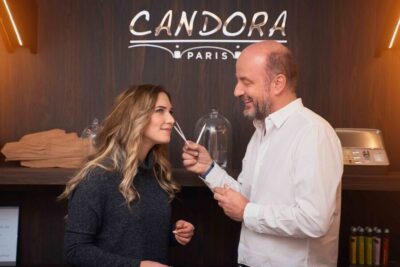
- Fragonard Paris: Mini Perfume Workshop
★ 4.5 · 1,924 reviews - Paris: Macaron Class at Galeries Lafayette
★ 4.2 · 1,196 reviews - Paris Cooking Class and Lunch with Wine plus Market Visit Option
★ 5.0 · 1,024 reviews - Paris Croissant Small-Group Baking Class with a Chef
★ 5.0 · 910 reviews - Paris: 2-Hour Perfume Creation Workshop
★ 4.8 · 731 reviews
More Tour Reviews in Paris
- Paris: 1-Hour Seine Cruise departing from the Eiffel Tower
★ 4.4 · 77,472 reviews - Paris: Louvre Museum Timed-Entrance Ticket
★ 4.6 · 71,977 reviews - Disneyland® Paris 1-Day Ticket
★ 4.6 · 49,412 reviews - Paris: Versailles Palace and Gardens Full Access Ticket
★ 4.6 · 41,579 reviews - Paris: Arc de Triomphe Rooftop Tickets
★ 4.6 · 34,264 reviews
More Macaron and Pastry Classes
- Paris: Macaron Class at Galeries Lafayette
★ 4.2 · 1,196 reviews - Paris Croissant Small-Group Baking Class with a Chef
★ 5.0 · 910 reviews - Paris: French Croissant Baking Class with a Chef
★ 4.9 · 712 reviews - Paris Cooking Class: Learn How to Make Macarons
★ 5.0 · 634 reviews - Paris: French Macaron Culinary Class with a Chef
★ 4.9 · 591 reviews
Fresh off the review desk in Paris
- Secrets of Paris Bike Tour in English or Dutch★ 5.0 · 5 reviews
- Paris: Mont Saint-Michel Day Tour with Chinese Tour Guide★ 5.0 · 5 reviews
- Private Street Art 2-Hour Guided Tour in Paris★ 4.5 · 5 reviews
- Orsay Museum Tour: 2h Highlights (Private & Small Group)★ 5.0 · 5 reviews
- Discover Paris in electric golf carts★ 4.0 · 5 reviews
- Paris Private Boat Tour with your own Captain Guide★ 5.0 · 5 reviews
Paris Pastry & Macaron Classes, compared.
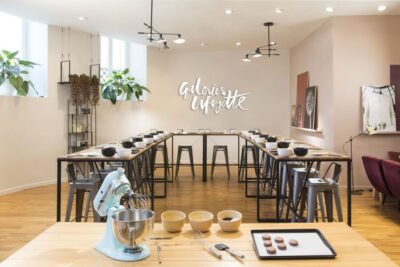 ★ 4.2Macaron Class at Galeries LafayetteFrom $691,196 reviews
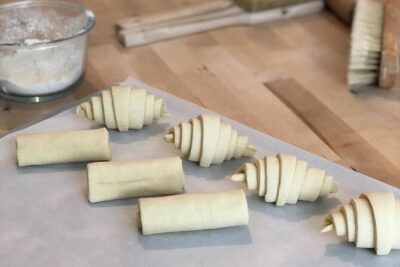 ★ 5.0Paris Croissant Small-Group Baking Class with a ChefFrom $157910 reviews
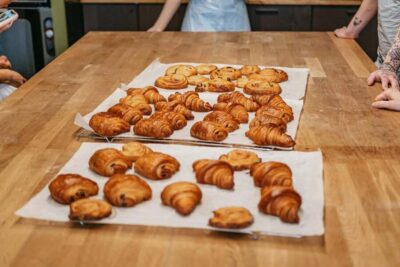 ★ 4.9French Croissant Baking Class with a ChefFrom $159712 reviews
 ★ 5.0Paris Cooking Class: Learn How to Make MacaronsFrom $156634 reviews
 ★ 4.9French Macaron Culinary Class with a Chef591 reviews
 ★ 5.0A Morning in Paris Food Tour: Croissants, Baguettes & ChocolateFrom $125556 reviews
 ★ 5.0Paris Chocolate, Macaron & Pastry Food Tour: 10 Gourmet TastingsFrom $118339 reviews
 ★ 5.0Paris Macarons Small-Group Baking Class with a ChefFrom $157316 reviews
Browse the lists this tour appears in