
Reviewed · PARIS PASTRY & MACARON CLASSES
Paris: Croissant Baking Class with a Chef
A warm, buttery smell hits first. Then you roll dough, fold butter, and make real croissants in Paris. This is a small-group, hands-on cooking class built around technique, not just watching someone else work.
I like that you get guidance from Chef Léo (and in some sessions, Chef Maria) with close help at each step. I also like the way the class mixes science and technique, so the results make sense, not just luck.
One possible drawback: croissant dough needs arm strength to roll and fold, and the process includes rests/proofing, so it’s not constant action the whole time. Also, the class has age rules.
In This Review
- Key things to know before you go
- Croissant class in Paris that’s more about technique than tricks
- Where Studio Pâtisserie is and how to get there fast
- Meet the chef: Chef Léo, plus the session vibe that helps you succeed
- The 3-hour flow: from dough and folds to shaping and baking
- 1) Getting set up and starting dough work
- 2) Folding and lamination practice
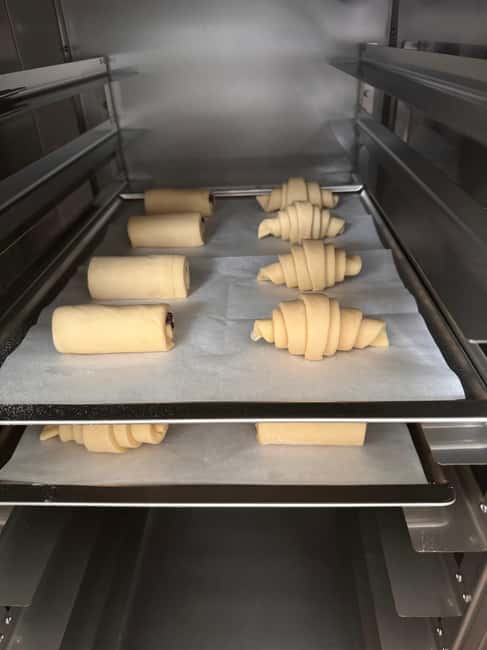
- 3) Rest and rise (where timing matters)
- 4) Cutting, rolling, and shaping crescents
- 5) Final baking and warm tasting
- What you learn about the science of better croissants
- Butter quality isn’t a detail
- Proofing is about timing and condition
- Resting affects how the dough behaves
- Shaping crescents: where beginners usually get nervous
- Hands-on baking in a pro kitchen: tools that make it easier
- The bi-color croissant option: fun visuals with real technique
- What you take home: recipe, pastries, and a reason to bake again
- Price and value: is $140 worth it?
- Who this croissant class suits best
- Age and physical requirements you should plan for
- Should you book this Paris croissant baking class?
- FAQ
- Where is the meeting point?
- How long is the croissant baking class?
- How big is the group?
- Is the class taught in English?
- What are the age requirements?
- What’s included in the price?
- Is there a bi-color croissant option?
- Is there free cancellation?
Key things to know before you go
- Small group of up to 8 means more hands-on coaching and fewer waiting turns.
- English instruction helps you catch the important details without guessing.
- You practice the real skills: dough prep, lamination (folding), shaping, and timing.
- The class includes history plus science, like butter quality and proofing.
- You can choose a bi-color croissant option on selected days for extra visual flair.
- Expect physical work: rolling and shaping dough takes effort.
Croissant class in Paris that’s more about technique than tricks
Paris croissants can feel like a magic trick. One bite and you assume it must be secret ingredients. This class shows the not-so-secret truth: good croissants are about control.
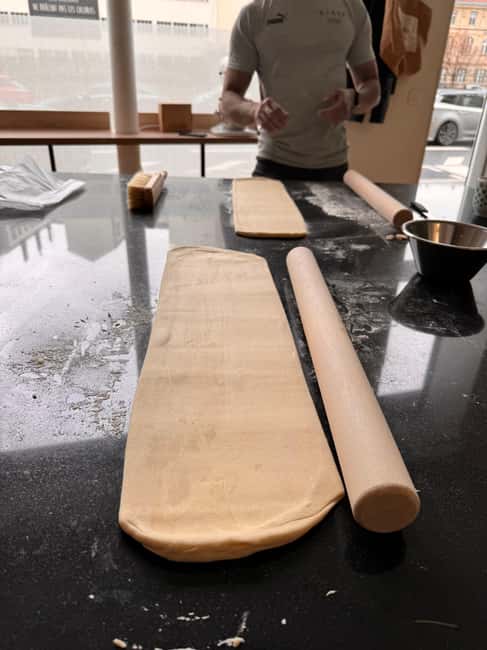
You’ll learn the core steps that make the layers happen: preparing the dough, working with a butter block, doing the right folds, and shaping crescents that bake up crisp and airy. You’re not just repeating a recipe. You’re learning what can go wrong and how to correct it while you work.
That’s where this class is strongest. The chef doesn’t just say do this, then do that. You hear why the butter quality matters. You get the logic behind rests and proofing. And you’ll get correction in real time when your dough needs attention.
More aprons-on macaron and pastry classes
- Paris: Macaron Class at Galeries Lafayette
★ 4.2 · 1,196 reviews - Paris Croissant Small-Group Baking Class with a Chef
★ 5.0 · 910 reviews - Paris: French Croissant Baking Class with a Chef
★ 4.9 · 712 reviews - Paris Cooking Class: Learn How to Make Macarons
★ 5.0 · 634 reviews
Where Studio Pâtisserie is and how to get there fast
You’ll meet at Studio Pâtisserie, in a building with a gray storefront. The location is built for tourists who want a smooth start, not a scavenger hunt.
The nearest metro stations listed are Metro Line 2 (Rome) and Metro Line 3 (Villiers). If you’re already moving around the city by metro, this makes the class easy to slot into your day without stress. Aim to arrive a bit early so you can settle in and get your apron on.
Meet the chef: Chef Léo, plus the session vibe that helps you succeed
This class is led by Chef Léo, in English, with personalized tips and tricks for achieving good results. Because the group is capped at 8 participants, you’re not lost in a crowd. You can ask questions and get direct help instead of generic advice.
What really matters for your success is how the chef teaches the hand skills. Croissants are fussy. If your butter is too warm or your folding is uneven, you feel it in the final texture. The chef’s job here is to guide your hands while you build confidence.
In some recent sessions, Chef Maria appears as the instructor too. Either way, the teaching style you’re looking for is the same: upbeat, hands-on, and focused on getting the process right.
The 3-hour flow: from dough and folds to shaping and baking
The class runs 3 hours, and the structure fits the reality of croissant dough. You can’t rush lamination or proofing. So the timeline has natural pauses, which is actually good. You’ll spend time learning each step instead of cramming everything into “bake now” panic.
Here’s the typical rhythm you’ll experience:
1) Getting set up and starting dough work
You gather around the workstation with the chef guiding you through the steps. You learn how to handle the dough without tearing it, how to work at the right pace, and how to recognize when it’s in the right condition.
2) Folding and lamination practice
Then comes the key part: the folding techniques that create those signature layers. This is the part where your hands do the learning. The chef stays close so you don’t build bad habits, and you adjust as you go.
Worth weighing up next to this Paris pick
3) Rest and rise (where timing matters)
As the dough rests and rises, you shift from “hands on every second” to “watch and learn the why.” This is where the class focuses on timing and conditions.
4) Cutting, rolling, and shaping crescents
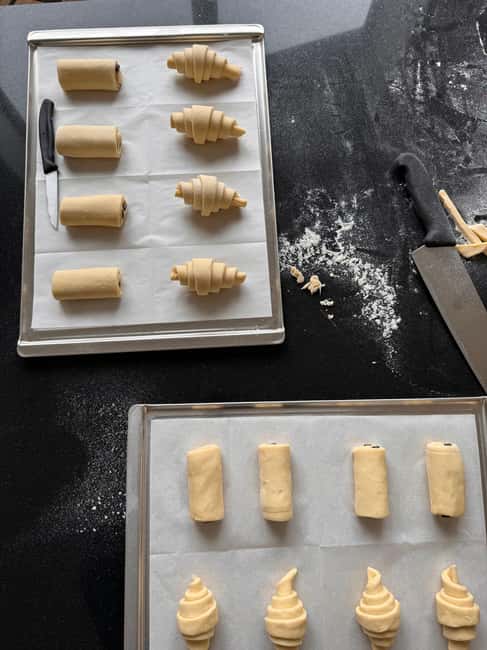
Once the dough is ready, it’s shaping time. You cut, roll, and form classic crescents under the chef’s watchful eye. This is where you get feedback on tension and neatness, and where your end product starts to look like what you came for.
5) Final baking and warm tasting
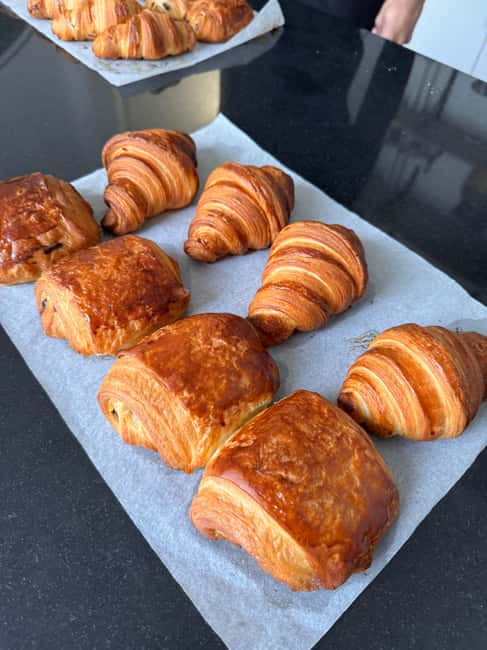
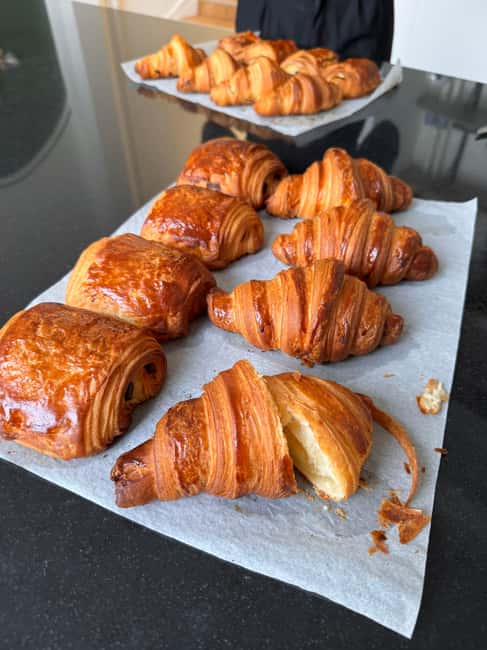
At the end, you get to sample freshly baked croissants from the batch you made. In practice, this is the payoff that makes the effort worth it.
What you learn about the science of better croissants
This class doesn’t treat croissants like a secret craft you either have or you don’t. It explains the science in plain language, tied directly to your hands.
A few of the lessons that matter most:
Butter quality isn’t a detail
The chef highlights the importance of butter quality. In croissant-making, butter is not just fat. It’s the texture builder for the layers. Better butter helps the lamination behave the way it should during rolling and baking.
Proofing is about timing and condition
You’ll learn that proofing isn’t just waiting. It’s about getting the dough to the right stage so it puffs correctly and bakes into a flaky structure. You’ll also hear how small shifts in timing and room conditions can affect the outcome.
Resting affects how the dough behaves
The dough rests for a reason: it relaxes and helps you work the layers without tearing or warming the butter out of the ideal temperature zone. If you’ve ever wondered why pastry teachers insist on patience, this is the moment it clicks.
The big value here is that the chef ties theory to what you’re doing. So you’re not memorizing concepts. You’re applying them.
Shaping crescents: where beginners usually get nervous
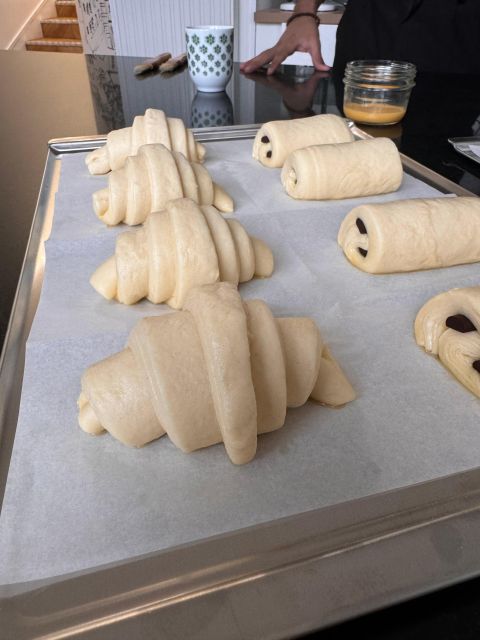
Shaping looks simple in photos. In real life, it’s the step where croissants can turn into weird pastries if your angles and tension aren’t right.
In this class, the chef teaches you how to handle the dough so the crescents come out consistent. You get guidance during cutting and rolling, plus help refining your technique so each piece has the right shape before baking.
This is one of the most confidence-building parts. Even if you’re not a baker, you can see progress quickly when someone is correcting you step by step.
Hands-on baking in a pro kitchen: tools that make it easier
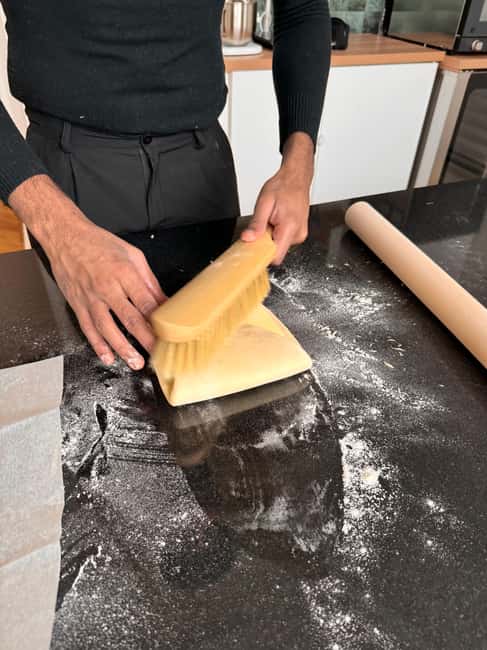
Croissant dough is fussy, and your results depend on working in the right environment. This class gives you access to professional-grade kitchen equipment and tools.
That matters more than it sounds. When you’re learning a technique for the first time, the setup should reduce friction. Better tools help you measure and handle dough more reliably, and that’s where beginner-friendly learning happens.
You’re also working in an intimate studio kitchen setting. The class is built for interaction, not for passive observation.
The bi-color croissant option: fun visuals with real technique
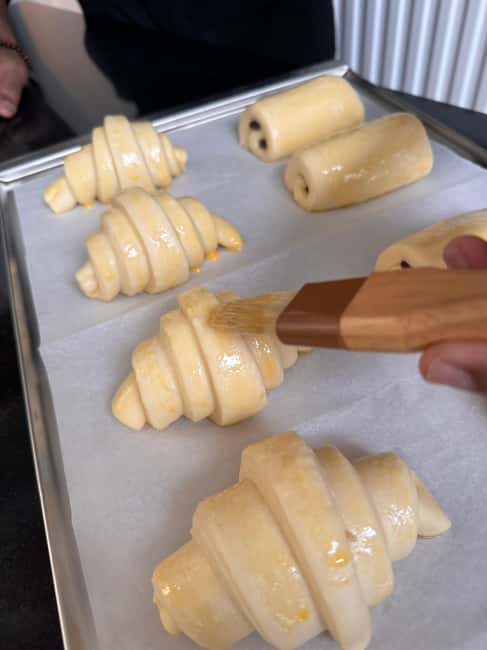
On selected days, there’s an exclusive bi-color croissant option. If you pick it, you learn how to incorporate colored dough into your croissants.
This isn’t just about making something pretty. It adds another skill layer to lamination and shaping, because you need the dough to stay workable and the structure has to hold up during folds and baking.
If you’re already curious about pastry craft and you like experimenting, this is the option worth seeking. It’s also a great choice if you’re bringing someone who enjoys a little theater in their food.
What you take home: recipe, pastries, and a reason to bake again
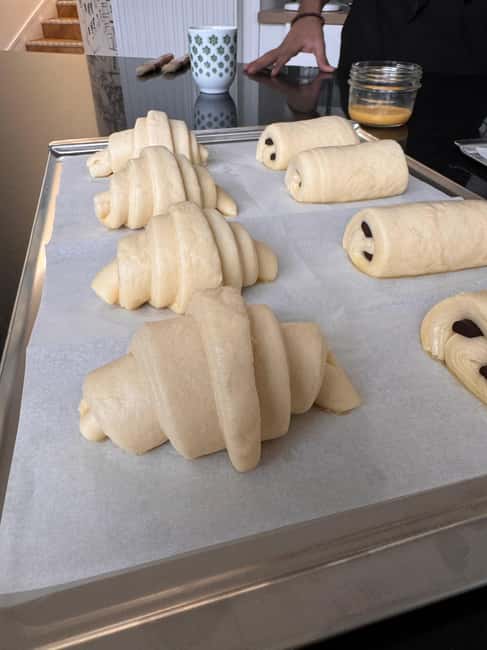
You’ll get a recipe to take home, plus the instructions and technique you need to try again later. That recipe matters because croissant-making is one of those crafts where small details change everything. Having a reference helps you repeat the process without guesswork.
You’ll also sample freshly baked croissants during the class. Many participants end up with a full batch they can take away, and several people describe leaving with a bag full of pastries (often a mix like regular croissants and chocolate variations).
Even if you don’t plan to bake again right away, the class gives you something practical: you’ll understand what to look for next time you try croissant-making at home. That’s the real souvenir.
Price and value: is $140 worth it?
$140 per person for a 3-hour class with a chef, ingredients, and pro tools doesn’t sound cheap. But you’re not just paying for a snack and a recipe.
Here’s where the value shows up:
- You’re paying for instruction while you work, not just for the ingredients.
- The group is small (up to 8), which means more time with the chef when your technique needs correction.
- You get professional kitchen equipment, which you’d never have at home while learning.
- You receive a take-home recipe plus history and science context, so it’s easier to repeat successfully.
If you love food enough to learn the method, not just eat the result, this is the kind of class that pays off. If your goal is only a quick taste of French baking, you might want something shorter or more casual.
Who this croissant class suits best
This class is ideal if you want an authentic Paris activity that’s hands-on and structured. You’ll feel it in the final product: your croissants won’t just be warm. They’ll be yours.
You’ll especially enjoy it if:
- You like cooking lessons where you do the work with guidance.
- You enjoy learning the “why” behind technique.
- You want a food activity that doesn’t depend on a restaurant reservation.
- You like small-group experiences where you can ask questions.
You might not love it if:
- You dislike physical tasks like rolling and shaping dough.
- You want a completely passive experience.
Age and physical requirements you should plan for
Croissant-making needs physical strength to roll out the dough. The class also has age limits: it’s not suitable for children under 15, and children under 17 must be accompanied by a paying adult.
So if you’re planning a family trip, double-check ages before you book. This is one of those “you’ll be working” classes, not a kid-watches-bakes-for-them setup.
Should you book this Paris croissant baking class?
Book it if you want a real skill, not just a souvenir pastry. The combination of small group size, Chef Léo’s hands-on coaching, and the mix of science plus technique makes the experience useful even after you leave Paris.
Skip it (or consider another option) if you’re looking for something very light on effort, or if you’re uncomfortable with the physical side of dough work.
If you’re flexible and you like the idea of taking home both the recipe and a batch of warm croissants, this is one of the more satisfying culinary classes in Paris.
FAQ
Where is the meeting point?
Meet at Studio Pâtisserie, in a building with a gray storefront. It’s near Metro Line 2 (Rome) and Metro Line 3 (Villiers).
How long is the croissant baking class?
The class lasts 3 hours.
How big is the group?
The class is a small group limited to 8 participants.
Is the class taught in English?
Yes. The instructor speaks English.
What are the age requirements?
The class is not suitable for children under 15. Children under 17 must be accompanied by a paying adult.
What’s included in the price?
You get expert guidance from Chef Léo, all necessary ingredients, access to professional-grade equipment, and a recipe to take home. You also have sampling of freshly baked croissants during the class, plus insights into the history and science of croissant-making.
Is there a bi-color croissant option?
Yes. There’s an exclusive bi-color croissant option on selected days, and it includes the bi-color ingredients and class.
Is there free cancellation?
Yes. You can cancel up to 24 hours in advance for a full refund.
More Cooking Classes in Paris
- Paris Cooking Class and Lunch with Wine plus Market Visit Option
★ 5.0 · 1,024 reviews - Paris Croissant Small-Group Baking Class with a Chef
★ 5.0 · 910 reviews - Paris: French Croissant Baking Class with a Chef
★ 4.9 · 712 reviews - Paris Cooking Class: Learn How to Make Macarons
★ 5.0 · 634 reviews - Paris Evening Cooking Class French Dinner and Market Visit Option
★ 5.0 · 430 reviews
More Tour Reviews in Paris
- Paris: 1-Hour Seine Cruise departing from the Eiffel Tower
★ 4.4 · 77,472 reviews - Paris: Louvre Museum Timed-Entrance Ticket
★ 4.6 · 71,977 reviews - Disneyland® Paris 1-Day Ticket
★ 4.6 · 49,412 reviews - Paris: Versailles Palace and Gardens Full Access Ticket
★ 4.6 · 41,579 reviews - Paris: Arc de Triomphe Rooftop Tickets
★ 4.6 · 34,264 reviews
More Macaron and Pastry Classes
- Paris: Macaron Class at Galeries Lafayette
★ 4.2 · 1,196 reviews - Paris Croissant Small-Group Baking Class with a Chef
★ 5.0 · 910 reviews - Paris: French Croissant Baking Class with a Chef
★ 4.9 · 712 reviews - Paris Cooking Class: Learn How to Make Macarons
★ 5.0 · 634 reviews - Paris: French Macaron Culinary Class with a Chef
★ 4.9 · 591 reviews
Fresh off the review desk in Paris
- Secrets of Paris Bike Tour in English or Dutch★ 5.0 · 5 reviews
- Paris: Mont Saint-Michel Day Tour with Chinese Tour Guide★ 5.0 · 5 reviews
- Private Street Art 2-Hour Guided Tour in Paris★ 4.5 · 5 reviews
- Orsay Museum Tour: 2h Highlights (Private & Small Group)★ 5.0 · 5 reviews
- Discover Paris in electric golf carts★ 4.0 · 5 reviews
- Paris Private Boat Tour with your own Captain Guide★ 5.0 · 5 reviews
Paris Pastry & Macaron Classes, compared.
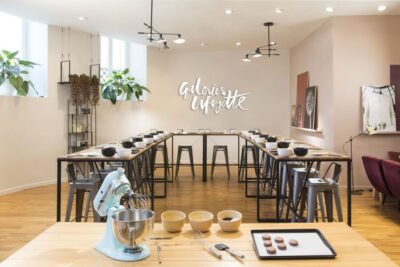 ★ 4.2Macaron Class at Galeries LafayetteFrom $691,196 reviews
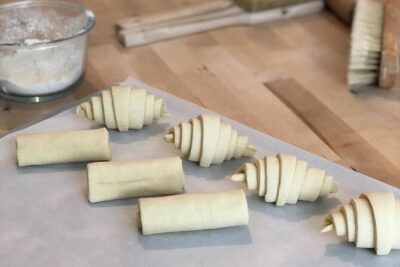 ★ 5.0Paris Croissant Small-Group Baking Class with a ChefFrom $157910 reviews
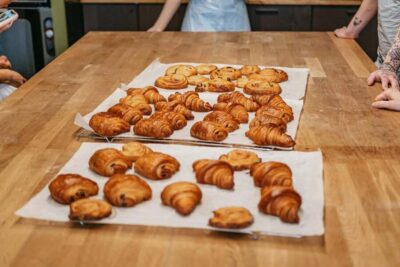 ★ 4.9French Croissant Baking Class with a ChefFrom $159712 reviews
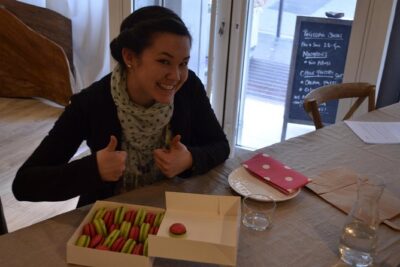 ★ 5.0Paris Cooking Class: Learn How to Make MacaronsFrom $156634 reviews
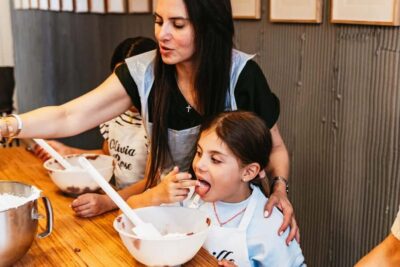 ★ 4.9French Macaron Culinary Class with a Chef591 reviews
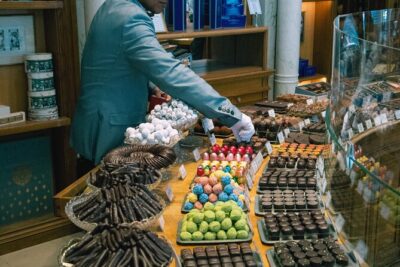 ★ 5.0A Morning in Paris Food Tour: Croissants, Baguettes & ChocolateFrom $125556 reviews
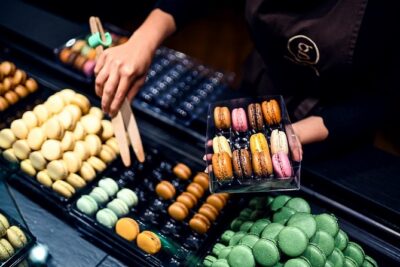 ★ 5.0Paris Chocolate, Macaron & Pastry Food Tour: 10 Gourmet TastingsFrom $118339 reviews
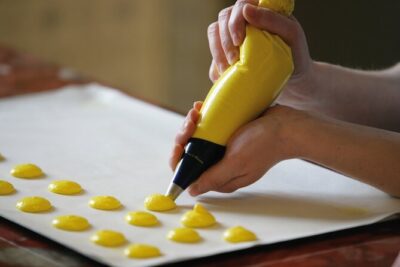 ★ 5.0Paris Macarons Small-Group Baking Class with a ChefFrom $157316 reviews
Browse the lists this tour appears in