
Reviewed · WALKING TOURS
Paris: Ghosts, Legends & Mysteries Evening Walking Tour
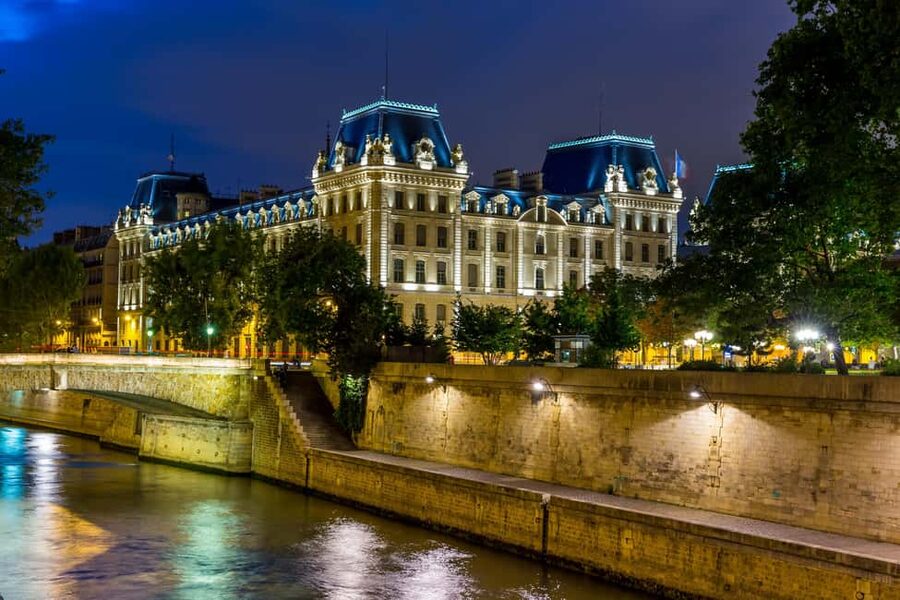
Paris at night has a darker heartbeat. This 2-hour walking tour threads that feeling through historic streets and real monuments tied to punishment, power struggles, and fear, with an English-speaking guide guiding the whole story. I like that it’s not just spooky vibes; it’s grounded in specific places tied to France’s violent past, including the Conciergerie area tied to Marie Antoinette. I also like the way guides like Natalie, Aya, Sophia, Rimi, and Ami bring the details to life with clear, often funny storytelling.
One thing to consider: this is a proper walking tour at night, and it’s not suited for wheelchairs, baby strollers, or baby carriages, and it’s also not listed as friendly for anyone needing special assistance.
If you want a different first-night plan, this works well: you’ll start at Pont Neuf, move through the Île de la Cité area, and finish near Hôtel de Ville—seeing Paris landmarks while you learn the grim side of how the city got to be the city you know.
In This Review
- Quick take
- Meeting at Pont Neuf: the easiest start point for a night walk
- Pont Neuf to Vert-Galant: why the air feels different near the Seine
- Passing the Louvre: a familiar landmark used as a contrast tool
- Saint-Germain-l’Auxerrois: the massacre context that makes the city’s dark side real
- Fontaine de la Croix-du-Trahoir: photo stop plus a guided story thread
- Fontaine des Innocents: a stop that changes how you read old Paris
- Saint-Jacques Tower: a historic vertical marker in the middle of dark stories
- The Conciergerie: the stop that turns legends into prison reality
- Île de la Cité and Palais de Justice: you end up in the heart of power
- Hôtel de Ville finish: a strong ending that keeps the night plan efficient
- Is the $15 price really good value here?
- Who should book this tour, and who might want a different one
- Should you book Paris Ghosts, Legends & Mysteries?
- FAQ
- How long is the Paris Ghosts, Legends & Mysteries Evening Walking Tour?
- Where do I meet, and what’s the nearest metro station?
- Is the tour offered in English?
- Which major sites are included on the tour?
- Can I bring a stroller or go with a wheelchair?
- Is there free cancellation?
Quick take
- Real sites, not just scares: torture-and-execution history tied to Paris landmarks
- Conciergerie stop: the prison story connected to Marie Antoinette
- Knights Templar fire at Vert-Galant: Place du Vert-Galant gets a dramatic historical context
- Dark Paris through guided narration: guides like Ami and Sophia are singled out for storytelling style
- Night + walking time: plan for a steady pace and sore feet if you’ve already logged miles that day
Meeting at Pont Neuf: the easiest start point for a night walk
The meeting spot is the equestrian statue of Henri IV in the middle of Pont Neuf, at the western end of Île de la Cité. It’s a central, easy-to-find landmark if you’re already orienting yourself around the Seine. If you’re using the metro, the nearest options listed are Pont Neuf (line 7) or Cité (line 4).
For the first few minutes, your guide usually sets the tone fast: what kind of stories you’ll hear, where you’re headed, and how dark history can overlap with everyday streets. Even if you’re not a “ghost tour person,” this start point helps because you begin where Paris feels like a true city—bridge to island, not “venue to venue.”
Worth weighing up next to this Paris pick
- Paris Top Sights Half Day Walking Tour with a Fun Guide
★ 5.0 · 2,893 reviews - Montmartre Hidden Gems and Scenic Highlights Walking Tour
★ 5.0 · 2,684 reviews - Montmartre Hill French Gourmet Food and Wine Tasting Walking Tour
★ 5.0 · 2,588 reviews - Paris: Montmartre Highlights Walking Tour with a Local Guide
★ 4.9 · 2,318 reviews
Pont Neuf to Vert-Galant: why the air feels different near the Seine
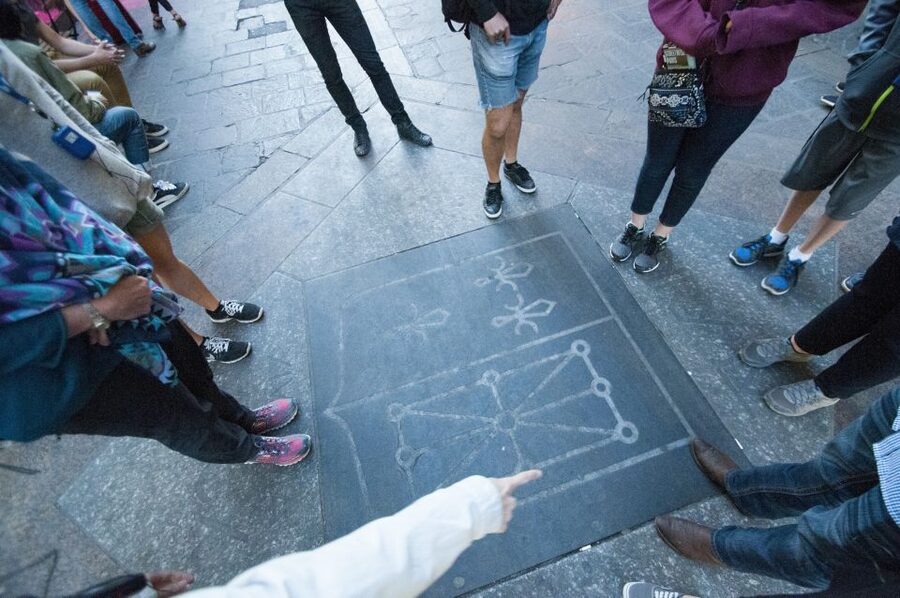
After Pont Neuf, you’ll head toward Square du Vert-Galant. This is where the tour leans into one of its most famous “dark legend meets history” threads: the Place du Vert-Galant connection to the last Knights Templar being burned at the stake.
Here’s what makes this stop valuable: it’s not a random “spooky corner.” Your guide connects the symbolism of power, punishment, and religious conflict to a specific location you can actually stand in. Paris has plenty of romantic bridges, but Vert-Galant has a completely different emotional memory—one of trials, verdicts, and the machinery of control.
If you don’t love violent history, you might still enjoy how the guide frames it as context. The stories here set up how people in earlier centuries understood crime, religion, and authority—and why fear spread so quickly through cities.
Passing the Louvre: a familiar landmark used as a contrast tool
On the way, you’ll pass the Louvre Museum. You’re not going inside, but the tour uses this “big daytime icon” as a contrast point. You’ll go from a world-famous art palace vibe to alleys and stone that carried a very different kind of weight.
This is a smart move for a night tour. It keeps you grounded in what you recognize, then steers you toward what you don’t usually notice. And it helps with pacing: a pass-by moment like this lets the group reset before you start another story-heavy stop.
Saint-Germain-l’Auxerrois: the massacre context that makes the city’s dark side real
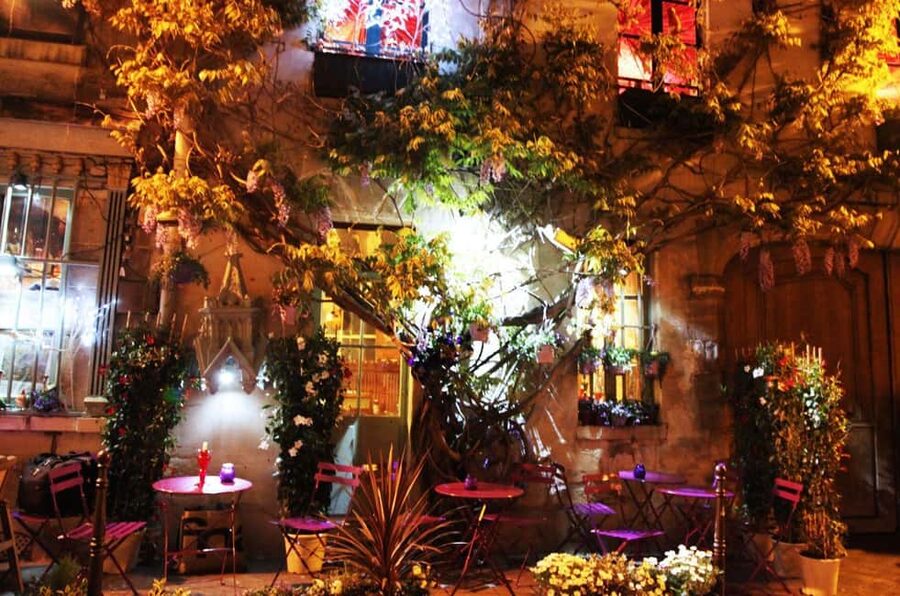
Next is Saint-Germain-l’Auxerrois, where you’ll get a guided tour. The headline story tied to this stop is the St. Bartholomew’s Day Massacre, with estimates saying about 30,000 people were killed.
This is one of those moments where the word “history” stops being a school topic. Your guide points out how political decisions and religious conflict played out in a city’s streets and institutions. When you hear numbers like that, it changes how you look at the surrounding buildings. You start noticing the scale of what was at stake and how quickly ordinary life could turn into danger.
A practical note: this part can feel intense because the topic is very heavy. If you’re sensitive to mass violence topics, you’ll want to mentally brace a bit before you get here.
Fontaine de la Croix-du-Trahoir: photo stop plus a guided story thread
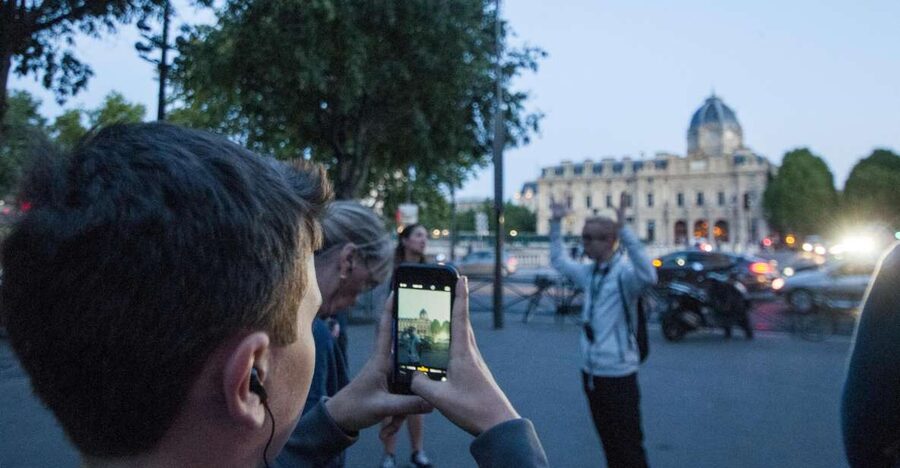
You’ll pause at the Fontaine de la Croix-du-Trahoir. It’s listed as a photo stop with a guided tour, which usually means you’re not just snapping pictures—you’re getting the meaning behind it.
This is a classic type of Paris stop: something small enough to miss during the day, yet important enough to carry a legend. Even without going into every grim detail, this fountain gives your guide a place to connect superstition, punishment, and public spectacle—how fear was sometimes made visible.
Expect the guide to talk while you look around. At night, these details can feel even more vivid because you’re seeing them in low light, when your brain fills in gaps faster.
Fontaine des Innocents: a stop that changes how you read old Paris
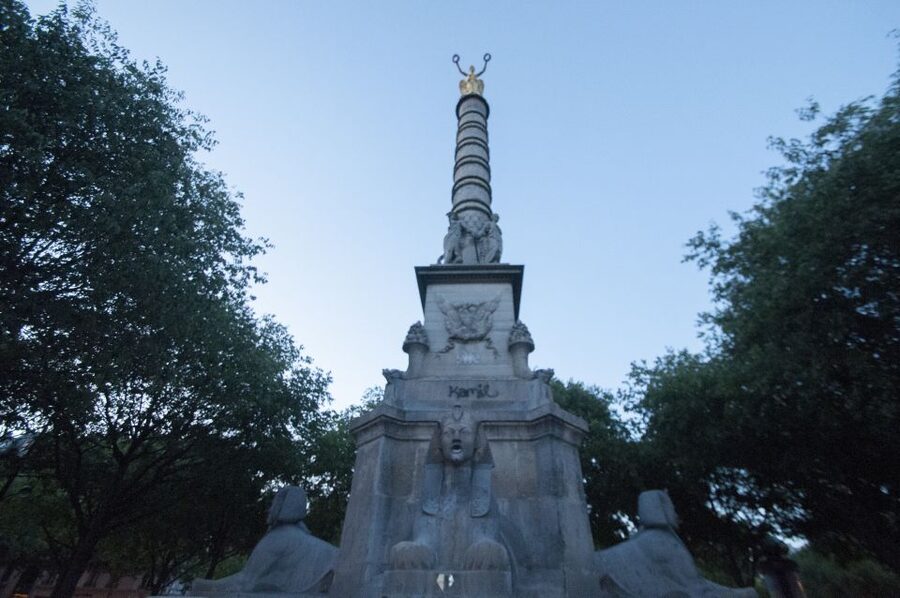
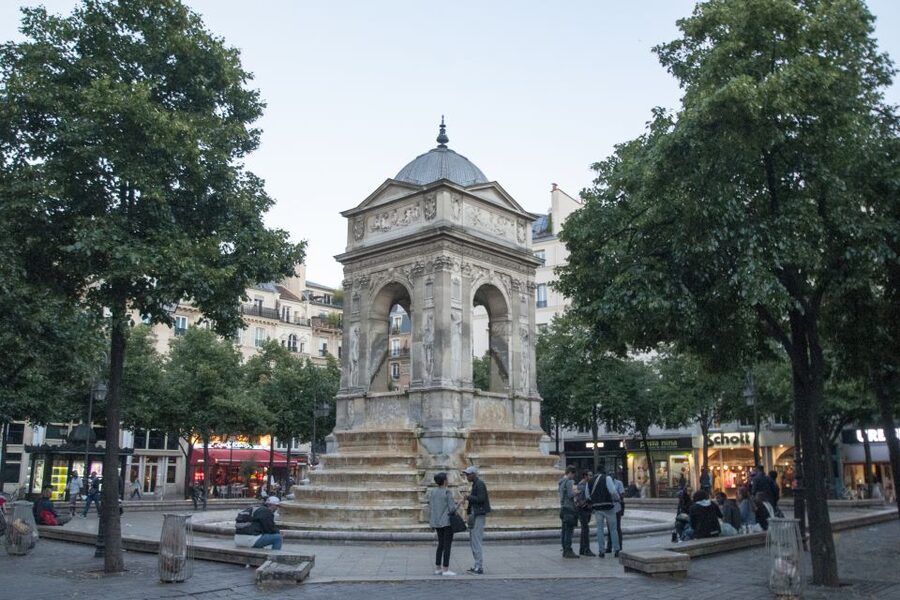
Another key visual is the Fontaine des Innocents, where you’ll visit. This is one of those locations that works well in a guided format: the stone and the setting are interesting, but what makes it a memorable stop is the story thread your guide attaches to it.
What I like about including a fountain stop in a “ghosts and legends” style tour is that it keeps the experience from becoming one-note. You’re learning how the city’s past gets written into public art and public spaces. You also get a pause from walking, which matters because this tour can leave you sore if your day already involved a lot of walking.
Worth weighing up next to this Paris pick


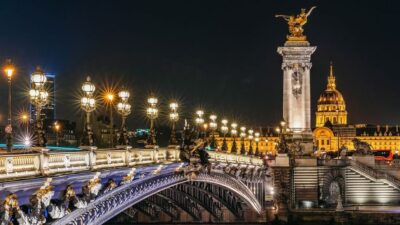
Saint-Jacques Tower: a historic vertical marker in the middle of dark stories
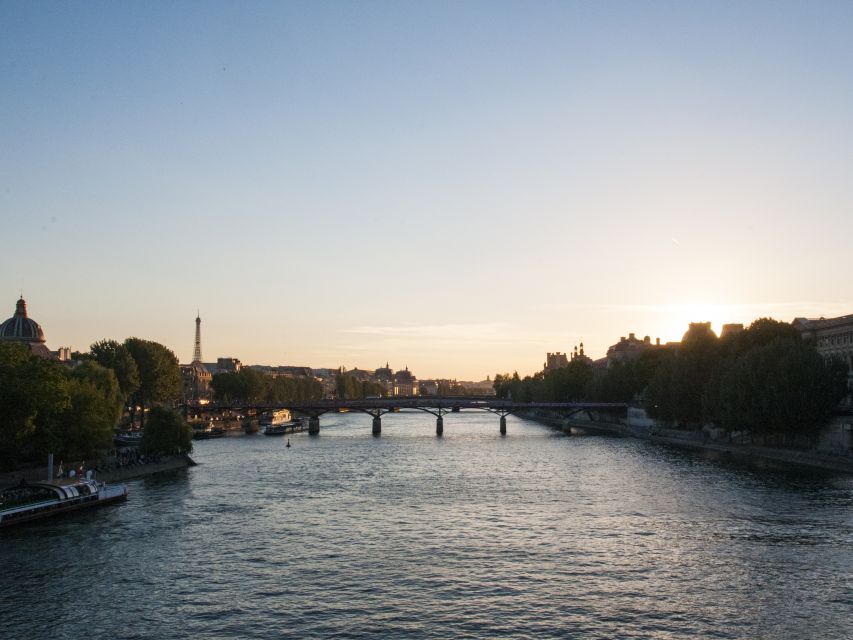
You’ll reach the Saint-Jacques Tower for a guided tour. A tower is helpful on a walking tour because it gives you a clear landmark. More importantly, it’s a strong “attention anchor” for the next set of narratives.
The tour’s overall theme includes themes like serial killers and ritual worship, along with major figures such as Napoleon Bonaparte and Henry IV. A place like Saint-Jacques Tower helps the guide connect those names and stories to physical geography—because Paris history isn’t only in books. It’s in the walls, the street grid, and the surviving shapes of buildings.
This is the kind of stop where you’ll get the best experience if you keep your phone away for a few minutes and listen. Taking photos is fine, but the value here is the guided explanation tied to the tower.
The Conciergerie: the stop that turns legends into prison reality
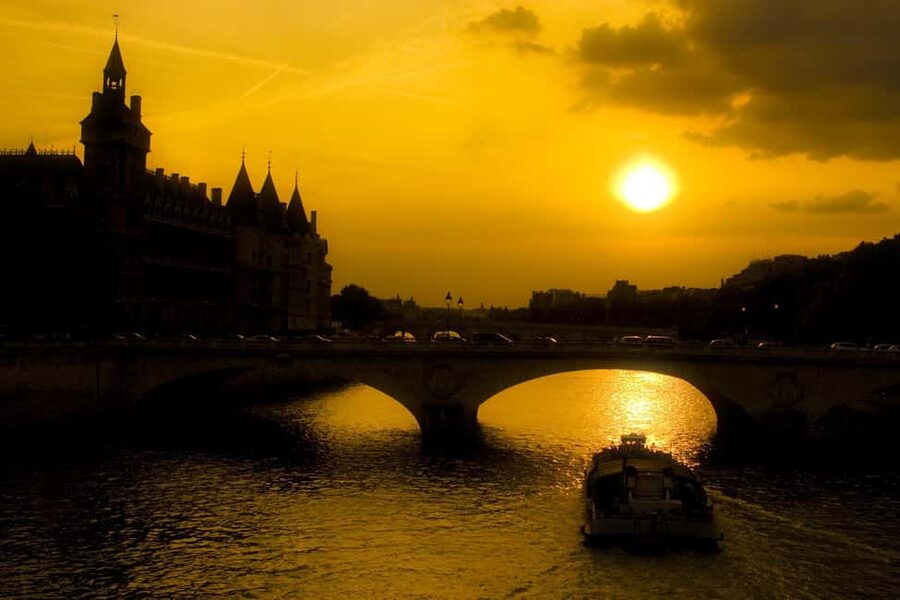
The tour then heads to the Conciergerie (listed as Hôtel de Concierge / Conciergerie area). This is one of the tour’s top highlights: it’s the place connected to Marie Antoinette’s imprisonment.
If you care about authenticity—seeing a real prison-adjacent space tied to famous figures—this stop is the payoff. Your guide’s job here is crucial: prison history can turn into vague “morbid storytelling” if you don’t get context. With a good guide, the site becomes a clear window into how the justice system worked, how people were held, and how political drama played out in stone corridors.
Also, this is where the tour’s title makes sense. It’s not just ghosts in the dark. It’s the city’s real machinery of fear and consequence—made tangible.
Île de la Cité and Palais de Justice: you end up in the heart of power
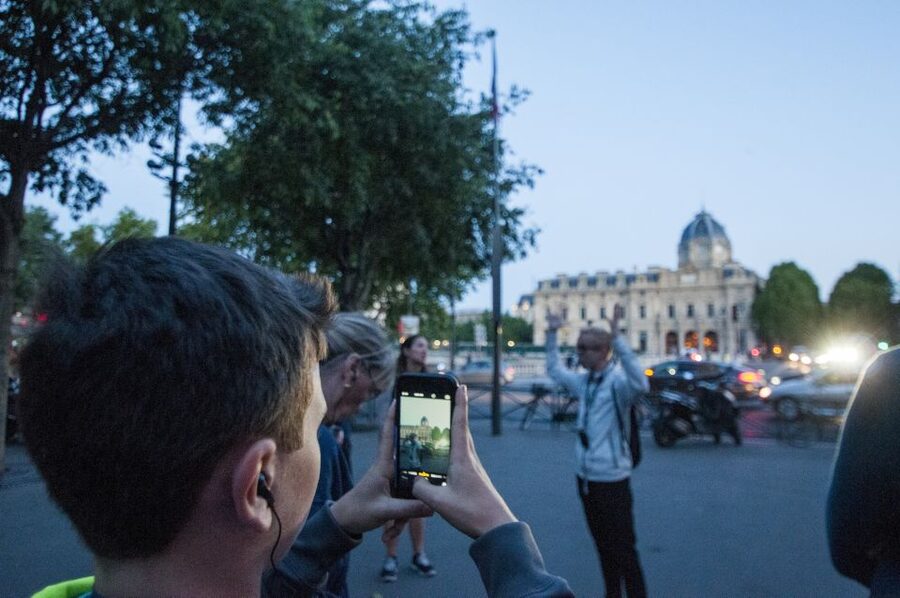
After Conciergerie, you’ll spend time in Île de la Cité, with a photo stop and a visit. Then you walk through the area near Palais de Justice (listed as walk/pass by).
This section matters because it’s the political and judicial center you can’t separate from the darker stories. When your guide talks about corruption, war against a monarchy, trials, and punishment, Île de la Cité is where the pieces click. You start to understand why the stories cluster here: it’s where decisions were made and where consequences were carried out.
Even if you don’t love scary themes, I think you’ll appreciate the “why here” feeling. Paris history is layered, and this is one of the places where you can still feel that layering in the layout.
Hôtel de Ville finish: a strong ending that keeps the night plan efficient
The tour finishes at Hôtel de Ville. It’s a fitting end point because you’re moving from a zone of trials and punishment toward a civic heart—still serious, but less enclosed than the prison-and-courthouse atmosphere.
If you’re thinking about your evening schedule, this ending location is helpful. You can usually pivot to dinner, a night stroll, or quick transit afterward without needing to backtrack across the city.
Is the $15 price really good value here?
At $15 per person for about 2 hours, the value is surprisingly strong, especially compared to the usual “pay more, see less” pattern. You’re paying for two things at once: an English-speaking guide and access to multiple guided stops in a relatively compact area.
You’re also getting a mix of landmark moments and story-heavy sites—Saint-Germain-l’Auxerrois, Fontaine des Innocents, Saint-Jacques Tower, and the Conciergerie connection to Marie Antoinette—plus pass-by moments like the Louvre. Even if you only remember a few key stories, you still come away with a different understanding of Paris than you’d get from daylight sightseeing alone.
Who should book this tour, and who might want a different one
This tour is a great fit if you want Paris with an edge: you’re okay with execution and massacre history, and you like the idea of standing in places that shaped fear and authority. It’s also a good “first night” option because it helps orient you around Île de la Cité and key monuments.
It’s not a great fit if you’re dealing with mobility limitations or you need a stroller or wheelchair support, since the tour is not able to accommodate those needs. It can also be a tough pick if you’ve already walked a ton that day—people note sore feet, and it’s still a real walking pace even though the stories keep you engaged.
Should you book Paris Ghosts, Legends & Mysteries?
I’d book it if you want Paris stories with locations attached—especially if Conciergerie and the St. Bartholomew’s Massacre context interest you. The consistent praise for guides like Ami, Natalie, Aya, Sophia, and Rimi points to what matters most on a tour like this: clear storytelling, good pacing, and an ability to keep a group following along.
I’d think twice if you’re sensitive to graphic themes or if your ideal evening is mostly seated and relaxed. Also, double-check your comfort level with a nighttime walking tour and uneven street areas.
FAQ
How long is the Paris Ghosts, Legends & Mysteries Evening Walking Tour?
It runs for 2 hours.
Where do I meet, and what’s the nearest metro station?
Meet at the equestrian statue of Henri IV in the middle of Pont Neuf at the western end of Île de la Cité. The nearest metro stations listed are Pont Neuf (7) or Cité (4).
Is the tour offered in English?
Yes. The tour is English-speaking.
Which major sites are included on the tour?
You’ll have guided visits and stops at places including Saint-Germain-l’Auxerrois, Fontaine des Innocents, Saint-Jacques Tower, and the Conciergerie, plus time around Île de la Cité and a pass by Palais de Justice. It also starts at Henri IV on Pont Neuf and finishes at Hôtel de Ville.
Can I bring a stroller or go with a wheelchair?
No. Baby strollers, baby carriages, and wheelchairs are not allowed, and it’s not able to accommodate guests with wheelchairs or impairments requiring special assistance.
Is there free cancellation?
Yes. You can cancel up to 24 hours in advance for a full refund.
More Walking Tours in Paris
- Paris Top Sights Half Day Walking Tour with a Fun Guide
★ 5.0 · 2,893 reviews - Montmartre Hidden Gems and Scenic Highlights Walking Tour
★ 5.0 · 2,684 reviews - Montmartre Hill French Gourmet Food and Wine Tasting Walking Tour
★ 5.0 · 2,588 reviews - Paris: Montmartre Highlights Walking Tour with a Local Guide
★ 4.9 · 2,318 reviews - Paris Île de la Cité and Notre-Dame Walking Tour With Crypt
★ 5.0 · 2,272 reviews
More Tours in Paris
- Paris: Louvre Guided Tour with Reserved Access & Boat Cruise
★ 4.3 · 16,353 reviews - Paris: Big Bus Hop-On Hop-Off Tour with Optional Cruise
★ 4.4 · 13,279 reviews - Louvre Museum Masterpieces Guided Tour with Access
★ 4.5 · 12,023 reviews - Versailles: Skip-the-Line Tour of Palace and Gardens Access
★ 4.7 · 10,429 reviews - Paris: Louvre Overview, Exploration tour and Reserved Entry
★ 4.1 · 10,145 reviews
More Tour Reviews in Paris
- Paris: 1-Hour Seine Cruise departing from the Eiffel Tower
★ 4.4 · 77,472 reviews - Paris: Louvre Museum Timed-Entrance Ticket
★ 4.6 · 71,977 reviews - Disneyland® Paris 1-Day Ticket
★ 4.6 · 49,412 reviews - Paris: Versailles Palace and Gardens Full Access Ticket
★ 4.6 · 41,579 reviews - Paris: Arc de Triomphe Rooftop Tickets
★ 4.6 · 34,264 reviews
Fresh off the review desk in Paris
- Secrets of Paris Bike Tour in English or Dutch★ 5.0 · 5 reviews
- Paris: Mont Saint-Michel Day Tour with Chinese Tour Guide★ 5.0 · 5 reviews
- Private Street Art 2-Hour Guided Tour in Paris★ 4.5 · 5 reviews
- Orsay Museum Tour: 2h Highlights (Private & Small Group)★ 5.0 · 5 reviews
- Discover Paris in electric golf carts★ 4.0 · 5 reviews
- Paris Private Boat Tour with your own Captain Guide★ 5.0 · 5 reviews
Walking Tours, compared.
 ★ 5.0Paris Top Sights Half Day Walking Tour with a Fun GuideFrom $762,893 reviews
 ★ 5.0Montmartre Hidden Gems and Scenic Highlights Walking TourFrom $382,684 reviews
 ★ 5.0Montmartre Hill French Gourmet Food and Wine Tasting Walking TourFrom $1452,588 reviews
 ★ 4.9Montmartre Highlights Walking Tour with a Local GuideFrom $232,318 reviews
 ★ 5.0Paris Île de la Cité and Notre-Dame Walking Tour With CryptFrom $482,272 reviews
 ★ 4.8Montmartre Cheese, Wine & Pastry Guided Walking TourFrom $1272,255 reviews
 ★ 5.0Paris in a Day: Louvre or Orsay, Eiffel Tower, City Walk & CruiseFrom $1571,956 reviews
 ★ 5.0Paris City Center Free Walking Tour (Tip-Based)From $31,340 reviews
Browse the lists this tour appears in