
Reviewed · WORKSHOPS
Paris gin making workshop in English
Big-bottle energy starts in a tiny copper pot. This Paris gin making workshop in English turns you into a mini distiller for about 2–2.5 hours, with a hands-on process, tastings, and the fun part: you leave with a 70cl bottle made from your own botanical choices. I especially like the small-group vibe and the direct guidance from the host, Charlotte, which makes the science feel doable.
Second, I love the way you get to taste different gins and learn the different styles before you lock in your own recipe. One drawback to plan for: this is not a sit-and-watch activity. If you want only passive sightseeing, this hands-on format may feel like work, not just fun.
In This Review
- Key Things I’d Prioritize Here
- Entering La Distillerie De L’Arbre Sec: Micro-Paris, Big Flavor
- The Workshop Flow in Plain English (and What Each Part Teaches)
- Gin History + Distillation Basics: Why This Isn’t Just Drinks
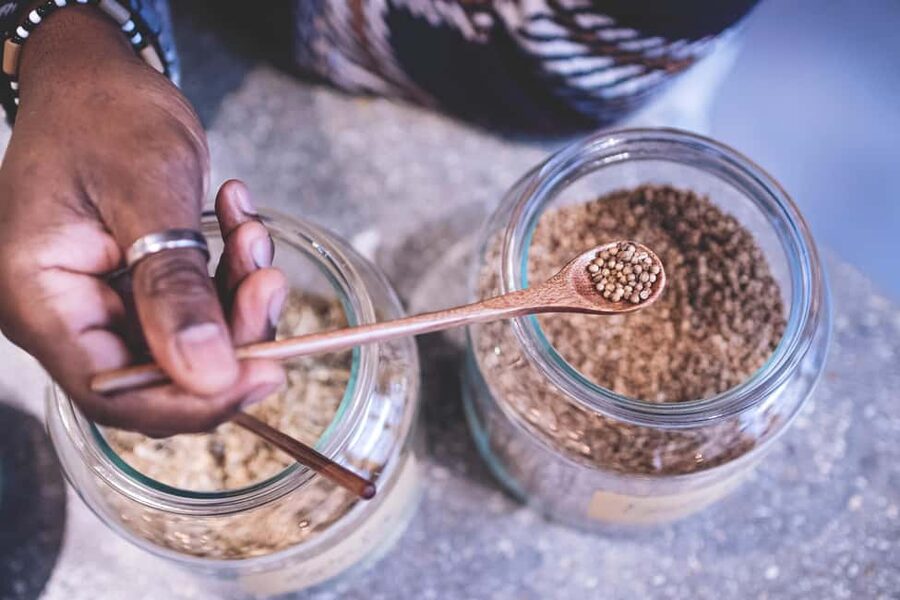
- Choosing Botanicals Like a Real Recipe: Your Mix, Your Balance
- The Tiny Copper Pot Still: The Hands-On Moment
- Taste Multiple Gins and Learn Styles Before You Commit
- Build a Balanced Final Recipe (with Expert Feedback)
- Customize the Label and Bottle 70cl: Why the Take-Home Matters
- Cocktails and Snack Breaks: Learning by Tasting, Not Just Watching
- Price and Value: Is $129 Fair for All This?
- Who This Paris Gin Workshop Fits Best (and Who Should Skip It)
- Quick FAQ for Planning Your Visit
- FAQ
- Is the gin making workshop taught in English?
- How long is the workshop?
- What group size should I expect?
- What do I get at the end?
- Are meals included?
- Where exactly should I meet?
- Who can’t take part?
- Should You Book It?
Key Things I’d Prioritize Here
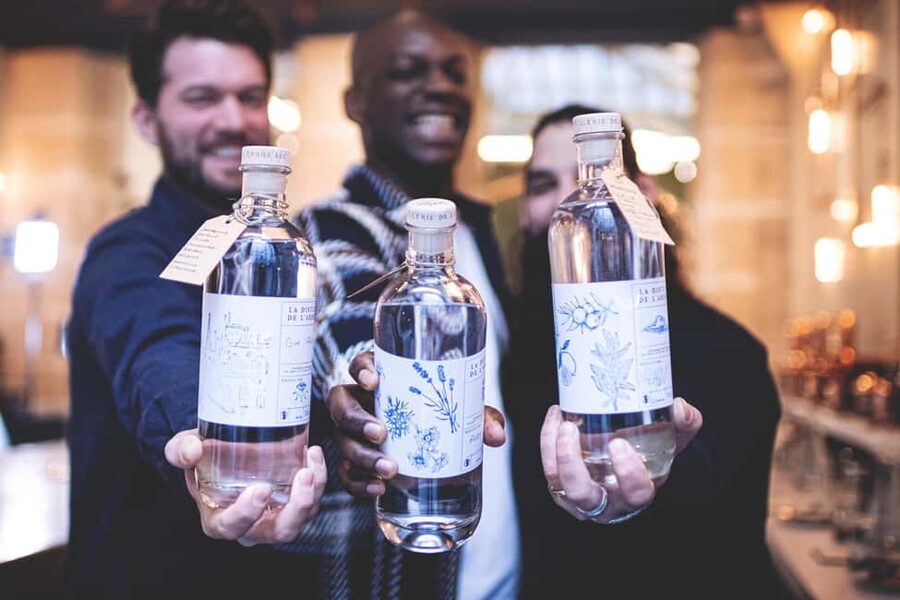
- You design the flavor by choosing your own plants, herbs, and spices before distilling
- You distill on a tiny copper pot still, not a giant automated setup
- You taste multiple gins and learn styles, so your recipe has context
- You craft your own label and leave with a full 70cl bottle to take home
- Small group, up to 8 people, which keeps the attention on you
- English instruction with a host who explains the process in plain terms
Entering La Distillerie De L’Arbre Sec: Micro-Paris, Big Flavor
The first thing you’ll notice is that this feels like a real working micro-distillery, not a theater show for tourists. The location is in central Paris, in the 52 area, and yes, the directions matter: look for the huge blue door. Once you go through, you go straight and the distillery is at the end of the courtyard.
Because it’s a micro spot, your time doesn’t get swallowed by long walks or big-city confusion. You’re there, you’re learning, and the clock moves quickly. It also helps that the group is limited to 8 participants, so you’re not shouting over a crowd while trying to understand how botanicals affect the final gin.
For me, that small-group attention is a big part of the value. You’re paying for a skill lesson plus an actual product you take home, not just a tasting.
Worth weighing up next to this Paris pick
- Fragonard Paris: Mini Perfume Workshop
★ 4.5 · 1,924 reviews - Paris: Macaron Class at Galeries Lafayette
★ 4.2 · 1,196 reviews - Paris Cooking Class and Lunch with Wine plus Market Visit Option
★ 5.0 · 1,024 reviews - Paris Croissant Small-Group Baking Class with a Chef
★ 5.0 · 910 reviews
The Workshop Flow in Plain English (and What Each Part Teaches)
This is about 2 hours on the schedule, and the workshop experience runs around 2.5 hours once you include the tasting and the finishing steps. The rhythm is simple: learn → choose → taste → distill → bottle → label.
Here’s how that usually plays out, in the order that makes the most sense for your brain:
1) Learn the history of gin and how distillation works
2) Taste different gins to understand style differences
3) Select your botanicals and build a recipe you can balance
4) Distill your mix on the tiny copper pot still
5) Create your label and bottle your gin (70cl)
What makes this more than a gimmick is that tastings happen before you commit. So when you start choosing botanicals, you’re not guessing. You’re making choices with your nose and palate already warmed up.
Gin History + Distillation Basics: Why This Isn’t Just Drinks
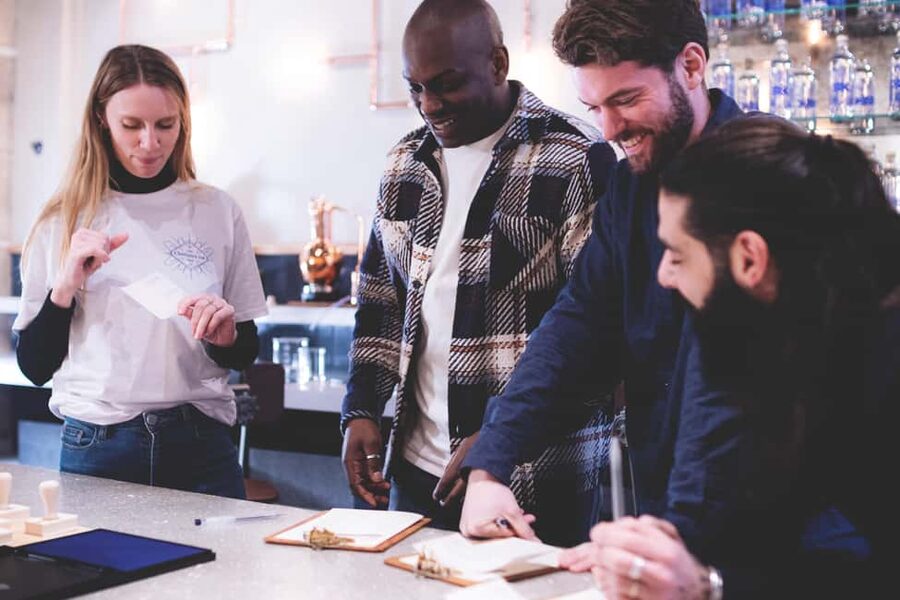
You start with the story of gin and the practical secrets of distillation. Expect a professional explanation of what distillation is doing, and why botanicals behave the way they do when heated and carried through the process.
This matters because gin isn’t only about ingredients. It’s about timing and balance: how strong aromatics come through, how clean or punchy the final spirit tastes, and how the “nose” of the gin leads the “flavor.” Even if you’re not trying to become a home distiller, understanding that logic helps you appreciate what’s happening when you sip.
Also, the host and distillers don’t treat you like a beginner who can’t handle concepts. The goal is to give you enough technical grounding that your recipe choices feel smart, not random.
Choosing Botanicals Like a Real Recipe: Your Mix, Your Balance
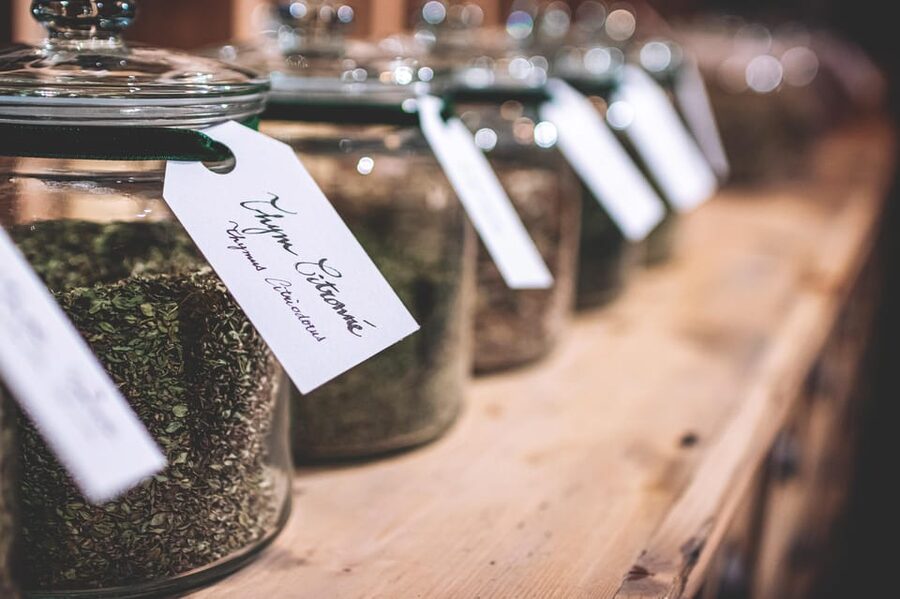
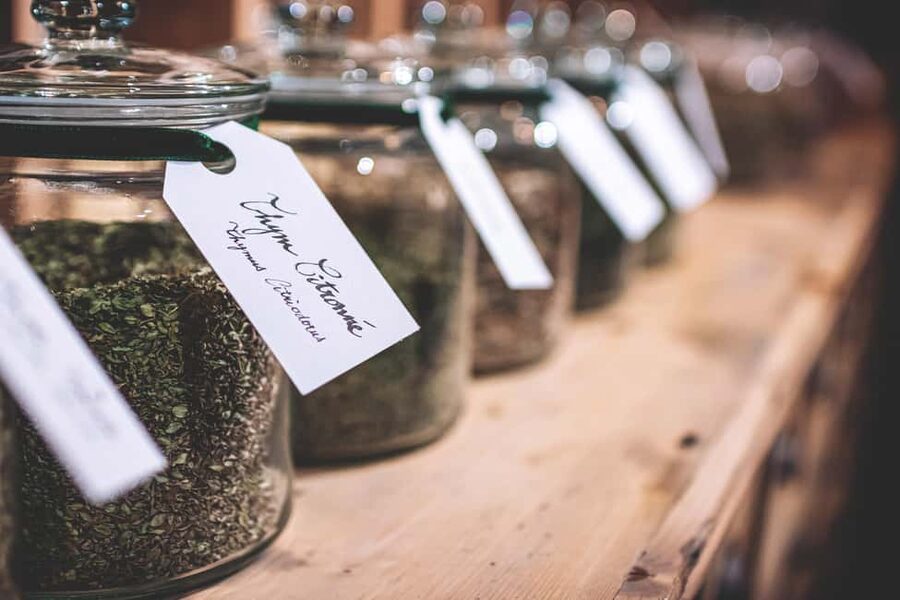
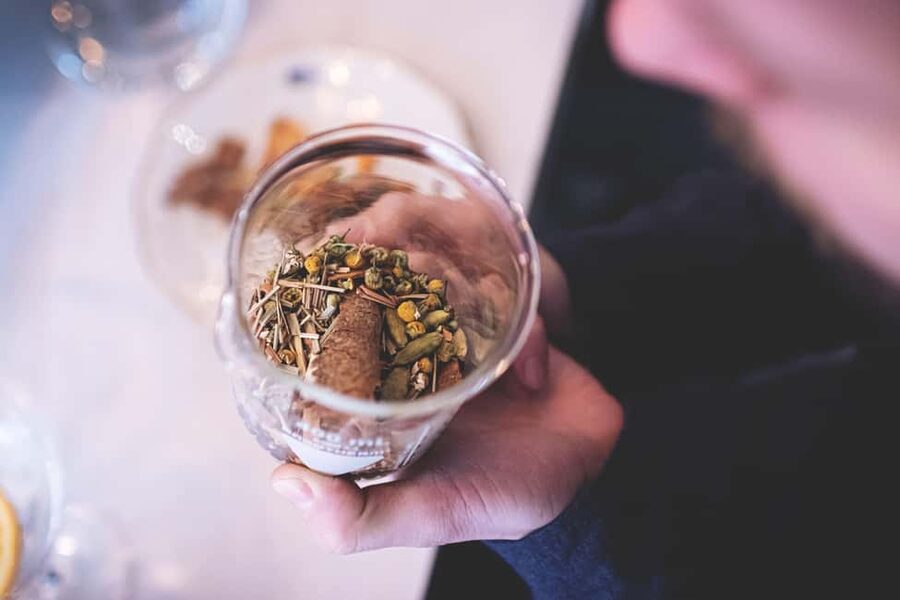
This is the part I think most people are quietly excited about, and it’s also where the workshop earns its keep. You get to choose plants, herbs, and spices yourself. Then you use those choices to fashion a unique recipe that becomes your gin.
You’ll likely get guidance as you build your botanical list, because a pile of “good-smelling stuff” doesn’t automatically equal a balanced gin. Botanicals vary in intensity. Some read bright and sharp. Others are more rounded or earthy. One selection can overpower the rest if you don’t pay attention.
That’s why this workshop includes both taste education and hands-on building. You’re not just playing with flavors. You’re learning the basics of how to balance them so your gin tastes intentional.
A small practical point: take your time with your choices. When the process moves, it moves. You’ll want to remember what you liked smelling and tasting earlier so your final blend feels like you.
The Tiny Copper Pot Still: The Hands-On Moment
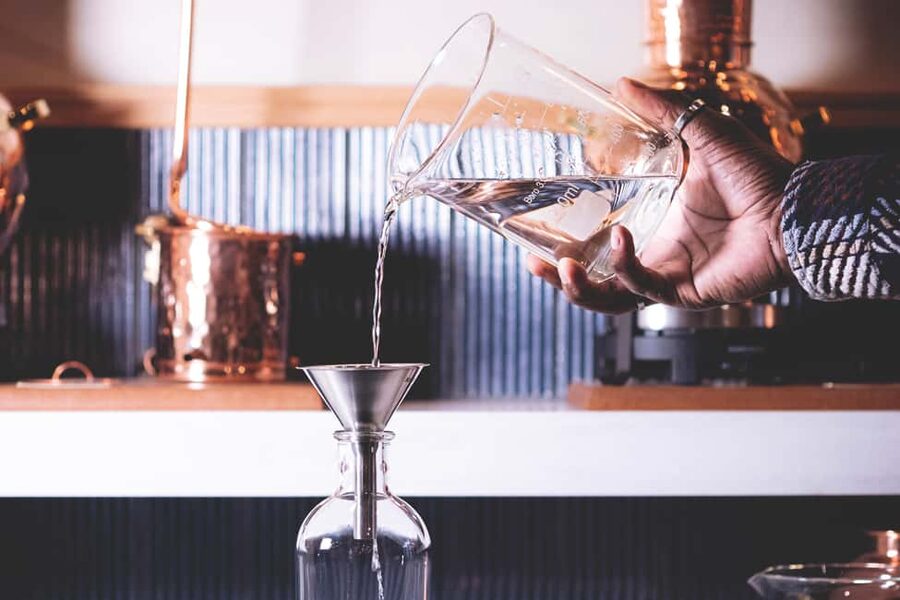
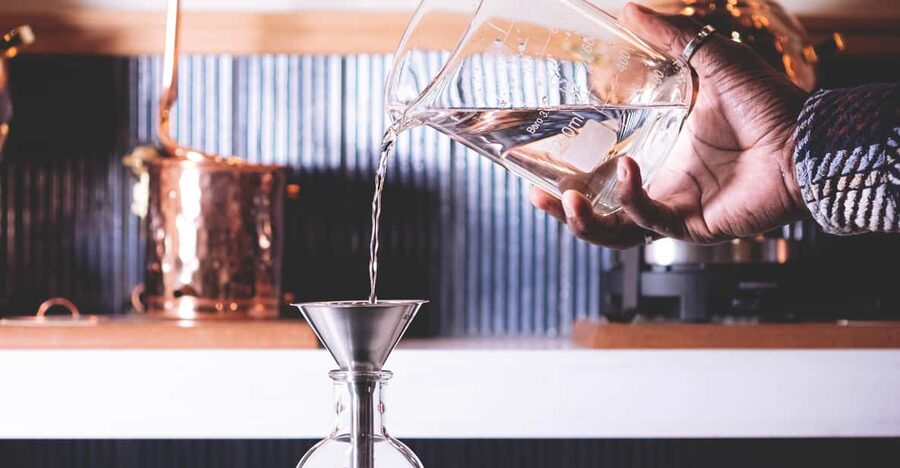
Then you get to distill your selection on a tiny copper pot still. Copper matters in distillation because it’s traditionally used in pot stills for its role in the process and the quality of the output. In this workshop setting, you’re not just learning theory—you see the equipment and understand how your botanicals become the spirit.
This section is where the experience becomes very “real.” There’s a level of craft that you can’t fake with a tasting flight. Even if you don’t perform every step, you’re part of the flow, and you see how the setup transforms your chosen ingredients into something you can finally pour, smell, and judge.
Also, while the distillation runs, you get a snack. One review notes a small cheese plate during the session, which makes sense: it’s a practical way to keep energy up while your gin is working.
Taste Multiple Gins and Learn Styles Before You Commit
This isn’t a single sample and a quick cheers. You taste different gins and learn about the different styles of gin that exist. That’s useful because “gin” is not one flavor. It can range from crisp and juniper-forward to more herbal or more rounded depending on how the botanicals are treated and what dominates.
For your own recipe, this is the difference between copycat and creativity. When you taste first, you can ask better questions like:
- What flavors do I want to lead with?
- Do I want sharper aromatics or softer body?
- How do the different gins compare in aroma versus finish?
This is also where English instruction helps. If you’re not fluent in French (and most people aren’t), you want clear explanations so your choices feel confident.




Build a Balanced Final Recipe (with Expert Feedback)
After you choose botanicals, you create your own recipe. This isn’t “good luck.” You get input to help you balance the blend so it lands the way you intended.
That feedback is a key part of why this doesn’t feel like a craft class that ends in a random result. A pro can nudge you away from a botanical list that would likely taste harsh or out of whack.
The host Charlotte is specifically praised for walking people through the process and making sure the recipe comes out balanced. That kind of coaching matters, especially when you’re dealing with aromatics you’ve never used before.
Customize the Label and Bottle 70cl: Why the Take-Home Matters
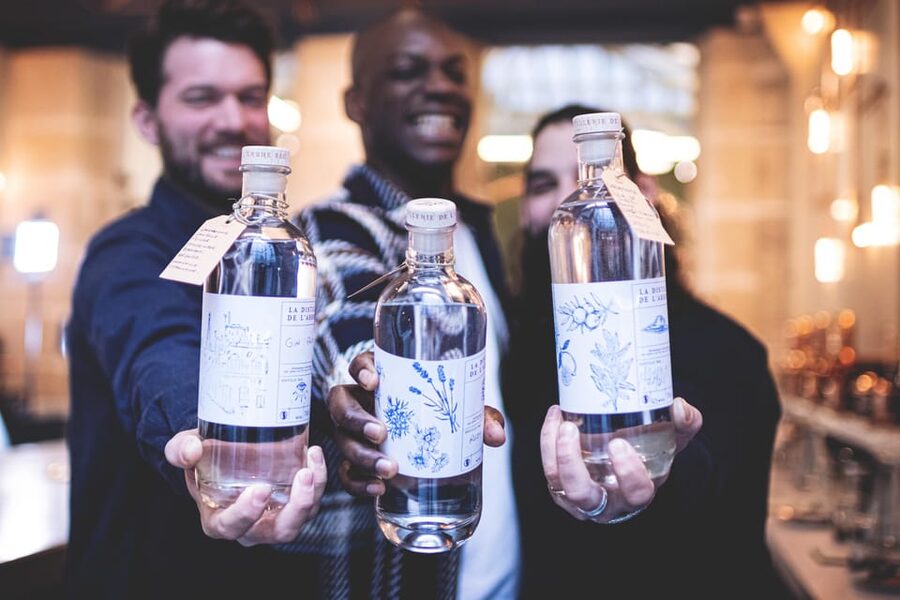
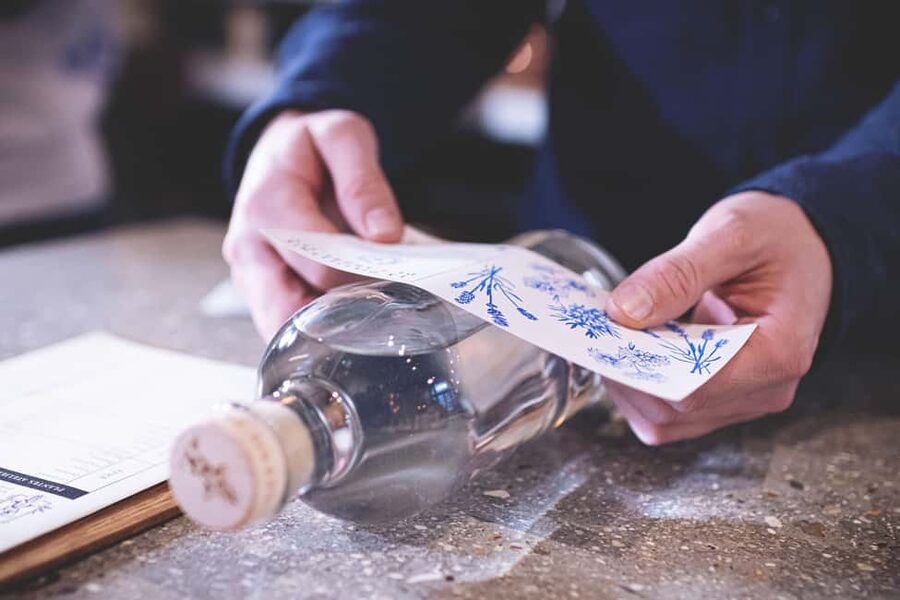
Here’s the payoff. You customize your own label and leave with your very own 70cl bottle of gin.
That take-home piece is more valuable than it sounds. You’re not leaving with a few sips and a nice memory. You’re leaving with a finished product you made, and you can actually use it later—at home, with friends, or to compare against other gins you’ll try on your trip.
The bottle labeling also makes it feel personal. You can keep it as a souvenir, or you can turn it into a practical gift.
And yes, it’s a full size bottle. If you’re packing carefully, you’ll want to plan for space. Liquids are the one thing that can turn “great idea” into “oh no, suitcase Tetris.”
Cocktails and Snack Breaks: Learning by Tasting, Not Just Watching
The workshop includes tastings of homemade cocktails, alongside gin samples. This helps you connect the gin’s flavor to real-world use.
It’s easy to think of gin as only for certain drinks, but tastings show you how style changes what the gin does in a mix. If you love cocktails, this is a nice bonus because it turns your distillation work into something you can immediately apply.
You also get a snack during the workshop, but no meals. Plan accordingly. If your day runs late, you’ll still be fine, but you’ll want to eat before you arrive so you don’t feel hungry while you’re paying attention to aromatics.
Price and Value: Is $129 Fair for All This?
At $129 per person, you’re not just paying for a tour. You’re paying for:
- instruction from professional distillers
- small-group guidance (max 8 people)
- gin and cocktail tastings
- hands-on distillation on a copper pot still
- your own botanical-based recipe
- a custom label
- a 70cl bottle to take home
When you look at it that way, the cost isn’t only “entertainment.” It’s a workshop plus a product. If you’re the type who buys nice bottles anyway, this can be a more satisfying way to get your next gin—because you’ll understand what’s in it and why.
If you’re traveling with limited luggage or you hate hands-on activities, the value might feel lower. But if you’re a spirit lover, a foodie, or someone who enjoys making things, this pricing starts to feel very reasonable.
Who This Paris Gin Workshop Fits Best (and Who Should Skip It)
This is for adults who want a craft experience in central Paris. It’s in English, guided by professionals, in a small group.
It’s also a hands-on workshop, so it suits people who enjoy:
- learning by doing
- tasting and comparing flavors
- building a recipe and getting feedback
- taking home something you personally made
It is not suitable for children under 18 and not for pregnant women. Pets are not allowed either. If you’re planning your trip with those factors, check your schedule early.
If you’re expecting a classic sightseeing day with lots of wandering, you might prefer a different activity. But if you want a focused, flavorful experience that feels tied to Paris and not just “another stop,” this one hits.
Quick FAQ for Planning Your Visit
FAQ
Is the gin making workshop taught in English?
Yes, the instructor provides the workshop in English.
How long is the workshop?
The experience is listed as 2 hours and the workshop content is described as 2.5 hours, so you should plan for roughly 2 to 2.5 hours.
What group size should I expect?
It’s a small group, limited to 8 participants.
What do I get at the end?
You leave with your own 70cl bottle of gin, plus a customized label for the bottle.
Are meals included?
A little snack is provided, but meals are not included.
Where exactly should I meet?
Meet at 52, look for the huge blue door. Go straight through the door and the distillery is at the end of the courtyard.
Who can’t take part?
The workshop is not suitable for pregnant women and children under 18. Pets are also not allowed.
Should You Book It?
If you like gin, cocktails, and learning something you can taste, I think this workshop is a strong choice. The combination of small group size, English instruction, hands-on distillation, and leaving with a 70cl bottle makes it feel like more than a novelty.
Skip it if you want passive sightseeing, you don’t want to handle liquid-heavy souvenirs, or you’re sensitive to a hands-on, adult-focused format. For the right traveler, though, it’s one of the more satisfying “only-in-Paris” experiences you can choose—because you don’t just watch craft happening. You leave carrying it.
More Workshops in Paris
- Fragonard Paris: Mini Perfume Workshop
★ 4.5 · 1,924 reviews - Paris: Macaron Class at Galeries Lafayette
★ 4.2 · 1,196 reviews - Paris Cooking Class and Lunch with Wine plus Market Visit Option
★ 5.0 · 1,024 reviews - Paris Croissant Small-Group Baking Class with a Chef
★ 5.0 · 910 reviews - Paris: 2-Hour Perfume Creation Workshop
★ 4.8 · 731 reviews
More Tour Reviews in Paris
- Paris: 1-Hour Seine Cruise departing from the Eiffel Tower
★ 4.4 · 77,472 reviews - Paris: Louvre Museum Timed-Entrance Ticket
★ 4.6 · 71,977 reviews - Disneyland® Paris 1-Day Ticket
★ 4.6 · 49,412 reviews - Paris: Versailles Palace and Gardens Full Access Ticket
★ 4.6 · 41,579 reviews - Paris: Arc de Triomphe Rooftop Tickets
★ 4.6 · 34,264 reviews
Fresh off the review desk in Paris
- Secrets of Paris Bike Tour in English or Dutch★ 5.0 · 5 reviews
- Paris: Mont Saint-Michel Day Tour with Chinese Tour Guide★ 5.0 · 5 reviews
- Private Street Art 2-Hour Guided Tour in Paris★ 4.5 · 5 reviews
- Orsay Museum Tour: 2h Highlights (Private & Small Group)★ 5.0 · 5 reviews
- Discover Paris in electric golf carts★ 4.0 · 5 reviews
- Paris Private Boat Tour with your own Captain Guide★ 5.0 · 5 reviews
Workshops, compared.
 ★ 4.5Fragonard Paris: Mini Perfume WorkshopFrom $361,924 reviews
 ★ 4.2Macaron Class at Galeries LafayetteFrom $691,196 reviews
 ★ 5.0Paris Cooking Class and Lunch with Wine plus Market Visit OptionFrom $2401,024 reviews
 ★ 5.0Paris Croissant Small-Group Baking Class with a ChefFrom $157910 reviews
 ★ 4.82-Hour Perfume Creation WorkshopFrom $115731 reviews
 ★ 4.9French Croissant Baking Class with a ChefFrom $159712 reviews
 ★ 5.0Paris Cooking Class: Learn How to Make MacaronsFrom $156634 reviews
 ★ 4.9French Macaron Culinary Class with a Chef591 reviews
Browse the lists this tour appears in