
Reviewed · WALKING TOURS
Paris Le Marais Guided Walking Tour With A Guide
A Paris street corner can teach you history fast. This Le Marais guided walk strings together 10 key sights so you get the layout, the stories, and the little side alleys in just about 2 hours.
I like how it’s focused on street-level seeing—fonts, churches, courtyards, squares—so you don’t waste time hunting. I also like the way the guide can tailor the pacing to what you care about.
One thing to consider: this is mainly a walking tour of the neighborhood, not a ticket-and-halls museum day.
In This Review
- Key Points at a Glance
- Why a 2-Hour Le Marais Walk Gets You Oriented Fast
- Guides Like Pascal, Stephan, and Teresa Make the Neighborhood Click
- The Route: 10 Stops That Tell the Marais Story in Real Time
- 1) Fontaine Stravinsky (near Centre Pompidou)
- 2) Centre Pompidou (architecture outside)
- 3) Rue Sainte-Croix de la Bretonnerie (shops and pace)
- 4) Église des Billettes (Gothic calm)
- 5) Église Notre-Dame des Blancs-Manteaux (white cloaks story)
- 6) Impasse des Arbaletriers (medieval alley energy)
- 7) Rue des Rosiers (Jewish quarter, kosher eats)
- 8) Bibliothèque de l’Hôtel de Ville (public library in the City Hall area)
- 9) Place des Vosges (the classic square)
- 10) Le Village Saint-Paul (galleries and antiques)
- Price and Value: What $25.56 Buys You in the Marais
- Private vs Small Group: Choose the Right Level of Attention
- Logistics That Actually Matter on a Paris Walking Tour
- What Makes This Walk Feel More Than Tourist Sightseeing
- Should You Book This Le Marais Guided Walking Tour?
- FAQ
- How long is the Paris Le Marais guided walking tour?
- What sights does the tour include?
- Is this tour in English?
- Are tickets to monuments and museums included?
- Where do I meet the guide?
- Can I book a private tour?
- What is the cancellation policy?
Key Points at a Glance

- 10 sights in ~2 hours: a tight loop that helps you map the Marais quickly
- Street-level history you can feel: churches, passages, and courtyards make the past make sense
- Guides with serious local command: people like Pascal, Stephan, and Teresa are praised for turning corners into stories
- Outside viewing for free sights: most stops have no admission cost from the route itself
- Flexible format: small group or private tour, with customization based on your interests
Why a 2-Hour Le Marais Walk Gets You Oriented Fast
The Marais can feel like a maze—pretty, yes, but easy to get turned around. This walk is built to fix that. You cover a practical chunk of the neighborhood while a guide explains what you’re looking at, not just what it’s called.
The best part is that you’re not sitting still. You’re moving past the Stravinsky Fountain, the look of the Centre Pompidou, Gothic churches, and the classic geometry of Place des Vosges. It’s the kind of tour that helps you “read” Paris streets after the walk ends.
Worth weighing up next to this Paris pick
- Paris Top Sights Half Day Walking Tour with a Fun Guide
★ 5.0 · 2,893 reviews - Montmartre Hidden Gems and Scenic Highlights Walking Tour
★ 5.0 · 2,684 reviews - Montmartre Hill French Gourmet Food and Wine Tasting Walking Tour
★ 5.0 · 2,588 reviews - Paris: Montmartre Highlights Walking Tour with a Local Guide
★ 4.9 · 2,318 reviews
Guides Like Pascal, Stephan, and Teresa Make the Neighborhood Click
Great guides don’t just rattle facts. They point out patterns. In this case, several guides are singled out for doing exactly that—Pascal is noted for deep Marais knowledge and for guiding people to extra art to see next; Stephan is highlighted for being on time, organized, and for customizing around interests; Teresa is praised for explaining mansions and day-to-day life in the Marais.
Here’s what I’d expect you to get from that style of guiding:
- You’ll learn why buildings look the way they do, not just when they were built.
- You’ll pick up a “how to walk here” instinct—where to slow down, where to look up, where streets open into courtyards.
- You’ll likely get restaurant and activity suggestions that fit your rhythm. That’s helpful in Paris, where choices are endless and time is not.
The Route: 10 Stops That Tell the Marais Story in Real Time
The walk runs about 2 hours and moves through 10 stops, with each one paced to feel like a quick lesson and a visual break. You’ll also stay near transit routes, which makes it easy to weave this into the rest of your day.
1) Fontaine Stravinsky (near Centre Pompidou)
Start at the playful Stravinsky Fountain, where you’ll see kinetic, colorful sculpture work tied to composer Igor Stravinsky. It’s right in the heart of the city’s modern energy, yet it feels like a street-level art moment—fun, weird in a good way, and easy to spot.
Why it matters: it’s a clean first stop that signals this isn’t just medieval Paris. The Marais sits beside modern Paris too.
2) Centre Pompidou (architecture outside)
Next is the Centre Pompidou, famous for its outside look—exposed pipes and colorful exterior escalators. The tour framing here is about understanding the building’s identity and the cultural weight of the place, even if you’re not going inside.
What you’ll notice: the structure changes how you see the street. It’s a great contrast to the older Marais buildings you’ll hit soon after.
3) Rue Sainte-Croix de la Bretonnerie (shops and pace)
You then pass along Rue Sainte-Croix de la Bretonnerie, a classic Marais stretch known for boutiques, cafés, and gallery browsing. Expect a street that rewards slow walking—window details, small storefront rhythms, and the feeling of a neighborhood that never stops being used.
Possible drawback: if you’re the type who wants quiet, this section may feel more commercial than you hoped. Still, it’s a useful taste of everyday Marais life.
Worth weighing up next to this Paris pick




4) Église des Billettes (Gothic calm)
The tour moves to Église des Billettes, a Gothic church known for a serene interior and medieval stained glass. Even if you’re mostly observing from the outside and around the entrance area, the vibe shift is real. The Marais has a habit of flipping noise to quiet when you find the right threshold.
Why it’s a good stop: churches here are more than decoration; they’re markers of older community rhythms.
5) Église Notre-Dame des Blancs-Manteaux (white cloaks story)
Then comes Notre-Dame-des-Blancs-Manteaux, named for the white cloaks associated with the Cistercian monks who once lived in the area. It’s known for impressive Gothic architecture and for hosting events like concerts and exhibitions.
Why it’s interesting: the name alone gives you a thread to pull—religious life, monastic history, and why certain streets and buildings got their identity.
6) Impasse des Arbaletriers (medieval alley energy)
You’ll slip into Impasse des Arbalétriers, a small alley famed for historic buildings and quieter courtyards. This is where the walk starts to feel like discovery mode.
What to look for: not just the architecture, but the way the alley turns the street outside into a calmer pocket inside.
7) Rue des Rosiers (Jewish quarter, kosher eats)
Next is Rue des Rosiers, the main thoroughfare of the Jewish quarter. It’s known for its lively street life and kosher food. Even if you don’t stop for a meal, this is the kind of street where you see how culture shows up in storefronts and daily routines.
Tip: if you’re hungry, plan a return later. This street is one of the easiest “I know what to do next” zones in Paris.
8) Bibliothèque de l’Hôtel de Ville (public library in the City Hall area)
You then pass Bibliothèque de l’Hôtel de Ville de Paris, a major public library located in the Hôtel de Ville area. The tour angle is about seeing how public spaces function in Paris, not only how tourists move through them.
Why it’s worth including: it widens the Marais story beyond monuments. Libraries are part of the city’s real-life DNA.
9) Place des Vosges (the classic square)
Now you reach Place des Vosges, Paris’s oldest planned square. You’ll see arcades, manicured gardens, and historic architecture that makes it feel like the city decided to slow down and commit to symmetry.
How to use the stop: take a moment. This square is ideal for resetting your legs and watching people. It’s also a natural reference point for getting your bearings later.
10) Le Village Saint-Paul (galleries and antiques)
Finally, you end in Le Village Saint-Paul, a pocket area known for antique shops, art galleries, and cafés. It’s a good closer because it shifts from the big landmark feel to smaller browsing streets where you can keep exploring on your own.
Good follow-on idea: if you have time after the walk, this area is the easiest place to extend the day without needing a map.
Price and Value: What $25.56 Buys You in the Marais

At $25.56 per person, this tour sits in the “don’t overthink it” category for Paris. You’re paying for:
- A guide who can explain what you’re seeing in context
- A structured route that reduces wandering
- A format that can be small-group or private
- A pacing system that keeps the walk from turning into a random stroll
Also, admission is effectively handled by the nature of the stops. The listed sights are presented as free from the route itself (you’re not being asked to buy monument tickets just to walk from place to place). That makes the cost easier to justify if you’re trying to manage your daily budget.
One practical note: the tour does not include transport, food, or monument/museum entry. So if you want a museum inside Centre Pompidou later, you’ll plan that separately. The guide support may help you book tickets you want, but it’s still on you to choose and pay for the actual entry.
Private vs Small Group: Choose the Right Level of Attention
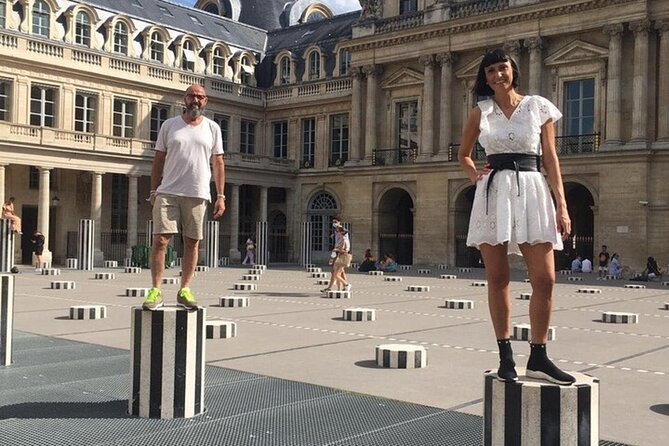
This is offered as a private tour or a small-group tour. The difference matters more than you’d think.
- If you want the most flexibility and the strongest chance of customization, private is the clean choice. Your pace and interests can guide the route.
- If you’re fine sharing the learning and you like some social energy, small group can be great, especially with the small-group discount option.
Either way, you’ll do a walk through the neighborhood highlights rather than a strict lecture. The goal is to get you seeing and understanding as you move.
Logistics That Actually Matter on a Paris Walking Tour

The meeting point is 26 R. du Renard, 75004 Paris, and the activity ends back at the meeting point. It’s a big deal because you don’t lose time with a confusing end location.
A few practical tips that will make the whole thing smoother:
- Wear comfortable shoes. This is a neighborhood walk with multiple stops, and the pacing is steady.
- Bring a light layer. Weather shifts happen in Paris and churches/alleys can change the temperature fast.
- Plan water. The tour includes no food or drinks.
- If you’re traveling by transit, factor that into your schedule since transport costs are your responsibility.
You also get a mobile ticket, which helps if you’re trying to keep everything tidy on your phone.
What Makes This Walk Feel More Than Tourist Sightseeing
A standard sightseeing walk can turn into a checklist. This one aims for something more useful: it connects streets and buildings to the way the Marais developed.
That’s why stops like Gothic churches, a medieval alley, the Jewish quarter main street, and Place des Vosges show up in the same two-hour frame. You’re basically getting a quick “map of themes”:
- Religion and architecture
- Old street patterns and hidden pockets
- Community identity in markets and food streets
- The planned grandeur of Paris squares
If you like your Paris days built around short, meaningful segments, this hits the sweet spot.
Should You Book This Le Marais Guided Walking Tour?
I think you should book if you want:
- A fast way to understand the Marais layout
- A guide who can explain what you’re seeing while you walk
- A budget-friendly structure at a fixed cost
- Either small-group energy or a private, interest-based pace
You might skip it if you’re mainly after museum interiors or you already feel fully fluent in Marais history and prefer long self-guided wandering. But for most first-timers and many returnees who want a sharper sense of the neighborhood, this is a smart way to spend two hours.
FAQ
How long is the Paris Le Marais guided walking tour?
It’s about 2 hours.
What sights does the tour include?
The route includes 10 stops: Fontaine Stravinsky, Centre Pompidou, Rue Sainte-Croix de la Bretonnerie, Église des Billettes, Église Notre-Dame des Blancs-Manteaux, Impasse des Arbaletriers, Rue des Rosiers, Bibliothèque de l’Hôtel de Ville, Place des Vosges, and Le Village Saint-Paul.
Is this tour in English?
Yes. The tour is offered in English (and the guide may also speak Spanish, French, or Italian).
Are tickets to monuments and museums included?
No. Entry to monuments and museums is not included. This is described as a city tour rather than a tour inside monuments.
Where do I meet the guide?
Meet at 26 R. du Renard, 75004 Paris, France. The tour ends back at the meeting point.
Can I book a private tour?
Yes. There is an option for a private tour, and there is also a small-group option.
What is the cancellation policy?
You can cancel for a full refund if you cancel at least 24 hours before the experience starts.
More Walking Tours in Paris
- Paris Top Sights Half Day Walking Tour with a Fun Guide
★ 5.0 · 2,893 reviews - Montmartre Hidden Gems and Scenic Highlights Walking Tour
★ 5.0 · 2,684 reviews - Montmartre Hill French Gourmet Food and Wine Tasting Walking Tour
★ 5.0 · 2,588 reviews - Paris: Montmartre Highlights Walking Tour with a Local Guide
★ 4.9 · 2,318 reviews - Paris Île de la Cité and Notre-Dame Walking Tour With Crypt
★ 5.0 · 2,272 reviews
More Tours in Paris
- Paris: Louvre Guided Tour with Reserved Access & Boat Cruise
★ 4.3 · 16,353 reviews - Paris: Big Bus Hop-On Hop-Off Tour with Optional Cruise
★ 4.4 · 13,279 reviews - Louvre Museum Masterpieces Guided Tour with Access
★ 4.5 · 12,023 reviews - Versailles: Skip-the-Line Tour of Palace and Gardens Access
★ 4.7 · 10,429 reviews - Paris: Louvre Overview, Exploration tour and Reserved Entry
★ 4.1 · 10,145 reviews
More Tour Reviews in Paris
- Paris: 1-Hour Seine Cruise departing from the Eiffel Tower
★ 4.4 · 77,472 reviews - Paris: Louvre Museum Timed-Entrance Ticket
★ 4.6 · 71,977 reviews - Disneyland® Paris 1-Day Ticket
★ 4.6 · 49,412 reviews - Paris: Versailles Palace and Gardens Full Access Ticket
★ 4.6 · 41,579 reviews - Paris: Arc de Triomphe Rooftop Tickets
★ 4.6 · 34,264 reviews
Fresh off the review desk in Paris
- Secrets of Paris Bike Tour in English or Dutch★ 5.0 · 5 reviews
- Paris: Mont Saint-Michel Day Tour with Chinese Tour Guide★ 5.0 · 5 reviews
- Private Street Art 2-Hour Guided Tour in Paris★ 4.5 · 5 reviews
- Orsay Museum Tour: 2h Highlights (Private & Small Group)★ 5.0 · 5 reviews
- Discover Paris in electric golf carts★ 4.0 · 5 reviews
- Paris Private Boat Tour with your own Captain Guide★ 5.0 · 5 reviews
Walking Tours, compared.
 ★ 5.0Paris Top Sights Half Day Walking Tour with a Fun GuideFrom $762,893 reviews
 ★ 5.0Montmartre Hidden Gems and Scenic Highlights Walking TourFrom $382,684 reviews
 ★ 5.0Montmartre Hill French Gourmet Food and Wine Tasting Walking TourFrom $1452,588 reviews
 ★ 4.9Montmartre Highlights Walking Tour with a Local GuideFrom $232,318 reviews
 ★ 5.0Paris Île de la Cité and Notre-Dame Walking Tour With CryptFrom $482,272 reviews
 ★ 4.8Montmartre Cheese, Wine & Pastry Guided Walking TourFrom $1272,255 reviews
 ★ 5.0Paris in a Day: Louvre or Orsay, Eiffel Tower, City Walk & CruiseFrom $1571,956 reviews
 ★ 5.0Paris City Center Free Walking Tour (Tip-Based)From $31,340 reviews