
Reviewed · WALKING TOURS
Paris: Le Marais Highlights Guided Small Group Walking Tour
Paris has a way of giving you shortcuts. This one is a guided walk through Le Marais that turns postcard buildings into people-stuff—medieval walls, royal residences, and the Jewish quarter all in one 135-minute loop. I love starting at Place des Vosges under the greenery, then getting right into small-group streets where you can actually hear your guide.
What I like most is the mix of wow-factor architecture with human stories: Hôtel de Sully and Saint-Paul Church give you the big-sight moments, while the rest of the route explains how the neighborhood kept changing. One drawback: this is a walking tour (not suitable for people with mobility impairments), so you’ll want solid, comfy shoes and the stamina for uneven, old-stone streets.
In This Review
- Key highlights you’ll care about
- Starting at Place des Vosges: The calm way to enter the Marais
- Hôtel de Sully and photo time: Why one building changes your whole perception
- Saint-Paul Church: Where centuries of stories feel close
- Philippe Auguste’s wall and medieval leftovers: Reading Paris like a map
- Private mansions and royal stories: Hôtel de Tournelles and beyond
- Rue des Rosiers: Shopping time in the Jewish quarter
- Saint Gervais Church: Another faith stop with a different feel
- A solemn pause: The Holocaust memorial in the Marais
- Place de l’Hôtel de Ville: Finishing where the Marais connects outward
- Price and timing: Is $58 for 135 minutes good value?
- Who should book this Marais highlights walk?
- Should you book this tour?
- FAQ
- How long is the Le Marais highlights guided walking tour?
- What group size is this tour?
- Is the tour offered in English?
- Where do I meet the guide?
- Does the tour run in bad weather?
- Is Saint-Paul Church included?
- Are food and drinks included?
- Is this tour suitable for people with mobility impairments?
Key highlights you’ll care about
- Max 9 people: small enough to ask questions and stay engaged
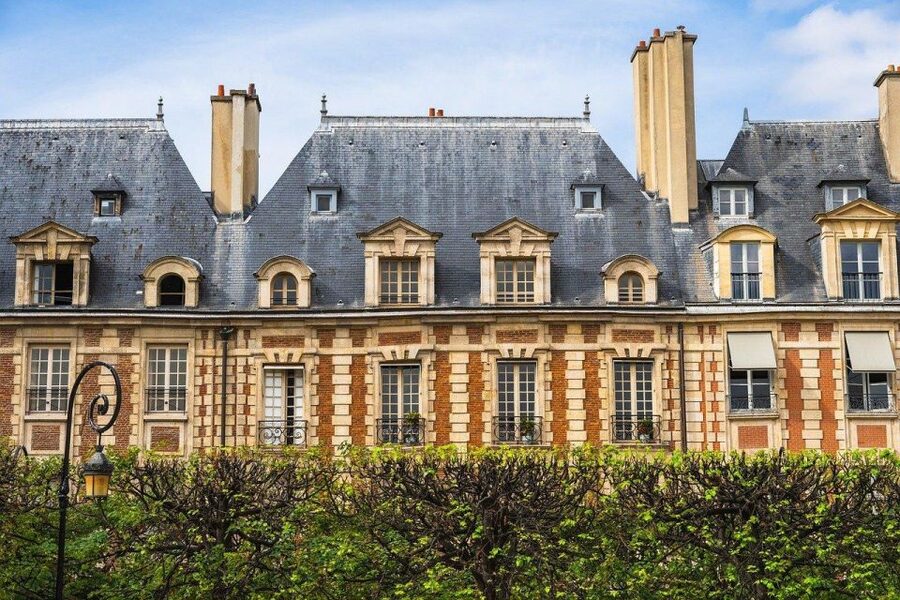
- Place des Vosges start: a calm, beautiful entry point before the tight lanes
- Saint-Paul Church included: a real stop, not just an exterior photo
- Medieval Paris markers: you’ll see the wall of Philippe Auguste remains
- Rue des Rosiers time: a focused moment for Jewish-quarter shopping
- Holocaust memorial stop: a respectful, important pause before the grand finish
Starting at Place des Vosges: The calm way to enter the Marais
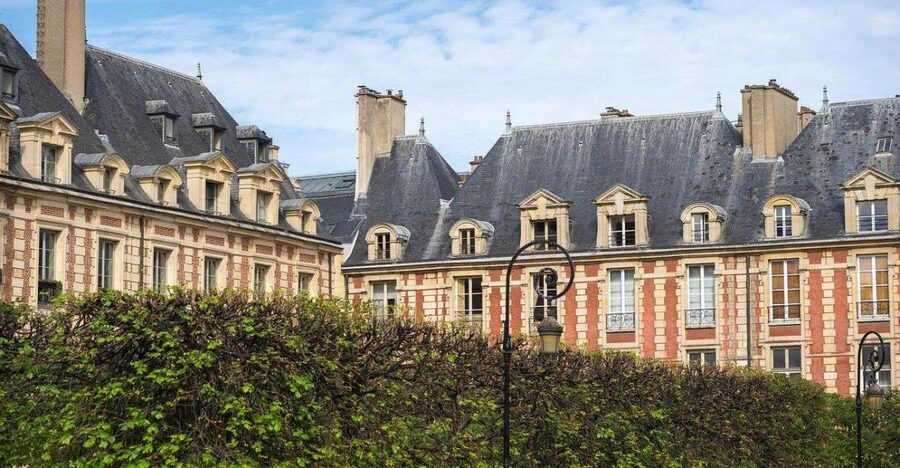
Your walk starts at Place des Vosges, one of the Marais’s most elegant public squares. The setting matters. Before you hit narrow streets and private courtyard gates, you get a breath of order: symmetrical arcades, greenery, and a sense that this neighborhood was planned long before Paris got the wider-boulevard treatment later associated with Haussmann.
From the first stretch, the tour’s style becomes clear. It’s not a rapid checklist of famous spots. It’s more like walking with someone who knows where to look—what angles to notice, which facades tell which century, and how the Marais stayed itself while other districts were reshaped.
This is also where the small-group format pays off. With a group capped at 9, you don’t lose your place. Your guide can answer questions without repeating themselves for a crowd. And if you’re traveling with kids, this opening calm helps—this tour is adapted for kids, though you’ll still be walking.
If you come on a chilly day, take that seriously: the tour runs rain or shine, and you’ll be outside most of the time. Warm layers and comfortable shoes are the difference between a good stroll and a slow, miserable grind.
Worth weighing up next to this Paris pick
- Paris Top Sights Half Day Walking Tour with a Fun Guide
★ 5.0 · 2,893 reviews - Montmartre Hidden Gems and Scenic Highlights Walking Tour
★ 5.0 · 2,684 reviews - Montmartre Hill French Gourmet Food and Wine Tasting Walking Tour
★ 5.0 · 2,588 reviews - Paris: Montmartre Highlights Walking Tour with a Local Guide
★ 4.9 · 2,318 reviews
Hôtel de Sully and photo time: Why one building changes your whole perception
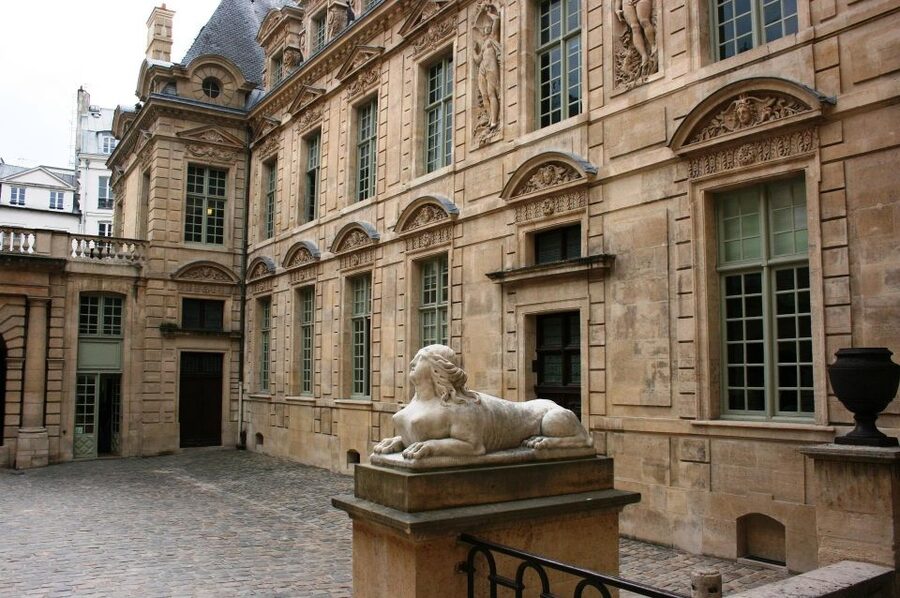
Next comes a classic Marais moment: Hôtel de Sully, a 17th-century mansion-style masterpiece. The tour gives you a photo stop plus guided time, which is smart. Facades in Paris can look similar if you only glance—your guide helps you see what makes one era’s design decisions different from another.
Here’s what I think makes this stop valuable for you: you start linking details to history. You’re not just learning dates. You’re learning how power and taste show up in stonework—how wealthy families wanted their homes to signal status, and how that status shaped the neighborhood around them.
You’ll also get context for why the Marais feels different from other parts of central Paris. This is a district where the older fabric survived in many places, and Hôtel de Sully is a good anchor for that idea. By the time you move into churches and walls, you’ll already be thinking in layers: what’s visible now, what used to be there, and how the neighborhood evolved without losing its character.
Potential drawback? If you’re the type who prefers long museum interiors over street-level architecture, you might wish for more time at each site. But for most people, the pacing works because the guide keeps connecting each stop to what you’ll see next.
Saint-Paul Church: Where centuries of stories feel close
After Hôtel de Sully, you’ll visit Saint-Paul Church (Paroisse Saint-Paul Saint-Louis / Saint-Paul Church). This isn’t just an exterior stop. You get guided time inside, which is the right move. Churches in Paris often hold details that are hard to spot casually: the atmosphere, the layout, and the way the building carries older meaning even when the city around it keeps changing.
The tour frames this church as a place with centuries of stories. And that’s exactly why it’s worth including. When you’re walking through the Marais, it’s easy to treat history like architecture only—mansions, walls, and dates. A church stop brings the human scale back: worship, community, and continuity.
One more practical reason to appreciate this stop: it’s a break from constant walking. Even if the tour remains active, you get indoor time. If you’re traveling in rain, it also gives you a moment to regroup while staying on schedule.
If you’re visiting with kids, this part can be a win. It gives the tour a real-world anchor that feels less abstract than medieval walls. Just keep in mind that it’s still an active guided visit, so bring patience for quiet moments when everyone gathers to listen.
Philippe Auguste’s wall and medieval leftovers: Reading Paris like a map
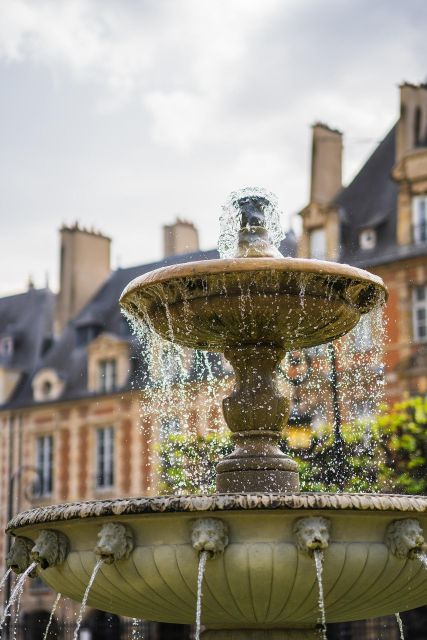
Now you start seeing the Marais as medieval, not modern. Your route includes the impressive remains of the wall of Philippe Auguste—a tangible trace of medieval Paris. This is one of those stops that can look like a pile of old stone if you’re not told what it is. With a guide, it becomes legible.
Your guide connects these remains to how the city was once defended and structured. Even if you’re not a medieval-history person, you’ll feel the logic. Streets that seem random become more meaningful when you understand they grew in relation to fortifications, neighborhoods, and movement patterns.
The wall also helps you appreciate the tour’s big theme: the Marais kept parts of its older identity while the rest of Paris changed. That theme shows up again and again—through private mansions, royal associations, and gated streets that still feel like you’re walking inside a historical neighborhood rather than just past it.
A heads-up: this part is best when you pay attention to small cues. Look where the masonry shifts. Watch for how the wall remnants sit relative to surrounding buildings. That’s how you’ll turn a short visual pause into a clear mental picture.
Private mansions and royal stories: Hôtel de Tournelles and beyond
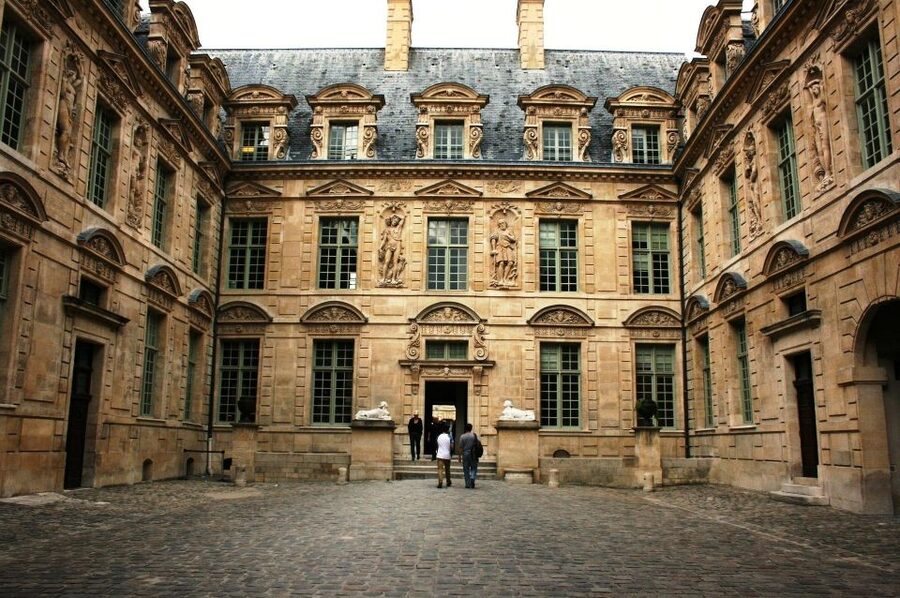
The heart of the Marais for many people is the private mansion world: big residences tucked behind walls, with names that sound like they belong in books. The tour includes stops connected to that mansion tradition, including Hôtel de Tournelles and other notable residences.
What makes this section work is the story linkage. Instead of treating these buildings as isolated monuments, the guide connects them to characters you’ll recognize—Louis XIII, Henry II, and Catherine de Medici show up as part of the neighborhood’s past opulence and political gravity.
This is also where the guide’s delivery really matters. In the reviews I saw, guides named Yazid and Jean-Baptiste (JB) kept the mood energetic and interactive. People liked that the guides asked questions back, handled queries, and made the walk feel like a conversation rather than a lecture. That style matters for you because the Marais can overwhelm you with details if no one organizes them.
If you want a practical takeaway: treat this portion like visual note-taking. Pick one or two mansions to remember by name and mood—baroque grandeur vs. more restrained elegance—and use those mental anchors for the rest of the walk. By the time you reach the next streets, the neighborhood will start to feel less like a maze and more like a story with chapters.
Rue des Rosiers: Shopping time in the Jewish quarter
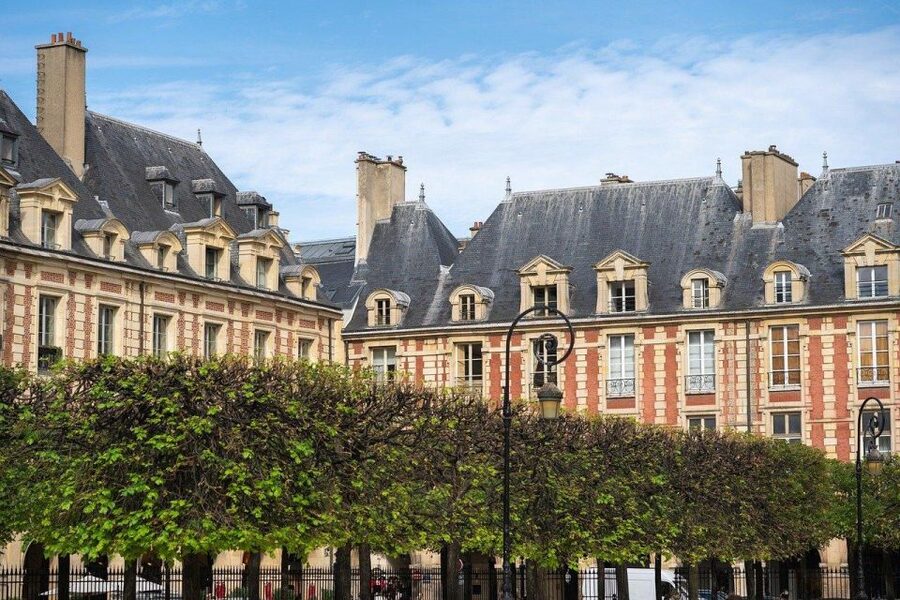
Then comes Rue des Rosiers, a well-known street in the Jewish quarter. You’ll get guided time plus shopping, which is useful. This isn’t just walking past storefronts. It’s structured time for you to slow down, browse, and get a feel for daily life.
This stop also gives the tour an important cultural balance. Up to now, you’ve been heavy on royal mansions and medieval structure. Rue des Rosiers brings the vibe back to modern neighborhood identity—traditions you can see in shops and signage, and a sense of continuity that doesn’t feel stuck in the past.
If you’re hoping to grab a snack or treat, plan for it, but don’t assume the tour includes food. The tour does not include food or drinks. Still, having guided time here is a bonus because your guide can point out what’s worth your time, and you’re not forced to rush while trying to translate menus and counters.
Small caution: shopping time can be tempting to overdo. Keep an eye on the group and the pace, especially if you’re traveling with kids. The best approach is to buy one small item and then continue enjoying the next stops.
Worth weighing up next to this Paris pick




Saint Gervais Church: Another faith stop with a different feel
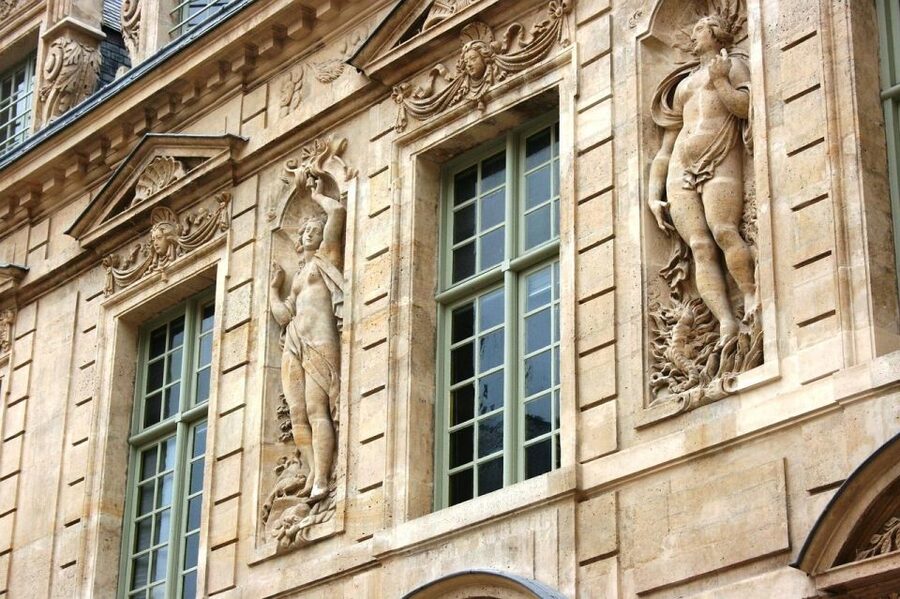
Next you’ll visit Saint Gervais Church, with guided time set for about 15 minutes. It’s shorter than Saint-Paul, but that can be a good thing. You’re getting variety without losing momentum.
I like these short church stops because they keep the tour grounded. Paris can be history overload if everything is a mansion facade and a wall remnant. Another church gives you a new angle on the same theme: the Marais didn’t just store wealth. It held community life.
You’ll likely notice differences in how each church feels—lighting, layout, and the overall mood. And since you’re walking, you’ll also appreciate the practical break. Even short indoor moments help you keep your attention and your energy.
A solemn pause: The Holocaust memorial in the Marais
One stop on this tour is emotionally serious: the Holocaust memorial. The tour schedule includes a stop here before you finish at Place de l’Hôtel de Ville.
This kind of visit is valuable for two reasons. First, it prevents the Marais from being treated only as pretty architecture. Second, it gives you a guided framework for understanding why this neighborhood matters in modern history too—not as an abstraction, but as part of the story of the Jewish community in Paris.
How to make the most of it: stay quiet, listen carefully, and don’t rush photos. If you’re traveling with kids, follow your guide’s pacing and be ready for a teaching moment that’s heavier than the rest of the walk.
Place de l’Hôtel de Ville: Finishing where the Marais connects outward
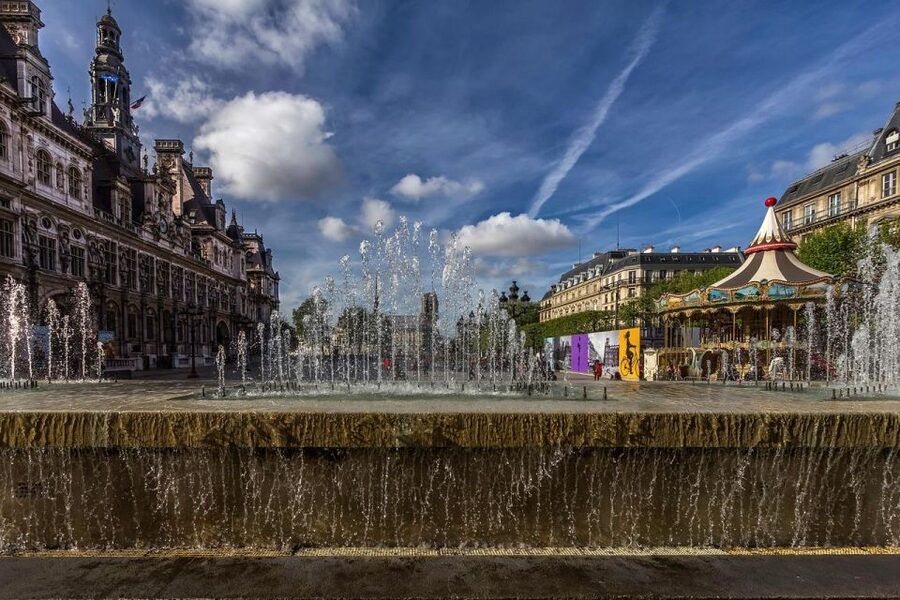
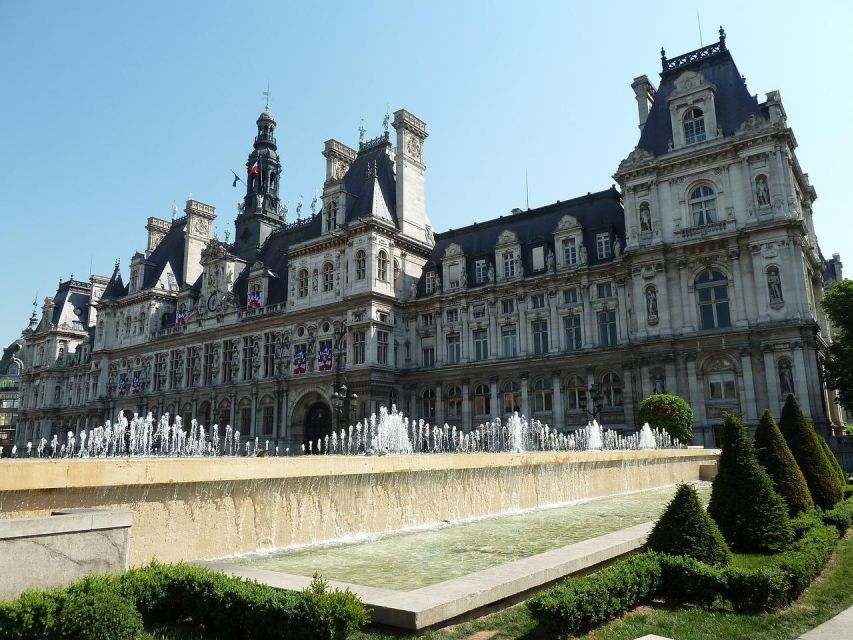
The tour ends at Place de l’Hôtel de Ville, the area around Paris City Hall. That finish is a smart choice. It gives you a clean “now what?” moment: you can head for museums nearby, take a rest, or reconnect with the broader city plan.
Finishing here also helps you mentally map what you just walked. The Marais can feel like a self-contained bubble—tight streets, private courtyards, and older walls. When you exit toward Place de l’Hôtel de Ville, you see how that bubble fits into the larger Paris grid.
You’ll also leave with names and mental landmarks. Even if you don’t remember every mansion, you’ll know what to look for next time you’re wandering: the way old walls shape street lines, the way certain facades signal certain eras, and the way the Jewish quarter’s day-to-day life shows up alongside grand buildings.
If your goal is to get bearings fast on a first or second day in Paris, this kind of ending location is practical.
Price and timing: Is $58 for 135 minutes good value?
At $58 per person for 135 minutes, this is priced like a serious guided walking experience, not a quick “see the highlights” loop. You’re paying for three things that actually matter:
- A local guide leading you through a compact, historically layered area
- A church visit included (Saint-Paul Church)
- A route that mixes architecture, medieval context, and a key cultural stop in the Jewish quarter
The small group (9 max) is part of the value too. With fewer people, you hear more, ask more, and waste less time waiting for the leader to reset attention. If you’ve tried big-group tours elsewhere, you know how frustrating it is when you can’t hear or ask questions.
Timing is another value point. Two hours plus gives you enough time to feel like you covered real ground, but it’s still short enough that you can add another plan later in the day—especially if you combine it with a café stop afterward.
Plan for the practical reality: you’ll want to dress for weather and walk steadily. If you’re tired, this tour might feel longer than the clock says. But if you’re ready for a focused afternoon, it’s a good use of time.
Who should book this Marais highlights walk?
This is a great fit if you want:
- A guided history experience that connects buildings to real people and events
- A small-group pace where questions are welcome
- Stops that include major architectural sights plus a meaningful stop in the Jewish quarter
It’s less of a fit if:
- You need mobility-friendly routing (it’s not suitable for people with mobility impairments)
- You prefer long interior museum time only (churches are included, but the tour is still a walking format)
- You’re expecting food included (food and drinks are not included)
One other “you’ll thank yourself later” tip: this works especially well on a day when you want to build context before you wander on your own. After this walk, the Marais is easier to read.
Should you book this tour?
Yes, if your idea of a great Paris afternoon is walking a neighborhood with a guide who keeps the stories clear and connected. The combination of Place des Vosges, Hôtel de Sully, Saint-Paul Church, medieval wall remnants, and the Holocaust memorial makes it more than a scenery walk. And the small-group size is a genuine comfort upgrade.
If you’re limited by mobility, skip it. If you can walk comfortably and you like history that sticks to what you see in front of you, this one is a solid choice for the Marais—especially if you want to leave with names, context, and a better sense of how this district became itself.
FAQ
How long is the Le Marais highlights guided walking tour?
The tour lasts about 135 minutes.
What group size is this tour?
The group is limited to a small group of up to 9 participants.
Is the tour offered in English?
Yes, the tour is in English.
Where do I meet the guide?
Check in with your voucher at the meeting point in Place des Vosges, and look for Paris tours experiences under the Louis XIII statue. Your guide will be wearing a white shirt.
Does the tour run in bad weather?
Yes. The tour takes place rain or shine.
Is Saint-Paul Church included?
Yes. The tour includes a visit to Saint Paul Church.
Are food and drinks included?
No. Food and drinks are not included.
Is this tour suitable for people with mobility impairments?
No. It is not suitable for people with mobility impairments.
More Walking Tours in Paris
- Paris Top Sights Half Day Walking Tour with a Fun Guide
★ 5.0 · 2,893 reviews - Montmartre Hidden Gems and Scenic Highlights Walking Tour
★ 5.0 · 2,684 reviews - Montmartre Hill French Gourmet Food and Wine Tasting Walking Tour
★ 5.0 · 2,588 reviews - Paris: Montmartre Highlights Walking Tour with a Local Guide
★ 4.9 · 2,318 reviews - Paris Île de la Cité and Notre-Dame Walking Tour With Crypt
★ 5.0 · 2,272 reviews
More Tours in Paris
- Paris: Louvre Guided Tour with Reserved Access & Boat Cruise
★ 4.3 · 16,353 reviews - Paris: Big Bus Hop-On Hop-Off Tour with Optional Cruise
★ 4.4 · 13,279 reviews - Louvre Museum Masterpieces Guided Tour with Access
★ 4.5 · 12,023 reviews - Versailles: Skip-the-Line Tour of Palace and Gardens Access
★ 4.7 · 10,429 reviews - Paris: Louvre Overview, Exploration tour and Reserved Entry
★ 4.1 · 10,145 reviews
More Tour Reviews in Paris
- Paris: 1-Hour Seine Cruise departing from the Eiffel Tower
★ 4.4 · 77,472 reviews - Paris: Louvre Museum Timed-Entrance Ticket
★ 4.6 · 71,977 reviews - Disneyland® Paris 1-Day Ticket
★ 4.6 · 49,412 reviews - Paris: Versailles Palace and Gardens Full Access Ticket
★ 4.6 · 41,579 reviews - Paris: Arc de Triomphe Rooftop Tickets
★ 4.6 · 34,264 reviews
Fresh off the review desk in Paris
- Secrets of Paris Bike Tour in English or Dutch★ 5.0 · 5 reviews
- Paris: Mont Saint-Michel Day Tour with Chinese Tour Guide★ 5.0 · 5 reviews
- Private Street Art 2-Hour Guided Tour in Paris★ 4.5 · 5 reviews
- Orsay Museum Tour: 2h Highlights (Private & Small Group)★ 5.0 · 5 reviews
- Discover Paris in electric golf carts★ 4.0 · 5 reviews
- Paris Private Boat Tour with your own Captain Guide★ 5.0 · 5 reviews
Walking Tours, compared.
 ★ 5.0Paris Top Sights Half Day Walking Tour with a Fun GuideFrom $762,893 reviews
 ★ 5.0Montmartre Hidden Gems and Scenic Highlights Walking TourFrom $382,684 reviews
 ★ 5.0Montmartre Hill French Gourmet Food and Wine Tasting Walking TourFrom $1452,588 reviews
 ★ 4.9Montmartre Highlights Walking Tour with a Local GuideFrom $232,318 reviews
 ★ 5.0Paris Île de la Cité and Notre-Dame Walking Tour With CryptFrom $482,272 reviews
 ★ 4.8Montmartre Cheese, Wine & Pastry Guided Walking TourFrom $1272,255 reviews
 ★ 5.0Paris in a Day: Louvre or Orsay, Eiffel Tower, City Walk & CruiseFrom $1571,956 reviews
 ★ 5.0Paris City Center Free Walking Tour (Tip-Based)From $31,340 reviews