
Reviewed · PARIS PASTRY & MACARON CLASSES
Paris Macaron baking class with a Chef Patissier
Macarons are all about technique. This 2.5-hour Paris class at Studio Pâtisserie keeps the group small and teaches you the steps for flawless shells and delicious fillings. I also like that it’s hands-on, so you’re not just watching while someone else works.
One thing to plan for: this is live baking with a real start time, and if your route info is off you may miss the session. The upside is it stays organized, because the class size is capped at 10.
In This Review
- Why This Macaron Class Feels Different From a Typical Cooking Tour
- Key Things You Should Know Before You Go
- Where You’ll Bake in Paris: Studio Pâtisserie at 85 Rue de Rome
- The 2.5-Hour Macaron Game Plan: Shells, Macaronage, and Filling
- Flavor Choices and the Take-Home Box: What You Leave With
- Chef Patissier Teaching Style: The Real Value Is Personal Attention
- Included Drinks, Ingredients, and the Chef’s Secret Recipe
- Price and Value: Is $113.20 Worth It?
- Logistics That Can Make or Break Your Afternoon
- Who This Macaron Workshop Fits Best
- Should You Book This Macaron Class?
- FAQ
- How many people are in the macaron baking class?
- How long is the experience?
- Is the class offered in English?
- What is included in the price?
- Where do I meet for the class?
- Can I choose flavors for my macarons?
- What is the cancellation policy?
Why This Macaron Class Feels Different From a Typical Cooking Tour
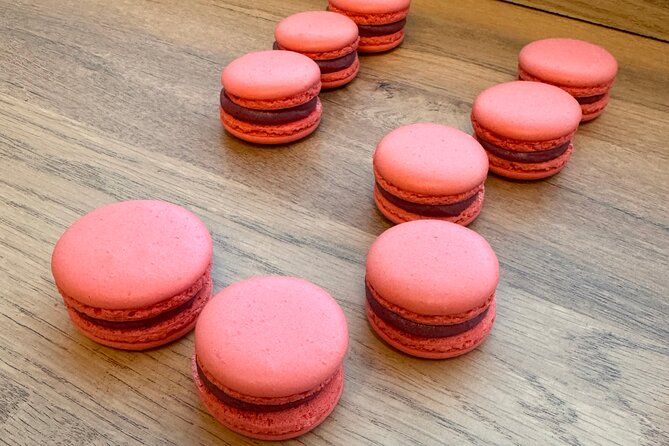
This workshop is built around one goal: helping you understand how macarons actually work, not just how to follow a recipe. You’ll learn the macaronage technique step by step, plus how to build the right texture and finish for the shells and the filling inside.
You also get a side of French food culture. The class is not only about mixing batter; it’s also a chance to hear how macarons fit into France’s wider pastry tradition and what chefs mean when they talk about precision.
The small-group format matters more than you might think. When there are only up to 10 people, your questions don’t get buried, and you’re more likely to get personal guidance when your batter looks slightly different than the example. That’s the difference between a “cute activity” and a skill you can repeat later.
Key Things You Should Know Before You Go
- Max 10 people means more attention while you’re mixing, piping, and troubleshooting.
- Technique-first teaching focuses on the macaronage process, not just a list of ingredients.
- You take home a full box of macarons you helped make.
- Flavor choice is part of the experience, with multiple filling options offered.
- English instruction is available, and the class includes drinks and everything you need to bake.
More aprons-on macaron and pastry classes
- Paris: Macaron Class at Galeries Lafayette
★ 4.2 · 1,196 reviews - Paris Croissant Small-Group Baking Class with a Chef
★ 5.0 · 910 reviews - Paris: French Croissant Baking Class with a Chef
★ 4.9 · 712 reviews - Paris Cooking Class: Learn How to Make Macarons
★ 5.0 · 634 reviews
Where You’ll Bake in Paris: Studio Pâtisserie at 85 Rue de Rome
You’ll meet at 85 Rue de Rome, 75017 Paris, and the class ends back at the same spot. It’s in Paris’s 17th arrondissement, and the experience is described as being near public transportation, which is a big help if you’re juggling museum time and dinner reservations.
Here’s the practical tip: because this is a strict, hands-on workshop, arrive with buffer time. I’m glad this class is clearly set up for a smooth start, but the trade-off is it doesn’t work like a drop-in pastry tasting. One booking issue in the feedback centered on wrong directions from an email link, so double-check the final address before you leave, and consider using your phone’s map app with the address written out.
What I like about the meeting setup is that it’s simple: one address, one stop, no hopscotch through multiple neighborhoods. That keeps your afternoon calm, which is exactly what you want when you’re about to work with batter that’s timing-sensitive.
The 2.5-Hour Macaron Game Plan: Shells, Macaronage, and Filling
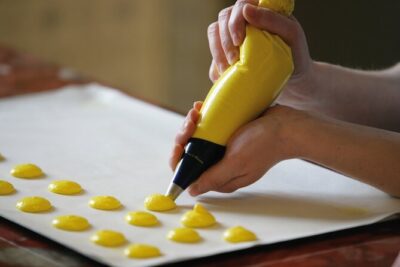
The heart of the class is the macaron process, taught in a way that works for different skill levels. The lesson covers making the macaron shells from start to finish and then creating the filling. You’ll also get guidance on the science and precision behind the results, including the macaronage technique.
In plain terms, macaronage is where most people get stuck. It’s the mixing step where the batter shifts from thick to smooth enough to pipe well, without going too far. Since the class is designed around teaching these small technical details, you’re more likely to understand what to look for while you’re working rather than just hoping your batter behaves.
You’ll also learn how to assemble the finished sandwiches. The class description emphasizes creating both texture and flavor, so it’s not just about getting a pretty shell. The goal is the full macaron experience: the crisp exterior, the correct interior bite, and a filling that matches what you want to taste.
Flavor Choices and the Take-Home Box: What You Leave With
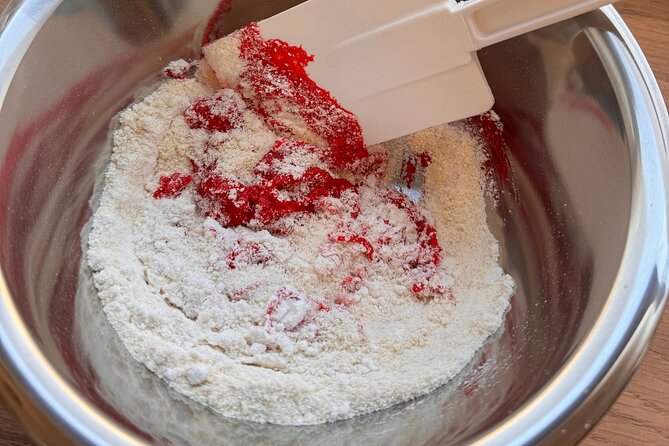
A major reason people book this in Paris is that macarons are expensive to buy, and they’re also fun to make. Here, the payoff is tangible: you leave with a batch you made, not just a small tasting.
Multiple classes offer flavor options for the fillings. You may see choices like fruit-forward and chocolate-based combinations. One person highlighted black currant and white chocolate as the flavors they chose, and it’s a good example of the variety you can expect when fillings are part of the lesson.
On take-home amount, feedback points to a generous outcome. Some people left with about two dozen macarons, while another noted a plan that results in around 15 pastries per person. Either way, assume you’ll want to bring something to keep your macarons safe on the way back to your hotel and dinner plans. If you’re flying soon after, you’ll also want to plan your timing so you have time to enjoy them before travel.
One more practical note: the class can include some social sharing at the end, like trading a portion of macarons or swapping what you made. Most people love this. Still, if you have hygiene concerns or you’re particular about which filling you want to keep, you should bring up your preference clearly at the start.
Chef Patissier Teaching Style: The Real Value Is Personal Attention
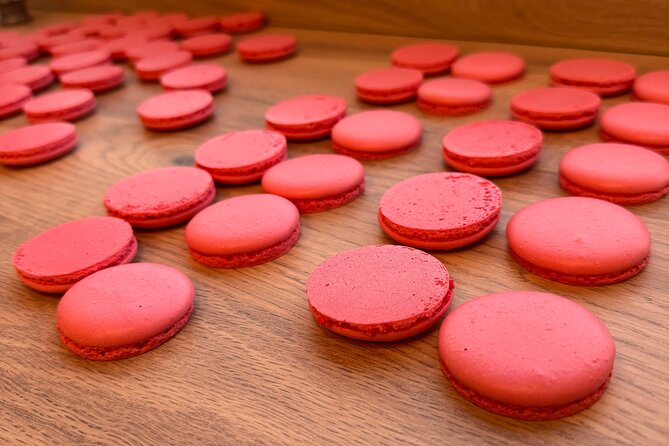
The most consistent praise is about teaching style. The class is led by Chef Patissier instructors, and names show up in the feedback: Vivian, Maria, Marie, and Leo. Even though the name varies by session, the pattern is similar: clear, step-by-step guidance with enough patience for beginners.
What stands out is that the instruction isn’t just theoretical. People specifically mention that they learned techniques and small details that recipes don’t explain well. That matches what you want from a Paris cooking class: not just an outcome, but repeatable understanding.
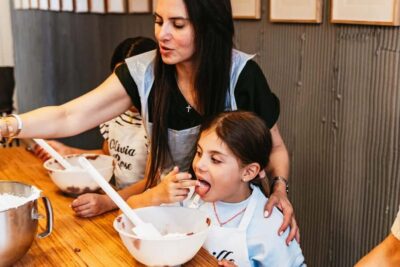
It also helps that the class is fun and interactive. Feedback mentions everything from an entertaining afternoon to instructors who make non-bakers feel comfortable. If you’re traveling with kids or teens, that matters too. Several sessions were described as great for younger participants, including parents cooking with children around ages 9, 14, and 15.
If you learn best when you can ask questions mid-process, this format is built for you. With up to 10 people, it’s far easier to get quick feedback while your batter is still in play.
Included Drinks, Ingredients, and the Chef’s Secret Recipe
This workshop includes coffee and/or tea and soda/pop. More importantly, it includes all baking ingredients and utensils, so you’re not spending vacation time hunting for almond flour or specialty items. The class also includes a chef’s secret recipe you can use at home.
That recipe is part of the value, because macarons aren’t just a “mix and bake” dessert. Your biggest wins come from understanding what to do when your batter looks slightly off. A good recipe at home is useful, but the real advantage is having the technique you practiced in class paired with the written steps you’ll reference later.
In other words: you’re not paying only for the macarons you eat during the workshop. You’re paying for the method, the troubleshooting experience, and the supplies that make the session possible without prep work.
Worth weighing up next to this Paris pick
Price and Value: Is $113.20 Worth It?
At $113.20 per person for about 2 hours 30 minutes, the price looks steep at first glance—until you break down what’s included.
You’re getting:
- a small-group baking class with an instructor,
- drinks,
- all ingredients and utensils,
- the chef’s recipe for home use,
- and a take-home batch of macarons.
If you’ve bought macarons in Paris, you know the cost adds up quickly. Here, the logic is different: you’re paying for instruction and materials, and the macarons are your “output.” That makes the price feel more reasonable than a simple tasting, because you walk away with both skills and a box of what you made.
This is also where your own goal matters. If you just want to eat sweets and move on, a packaged dessert shop stop might be cheaper. But if your goal is to learn a classic French technique and actually bring it home, the value is much stronger.
Logistics That Can Make or Break Your Afternoon
This experience is near public transportation, and it offers a mobile ticket. You’ll also receive confirmation at booking.
Here’s the main logistics consideration: time discipline. Because it’s live baking with strict start timing, arriving late can mean you don’t get seated in the process. One downside noted in feedback involved incorrect directions leading to a late arrival and then missing the class. Even if that doesn’t happen to you, it’s a good reminder to treat this like a cooking lab, not a casual stroll.
A simple plan:
- confirm the address for 85 Rue de Rome before you go,
- aim to arrive early enough to settle in,
- keep your route simple.
If you’re on a tight sightseeing schedule, this class also helps because it stays in one place and doesn’t require hopping between stops.
Who This Macaron Workshop Fits Best
This class works well for:
- first-time bakers who want technique without feeling overwhelmed,
- people who like clear step-by-step coaching,
- couples and friends who want a hands-on Paris activity together,
- parents cooking with kids (feedback highlights multiple families),
- and anyone who wants to understand the why behind macaron results.
It’s also a good fit if you want something more personal than a group demo. The class being capped at 10 people means you’re more likely to get real attention while you work.
If you’re the kind of person who gets stressed in kitchens, choose it anyway. The feedback repeatedly notes that non-bakers felt supported and that instructors kept things fun and not tense.
Should You Book This Macaron Class?
Book it if you want more than a photo. I’d choose this workshop when you care about technique, want to leave with a serious take-home box, and you like learning in a small group where you can ask questions.
Skip or rethink it if your day is already too tight and you can’t handle a strict start time. This is also worth considering if you don’t want any chance of sharing macarons; make your preference clear early so the end of class feels comfortable.
Bottom line: for a classic Paris pastry skill, this is one of those activities that’s more useful than it is flashy. You’ll spend a focused afternoon learning macaronage and assembling fillings, then you get the best part: the ability to make macarons again at home.
FAQ
How many people are in the macaron baking class?
The class has a maximum of 10 travelers.
How long is the experience?
It runs about 2 hours 30 minutes.
Is the class offered in English?
Yes, it is offered in English.
What is included in the price?
Coffee and/or tea, soda/pop, all baking ingredients and utensils, and the chef’s secret recipe for you to make at home.
Where do I meet for the class?
You meet at 85 Rue de Rome, 75017 Paris, France, and it ends back at the same meeting point.
Can I choose flavors for my macarons?
The experience includes flavor options, and participants can choose the flavors available for the class.
What is the cancellation policy?
Free cancellation is available up to 24 hours in advance of the experience start time for a full refund.
More Cooking Classes in Paris
- Paris Cooking Class and Lunch with Wine plus Market Visit Option
★ 5.0 · 1,024 reviews - Paris Croissant Small-Group Baking Class with a Chef
★ 5.0 · 910 reviews - Paris: French Croissant Baking Class with a Chef
★ 4.9 · 712 reviews - Paris Cooking Class: Learn How to Make Macarons
★ 5.0 · 634 reviews - Paris Evening Cooking Class French Dinner and Market Visit Option
★ 5.0 · 430 reviews
More Tour Reviews in Paris
- Paris: 1-Hour Seine Cruise departing from the Eiffel Tower
★ 4.4 · 77,472 reviews - Paris: Louvre Museum Timed-Entrance Ticket
★ 4.6 · 71,977 reviews - Disneyland® Paris 1-Day Ticket
★ 4.6 · 49,412 reviews - Paris: Versailles Palace and Gardens Full Access Ticket
★ 4.6 · 41,579 reviews - Paris: Arc de Triomphe Rooftop Tickets
★ 4.6 · 34,264 reviews
More Macaron and Pastry Classes
- Paris: Macaron Class at Galeries Lafayette
★ 4.2 · 1,196 reviews - Paris Croissant Small-Group Baking Class with a Chef
★ 5.0 · 910 reviews - Paris: French Croissant Baking Class with a Chef
★ 4.9 · 712 reviews - Paris Cooking Class: Learn How to Make Macarons
★ 5.0 · 634 reviews - Paris: French Macaron Culinary Class with a Chef
★ 4.9 · 591 reviews
Fresh off the review desk in Paris
- Secrets of Paris Bike Tour in English or Dutch★ 5.0 · 5 reviews
- Paris: Mont Saint-Michel Day Tour with Chinese Tour Guide★ 5.0 · 5 reviews
- Private Street Art 2-Hour Guided Tour in Paris★ 4.5 · 5 reviews
- Orsay Museum Tour: 2h Highlights (Private & Small Group)★ 5.0 · 5 reviews
- Discover Paris in electric golf carts★ 4.0 · 5 reviews
- Paris Private Boat Tour with your own Captain Guide★ 5.0 · 5 reviews
Paris Pastry & Macaron Classes, compared.
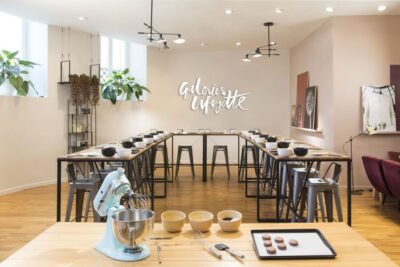 ★ 4.2Macaron Class at Galeries LafayetteFrom $691,196 reviews
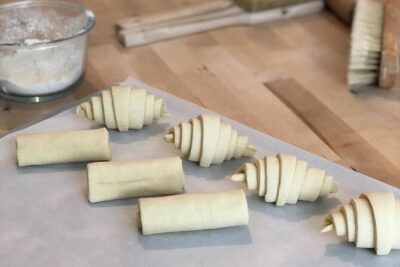 ★ 5.0Paris Croissant Small-Group Baking Class with a ChefFrom $157910 reviews
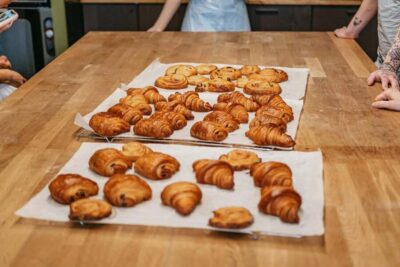 ★ 4.9French Croissant Baking Class with a ChefFrom $159712 reviews
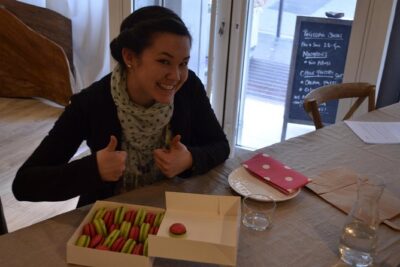 ★ 5.0Paris Cooking Class: Learn How to Make MacaronsFrom $156634 reviews
 ★ 4.9French Macaron Culinary Class with a Chef591 reviews
 ★ 5.0A Morning in Paris Food Tour: Croissants, Baguettes & ChocolateFrom $125556 reviews
 ★ 5.0Paris Chocolate, Macaron & Pastry Food Tour: 10 Gourmet TastingsFrom $118339 reviews
 ★ 5.0Paris Macarons Small-Group Baking Class with a ChefFrom $157316 reviews
Browse the lists this tour appears in