
Reviewed · MONTMARTRE TOURS
Paris: Montmartre & Sacre Coeur Guided Tour 12 guests 2,5h
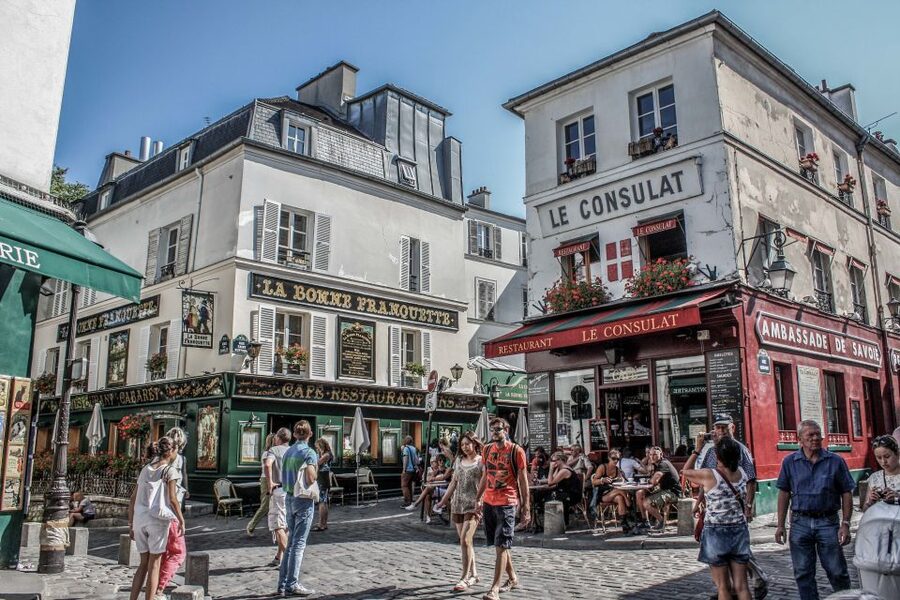
Montmartre has a talent for drama. With a group capped at 12 and guides like Eden or Tamari getting praised for making the neighborhood click, this 2.5-hour walk is built around real places tied to artists, cabarets, and Paris legend. I love how you connect Montmartre’s story to the actual streets (not just names on a map), and I love that the route mixes big icons with quieter corners you’d likely miss. One thing to consider up front: you’ll tackle a moderate amount of walking and hills, so wear shoes that can handle steep streets.
This is also good value if you want guided context without turning the day into a museum marathon. For $61, you get a guided walk plus a real visit to Sacré-Cœur, with time for views as the hilltop opens up over Paris.
In This Review
- Quick hits on Montmartre and Sacré-Cœur
- Why Montmartre still feels like a village on a hill
- Getting started on Boulevard de Clichy and keeping your day efficient
- Montmartre’s cobbled streets: what the 3-hour hillside walk really delivers
- Place du Tertre: where artists sell and stories feel close
- Moulin Rouge: a quick walk-through with the right context
- Van Gogh’s former home and the artist trail through real streets
- Dalida and the theatrical Montmartre vibe
- Sauvage Saint-Vincent Garden: a calmer pocket with a different viewpoint
- Vigne du Clos Montmartre and the idea of a working hill
- Lapin Agile and the Montmartre comedy spirit
- Dalí, Le Bateau-Lavoir, and the artist-making atmosphere
- Place des Abbesses: the end stretch you’ll remember
- Sacré-Cœur basilica: entering, then looking out over Paris
- How much walking is realistic, and who should plan for it
- Price and value: is $61 fair for 2.5 hours?
- Should you book this Montmartre and Sacré-Cœur guided tour?
- FAQ
- How long is the Montmartre and Sacré Coeur guided tour?
- What does the tour include?
- Is transportation or food included?
- What’s the group size?
- What languages are available for the guide?
- Are large bags allowed?
Quick hits on Montmartre and Sacré-Cœur
- Up to 12 people keeps the pace human and the guide’s attention easier to catch.
- Sacré-Cœur is the centerpiece, with time to go inside and enjoy the panorama.
- Artist trail, not a checklist: Van Gogh and other creators are tied to street-level locations.
- Belle Époque cabaret stories bring the Moulin Rouge area into focus as you pass through.
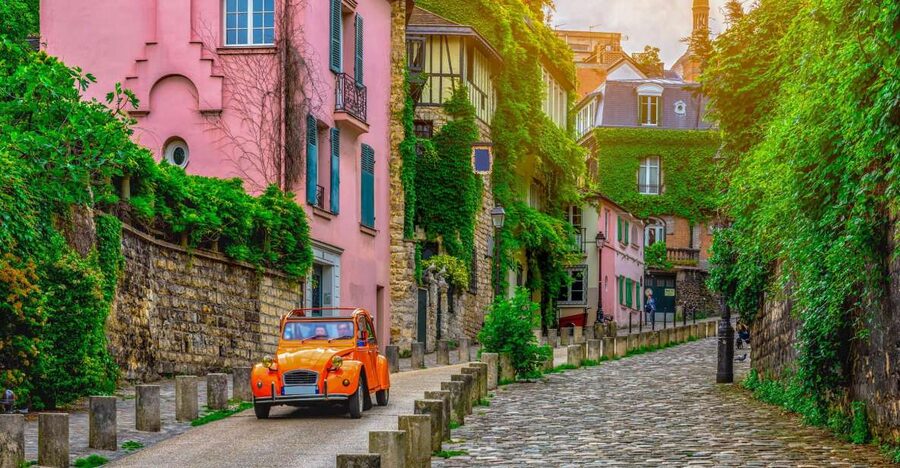
- Stops outside the postcard route show you Montmartre as a lived-in neighborhood, not a theme park.
- Hills are real: plan for steady climbs and good grip on cobblestones.
Why Montmartre still feels like a village on a hill
Montmartre works because it doesn’t behave like the rest of Paris. The streets feel narrower, the turns come faster, and the hill changes what you see from one block to the next. On this tour, the guide frames it as a neighborhood with a past that keeps pulling you back—especially through the arts scene and the cabarets tied to the Belle Époque.
What I like about this setup is that it gives you a way to interpret what you’re seeing. You’re not just walking to famous points; you’re learning why these places mattered, and how the neighborhood’s identity formed where artists, performers, and locals rubbed shoulders.
Keep climbing: more of the Montmartre hill
- Montmartre Hidden Gems and Scenic Highlights Walking Tour
★ 5.0 · 2,684 reviews - Montmartre Hill French Gourmet Food and Wine Tasting Walking Tour
★ 5.0 · 2,588 reviews - Paris: Montmartre Highlights Walking Tour with a Local Guide
★ 4.9 · 2,318 reviews - Paris: Montmartre Cheese, Wine & Pastry Guided Walking Tour
★ 4.8 · 2,255 reviews
Getting started on Boulevard de Clichy and keeping your day efficient
You’ll meet at a starting point that can vary depending on the option booked. The consistent part is the overall rhythm: you’ll be moving for about 150 minutes, with a strong emphasis on walking between viewpoints and story locations.
A couple practical notes that matter here:
- This is a walking tour, and hills are part of the deal.
- No large bags or luggage are allowed, so travel light if you can.
- Bring a passport or ID card.
If you’re tempted to wear stylish-but-iffy shoes, resist. The hilltop neighborhoods reward sturdy soles.
Montmartre’s cobbled streets: what the 3-hour hillside walk really delivers
The heart of the tour is a long stretch dedicated to Montmartre itself. Expect a mix of winding sidewalks, small plazas, and quick peeks at places with artistic legend attached. It’s the kind of route where a guide earns their pay: one minute you’re on a street that looks ordinary, and the next minute you’re hearing how that exact location fed a scene—paintings, music, theater, late-night talk.
During this phase, the tour also sets up the contrast you’ll feel all afternoon:
- the tourist magnets (you will still see them),
- plus the smaller pockets that keep the area from feeling like it’s only about souvenirs.
Place du Tertre: where artists sell and stories feel close

You’ll spend time at Place du Tertre, a classic Montmartre square known for its artist activity. The big advantage of stopping here on a guided walk is that you’re not just looking at what’s happening now—you’re getting the neighborhood logic behind why artists keep gravitating to this kind of spot.
This is also one of those places where you can control your own experience. You’ll have a short window to take photos, watch people work, and decide how deep you want to go into buying a sketch or just enjoying the atmosphere.
Moulin Rouge: a quick walk-through with the right context
You’ll pass by the Moulin Rouge area, not spend hours hovering at the entrance. That tradeoff is actually smart for a 2.5-hour tour: it lets you keep momentum through the neighborhood while still giving the guide time to frame the Moulin Rouge as part of a larger cabaret system.
The best moments here tend to come from stories that explain the place beyond the big sign—especially the kind of behind-the-scenes detail that connects famous performances to how Montmartre’s entertainment reputation formed.
Van Gogh’s former home and the artist trail through real streets
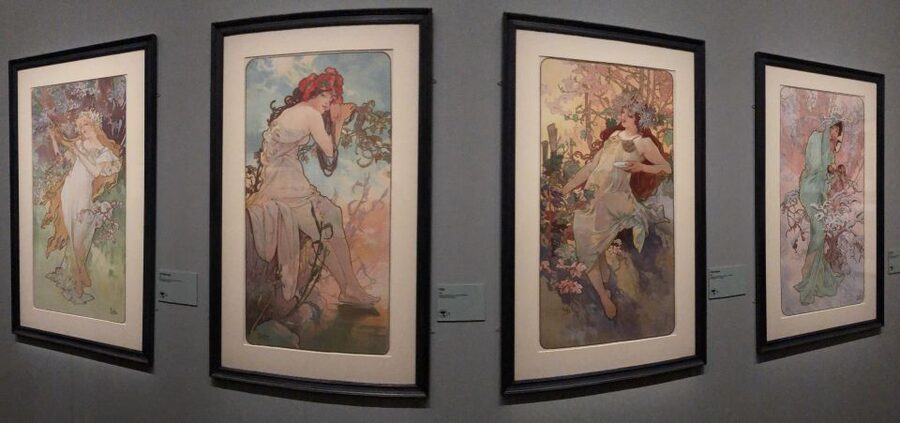
One of the tour’s strong points is tying art history to where people actually walked. You’ll see the area linked with Vincent van Gogh, plus references connected to other giants—like Pablo Picasso and Henri de Toulouse-Lautrec—as the guide explains how their presence shaped what Montmartre became.
What you’ll enjoy is the way the tour helps you spot meaning in plain sight. Even when you’re not standing at a museum-level “display,” you’re learning what to imagine when you look at corners, facades, and street layouts.
Worth weighing up next to this Paris pick




Dalida and the theatrical Montmartre vibe
Montmartre loves performance, and the tour leans into that with stops connected to Dalida. You’ll see the Dalida statue and also pass by spots tied to her, including Maison de Dalida.
This is a fun part of the walk because it adds a modern layer to the neighborhood’s artistic identity. The stories aren’t only about painters; they’re also about singers and the kind of cultural personality that made Montmartre feel electric long after the first wave of fame.
Sauvage Saint-Vincent Garden: a calmer pocket with a different viewpoint
Not every stop is about famous facades. You’ll pass by Sauvage Saint-Vincent Garden, and this matters because it shows you a different side of Montmartre—greener, quieter, and more like a neighborhood retreat than an attraction.
Even if you only glimpse it briefly, it helps break the day up. It’s a nice moment to reset your eyes before you climb back into the postcard views and story stops.
Vigne du Clos Montmartre and the idea of a working hill
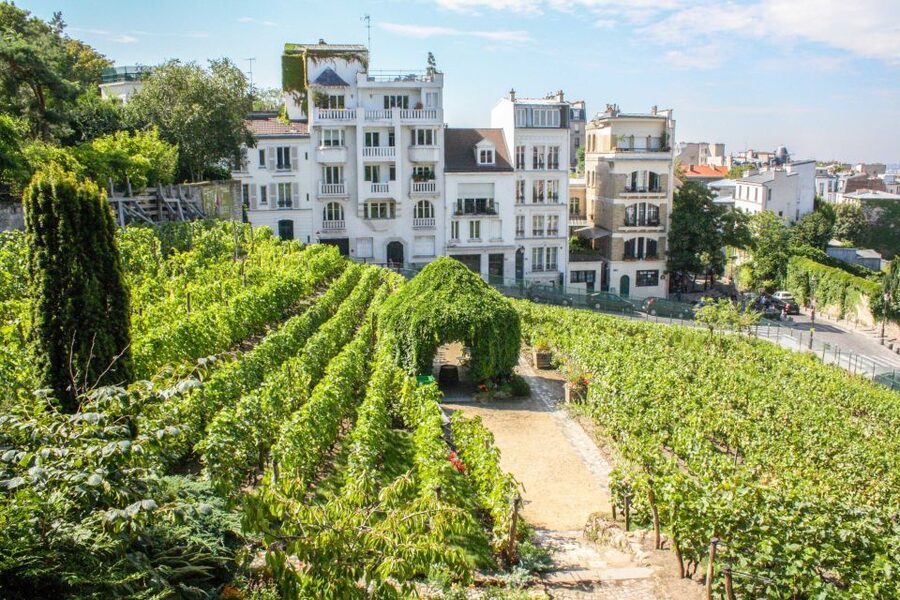
You’ll also pass Vigne du Clos Montmartre, the Montmartre vineyard spot. This stop adds a meaningful contrast: the hill isn’t only about nightlife and art. It also has working, seasonal rhythms—another reason the area feels more like a community than a theme set.
If you like places that show how a city uses space, this one tends to land well. It also gives you a moment to think about how Montmartre’s “hilltop identity” wasn’t always about crowds.
Lapin Agile and the Montmartre comedy spirit
Next up is Lapin Agile, a name that comes with serious Montmartre mythology. You’ll pass by it during the walk, and the value here is the guide’s storytelling that ties the venue’s reputation to the area’s entertainment culture.
The vibe you’re looking for is playful, slightly offbeat, and very Montmartre. Even if you’re not a deep dive into cabaret folklore, the stop helps you understand why people keep returning to this neighborhood for the feeling—not just the photos.
Dalí, Le Bateau-Lavoir, and the artist-making atmosphere
The tour also includes multiple stops tied to artists and their spaces, including Dalí Paris, Le Bateau-Lavoir, and the Maison de Dalida area. These aren’t all big “go inside” moments; some are pass-by looks, but the guide’s job is to point out why each location fits the larger pattern.
A couple guide behaviors that show up in the best versions of this tour (and are worth anticipating):
- using explanations that connect artists to specific neighborhood mechanics (who gathered where, and why),
- and sometimes using a tablet-style before-and-after approach to show how the area changed over time.
Even if your guide doesn’t use tech, you’ll still get the narrative link: Montmartre kept remixing creative life, and these names are markers of that momentum.
Place des Abbesses: the end stretch you’ll remember
You’ll pass by Place des Abbesses toward the later part of the walk. This stop gives the route a satisfying “neighborhood close” feeling—less about one headline landmark and more about how Montmartre holds together through squares, streets, and small shifts in scenery.
It’s a useful reminder that the neighborhood doesn’t end at the famous stairs and basilica views. It keeps going, and your guide’s route helps you see that continuity.
Sacré-Cœur basilica: entering, then looking out over Paris
Finally, you reach Sacré-Cœur basilica, with time to walk over and take in the building and its setting. The standout experience here is the combination of inside-and-outside impact: a bright, white basilica perched high on the hill, plus sweeping sightlines over the city.
The tour also builds in a timing element aimed at making the view feel special, with the possibility of panoramic views over Paris as the sun goes down. If you’re chasing that classic “Paris spreads out beneath me” moment, this is your payoff.
Inside, you should expect normal site rules—quiet or restricted speaking in certain areas can apply. It’s also worth knowing that occasionally places in the area can have access delays. If openings shift by more than an hour from the start time, an alternative may be arranged, but refunds or discounts aren’t guaranteed.
How much walking is realistic, and who should plan for it
This tour is listed as involving a moderate amount of walking, and it’s not available for people with mobility impairments or wheelchair users. That’s not a “maybe”—it’s a clear signal that the route and hill grading are part of the experience.
So who fits best?
- You enjoy walking and hills without needing frequent long stops.
- You want a guide to interpret what you’re seeing while you move.
- You like art, cabaret culture, and the names that haunt Montmartre’s corners.
Who might hesitate?
- Anyone who struggles on steep grades or rough cobblestones.
- Anyone who wants a sit-down, low-effort sightseeing day.
Price and value: is $61 fair for 2.5 hours?
For $61 per person, you’re paying for three things: a guided walk (with context), a small group size (so the guide can stay interactive), and an actual Sacré-Cœur visit included in the price.
You’re not paying for:
- transportation,
- food,
- long museum-style time inside multiple major attractions.
That can be a good deal if you’re trying to maximize orientation. In a city where it’s easy to spend hours in lines or wandering without a narrative, a 2.5-hour guided route can help you leave Montmartre feeling like you understand it—at street level.
If you’re the type who likes to linger at each place for long photos, this might feel a bit fast. But if you want a strong “Montmartre + Sacré-Cœur” hit with guidance, it’s priced like a practical city strategy.
Should you book this Montmartre and Sacré-Cœur guided tour?
I’d book it if you want a small-group, art-and-cabaret-focused Montmartre walk that ends with a proper hilltop basilica moment. It’s also a smart pick early in your trip if you like getting your bearings fast—because the guide helps you connect the neighborhood’s past to what you’re seeing in front of you.
I’d skip it if hills and steady walking are a problem for you, or if you’d rather spend your time in fewer places with longer stops. This is a moving tour. It works best when you’re ready to walk and listen.
FAQ
How long is the Montmartre and Sacré Coeur guided tour?
It lasts about 150 minutes, or roughly 2.5 hours.
What does the tour include?
You get a walking tour, an English-speaking guide (the guide language can vary), and a visit to Sacré-Cœur basilica.
Is transportation or food included?
No. Food and drinks are not included, and transportation is not included.
What’s the group size?
The tour has a maximum of 12 guests per guide for a more intimate experience.
What languages are available for the guide?
French, English, Spanish, Italian, Russian, and German.
Are large bags allowed?
No luggage or large bags are allowed.
More Tours in Paris
- Paris: Louvre Guided Tour with Reserved Access & Boat Cruise
★ 4.3 · 16,353 reviews - Paris: Big Bus Hop-On Hop-Off Tour with Optional Cruise
★ 4.4 · 13,279 reviews - Louvre Museum Masterpieces Guided Tour with Access
★ 4.5 · 12,023 reviews - Versailles: Skip-the-Line Tour of Palace and Gardens Access
★ 4.7 · 10,429 reviews - Paris: Louvre Overview, Exploration tour and Reserved Entry
★ 4.1 · 10,145 reviews
More Tour Reviews in Paris
- Paris: 1-Hour Seine Cruise departing from the Eiffel Tower
★ 4.4 · 77,472 reviews - Paris: Louvre Museum Timed-Entrance Ticket
★ 4.6 · 71,977 reviews - Disneyland® Paris 1-Day Ticket
★ 4.6 · 49,412 reviews - Paris: Versailles Palace and Gardens Full Access Ticket
★ 4.6 · 41,579 reviews - Paris: Arc de Triomphe Rooftop Tickets
★ 4.6 · 34,264 reviews
More of the Montmartre Hill
- Montmartre Hidden Gems and Scenic Highlights Walking Tour
★ 5.0 · 2,684 reviews - Montmartre Hill French Gourmet Food and Wine Tasting Walking Tour
★ 5.0 · 2,588 reviews - Paris: Montmartre Highlights Walking Tour with a Local Guide
★ 4.9 · 2,318 reviews - Paris: Montmartre Cheese, Wine & Pastry Guided Walking Tour
★ 4.8 · 2,255 reviews - The Secrets of Montmartre Walking Tour
★ 4.8 · 1,258 reviews
Fresh off the review desk in Paris
- Secrets of Paris Bike Tour in English or Dutch★ 5.0 · 5 reviews
- Paris: Mont Saint-Michel Day Tour with Chinese Tour Guide★ 5.0 · 5 reviews
- Private Street Art 2-Hour Guided Tour in Paris★ 4.5 · 5 reviews
- Orsay Museum Tour: 2h Highlights (Private & Small Group)★ 5.0 · 5 reviews
- Discover Paris in electric golf carts★ 4.0 · 5 reviews
- Paris Private Boat Tour with your own Captain Guide★ 5.0 · 5 reviews
Montmartre Tours, compared.
 ★ 5.0Montmartre Hidden Gems and Scenic Highlights Walking TourFrom $382,684 reviews
 ★ 5.0Montmartre Hill French Gourmet Food and Wine Tasting Walking TourFrom $1452,588 reviews
 ★ 4.9Montmartre Highlights Walking Tour with a Local GuideFrom $232,318 reviews
 ★ 4.8Montmartre Cheese, Wine & Pastry Guided Walking TourFrom $1272,255 reviews
The Secrets of Montmartre Walking TourFrom $331,258 reviews
★ 4.8Montmartre Cheese, Wine & Pastry Guided Walking TourFrom $1272,255 reviews
The Secrets of Montmartre Walking TourFrom $331,258 reviews
 ★ 5.0Private Montmartre Food Tour with Wine, Cheese & PastriesFrom $3021,027 reviews
 ★ 4.1Sacré-Coeur and Montmartre Tour with Expert GuideFrom $281,027 reviews
 ★ 5.0Paris Montmartre Food Tour – A Full French Meal by Do Eat BetterFrom $95877 reviews
Browse the lists this tour appears in