
Reviewed · ORSAY MUSEUM TOURS
Paris: Musée d’Orsay Masterpieces Guided Tour
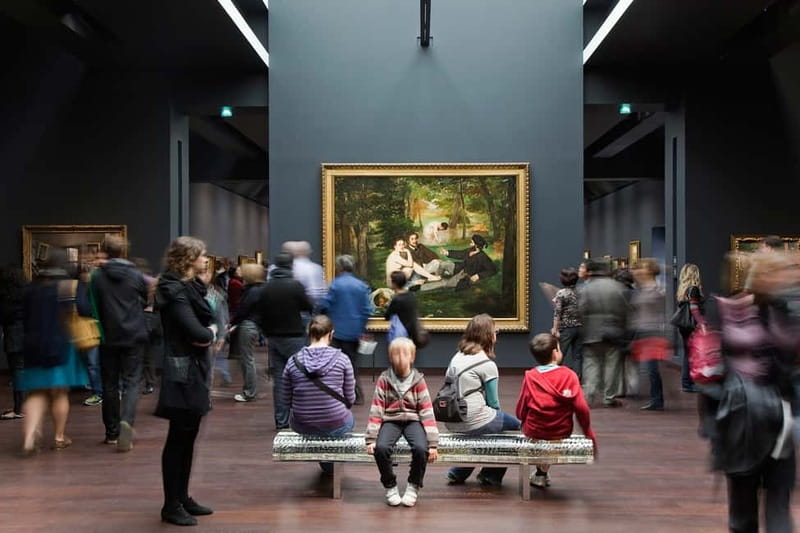
Impressionism is easier when someone points clues. This 2-hour Musée d’Orsay guided tour is a smart way to see the museum’s biggest works with pre-booked entry and an English-speaking art historian doing the heavy lifting. I like that you get a tight route through Impressionism and Post-Impressionism, including major names like Renoir and Monet. The main catch: it involves a fair amount of walking, and many areas are not air-conditioned.
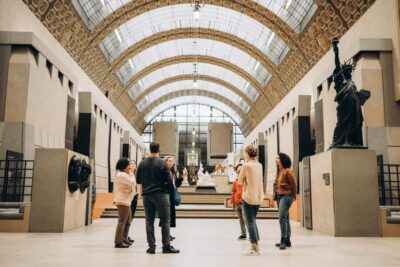
You start outside the museum area at 5 Rue de la Légion d’Honneur, right where you can spot the guide holding a City Wonders sign near the stairs toward Musée d’Orsay. The setting is part of the fun too: you’re touring a former railway station turned museum, in a grand Beaux Arts building that makes the artwork feel like it belongs in Paris.
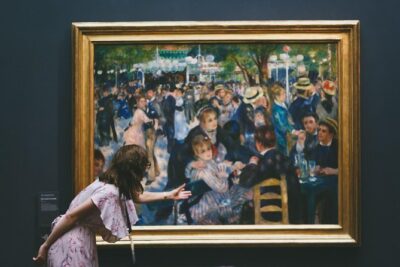
Inside, you’ll follow your guide through a curated highlight plan, with headsets when needed to keep the explanations clear. Expect stops that connect the art to its moment in time, from an era that faced harsh criticism to the techniques you’ll recognize instantly once they’re pointed out. If you’ve heard of works like Van Gogh’s Starry Night over the Rhône and Renoir’s Dance at Le Moulin de la Galette, this tour is built to help those paintings click into place.
In This Review
- Key highlights worth your attention
- Why Musée d’Orsay feels different from other Paris art stops
- Pre-booked entry: turning waiting time into art time
- Meeting point and getting there without a mini headache
- What happens during the 2-hour guided route
- Stop 1: The museum as context, not just a box to enter
- The middle: A guided path through Impressionism and Post-Impressionism
- The final stretch: Famous highlights and why they matter
- The big paintings you’ll connect with: Renoir, Monet, Manet, Van Gogh, and more
- Guides and headsets: the difference between seeing and understanding
- Price and value: what $69 buys you in real terms
- Practical limits: what you can bring, and what you can’t
- Who this tour suits best (and who should pick another option)
- Should you book this Musée d’Orsay guided tour?
- FAQ
- How long is the Musée d’Orsay guided tour?
- Where do I meet the guide?
- Is admission to Musée d’Orsay included in the price?
- Does this tour help you avoid the ticket line?
- What should I bring or wear?
- Is the tour wheelchair accessible?
Key highlights worth your attention
- Pre-booked entry helps you skip the ticket line so you can spend your limited time on art
- Small-group options: semi-private tours (6 people) or group tours up to 25
- World-class Impressionist focus with major artists including Monet, Renoir, Manet, Cézanne, and Degas
- Real historical context, including why the Impressionists faced severe criticism in their day
- Headsets to keep you hearing the guide clearly when the museum gets noisy
Why Musée d’Orsay feels different from other Paris art stops
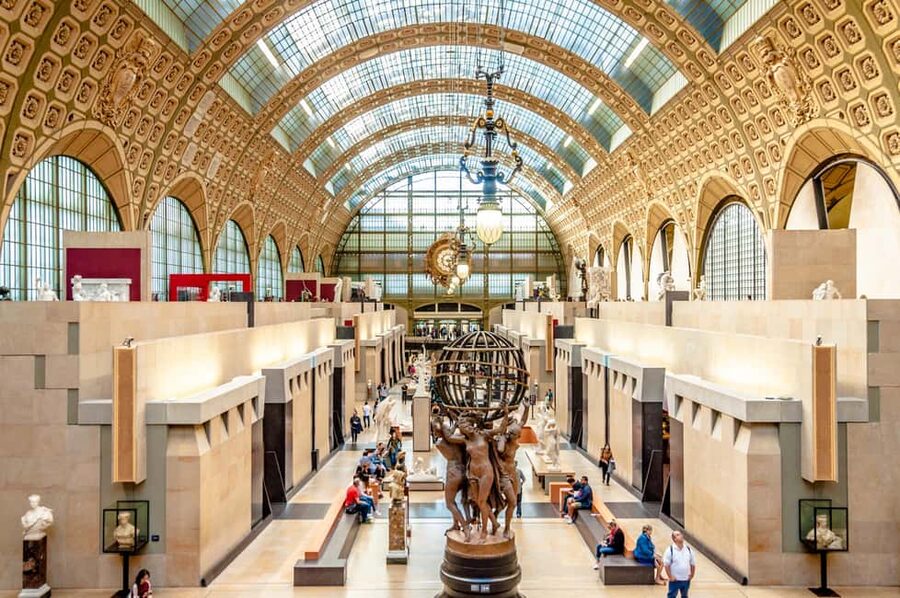
Musée d’Orsay has a building problem in the best way: it’s gorgeous first, museum second. You’re stepping into a former railway station with that high, airy, light-filled feel. That matters because Impressionism is all about how people see—light, color, movement—and the architecture supports that mood.
I also like the museum’s time range. Instead of drifting across centuries, you’re funneled into a specific artistic turning point—Impressionism and Post-Impressionism—when taste was changing fast and critics weren’t always kind. A good guide helps you notice what looks new and what was shocking about it at the time, so the paintings aren’t just pretty pictures.
If you love Paris for the feel of a Sunday afternoon—crowds, café life, riverside views—Orsay leans into that too. Renoir’s Dance at Le Moulin de la Galette is the kind of work that feels like you’re watching a slice of life, not just studying paint.
More hours with the Impressionists at the Orsay
- Paris: Orsay Museum Entry Ticket
★ 4.7 · 25,647 reviews - Paris: Orsay Museum Entry Ticket and Digital Audio Guide App
★ 4.4 · 3,170 reviews - Paris in a Day: Louvre or Orsay, Eiffel Tower, City Walk & Cruise
★ 5.0 · 1,956 reviews - Paris: Musée d’Orsay Skip-the-Line Tour with Expert Guide
★ 4.5 · 1,145 reviews
Pre-booked entry: turning waiting time into art time
Orsay is popular, which is exactly why this tour’s pre-booked access is a big deal. You still have to enter during normal museum flow, but skip-the-ticket-line style entry usually means less time shuffling in queues and more time standing in front of the paintings that actually matter to you.
In a 2-hour tour, minutes count. This isn’t a “wander forever” plan. It’s a guided highlight route, which means you get the museum’s best-known works and the connections between artists—without losing half the visit to logistics.
One more practical point: you’ll likely spend time adjusting to the museum layout—Orsay isn’t laid out like a simple hallway. Pre-booking won’t fix that, but it does reduce stress at the start, when you’re most likely to feel rushed.
Meeting point and getting there without a mini headache
Your start is straightforward: meet your guide at 5 Rue de la Légion d’Honneur. You should find the guide near the entrance area next to the stairs ascending toward Musée d’Orsay, holding a City Wonders sign. If you arrive and can’t spot the sign quickly, look for the stairs toward the museum and the area between Rue de la Légion d’Honneur and the museum-facing courtyard.
Public transport options are clear:
- RER Line C to Musée d’Orsay station
- Metro Line 12 to Solferino, then exit 2 (signposted Musée d’Orsay), and walk up Rue de Bellechasse
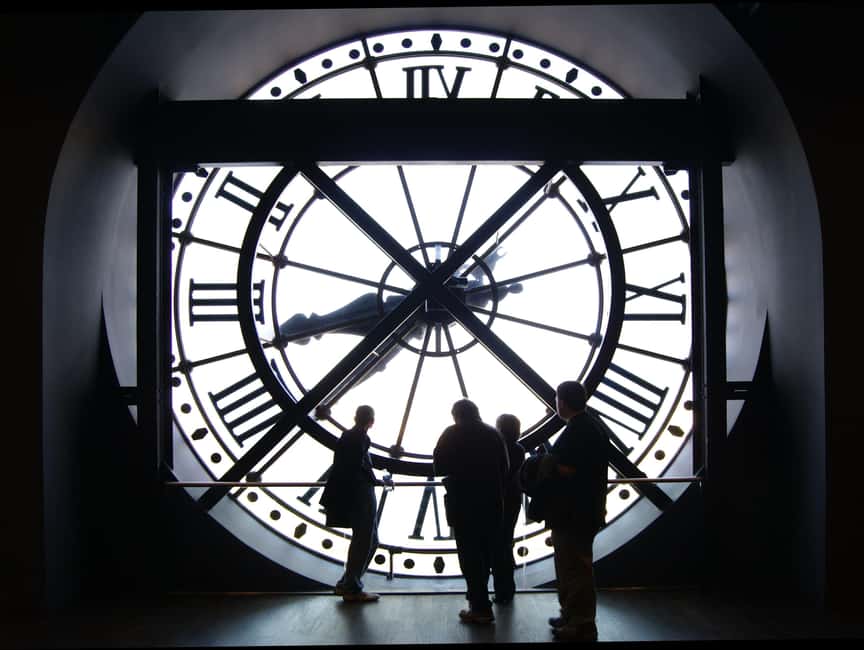
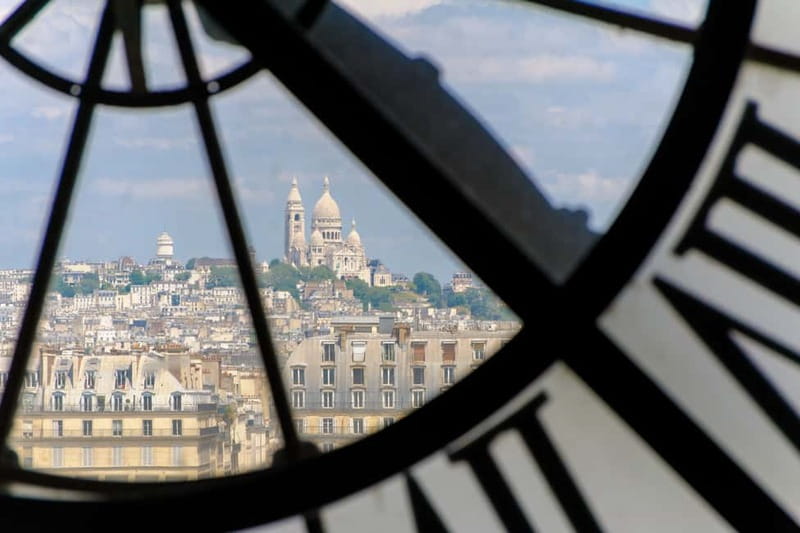
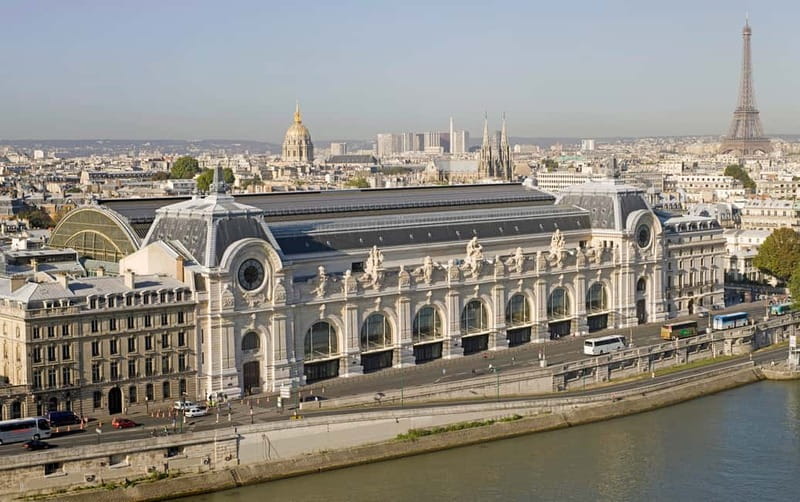
If you’re walking, you’ve got an easy navigation clue: Musée d’Orsay overlooks the Seine on Quai Anatole France. It’s the large building facing the river with two clocks on the facade, and the courtyard sits between Quai Anatole France and Rue de la Légion d’Honneur.
Two planning tips from experience-style practicality: wear comfortable shoes, and give yourself a few extra minutes to get oriented outside. Orsay looks like one big “thing,” but inside it’s a maze of rooms and levels, so starting calm helps.
What happens during the 2-hour guided route
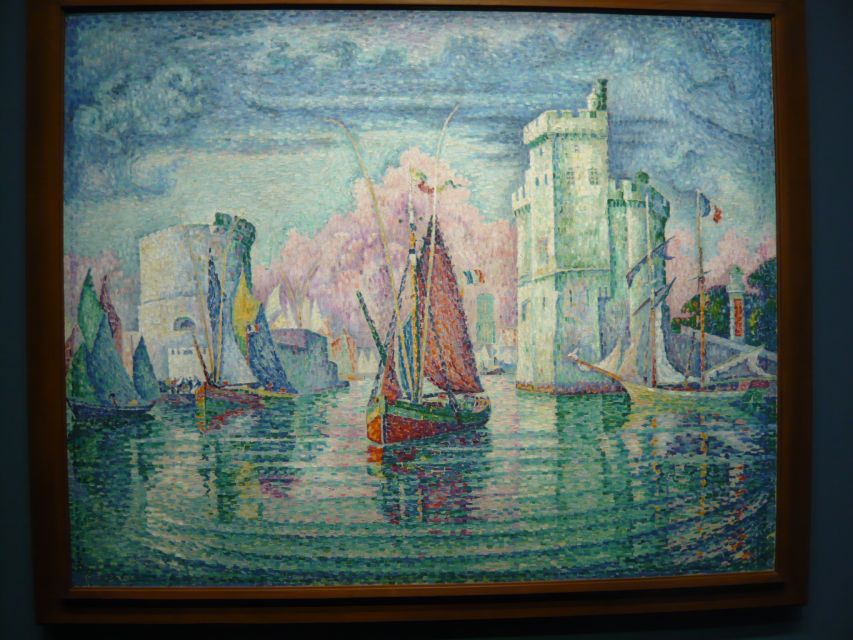
This tour is built around a paced, guided walkthrough. You’ll spend about 2 hours inside Musée d’Orsay with an English-speaking art historian guide, then return to the same meeting point at 5 Rue de la Légion d’Honneur. The structure is simple, but the effect is smart: the guide sets the story so you’re not just looking at art—you’re tracking change over time.
Stop 1: The museum as context, not just a box to enter
Right after you meet, the guide typically sets the scene: what period you’re in, why the Impressionists were controversial, and how to read the paintings in front of you. This is where the tour can feel different from a self-guided visit. You’ll know what to look for before you’re standing in front of something famous.
The middle: A guided path through Impressionism and Post-Impressionism
The heart of the tour is learning how artists changed their techniques and priorities—especially how they handled light, color, and modern life. Your guide will connect the dots between major names like Monet, Renoir, Manet, Cézanne, and Degas, instead of letting those names float separately.
Expect to hear explanations that help you spot why these works weren’t instantly accepted. Many Impressionist techniques were criticized at the time, and the tour’s story angle helps you understand the push-and-pull between tradition and what was new.
Worth weighing up next to this Paris pick




The final stretch: Famous highlights and why they matter
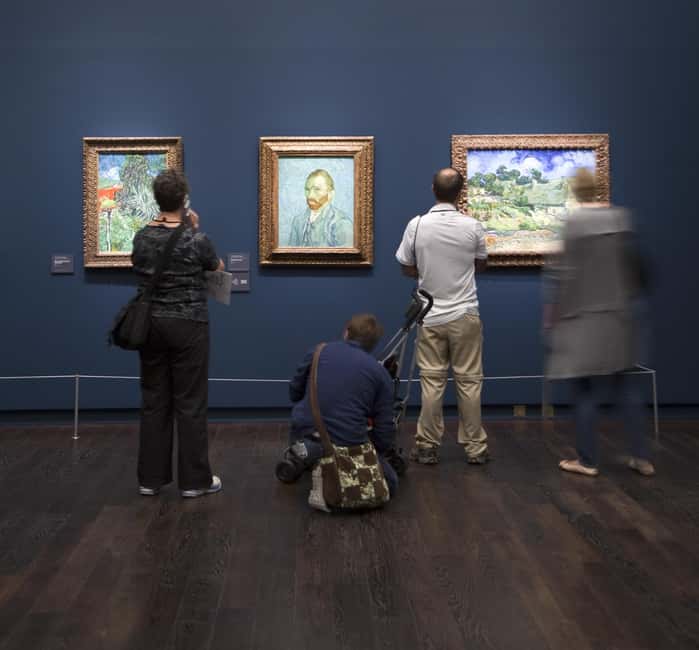
Near the end, you’ll hit iconic works that anchor your understanding of the whole movement. For example, Van Gogh’s Starry Night over the Rhône is a great “bridge” painting to remember, because it gives you color and mood in a way that feels emotional rather than strictly realistic. Renoir’s Dance at Le Moulin de la Galette is another strong closer, since it helps you understand how painters captured social life with brushwork and light.
Because it’s a 2-hour plan, you won’t see everything in the museum. But you’ll leave with a clearer sense of what to return for if you want a slower second pass.
The big paintings you’ll connect with: Renoir, Monet, Manet, Van Gogh, and more
The best part of this kind of guided highlight tour is that the guide helps you read what you’re already seeing. Without that, you might admire the brushwork and move on. With it, you start noticing patterns—how a painter builds light, how figures are arranged, and why a scene looks the way it does.
Here are some of the specific masterpieces this tour is known for covering:
- Renoir: Dance at Le Moulin de la Galette, often used to explain how Impressionist scenes feel like everyday life
- Van Gogh: Starry Night over the Rhône, which helps you understand how emotion and color can lead the image
- Monet and Manet: key works that represent the era’s turning point and the shift in technique
- Cézanne and Degas: works that add variety in style and subject, so you don’t leave thinking Impressionism is one single look
What I like is the way this helps you build a mental map. After the tour, you’re more likely to recognize what you’re seeing on a return visit—Impressionist light versus Post-Impressionist structure, or how different artists approached people and modern scenes.
Also, the museum’s collection is heavily Parisian in spirit. That matters. These paintings aren’t just “French art.” They reflect the city’s rhythms—markets, Sundays, riverside views—and that makes the works easier to place in your head.
Guides and headsets: the difference between seeing and understanding
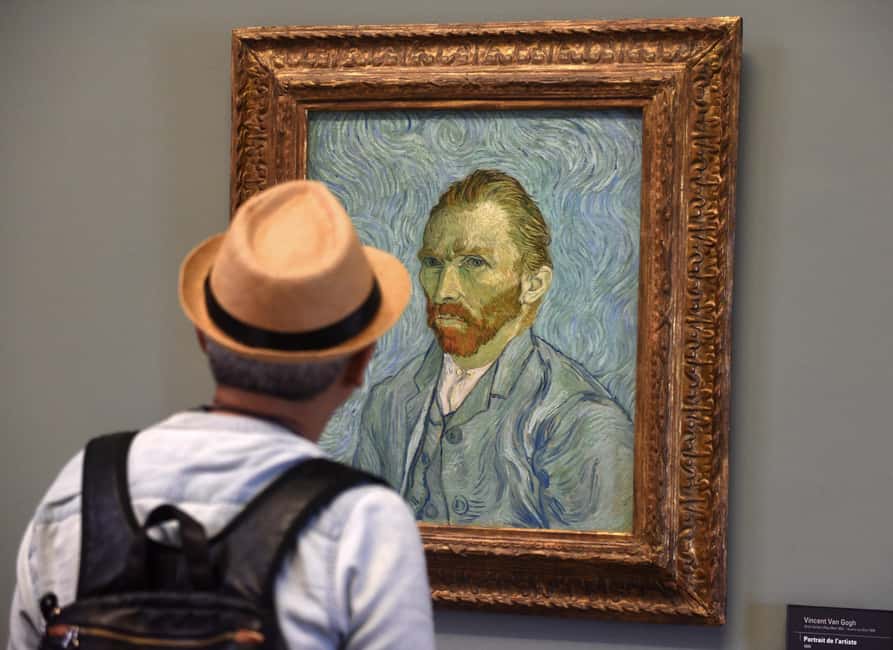
You’re buying more than entrance. You’re buying a real-time translator between you and the paintings.
The included English guide is a standout for many people. You’ll see praise for guides like Anais, Laurent, Karine, Hamish, Abad/Abed, Blerta, and others for explaining context clearly and keeping the pace right for a 2-hour slot. Some guides are praised for pacing that feels efficient without rushing you through the art, which is exactly what you want when your time is limited.
Headsets are included and used when needed. In a past tour experience, audio equipment had trouble for one group, and the guide handled it with calm—one more reminder that this is a live operation, not a robotic recording.
One practical expectation to set: if you’re sensitive to noise, Orsay can be loud. The headset helps, but you’ll still be moving through crowds. The upside is that the guide can use that energy to keep you focused on the key works in the right order.
Price and value: what $69 buys you in real terms
At about $69 per person for a 2-hour tour, you’re paying for three things:
1) a reserved museum experience (entrance and reservation fees),
2) an English-speaking art historian guide, and
3) headsets to make the explanations work in a busy room.
If you tried to do this on your own, you’d pay the museum admission anyway. The value here is the shortcut in interpretation. In art museums, the biggest time-cost isn’t only the ticket line—it’s the time it takes to figure out what matters and why. This tour is meant to reduce that figuring-out time.
Is it worth it for you? If you only have one shot at Orsay or you want to prioritize the greatest hits, yes. If you’re the type who wants to sit and stare without a schedule, you may prefer self-guided time and come back with fresh eyes.
Think of it this way: this tour is for getting oriented and making the art start talking to you. Then you decide how much extra time you want afterward.
Practical limits: what you can bring, and what you can’t
This is where you avoid friction.
You should bring comfortable shoes because the tour involves a fair amount of walking. France doesn’t always use air-conditioning in older buildings, and Orsay is part of that reality—so plan for warm conditions in summer.
Also, Orsay group rules matter. For this tour, you can’t bring:
- baby strollers or baby carriages
- luggage or large bags
- backpacks
And flash photography is not allowed.
The tour also isn’t suitable for wheelchair users. If you need special assistance, this particular format may not work for you.
If you’re traveling with a day bag, keep it simple. Aim to travel light so the rules don’t slow down your entry or create stress once you’re inside.
Who this tour suits best (and who should pick another option)
This guided highlight tour fits you best if:
- You want the Impressionist core—Monet, Renoir, Manet—and you don’t want to waste your time hunting
- You like historical context, especially how critics treated the movement
- Your schedule is tight and you want a plan that ends after 2 hours
- You enjoy asking questions and getting answers on the spot (the semi-private option with 6 people can be great for this)
It may not suit you if:
- You want a full, slow museum day with minimal structure
- You’re traveling with a stroller, large bags, or a backpack
- Heat and lots of walking are a dealbreaker for you
- You need wheelchair access, since it isn’t designed for that
Should you book this Musée d’Orsay guided tour?
I’d book it if you want to turn 2 hours into a meaningful understanding of Impressionism and Post-Impressionism. The mix of pre-booked entry, an English guide, and headsets is built for people who want value without getting stuck in museum logistics.
Skip it if you’re planning to spend most of the day in Orsay at your own pace, or if your needs don’t match the walking-heavy format and the gear limits (no strollers, no large bags, no backpacks). In that case, a self-guided visit with more time might fit better.
If you do book, do yourself a favor: plan to arrive ready to walk, and schedule a little extra time after the tour. That way, you can return to a few paintings you’re now able to read, not just admire.
FAQ
How long is the Musée d’Orsay guided tour?
The tour lasts 2 hours.
Where do I meet the guide?
Meet at 5 Rue de la Légion d’Honneur, next to the stairs ascending toward Musée d’Orsay. The guide will be waiting with a City Wonders sign.
Is admission to Musée d’Orsay included in the price?
Yes. The tour price includes entrance and reservation fees for Musée d’Orsay.
Does this tour help you avoid the ticket line?
Yes. The tour includes skip-the-ticket-line access with pre-booked entry.
What should I bring or wear?
Wear comfortable shoes, since the tour involves a fair amount of walking.
Is the tour wheelchair accessible?
No. The tour is not suitable for wheelchair users, and it can’t accommodate guests who need special assistance.
More Tours in Paris
- Paris: Louvre Guided Tour with Reserved Access & Boat Cruise
★ 4.3 · 16,353 reviews - Paris: Big Bus Hop-On Hop-Off Tour with Optional Cruise
★ 4.4 · 13,279 reviews - Louvre Museum Masterpieces Guided Tour with Access
★ 4.5 · 12,023 reviews - Versailles: Skip-the-Line Tour of Palace and Gardens Access
★ 4.7 · 10,429 reviews - Paris: Louvre Overview, Exploration tour and Reserved Entry
★ 4.1 · 10,145 reviews
More Tour Reviews in Paris
- Paris: 1-Hour Seine Cruise departing from the Eiffel Tower
★ 4.4 · 77,472 reviews - Paris: Louvre Museum Timed-Entrance Ticket
★ 4.6 · 71,977 reviews - Disneyland® Paris 1-Day Ticket
★ 4.6 · 49,412 reviews - Paris: Versailles Palace and Gardens Full Access Ticket
★ 4.6 · 41,579 reviews - Paris: Arc de Triomphe Rooftop Tickets
★ 4.6 · 34,264 reviews
More at the Musee d'Orsay
- Paris: Orsay Museum Entry Ticket
★ 4.7 · 25,647 reviews - Paris: Orsay Museum Entry Ticket and Digital Audio Guide App
★ 4.4 · 3,170 reviews - Paris in a Day: Louvre or Orsay, Eiffel Tower, City Walk & Cruise
★ 5.0 · 1,956 reviews - Paris: Musée d’Orsay Skip-the-Line Tour with Expert Guide
★ 4.5 · 1,145 reviews - Musée d’Orsay Skip-the-Line Tour with Expert Guide
★ 4.8 · 1,088 reviews
Fresh off the review desk in Paris
- Secrets of Paris Bike Tour in English or Dutch★ 5.0 · 5 reviews
- Paris: Mont Saint-Michel Day Tour with Chinese Tour Guide★ 5.0 · 5 reviews
- Private Street Art 2-Hour Guided Tour in Paris★ 4.5 · 5 reviews
- Orsay Museum Tour: 2h Highlights (Private & Small Group)★ 5.0 · 5 reviews
- Discover Paris in electric golf carts★ 4.0 · 5 reviews
- Paris Private Boat Tour with your own Captain Guide★ 5.0 · 5 reviews
Orsay Museum Tours, compared.
 ★ 4.7Orsay Museum Entry TicketFrom $1525,647 reviews
 ★ 4.4Orsay Museum Entry Ticket and Digital Audio Guide AppFrom $313,170 reviews
 ★ 5.0Paris in a Day: Louvre or Orsay, Eiffel Tower, City Walk & CruiseFrom $1571,956 reviews
 ★ 4.5Musée d’Orsay Skip-the-Line Tour with Expert GuideFrom $671,145 reviews
 ★ 4.8Musée d’Orsay Skip-the-Line Tour with Expert GuideFrom $821,088 reviews
 ★ 5.0The Musée d’Orsay Guided Tour Orsay Museum Semi-Private 6ppl MaxFrom $144904 reviews
 ★ 5.0Louvre & Musée d’Orsay Guided Museum Tour Semi-Private 6ppl MaxFrom $288619 reviews
 ★ 4.7Musée d’Orsay Ticket and Guided TourFrom $69569 reviews
Browse the lists this tour appears in