
Reviewed · 2-HOUR EXPERIENCES
Paris Picasso Museum 2-Hour Private Small-Group Tour
Picasso in Paris is a feast for the eyes and the brain. This 2-hour private visit gets you into the Picasso Museum fast, then walks you through Picasso’s career with a guide who makes connections you’d miss on your own. You’ll also get context that reaches beyond the galleries, including stops-in-the-story like Picasso’s drinking dens and a view tied to the Arc de Triomphe.
I especially like two things. First, the skip-the-line entry means you spend your limited time looking at art, not waiting. Second, the tour approach focuses on how Picasso changed—new techniques, new ideas, and rivalries with the likes of Matisse, Dalí, and Rousseau—so it feels like a guided conversation, not a lecture.
One possible drawback: this is only two hours, so you won’t see every square inch of the collection. If you want to linger for a long time with every painting, you may feel slightly rushed.
In This Review
- Key highlights you’ll actually feel during the tour
- Entering the Hôtel Salé Picasso Museum without the headache
- A private, 2-hour walkthrough that follows Picasso’s career arc
- Bull’s Head: the kind of artwork that changes how you see form
- The Barefoot Girl and Picasso’s early “voice”
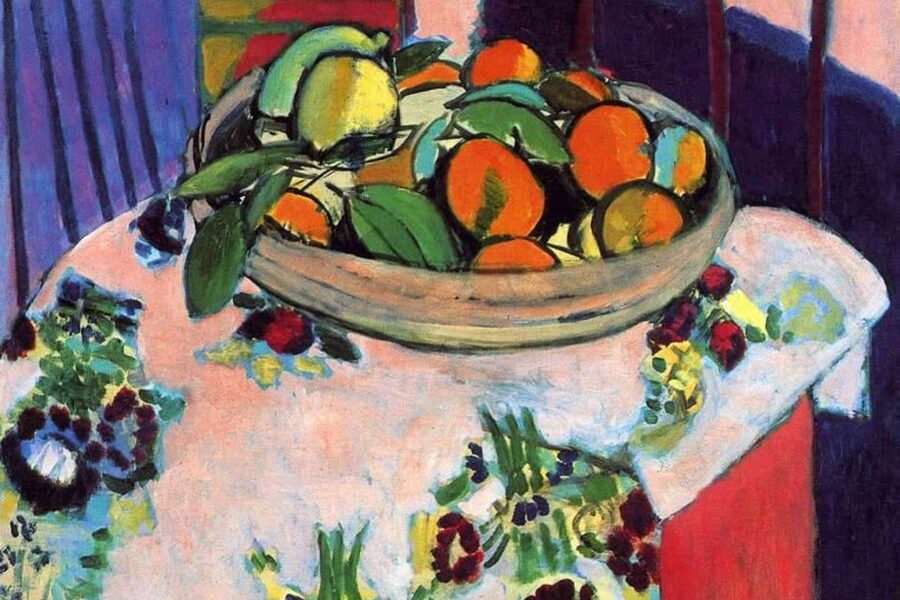
- Still Life with Oranges and the Matisse rivalry angle
- Beyond the galleries: Paris context, drinking dens, and the Arc de Triomphe
- Pricing and value: is $265 for 2 hours actually fair?
- Who should book this private Picasso tour?
- Quick practical tips before you go
- Should you book this Picasso Museum 2-hour private tour?
- FAQ
- Where is the meeting point for the Picasso Museum tour?
- How long is the tour?
- Is the tour private?
- Does the tour include skip-the-line entry?
- What languages are available for the live guide?
- Is the museum admission included in the price?
- Are refreshments included?
- Is there wheelchair access?
- Can I cancel for a refund, and what payment options are available?
Key highlights you’ll actually feel during the tour
- Fast-track entry saves time at a popular museum
- Private guide means you can ask questions and move at a human pace
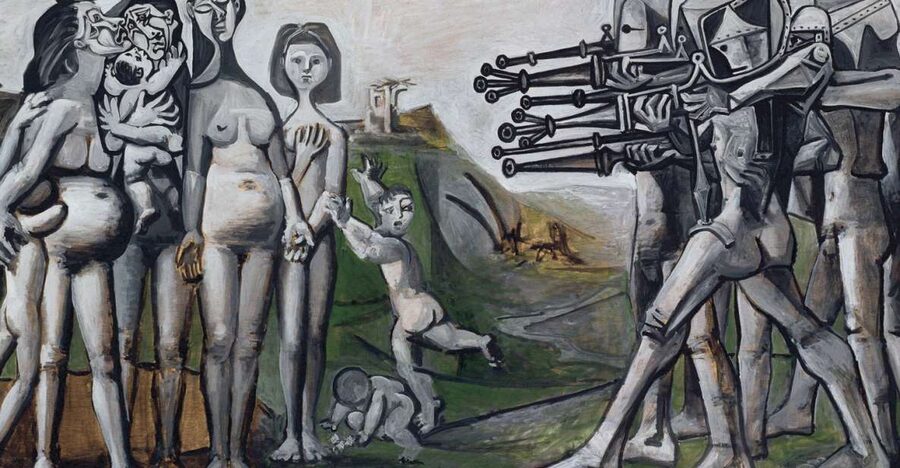
- A guided focus on big hitters like Bull’s Head and The Barefoot Girl
- Clear art context across Picasso’s career, plus his relationships with Matisse, Dalí, and Rousseau
- A Paris backdrop woven into the visit, including Arc de Triomphe and Picasso’s favorite hangouts
Entering the Hôtel Salé Picasso Museum without the headache
The Picasso Museum is housed in the ornate 17th-century Hôtel Salé, so even before you reach the artworks, you’re stepping into a building with presence. That matters because Picasso’s work can feel intense and wide-ranging. The setting helps you settle in.
The real practical win is the skip-the-line setup. In a place this in-demand, that time savings can be the difference between a good visit and an exhausting one. You meet outside the museum at 5 Rue de Thorigny, 75003 Paris, and your guide will be carrying a red canvas tote bag, which makes the handoff simple.
If you’re the kind of person who hates rushing, this format still works. You’re not “idle” during the wait; you’re avoiding it. And once you’re inside, your guide keeps you moving through the key parts of Picasso’s story at a pace that fits a short, private tour.
Worth weighing up next to this Paris pick
- Louvre Museum Paris Essential Guided Tour Semi-Private 6ppl Max
★ 5.0 · 3,807 reviews - SUV Private Transfer: Paris to Charles de Gaulle Airport (CDG)
★ 4.0 · 3,091 reviews - Paris: Private Photoshoot at the Eiffel Tower
★ 4.7 · 2,636 reviews - Top Private Cruises in Paris with French Champagne and surprises
★ 5.0 · 1,553 reviews
A private, 2-hour walkthrough that follows Picasso’s career arc
This tour is built around how Picasso developed. Rather than treating the museum as a checklist, your guide takes you through stages of his career so you can see what changed and what stayed. You’ll look at examples that show Picasso’s technical range across different artistic disciplines—something you can’t easily spot if you just wander randomly.
You’ll also hear about Picasso’s formal experimentation and his ideological engagement—the idea that art wasn’t just decoration to him. He was pushing meaning and form at the same time. That’s one reason a guide helps so much here: Picasso’s shifts can look chaotic if you don’t have a framework.
For me, the best part of a career-based tour is the cause-and-effect. You start noticing patterns: a technique he tried, a theme that returned, a style that changed shape, and influences that show up in unexpected places. In a museum full of masterpieces, that kind of “why this next” guidance keeps your attention where it belongs.
Bull’s Head: the kind of artwork that changes how you see form
One of the tour’s anchor moments is Bull’s Head. This piece is a strong example of Picasso’s approach where small choices and minimal form can carry big impact. Your guide uses it to highlight the idea of Less is More, which is Picasso-speak for building power through restraint.
If you’re worried that modern art is too abstract, this is exactly the sort of work that can make you relax. A guided explanation can turn a sculpture into a story about thinking: how Picasso approaches subject matter, how he compresses reality, and why the result feels both playful and sharp.
Also, seeing this kind of work early in your visit is smart. It sets a tone. When you later encounter earlier paintings or works influenced by other artists, you’ll understand better why Picasso was willing to keep reinventing himself.
The Barefoot Girl and Picasso’s early “voice”
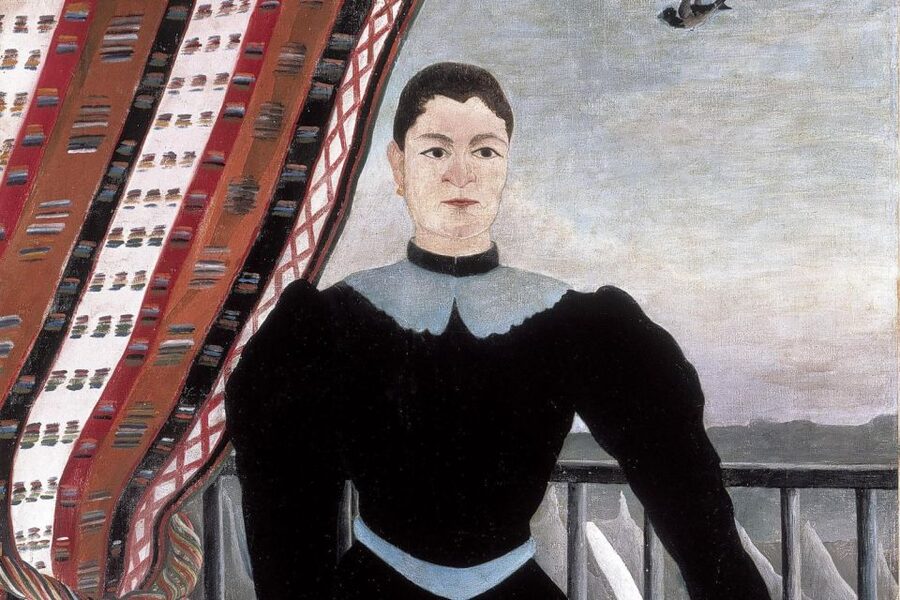
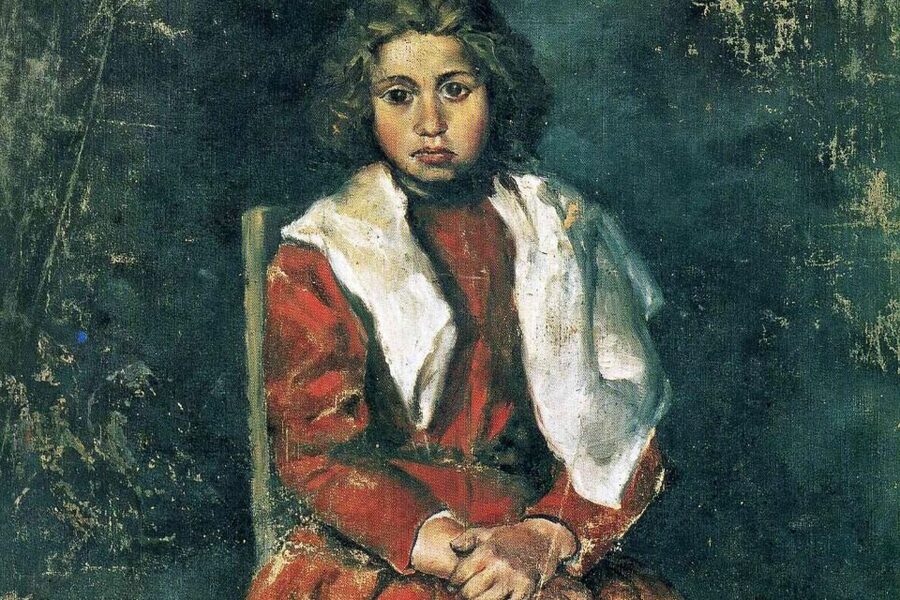
The tour also spotlights an early work: The Barefoot Girl. Early Picasso can be easier to connect with emotionally than you might expect, especially when you know you’re watching an artist before his style fully hardens into the later iconography.
Your guide ties it to the broader career story, which is key. If you only look at it as a standalone painting, you might miss the way it shows Picasso’s development in technique and intent. But when you place it along his timeline, the painting becomes a hinge—proof that his growth wasn’t random. It was building.
This is where I’d lean on the private format. If something in an early work clicks for you, you can ask follow-up questions. If it doesn’t, your guide can usually explain what to look for without making you feel “wrong” for not seeing it instantly.
Still Life with Oranges and the Matisse rivalry angle
Another meaningful moment on the tour is Still Life with Oranges by Matisse—presented as a work connected to Picasso’s greatest influence and rival. That framing matters. Picasso wasn’t operating in a vacuum; he responded to other artists, borrowed ideas, competed, and learned.
Matisse and Picasso are often taught like two separate giants. A guide’s job here is to show the exchange underneath the rivalry. You start noticing how color, composition, and artistic choices can shift when artists influence each other—sometimes directly, sometimes through ideas traveling back and forth.
If you’ve ever walked through a museum and thought, I wish someone explained what these relationships mean, this is the section that fixes that. It turns “artist A vs. artist B” into a real creative conversation you can feel while looking.
Beyond the galleries: Paris context, drinking dens, and the Arc de Triomphe
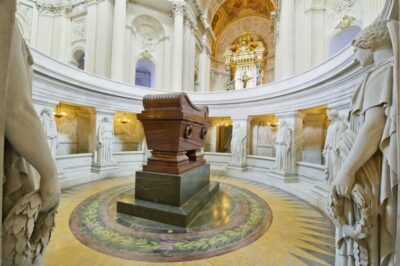
Picasso is a Paris artist in more ways than one. This tour doesn’t limit itself to the museum rooms; it weaves in where Picasso might have gone for ideas, company, and late-night reality. You’ll get the story of Picasso’s favorite drinking dens, which helps you understand his world beyond the studio.
And yes, the experience includes the Arc de Triomphe in the mix. I treat this as context you can see and connect to the broader Paris story. Picasso lived inside a city that was changing fast, and landmarks like this anchor that sense of time and place.
You’ll get the biggest payoff from this part if you’re open to cultural context, not just artwork interpretation. If you only want art-on-wall details, you might find these references lighter. But if you like the feeling of connecting art to daily life, this is where the tour adds charm.
Worth weighing up next to this Paris pick



Pricing and value: is $265 for 2 hours actually fair?
At $265 per person for a 2-hour private small-group tour, the price isn’t low. So the question isn’t just Is it expensive? It’s: what does that money buy you?
Here’s what you’re paying for, in concrete terms:
- Skip-the-line entry, which can save you enough time to make the whole trip feel smoother
- Private guided interpretation, so you’re not just seeing objects—you’re learning how to read them
- A tight, structured route through major works and the ideas behind them
If you’re traveling with a teen who thinks museums are painful, the private guide format can be worth it. One guide experience described as engaging for two teenage sons is exactly the kind of value that reduces the odds of a “why are we here?” afternoon.
If you’re solo and you’re the type who happily reads placards, you could do the museum independently. But you’ll lose the time savings and the “career roadmap” that helps Picasso click faster. For many people, that’s the difference between leaving inspired and leaving slightly overwhelmed.
Who should book this private Picasso tour?
This tour is a great fit if you:
- Want a short, high-impact Picasso experience without museum maze fatigue
- Like guided explanations and asking questions
- Prefer private pacing over crowd surfing
- Enjoy Paris context alongside art history, especially Picasso’s connections and influences
It’s less ideal if you want a slow museum day with long visual pauses. Two hours is efficient, not leisurely. Think of it as the best way to start your Picasso journey in a way that makes the rest of the museum easier to understand later.
It’s also a solid choice across languages. The tour offers English, French, Croatian, and Serbian, which is helpful if your group isn’t comfortable in only one language. And since it’s listed as wheelchair accessible, you’re not stuck with a “no” if mobility needs are part of your plan.
Quick practical tips before you go
- Plan on arriving a few minutes early at 5 Rue de Thorigny so your meet-up stays smooth.
- Wear comfortable shoes. Even a short museum tour can mean several room-to-room transitions.
- If you’re a photo person, consider checking your own comfort with museum rules first; you’ll be focusing on the guided story, not trying to multitask.
- If you’re picky about art, tell your guide early. A private guide can often steer attention toward what you care about most within the time window.
If you get a guide known for making meaning feel clear—people have highlighted guides like Svetlana and Boris for explaining Picasso in a way that feels lively and understandable—lean into it. Ask one good question right away. You’ll get more out of the rest of the tour because your guide will adjust to your curiosity.
Should you book this Picasso Museum 2-hour private tour?
I’d book it if you want the smartest use of time at a very popular museum and you’d rather understand Picasso than just see him. The combination of skip-the-line entry plus a private guide that maps Picasso’s career across major works is exactly the kind of value that works even when your schedule is tight.
I wouldn’t book it if your dream day is wandering slowly, reading everything, and staring for long minutes at fewer paintings. In that case, independence can feel better.
Bottom line: if you’re planning Paris and you want Picasso to land fast and stay with you, this is a strong choice.
FAQ
Where is the meeting point for the Picasso Museum tour?
You’ll meet in front of the Picasso Museum at 5 Rue de Thorigny, 75003 Paris. The guide will be carrying a red canvas tote bag.
How long is the tour?
The tour lasts 2 hours.
Is the tour private?
Yes. It’s described as a private group.
Does the tour include skip-the-line entry?
Yes. You’ll get skip-the-line entry through a separate entrance, along with museum admission.
What languages are available for the live guide?
The live guide is available in English, French, Croatian, and Serbian.
Is the museum admission included in the price?
Yes. Museum admission is included.
Are refreshments included?
No. Refreshments are not included.
Is there wheelchair access?
The tour is listed as wheelchair accessible.
Can I cancel for a refund, and what payment options are available?
The experience offers free cancellation up to 24 hours in advance for a full refund, and it also offers a reserve now & pay later option.
More Private in Paris
- Louvre Museum Paris Essential Guided Tour Semi-Private 6ppl Max
★ 5.0 · 3,807 reviews - SUV Private Transfer: Paris to Charles de Gaulle Airport (CDG)
★ 4.0 · 3,091 reviews - Paris: Private Photoshoot at the Eiffel Tower
★ 4.7 · 2,636 reviews - Top Private Cruises in Paris with French Champagne and surprises
★ 5.0 · 1,553 reviews - Golf Cart in Paris – Private Guided City Tour – Pickup Included
★ 5.0 · 1,164 reviews
More Tours in Paris
- Paris: Louvre Guided Tour with Reserved Access & Boat Cruise
★ 4.3 · 16,353 reviews - Paris: Big Bus Hop-On Hop-Off Tour with Optional Cruise
★ 4.4 · 13,279 reviews - Louvre Museum Masterpieces Guided Tour with Access
★ 4.5 · 12,023 reviews - Versailles: Skip-the-Line Tour of Palace and Gardens Access
★ 4.7 · 10,429 reviews - Paris: Louvre Overview, Exploration tour and Reserved Entry
★ 4.1 · 10,145 reviews
More Tour Reviews in Paris
- Paris: 1-Hour Seine Cruise departing from the Eiffel Tower
★ 4.4 · 77,472 reviews - Paris: Louvre Museum Timed-Entrance Ticket
★ 4.6 · 71,977 reviews - Disneyland® Paris 1-Day Ticket
★ 4.6 · 49,412 reviews - Paris: Versailles Palace and Gardens Full Access Ticket
★ 4.6 · 41,579 reviews - Paris: Arc de Triomphe Rooftop Tickets
★ 4.6 · 34,264 reviews
Fresh off the review desk in Paris
- Secrets of Paris Bike Tour in English or Dutch★ 5.0 · 5 reviews
- Paris: Mont Saint-Michel Day Tour with Chinese Tour Guide★ 5.0 · 5 reviews
- Private Street Art 2-Hour Guided Tour in Paris★ 4.5 · 5 reviews
- Orsay Museum Tour: 2h Highlights (Private & Small Group)★ 5.0 · 5 reviews
- Discover Paris in electric golf carts★ 4.0 · 5 reviews
- Paris Private Boat Tour with your own Captain Guide★ 5.0 · 5 reviews
2-Hour Experiences, compared.
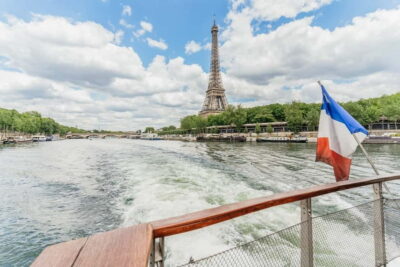 ★ 4.72-Hour River Seine Lunch Cruise with 3-course-menuFrom $934,887 reviews
 ★ 4.7The Père Lachaise Cemetery: Guided 2-Hour Small-Group TourFrom $281,065 reviews
 ★ 4.82-Hour Perfume Creation WorkshopFrom $115731 reviews
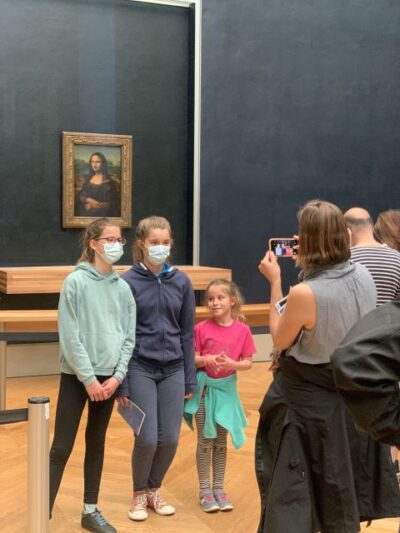 ★ 4.6Paris Louvre: 2-Hour Private Tour for Groups or FamiliesFrom $731639 reviews
 ★ 4.8Paris Montmartre: 2-Hour City Tour in GermanFrom $94335 reviews
 ★ 5.0The only Paris Wine Tasting experience you need to do – 2 hoursFrom $95265 reviews
 ★ 4.7Off-the-Beaten Track in Paris: 2-Hour Vintage 2CV TourFrom $129236 reviews
 ★ 4.5Vintage 2CV Adventure: 2-Hour Paris Highlights TourFrom $349214 reviews
Browse the lists this tour appears in