
Reviewed · WALKING TOURS
Paris: Revolution, Blood & the Birth of Freedom Walking Tour
Revolutions can be smelled in the air. This Paris Revolution walking tour turns the French Revolution into street-level drama, from protest noise to the machinery of power, all while you walk past landmark after landmark. I love how it focuses on people and mood, not just dates, and I also love that you’ll see the key legal and political spaces where decisions were made and lives changed.
The tour’s best ingredient is its storytelling—your guide brings the era to life with clear narration and, in the case of guides like Pierre, helpful visuals to make the chaos easier to picture. For many people, that’s the difference between hearing about the Revolution and actually understanding how fast everything changed.
One possible drawback: if your guide doesn’t connect the stops into a clear thread, the pace can feel like quick jumps from place to place. One recent experience called out a lack of cohesion and a timeline that was hard to follow, so it’s worth going in ready to listen closely to the guide’s logic.
In This Review
- Key things that make this tour worth your time
- Why the Paris Revolution story feels so real on foot
- Starting on Bd Beaumarchais: get your bearings before you step into 1790s Paris
- Place de l’Odéon: the public energy behind the Revolution
- Cour du Commerce Saint-André and Pont Neuf: the city as a rumor mill
- Palais de Justice and the Conciergerie: where authority turns physical
- Caveau de la Huchette: another side of Paris during dark times
- Notre Dame Cathedral and Hôtel de Ville: power, legitimacy, and the symbols we inherit
- Finishing at the Statue de Danton: the story lands with a named figure
- Price and value: what $41 buys you in 90 minutes
- Guides matter: what stood out in the best versions of this tour
- Who should book this Paris Revolution walk
- Who should think twice
- Should you book this Paris Revolution, Blood & the Birth of Freedom Walking Tour?
- FAQ
- How long is the Paris Revolution, Blood & the Birth of Freedom Walking Tour?
- Where does the tour start?
- Is the tour offered in English?
- What sites are included during the tour?
- What should I wear for the tour?
- Is food or drinks included?
Key things that make this tour worth your time

- A 90-minute format that keeps the story moving without dragging
- Revolution-era sites in a tight route, including major justice and government locations
- English live guide (with guides like Pierre praised for detail and visuals)
- A mix of famous landmarks and darker, human-scale history
- Built for discussion, so you get context for what you’re seeing
- Comfortable pace on cobblestones, but bring good shoes
Why the Paris Revolution story feels so real on foot
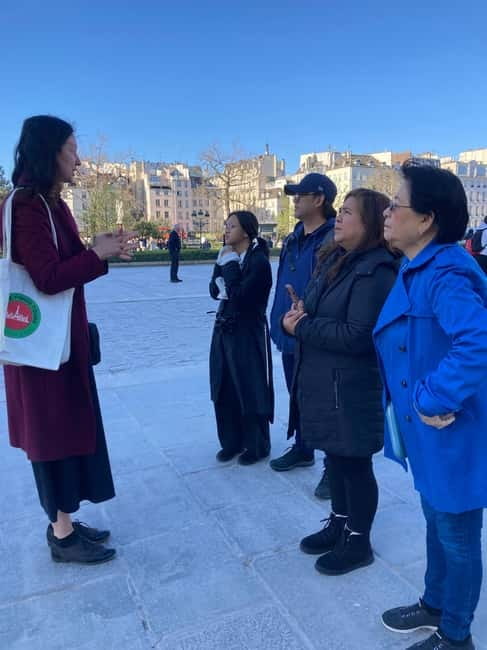
Paris looks calm today, which is exactly why this kind of walking tour works. You’re not staring at a museum label; you’re passing the same streets where arguments, fear, and ambition pushed people into decisions they couldn’t undo.
What I like most is the tour’s emphasis on how it felt. The French Revolution wasn’t one straight line from wrong to right. It was gossip becoming policy, tension becoming violence, and power changing hands faster than anyone could fully grasp. You get the human side—hopeful voices, brutal power struggles, and the personal dramas inside a huge national upheaval.
You’ll also spend time in places tied to law and authority. That matters, because the Revolution wasn’t only street protest. It was courts, trials, and official power—and those settings make the story snap into focus.
Worth weighing up next to this Paris pick
- Paris Top Sights Half Day Walking Tour with a Fun Guide
★ 5.0 · 2,893 reviews - Montmartre Hidden Gems and Scenic Highlights Walking Tour
★ 5.0 · 2,684 reviews - Montmartre Hill French Gourmet Food and Wine Tasting Walking Tour
★ 5.0 · 2,588 reviews - Paris: Montmartre Highlights Walking Tour with a Local Guide
★ 4.9 · 2,318 reviews
Starting on Bd Beaumarchais: get your bearings before you step into 1790s Paris
The tour meets at 1 Bd Beaumarchais, where your guide is holding an EXPLORE PARIS TOURS sign in front of the building. That’s a practical detail, because a tour like this depends on starting together and keeping momentum.
If you’re the kind of traveler who likes to get your bearings fast, this route helps. You’ll quickly move into central Paris areas tied to the Revolution, which means the walking time feels purposeful rather than just transportation.
Wear comfortable walking shoes. The route includes cobblestone streets and uneven surfaces, and 90 minutes can feel longer when your feet are unhappy. Bring light layers too, since weather can shift quickly around the Seine.
Place de l’Odéon: the public energy behind the Revolution
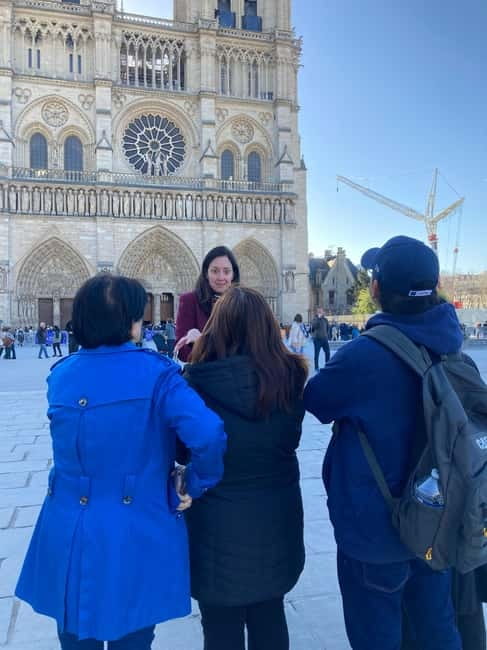
At Place de l’Odéon, you’ll get a guided start to the story, setting the tone for the rest of the walk. Places like this are important because revolutions are communal events. People gather, talk, judge, and react—often before anyone can control the outcome.
This stop is where the tour’s theme usually clicks: the Revolution wasn’t only about leaders. It was also about the crowd mood. You’ll likely hear about how ideas spread and how quickly public opinion could harden into action.
A small consideration here: if you expect the tour to be a strict, chronological march, early stops can feel more like framing. I’d treat the first part as groundwork—how and why the atmosphere turned—before the tour starts leaning harder into legal and institutional sites.
Cour du Commerce Saint-André and Pont Neuf: the city as a rumor mill
Next comes Cour du Commerce Saint-André, then the walk crosses to Pont Neuf. These choices make sense for two reasons.
First, the Revolution story gains texture when you’re moving between spaces that feel different from each other—courtyards, bridges, streets. Second, the guide can connect the Revolution’s “gossip to guillotines” theme to what people saw and said in everyday life, not only in official buildings.
Pont Neuf is a strong anchor point because it’s visually memorable. When you’re listening to political shifts and power struggles, having a landmark bridge in the middle of the conversation helps your brain place the story on a real map.
If you’re short on time, this part of the walk is efficient. You’re getting context without turning the tour into a long, drawn-out lecture.
Palais de Justice and the Conciergerie: where authority turns physical
Then you shift into the heart of institutional power: Palais de Justice, Paris, followed by a visit to the Conciergerie. These stops are the most “serious” in feel, and for good reason.
This is where the Revolution stops being only rhetoric. Legal power becomes visible. History stops feeling abstract, because you’re standing near spaces associated with the justice system and the machinery of the state.
I especially like this pairing because it frames the Revolution’s brutal turn. You can’t fully understand what happened without seeing that the conflict played out through official channels, not just on barricades. The Conciergerie stop adds weight to the story, and it’s often the part that sticks with people after the walk ends.
One practical thought: if you’re the type who likes to photograph quietly, keep an eye on timing and group flow. These sites can have rules or crowding, so listen first, then shoot.
Caveau de la Huchette: another side of Paris during dark times
The tour includes a guided visit to Caveau de la Huchette. This stop gives the story another texture: Paris at a different angle, more hidden, less postcard-light.
Because the tour description emphasizes passion, chaos, and fear, this kind of location helps people understand how layered the city was during the Revolution. Not everything happened in daylight and official chambers. People hid, gathered, listened, and passed along information in places that felt removed from formal authority.
If you don’t usually like underground or enclosed-feeling spaces, plan to pace yourself here. You’ll still be on a walking tour schedule, so think of this as a guided segment to balance the outdoor parts, not a place to linger for long.




Notre Dame Cathedral and Hôtel de Ville: power, legitimacy, and the symbols we inherit
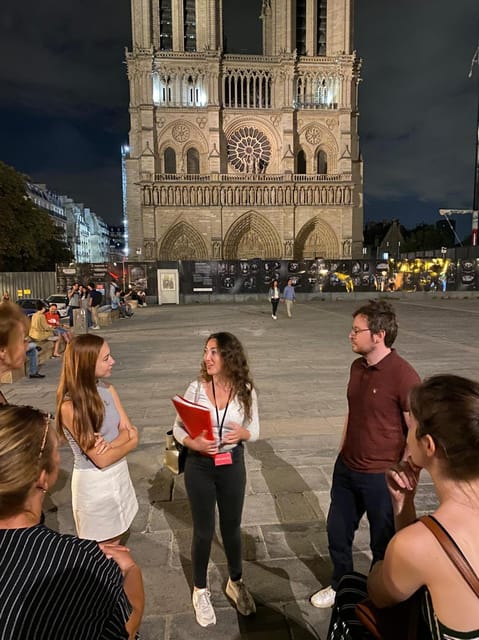
From there, you’ll move toward Notre Dame Cathedral for a visit, and then head to Hôtel de Ville for a guided stop. These are not minor locations on a Revolution walk, because symbols matter when you’re fighting over what the future should look like.
Notre Dame adds emotional weight to the route. Even if you’re not religious, it’s hard to ignore how much meaning a major cathedral carries in a city like Paris. When revolutionaries challenged authority, they weren’t only changing policies—they were attacking symbols of legitimacy and stability.
Then Hôtel de Ville brings you back to government and civic authority. That combination helps you see a key theme: the Revolution wasn’t only destruction. It was also a scramble to define what legitimacy looks like once the old rules collapse.
A useful approach: pay attention to how your guide connects these landmark buildings to the tour’s theme of power changing hands. The most satisfying guides don’t just point and describe. They connect architecture to politics.
Finishing at the Statue de Danton: the story lands with a named figure
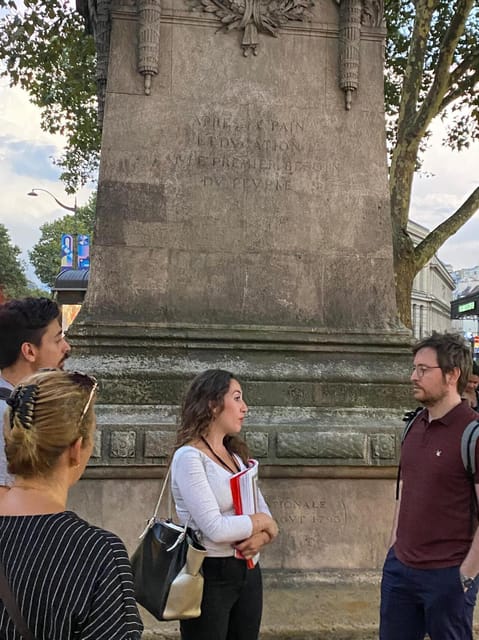
You’ll finish at the Statue de Danton. Ending with a specific figure gives the tour a mental “bookmark,” which helps a lot if your brain is juggling multiple places and names.
Danton is a good fit for a tour built around chaos and transformation. The Revolution’s energy didn’t stay in one street corner. It traveled—through speeches, decisions, and confrontations—and landing at a statue helps you process the narrative as something that has edges and faces, not just sweeping concepts.
If you want to keep going after the tour, this final stop is also a natural place to look around. Take a moment to observe the square feeling and the modern city rhythm, then compare it with the mood your guide built for you.
Price and value: what $41 buys you in 90 minutes
At $41 per person for 90 minutes, this tour sits in the “active sightseeing with a live guide” category. You’re not just paying to walk. You’re paying for a guide to connect several major sites and make them form one storyline.
What makes the value feel better than a simple one-site attraction is the range of stops included: a guided walking tour, visits to Revolutionary-era historic sites, and insights into the events and figures tied to the era. You also get the help of a live English guide, which matters in Paris—language differences can shrink a day fast if you’re relying on self-guided reading.
The main value caveat: the tour is short, so if you want extremely detailed coverage of every major figure, you may wish for longer. Still, for many people, the tight timeframe is a feature. It’s designed to keep the story moving and your legs from turning to soup.
Guides matter: what stood out in the best versions of this tour
This is where the recent guide feedback becomes practical for your expectations. Guides associated with this tour include James, Sylvie, and Pierre.
- Pierre gets strong praise for lots of detail and using great pictures to show what it looked like when the Revolution was in full swing. If you love visual support, this is the kind of guidance that keeps you oriented.
- James also earned top marks for being an excellent guide, with the overall experience landing as enjoyable.
- Sylvie is described as kind and warm, but one experience flagged that the stops didn’t feel fully connected and the timeline was hard to follow.
Here’s the takeaway: arrive with a mindset to listen for the guide’s connecting thread. When that thread clicks, the tour’s many sites stop feeling like separate attractions and start feeling like one coherent story.
Who should book this Paris Revolution walk
This tour is a great fit if you want:
- A short, high-energy Paris history experience
- A focus on story and atmosphere rather than textbook lists
- Guided visits to major Revolutionary settings like the Conciergerie, plus stops linked to power and legitimacy
It’s also a solid choice if you like history but don’t want to spend half a day buried in lectures. The 90-minute structure suits people who want to see a lot without losing their focus.
Who should think twice
Consider skipping this tour if you strongly prefer:
- Strict chronology with no thematic mixing
- Very long explanations at a single site
- A calm pace that allows frequent detours or extended independent exploration
Because the experience is built as a guided walk with multiple stops, pacing depends on the guide. If you’ve had bad luck with fragmented tours in the past, go in with the expectation that the guide’s narrative glue is key.
Should you book this Paris Revolution, Blood & the Birth of Freedom Walking Tour?
Yes, if you want an efficient, street-level way to understand how the French Revolution turned Paris into a place of fear, ambition, and rapid political change. The best moments come from the combination of Revolutionary-era landmarks, guided context, and a guide who can link the story together—especially when you get someone like Pierre with strong visual storytelling.
Book it if:
- You like guided history walks
- You’re comfortable with cobblestones and uneven surfaces
- You’re happy with a 90-minute “high signal” overview rather than a deep, slow seminar
Skip or be cautious if:
- You require a perfectly linear timeline
- You hate tours where the route can feel like quick jumps between stops
FAQ
How long is the Paris Revolution, Blood & the Birth of Freedom Walking Tour?
It lasts 90 minutes.
Where does the tour start?
The meeting point is at 1 Bd Beaumarchais, and the guide will be holding an EXPLORE PARIS TOURS sign in front of the building.
Is the tour offered in English?
Yes. The live tour guide speaks English.
What sites are included during the tour?
You’ll visit historic Revolution-related sites including the Conciergerie, and you’ll also have guided stops around major locations such as Palais de Justice and the area around Notre Dame and Hôtel de Ville.
What should I wear for the tour?
Wear comfortable walking shoes. The tour includes walking on cobblestone streets and uneven surfaces.
Is food or drinks included?
No. Food and drinks are not included.
More Walking Tours in Paris
- Paris Top Sights Half Day Walking Tour with a Fun Guide
★ 5.0 · 2,893 reviews - Montmartre Hidden Gems and Scenic Highlights Walking Tour
★ 5.0 · 2,684 reviews - Montmartre Hill French Gourmet Food and Wine Tasting Walking Tour
★ 5.0 · 2,588 reviews - Paris: Montmartre Highlights Walking Tour with a Local Guide
★ 4.9 · 2,318 reviews - Paris Île de la Cité and Notre-Dame Walking Tour With Crypt
★ 5.0 · 2,272 reviews
More Tours in Paris
- Paris: Louvre Guided Tour with Reserved Access & Boat Cruise
★ 4.3 · 16,353 reviews - Paris: Big Bus Hop-On Hop-Off Tour with Optional Cruise
★ 4.4 · 13,279 reviews - Louvre Museum Masterpieces Guided Tour with Access
★ 4.5 · 12,023 reviews - Versailles: Skip-the-Line Tour of Palace and Gardens Access
★ 4.7 · 10,429 reviews - Paris: Louvre Overview, Exploration tour and Reserved Entry
★ 4.1 · 10,145 reviews
More Tour Reviews in Paris
- Paris: 1-Hour Seine Cruise departing from the Eiffel Tower
★ 4.4 · 77,472 reviews - Paris: Louvre Museum Timed-Entrance Ticket
★ 4.6 · 71,977 reviews - Disneyland® Paris 1-Day Ticket
★ 4.6 · 49,412 reviews - Paris: Versailles Palace and Gardens Full Access Ticket
★ 4.6 · 41,579 reviews - Paris: Arc de Triomphe Rooftop Tickets
★ 4.6 · 34,264 reviews
Fresh off the review desk in Paris
- Secrets of Paris Bike Tour in English or Dutch★ 5.0 · 5 reviews
- Paris: Mont Saint-Michel Day Tour with Chinese Tour Guide★ 5.0 · 5 reviews
- Private Street Art 2-Hour Guided Tour in Paris★ 4.5 · 5 reviews
- Orsay Museum Tour: 2h Highlights (Private & Small Group)★ 5.0 · 5 reviews
- Discover Paris in electric golf carts★ 4.0 · 5 reviews
- Paris Private Boat Tour with your own Captain Guide★ 5.0 · 5 reviews
Walking Tours, compared.
 ★ 5.0Paris Top Sights Half Day Walking Tour with a Fun GuideFrom $762,893 reviews
 ★ 5.0Montmartre Hidden Gems and Scenic Highlights Walking TourFrom $382,684 reviews
 ★ 5.0Montmartre Hill French Gourmet Food and Wine Tasting Walking TourFrom $1452,588 reviews
 ★ 4.9Montmartre Highlights Walking Tour with a Local GuideFrom $232,318 reviews
 ★ 5.0Paris Île de la Cité and Notre-Dame Walking Tour With CryptFrom $482,272 reviews
 ★ 4.8Montmartre Cheese, Wine & Pastry Guided Walking TourFrom $1272,255 reviews
 ★ 5.0Paris in a Day: Louvre or Orsay, Eiffel Tower, City Walk & CruiseFrom $1571,956 reviews
 ★ 5.0Paris City Center Free Walking Tour (Tip-Based)From $31,340 reviews