
Reviewed · WALKING TOURS
Paris Revolutionary Walking Tour: Iconic French Sights & Stories
Revolution has a way of changing what you notice. This 2-hour walk gives you a revolutionary lens on iconic Paris stops, with stories you won’t get from a quick photo stop. I also like the small group feel (max 8), plus real time for questions and guide context as you move from one landmark to the next.
A possible downside: you’re outside most of the time, so if you’re hoping for lots of indoor museum time or long ticketed visits, this won’t feel like that kind of tour. It’s designed for walking, learning, and then getting back to exploring on your own.
In This Review
- Key things you’ll enjoy on this Paris Revolutionary walk
- How the Revolution theme reshapes your first day in Paris
- Assemblée Nationale: French democracy at the center of the route
- Pont de la Concorde: the bridge view that ties monuments together
- Place de la Concorde: where public life became historic drama
- Jardin des Tuileries: the calm break in the revolution story
- Place-Vendôme: luxury that sits above the past
- Opéra and Palais Garnier: the finale at a grand cultural landmark
- The guide makes the difference: Lou, Alex, and Walid’s teaching style
- Price and time: is $66.23 a good value for a 2-hour Revolution walk?
- Logistics that matter (without turning the trip into paperwork)
- Who should book this tour, and who might skip it
- Should you book this Paris Revolutionary Walking Tour?
- FAQ
- How long is the Paris Revolutionary Walking Tour?
- What does the tour cost?
- Where does the tour start and where does it end?
- Is the tour offered in English?
- How many people are in the group?
- Do I need to buy admission tickets for the stops?
- Does the tour run in bad weather?
- What’s included in the price?
- What’s the cancellation policy?
Key things you’ll enjoy on this Paris Revolutionary walk
- Two hours, many key viewpoints: politics, public squares, gardens, and the Opéra area in one connected route
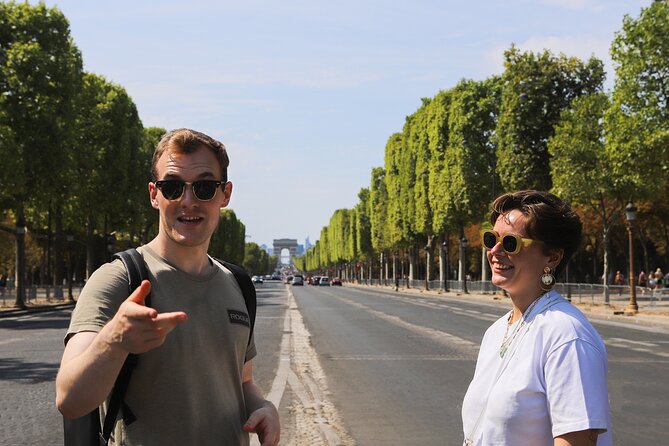
- Stop-by-stop framing: each location gets the political story behind it, not just the postcard details
- Guides who teach with personality: guides like Lou, Alex, and Walid are praised for engaging, well-prepared storytelling
- Good question time: the pace is relaxed enough that you can ask what you’re really wondering
- Free admission stops: the listed stops are free, so you’re paying mostly for the guide and time on foot
- Weather is handled: it runs rain or shine, so you’ll need to dress for walking
How the Revolution theme reshapes your first day in Paris
Paris can feel like one long blur of stone façades and famous views. What I love about this tour is how it slows you down mentally. Instead of seeing buildings as background, you start reading them as evidence: where power was decided, where public life turned harsh, and how city life changed afterward.
You also get a practical payoff. By the time you’re near the Opéra at the end, you’ll have a clearer sense of where things sit on the map, how streets connect, and which areas make sense to revisit. The guide also shares tips for navigating after the tour, which matters because Paris is big and your best time can disappear fast if you don’t know where to aim.
Worth weighing up next to this Paris pick
- Paris Top Sights Half Day Walking Tour with a Fun Guide
★ 5.0 · 2,893 reviews - Montmartre Hidden Gems and Scenic Highlights Walking Tour
★ 5.0 · 2,684 reviews - Montmartre Hill French Gourmet Food and Wine Tasting Walking Tour
★ 5.0 · 2,588 reviews - Paris: Montmartre Highlights Walking Tour with a Local Guide
★ 4.9 · 2,318 reviews
Assemblée Nationale: French democracy at the center of the route
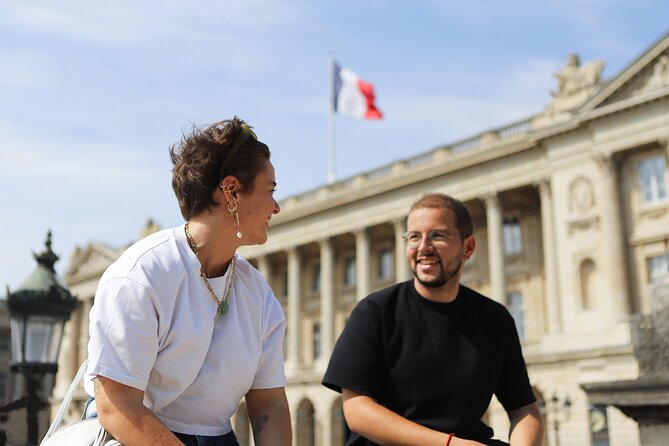
The walk starts at 1 Pl. du Palais Bourbon (right by the Assemblée Nationale area). You’re looking at the heart of French politics, and the guide’s job is to connect the building to the bigger idea: how democracy and decision-making evolved, not just when it looks important on a timeline.
This stop is about 20 minutes, short enough to keep momentum, long enough to give you meaning. You’ll get context for what national government represents here and why this area matters in revolutionary storytelling. Even if you don’t consider yourself a “politics person,” it helps you understand why certain squares and bridges later feel so charged.
Practical note: since you’re starting near a major civic landmark, it’s also a good warm-up moment for your walking rhythm. You can get oriented before the route moves toward major monument viewpoints.
Pont de la Concorde: the bridge view that ties monuments together
From politics you shift to a classic viewpoint: Pont de la Concorde. This part is only about 10 minutes, but it’s a smart use of time. You get an amazing overview directionally—enough to mentally link multiple Paris icons in your head while the guide talks through the surrounding revolutionary context.
Why this matters: bridges are often just “crossing points” on a city map. Here, it becomes a visual anchor. When you later stand in the square, you’ll remember how the monuments line up from that vantage point.
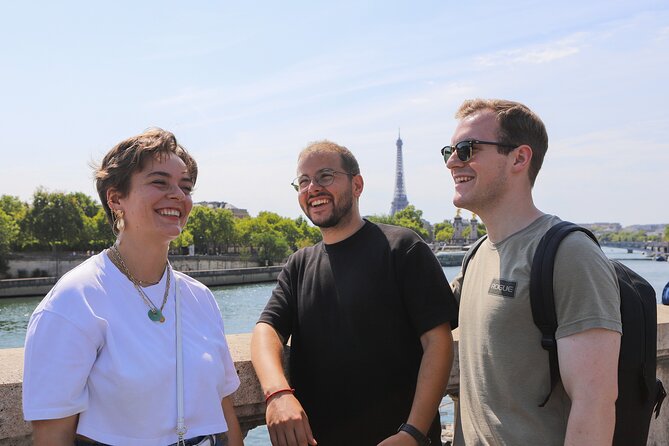
The tour also hints at what makes this bridge special: you can spot major landmarks such as Notre-Dame, the Eiffel Tower, the bridge Alexander III, and even Sacré Coeur (depending on visibility). That’s useful because it gives your future self a reference for where you are in Paris.
Place de la Concorde: where public life became historic drama
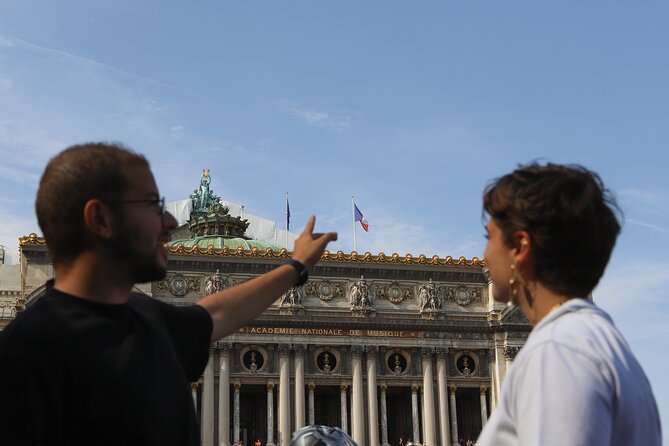
Then you move into Place de la Concorde, where the story turns darker. This stop runs about 30 minutes, and it’s the kind of place where you can feel history without needing a museum ticket.
You’ll stand where major events in the French Revolution took place, including the execution of King Louis XVI. You’ll also look at the square itself—fountain and obelisk—and learn how the space developed and why it’s remembered. The guide’s approach is important here. It’s easy to learn a single dramatic fact and stop there. A good guide adds the surrounding logic: what the square represented for public order, crowd life, and power.
If you’re a photo person, you’ll like this stop for the visuals. Just don’t treat it like a quick snapshot zone. Give the guide time. The payoff is that you’ll start recognizing how revolutionary moments used the city as a stage, not just as a backdrop.
Jardin des Tuileries: the calm break in the revolution story
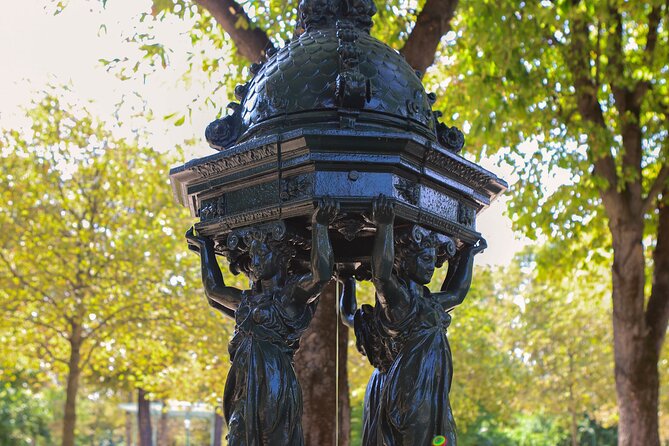
Next comes Jardin des Tuileries, about 20 minutes. This is a palate cleanser in more ways than one. After the intensity of Place de la Concorde, the gardens shift the mood: softer pace, more open space, and a chance to think about how the city’s public spaces were used differently before and after major political changes.
You’ll stroll along the gardens with the guide explaining their cultural background. This stop is valuable because it shows another side of Paris: not only the drama of power, but also the way ordinary people move through civic spaces—walking, relaxing, watching city life.
A small warning: because it’s outdoors and timed, this is not where you’ll get a long, slow wander like you might on your own. But that’s part of the design. You’re meant to move through the revolution story arc, then keep the momentum going.
Place-Vendôme: luxury that sits above the past
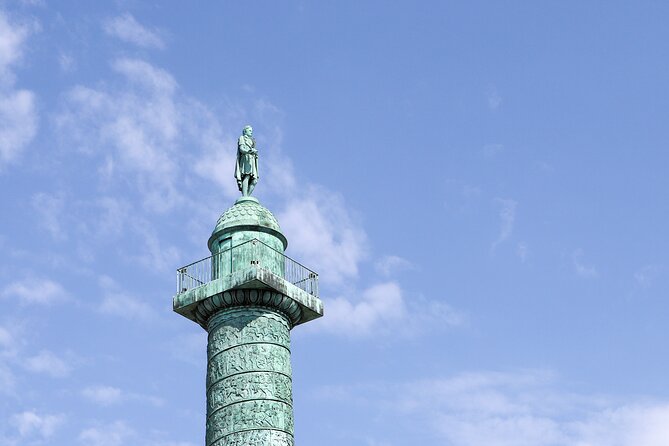
The route continues to Place-Vendôme for about 20 minutes. If you only know this area for style and upscale shopping vibes, the guide reframes it. You’ll talk about its architectural character and what it represents in terms of Paris elegance and prestige.
This stop is more than a change of scenery. It shows contrast—how the same city can hold luxury aesthetics while still carrying revolutionary-era layers beneath it. That contrast is one of the reasons this tour is so satisfying. It keeps you from thinking of history as a single “chapter ended” story.
If you enjoy architecture, you’ll likely like the way the guide points out details while connecting them back to how France redefined public image over time. Even if you’re not planning to shop, it’s a nice block to walk through with your eyes switched on.




Opéra and Palais Garnier: the finale at a grand cultural landmark
The tour ends at the Opéra area, finishing near Palais Garnier (the route concludes at Pl. de l’Opéra, 75009 Paris). This final stop lasts about 20 minutes and shifts you into Paris’ artistic and musical heritage.
You’ll learn how the Opéra fits into France’s cultural life and you’ll admire the architecture that has made this opera house one of the world’s most famous. The guide’s role here is to connect culture to the wider story of identity—how France projects itself after turbulent political change.
Why this ending works for you: by finishing at a major transit and landmark hub, you don’t have to stress about what to do next. It’s easier to grab a meal, take the metro, or plan a second outing when you’re already near a major center.
And based on what guides like Lou, Alex, and Walid are praised for, you can expect the ending to feel less like a rushed wrap-up and more like a clear “see Paris differently now” moment.
The guide makes the difference: Lou, Alex, and Walid’s teaching style
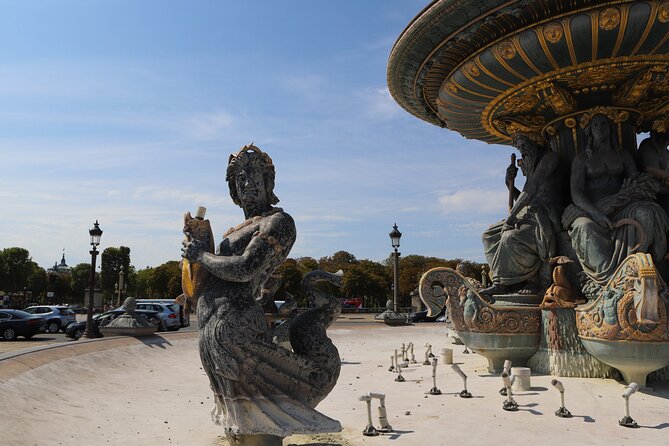
In walking tours, the guide quality is everything. Here, the feedback is unusually strong on the human side: guides are praised as engaging, personable, and well prepared. Names that show up in the guide praise include Lou, Alex, and Walid.
What I think you can take from that, even before you book:
- You’re not just hearing dates and labels. You’re getting explanations that connect architecture and space to what happened there.
- Humor shows up in at least some guide styles, which helps when you’re standing still in history-heavy locations.
- You’ll get practical add-ons. One guide (Walid) is specifically mentioned for good restaurant recommendations, and you’ll often find this kind of local guidance helpful because it turns the tour into a starting point, not a standalone event.
Also, the tour aims for a relaxed pace with time to ask questions. That’s a big deal in Paris, where it’s common to feel like you’re sprinting from one landmark to the next. Here, the structure supports a slower, more thoughtful walk.
Price and time: is $66.23 a good value for a 2-hour Revolution walk?
At $66.23 per person, you’re paying for a guide-led experience, not admissions. The stops are listed with free admission tickets, so you’re not adding museum entry costs on top.
Here’s how I’d judge value in real terms:
- You get about 2 hours with multiple stops tied to one theme, instead of paying for several separate mini-tours.
- You’re paying for the guide’s ability to interpret the city—especially at places like Place de la Concorde, where the meaning matters more than the stonework.
- You get small-group time (max 8), which usually means fewer people to manage and more chances to ask questions.
If you’re the type of traveler who likes understanding why a place matters—rather than just where it is—this tends to feel fair. If you only want a quick overview and don’t care about context, you could possibly do some of the route on your own. But then you lose the interpretive layer that makes the theme click.
Logistics that matter (without turning the trip into paperwork)
The tour runs in English and offers small group (8 max) or private options. You’ll also use a mobile ticket, and the meeting point is near public transportation, which helps you arrive without stress.
Plan for the reality of walking in Paris: this is a city where comfortable shoes beat “cute shoes.” The tour also takes place rain or shine, and at least one guide has been praised for keeping going in pouring rain. So dress like you’re walking for real.
One more thing to keep in mind: the route may shift due to Olympics-related changes (not uncommon in big cities during those periods). If your dates are close and you care about every exact stop, double-check any updates shortly before you go.
Who should book this tour, and who might skip it
This fits you best if:
- You love history but want it tied to what you can see in the street.
- You prefer a small group over large buses and headsets.
- You want a guide who gives context and also offers practical tips for afterward.
You might skip it if:
- You want lots of indoor time with long museum visits.
- You’re trying to do Paris on a “must-hit list” only and don’t want interpretation.
- You’re traveling with very high mobility constraints, since this is an outdoor walking route (even though the tour notes service animals are allowed).
Should you book this Paris Revolutionary Walking Tour?
Yes, I’d book it if you’re heading to Paris for the first time or if you want your next visit to feel smarter. The combination of politics, public squares, gardens, and a grand finish at the Opéra gives you a clean, connected route. And the guide attention you’re likely to get—from praised guides such as Lou, Alex, and Walid—can turn famous landmarks into something you actually understand.
If you’re the type who likes asking questions, this is especially worth it. The stops are short, but they’re also chosen for maximum meaning per minute. For the right traveler, that’s exactly what a good walking tour should do.
FAQ
How long is the Paris Revolutionary Walking Tour?
It lasts about 2 hours.
What does the tour cost?
It’s $66.23 per person.
Where does the tour start and where does it end?
It starts at 1 Pl. du Palais Bourbon, 75007 Paris, and ends at Palais Garnier, Pl. de l’Opéra, 75009 Paris.
Is the tour offered in English?
Yes, it’s offered in English.
How many people are in the group?
The tour has a maximum of 8 travelers (small group), and there is also a private option.
Do I need to buy admission tickets for the stops?
The listed stops are free admission ticket locations.
Does the tour run in bad weather?
Yes, it will take place rain or shine.
What’s included in the price?
A local tour guide, a fun walking tour, tips on how to navigate the city after, and a small group (or private).
What’s the cancellation policy?
You can cancel for a full refund up to 24 hours in advance.
More Walking Tours in Paris
- Paris Top Sights Half Day Walking Tour with a Fun Guide
★ 5.0 · 2,893 reviews - Montmartre Hidden Gems and Scenic Highlights Walking Tour
★ 5.0 · 2,684 reviews - Montmartre Hill French Gourmet Food and Wine Tasting Walking Tour
★ 5.0 · 2,588 reviews - Paris: Montmartre Highlights Walking Tour with a Local Guide
★ 4.9 · 2,318 reviews - Paris Île de la Cité and Notre-Dame Walking Tour With Crypt
★ 5.0 · 2,272 reviews
More Tours in Paris
- Paris: Louvre Guided Tour with Reserved Access & Boat Cruise
★ 4.3 · 16,353 reviews - Paris: Big Bus Hop-On Hop-Off Tour with Optional Cruise
★ 4.4 · 13,279 reviews - Louvre Museum Masterpieces Guided Tour with Access
★ 4.5 · 12,023 reviews - Versailles: Skip-the-Line Tour of Palace and Gardens Access
★ 4.7 · 10,429 reviews - Paris: Louvre Overview, Exploration tour and Reserved Entry
★ 4.1 · 10,145 reviews
More Tour Reviews in Paris
- Paris: 1-Hour Seine Cruise departing from the Eiffel Tower
★ 4.4 · 77,472 reviews - Paris: Louvre Museum Timed-Entrance Ticket
★ 4.6 · 71,977 reviews - Disneyland® Paris 1-Day Ticket
★ 4.6 · 49,412 reviews - Paris: Versailles Palace and Gardens Full Access Ticket
★ 4.6 · 41,579 reviews - Paris: Arc de Triomphe Rooftop Tickets
★ 4.6 · 34,264 reviews
Fresh off the review desk in Paris
- Secrets of Paris Bike Tour in English or Dutch★ 5.0 · 5 reviews
- Paris: Mont Saint-Michel Day Tour with Chinese Tour Guide★ 5.0 · 5 reviews
- Private Street Art 2-Hour Guided Tour in Paris★ 4.5 · 5 reviews
- Orsay Museum Tour: 2h Highlights (Private & Small Group)★ 5.0 · 5 reviews
- Discover Paris in electric golf carts★ 4.0 · 5 reviews
- Paris Private Boat Tour with your own Captain Guide★ 5.0 · 5 reviews
Walking Tours, compared.
 ★ 5.0Paris Top Sights Half Day Walking Tour with a Fun GuideFrom $762,893 reviews
 ★ 5.0Montmartre Hidden Gems and Scenic Highlights Walking TourFrom $382,684 reviews
 ★ 5.0Montmartre Hill French Gourmet Food and Wine Tasting Walking TourFrom $1452,588 reviews
 ★ 4.9Montmartre Highlights Walking Tour with a Local GuideFrom $232,318 reviews
 ★ 5.0Paris Île de la Cité and Notre-Dame Walking Tour With CryptFrom $482,272 reviews
 ★ 4.8Montmartre Cheese, Wine & Pastry Guided Walking TourFrom $1272,255 reviews
 ★ 5.0Paris in a Day: Louvre or Orsay, Eiffel Tower, City Walk & CruiseFrom $1571,956 reviews
 ★ 5.0Paris City Center Free Walking Tour (Tip-Based)From $31,340 reviews