
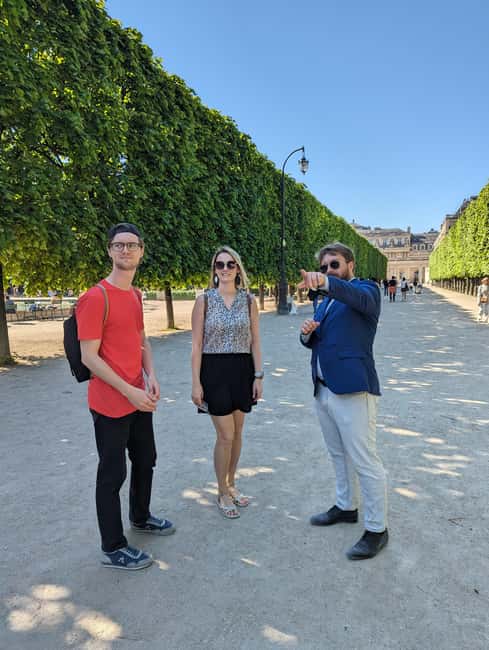
Reviewed · WALKING TOURS
Paris: Révolution(s) Walking Tour
Paris feels different after this walking tour. You follow the revolutionary story of Paris from 1789 to 1871, with a guide who makes the political ideas feel real on the street, not like school notes. I particularly love the chronological way the sites connect, and the fact you leave with a booklet/chronology you can keep using afterward.
My one caution: this is an intense walking experience (plus a short metro ride), and the tour is heavy on concepts like liberalism and socialism. If you prefer light and breezy sightseeing, you may find it a lot—bring comfy shoes and a curious mindset.
In This Review
- Key highlights I’d circle
- Revolution(s) in Paris: why this tour feels more like a story than sightseeing
- Meeting at Place de la Concorde: the perfect start line
- Tuileries Gardens: where palace power meets revolutionary pressure
- Palais-Royal Gardens: political theater, public life, and the mood shift
- A short metro break to keep the timeline moving
- Hôtel de Ville and City-Hall politics: where revolution becomes administration
- Palais de Justice: revolutionary justice and the cost of power
- The secret stop: headquarters of Enlightenment (and why it matters)
- Revolutions covered: more than just France, and more than just dates
- What you get to take home: booklet, chronology, and review cheat sheet
- How much time you need (and how to plan your day)
- Price and value: is $47 worth it?
- Who this tour suits best
- Should you book Révolution(s) in Paris?
- FAQ
- FAQ
- How long is the Révolution(s) walking tour?
- Where does the tour start?
- What language is the guide speaking?
- Is this tour private?
- Is the tour mostly walking?
- Do I need a metro ticket?
- What’s included with the ticket price?
- What should I wear or bring?
- Is there free cancellation?
- Is there a good time to do this compared to other museums?
Key highlights I’d circle
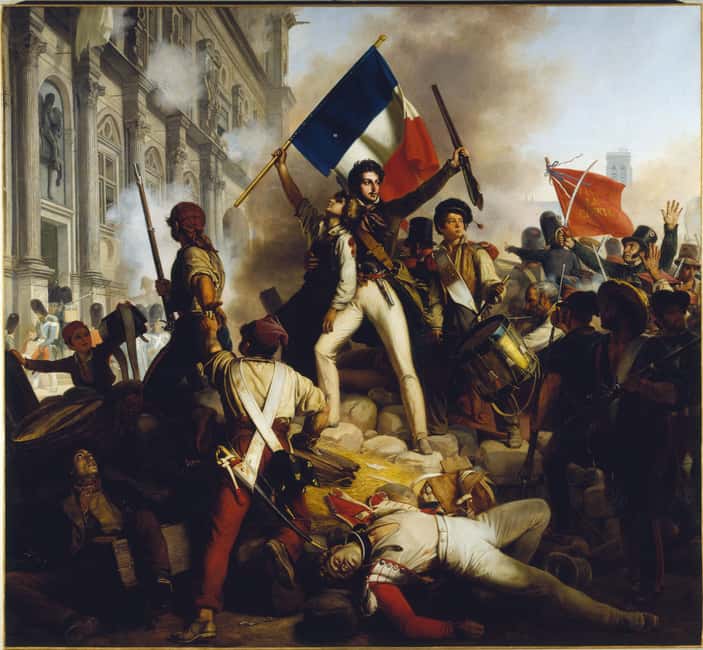
- Place-to-place chronology from key revolution moments between 1789 and 1871
- Revolutionary “classroom” themes like What is Liberalism?, What is Socialism?, and Revolutionary Tyranny
- Visits to major revolutionary landmarks like Place de la Révolution and Palais Égalité
- A secret stop at the headquarters of Enlightenment
- A smart take on global spillover, including the American, Russian, and Haitian revolutions
- You get a booklet plus cheat sheet-style chronology to review later
Revolution(s) in Paris: why this tour feels more like a story than sightseeing

Paris has a way of looking timeless. This tour flips that feeling. Instead of treating the historic center as a backdrop, you walk it as a timeline—one political shift pulling the next, until the city’s energy turns into a full-on revolution machine.
What makes this experience especially useful for you is the way it connects ideas to locations. You’re not just told that people rebelled. You learn what they were arguing about—liberalism, socialism, collapsing governments, and the idea of revolutionary tyranny—then you see where those arguments played out in public space.
The result is a tour that helps you read Paris with new eyes. You’ll look at familiar streets and squares and understand why they mattered when the crowd changed the rules.
Worth weighing up next to this Paris pick
- Paris Top Sights Half Day Walking Tour with a Fun Guide
★ 5.0 · 2,893 reviews - Montmartre Hidden Gems and Scenic Highlights Walking Tour
★ 5.0 · 2,684 reviews - Montmartre Hill French Gourmet Food and Wine Tasting Walking Tour
★ 5.0 · 2,588 reviews - Paris: Montmartre Highlights Walking Tour with a Local Guide
★ 4.9 · 2,318 reviews
Meeting at Place de la Concorde: the perfect start line
The tour begins at Place de la Concorde, next to the obelisk. Your guide is described as a bearded man wearing the French flag on his shoulders, so you should be able to spot him quickly.
I like starting here because it’s a dramatic anchor in the Paris imagination. Even if you don’t know the revolution history yet, the square gives you a sense of scale—this is where huge moments happened, and the guide sets the tone fast.
At this first stop, you get a guided introduction for about 20 minutes, then you begin moving on foot. The pacing matters: you’re not stuck in one lecture spot. You get orientation, then you’re already walking through the story.
Tuileries Gardens: where palace power meets revolutionary pressure
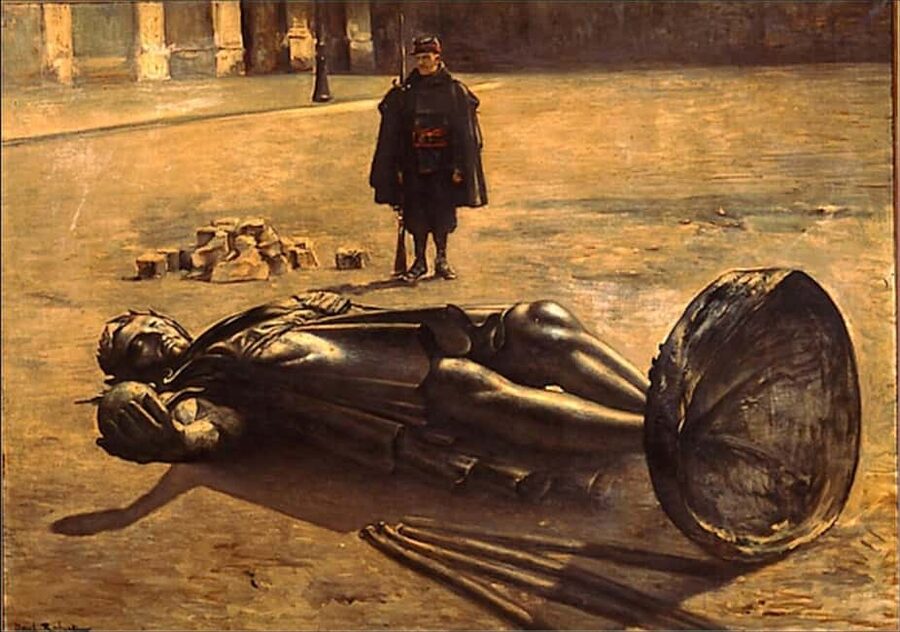
From Place de la Concorde, the route takes you toward the Tuileries Garden for another guided segment. This part is about making sense of how monarchy-era space became revolutionary-era space.
In the tour flow, you also visit revolutionary-linked landmark areas, including Place de la Révolution and Palais Égalité. You may not think of gardens and palaces as political tools, but that’s exactly the point. Urban design shapes how people gather, watch, protest, and remember.
Practical tip: this is a good place to slow down and look around. Notice sightlines, open areas, and the way crowds would have moved. When you understand the geometry, the history feels less abstract.
Palais-Royal Gardens: political theater, public life, and the mood shift
Next up is the Palais-Royal Garden for a longer guided visit (about 25 minutes). This is the kind of stop where you can almost feel the transition from elite politics to public momentum.
The tour’s emphasis on political concepts helps here. When you hear the guide explain things like what counts as liberalism or what people meant by socialism, it stops being dictionary work. You start to connect slogans and ideals to real people trying to change real rules.
You also have a short on-foot stretch between stops, which keeps your brain switched on. In short, this is where the tour gets more than just facts—it starts building the cause-and-effect chain.
A short metro break to keep the timeline moving
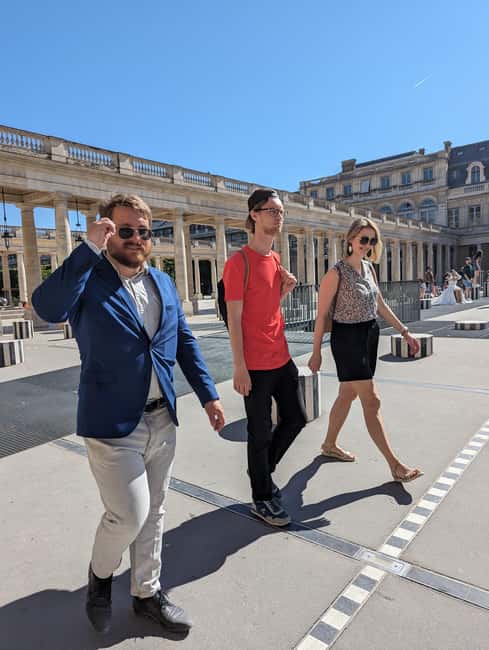
A key logistics detail you should know: there’s a brief subway/metro segment in the itinerary (about 6 minutes). That matters because it keeps the tour efficient and helps cover multiple sites without turning the day into a long-distance slog.
You’ll need a metro ticket, so plan for that before you meet. If you arrive without it, you could waste the first portion of your tour solving a practical problem instead of learning the bigger story.
Hôtel de Ville and City-Hall politics: where revolution becomes administration

After the garden stops, you move to Hôtel de Ville (Paris City Hall) for a guided visit of about 25 minutes.
This is a smart shift in focus. Early revolution talk can sound like street-level chaos, but revolutions also create new systems fast—or try to. Standing in a civic setting helps you understand how revolutionary energy becomes governance, paperwork, laws, and enforcement.
In the tour, you also encounter the idea of the Convention Nationale and the broader revolutionary political structure. It’s not just about throwing out old power; it’s also about trying to build new authority quickly, and often under pressure.
The tour doesn’t ignore the darker side either. You’ll hear about government collapse dynamics and what happens when revolutionary goals turn into internal enemies and hard-line tactics—what the guide frames as revolutionary tyranny.




Palais de Justice: revolutionary justice and the cost of power
The last major portion of the walk centers on Palais de Justice, with about 20 minutes of guided time, finishing at Palais de Justice de Paris.
This is where the tour’s focus on the mechanics of revolution gets extra sharp. The tour specifically mentions visiting the Tribunal Révolutionnaire, so you’re not just seeing a famous building. You’re learning how justice, fear, and political control can become tangled.
You’ll likely feel two things while you’re here:
1) how seriously people treated revolutionary legitimacy
2) how quickly justice systems can become tools rather than safeguards
That’s a heavy lesson, but it’s exactly why this tour is more than a history walk. It helps you connect past political decisions to the universal question of who controls law in times of crisis.
The secret stop: headquarters of Enlightenment (and why it matters)
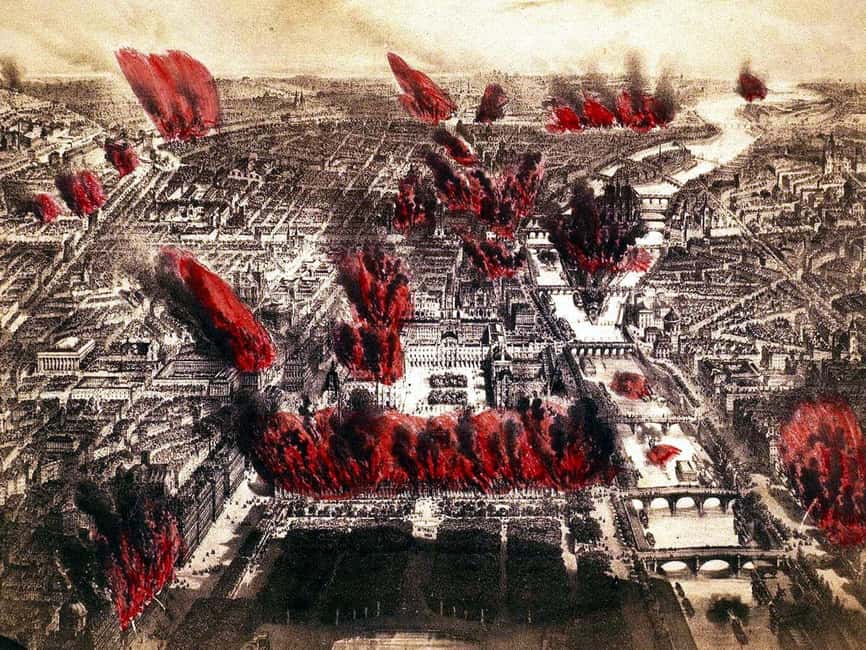
One of the most intriguing elements is the secret location stop: the headquarters of Enlightenment.
Even without assuming you know the Enlightenment storyline already, this stop changes how you interpret the rest of the tour. It ties the revolutionary era to the arguments about reason, society, and legitimacy that fed into modern political thinking.
This matters for you because it bridges the gap between “events” and “ideas.” You’re better prepared to understand why revolutionaries used certain language and why certain political models gained supporters.
And yes, the tour reportedly includes revolutionary songs along the way. It’s a small detail, but it helps reset your mood during a heavy theme tour—history becomes something you can remember.
Revolutions covered: more than just France, and more than just dates
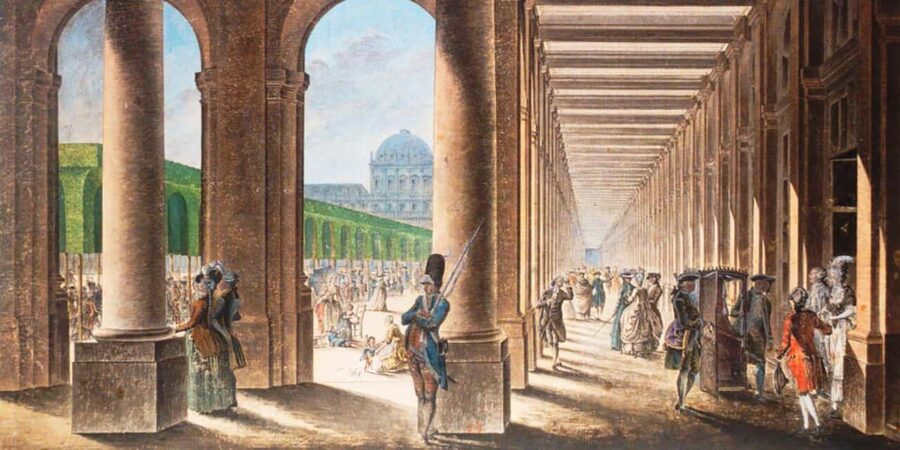
The tour spans major turning points from 1789, 1792, 1830, 1848, and 1871, with France and Paris as the connective thread. But it doesn’t stop at French history. You also learn about revolutions connected to the city and the era, including the American Revolution, Russian Revolution, Haitian Revolution, and references to wider movements such as Latin American revolutions and the Spring of Nations of 1848.
This blend is valuable because it changes your takeaway. You’ll start seeing revolutions less like isolated explosions and more like a chain of influence—people watching other people’s uprisings, copying tactics, debating ideology, and pushing back.
The guide also gives you reading-style recommendations (including YouTube and podcast recommendations) so you can continue the thread after the tour. That’s not “extra content.” It’s how you actually keep learning without needing to hunt down sources blindly later.
What you get to take home: booklet, chronology, and review cheat sheet
You don’t just leave with photos. You leave with materials.
The tour includes a booklet with a complete overview of the locations covered and a full chronology of the revolutions discussed. Then, after the tour, you also receive a cheat sheet that links the places and the events in the order you covered them.
For you, that cheat sheet is the difference between a fun history day and real retention. It turns your memory into a structured outline. And when you’re walking Paris again later—maybe at the next museum visit—you’ll know what you’re looking at and why it matters.
How much time you need (and how to plan your day)
The tour runs about 150 minutes to 4 hours. That’s long enough to feel satisfying, but not so long that you’re guaranteed to be exhausted—if you plan smart.
Two practical planning ideas:
- Do it earlier in your Paris history block so the story sticks. The tour specifically recommends doing it before the Conciergerie and the Carnavalet Museum.
- Bring comfortable shoes. This is a lot of walking, and the stops are spaced to keep the storyline moving.
If you’re juggling multiple museums in one day, keep this tour in mind as your “anchor” experience. It gives context that can make later visits easier to understand.
Price and value: is $47 worth it?
At $47 per person, the value depends on your style. If you like quick highlights and don’t want to think, it might feel steep compared to a self-guided stroll. But if you enjoy history that connects to ideas—who wanted what, why it broke down, and what replaced what—this pricing makes more sense.
Here’s what you’re paying for:
- a guided walking format for major revolutionary sites
- explanation of political concepts tied to those sites
- a secret Enlightenment stop
- a full booklet chronology plus a review cheat sheet
- recommendations you can use afterward
For many people, that combination is the sweet spot: you’re not paying for just a guide’s voice in the moment. You’re paying for a reusable learning package.
Who this tour suits best
You’ll be happiest on this tour if you:
- want history with clear connections, not random monument facts
- enjoy politics and ideas, especially terms like liberalism and socialism
- like walking through real urban spaces and understanding why revolutions used them
- want a guide who can explain big themes without losing the timeline
If you’re more into art, fashion, or café hopping as your primary Paris focus, you might still enjoy it—but you’ll want to balance it with lighter days.
Should you book Révolution(s) in Paris?
Yes, if you want a guided storyline that makes revolutionary Paris make sense, this is a strong choice. The biggest reasons to book are the chronological structure, the political concept framing, and the take-home booklet plus cheat sheet that helps you remember what you learned.
If you hate walking, or you prefer superficial descriptions over in-depth explanations, you might feel it’s too intense. But for curious travelers who want Paris to feel like it has causes and consequences, this tour is exactly the kind of history day that pays off later—when you see the city again with smarter eyes.
FAQ
FAQ
How long is the Révolution(s) walking tour?
It lasts about 150 minutes up to 4 hours, depending on conditions and the tour format.
Where does the tour start?
The meeting point is at Place de la Concorde, next to the obelisk.
What language is the guide speaking?
The tour is offered in English and French.
Is this tour private?
A private group option is available, and private tours can last up to 4 hours.
Is the tour mostly walking?
Yes. It involves a lot of walking, and there is also a short subway/metro segment during the route.
Do I need a metro ticket?
Yes, it’s necessary to have a metro ticket for the metro portion.
What’s included with the ticket price?
The tour includes the guided walking tour, lessons connecting past and present, major revolutionary site guiding, a secret Enlightenment location visit, photo opportunities, and a booklet with an overview and chronology (plus recommendations).
What should I wear or bring?
Wear comfortable shoes because there is a lot of walking. Having a metro ticket is also important.
Is there free cancellation?
Yes, you can cancel up to 24 hours in advance for a full refund.
Is there a good time to do this compared to other museums?
The tour recommends doing it before visiting the Conciergerie and the Carnavalet Museum.
More Walking Tours in Paris
- Paris Top Sights Half Day Walking Tour with a Fun Guide
★ 5.0 · 2,893 reviews - Montmartre Hidden Gems and Scenic Highlights Walking Tour
★ 5.0 · 2,684 reviews - Montmartre Hill French Gourmet Food and Wine Tasting Walking Tour
★ 5.0 · 2,588 reviews - Paris: Montmartre Highlights Walking Tour with a Local Guide
★ 4.9 · 2,318 reviews - Paris Île de la Cité and Notre-Dame Walking Tour With Crypt
★ 5.0 · 2,272 reviews
More Tours in Paris
- Paris: Louvre Guided Tour with Reserved Access & Boat Cruise
★ 4.3 · 16,353 reviews - Paris: Big Bus Hop-On Hop-Off Tour with Optional Cruise
★ 4.4 · 13,279 reviews - Louvre Museum Masterpieces Guided Tour with Access
★ 4.5 · 12,023 reviews - Versailles: Skip-the-Line Tour of Palace and Gardens Access
★ 4.7 · 10,429 reviews - Paris: Louvre Overview, Exploration tour and Reserved Entry
★ 4.1 · 10,145 reviews
More Tour Reviews in Paris
- Paris: 1-Hour Seine Cruise departing from the Eiffel Tower
★ 4.4 · 77,472 reviews - Paris: Louvre Museum Timed-Entrance Ticket
★ 4.6 · 71,977 reviews - Disneyland® Paris 1-Day Ticket
★ 4.6 · 49,412 reviews - Paris: Versailles Palace and Gardens Full Access Ticket
★ 4.6 · 41,579 reviews - Paris: Arc de Triomphe Rooftop Tickets
★ 4.6 · 34,264 reviews
Fresh off the review desk in Paris
- Secrets of Paris Bike Tour in English or Dutch★ 5.0 · 5 reviews
- Paris: Mont Saint-Michel Day Tour with Chinese Tour Guide★ 5.0 · 5 reviews
- Private Street Art 2-Hour Guided Tour in Paris★ 4.5 · 5 reviews
- Orsay Museum Tour: 2h Highlights (Private & Small Group)★ 5.0 · 5 reviews
- Discover Paris in electric golf carts★ 4.0 · 5 reviews
- Paris Private Boat Tour with your own Captain Guide★ 5.0 · 5 reviews
Walking Tours, compared.
 ★ 5.0Paris Top Sights Half Day Walking Tour with a Fun GuideFrom $762,893 reviews
 ★ 5.0Montmartre Hidden Gems and Scenic Highlights Walking TourFrom $382,684 reviews
 ★ 5.0Montmartre Hill French Gourmet Food and Wine Tasting Walking TourFrom $1452,588 reviews
 ★ 4.9Montmartre Highlights Walking Tour with a Local GuideFrom $232,318 reviews
 ★ 5.0Paris Île de la Cité and Notre-Dame Walking Tour With CryptFrom $482,272 reviews
 ★ 4.8Montmartre Cheese, Wine & Pastry Guided Walking TourFrom $1272,255 reviews
 ★ 5.0Paris in a Day: Louvre or Orsay, Eiffel Tower, City Walk & CruiseFrom $1571,956 reviews
 ★ 5.0Paris City Center Free Walking Tour (Tip-Based)From $31,340 reviews