
Reviewed · WALKING TOURS
Paris Writers and Painters Guided 1.30 hour Walking Tour
Paris Left Bank has a double life. It mixes famous art and books with real street corners, old cafés, and the buzz of the 1920s. Starting at Café Flore, you connect the lives of major writers and painters to the places where their ideas actually took shape.
I love two things most: first, the tour’s café-and-street focus on La Vie Bohème in Saint-Germain-des-Prés and the Latin Quarter. Second, the specific storytelling around major names and venues, including Hemingway’s hangouts like Les Deux Magots and Picasso’s meals at La Rotonde.
One thing to consider: the experience depends heavily on the guide’s depth and pacing. A couple of bookings reported limited coverage (for example, overly narrow focus on just a few figures) and, in one case, a no-show situation.
In This Review
- Key Highlights You’ll Notice Fast
- Meeting at Café Flore: Your Start Line on the Left Bank
- Saint-Germain-des-Prés and the Latin Quarter, in Writer’s Footsteps
- Les Deux Magots and La Rotonde: Hemingway and Picasso at Café Table
- How the Seine, Squares, and Boulevards Fit the 1920s Story
- Guide Quality Matters: When Susan-Style Storytelling Clicks
- Price and Value for a 2-Hour Left Bank Walk
- Practical Tips for a Comfortable Walk (and Better Photos)
- Who Should Book This Paris Writers and Painters Tour?
- Should You Book This Tour?
- FAQ
- FAQ
- Where do I meet for the tour?
- How long is the walking tour?
- What languages are offered?
- How big is the group?
- What’s included in the price?
- What should I bring?
- Are luggage or large bags allowed?
- What are the cancellation terms?
Key Highlights You’ll Notice Fast
- Café Flore start at 172 Boulevard Saint-Germain, easy to find and very on-theme
- Small-group size (up to 8), which usually means more questions and less crowd noise
- Left Bank focus on Saint-Germain-des-Prés and the Latin Quarter, where Paris writers gathered
- Major names and specific venues, including Les Deux Magots and La Rotonde
- Guide-led storytelling, with one guide (Susan) specifically praised for fun, clear delivery
Meeting at Café Flore: Your Start Line on the Left Bank
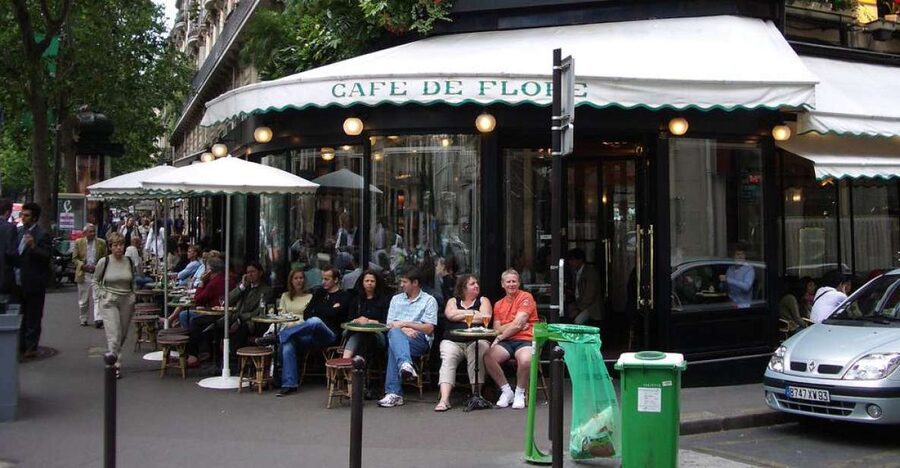
You begin at Café Flore, 172 Boulevard Saint-Germain. It’s a smart choice, because this area doesn’t feel like a museum. It feels like Paris still has tabs open and people still argue about ideas at round tables.
From here, the tour moves through the Left Bank’s “thinky” neighborhoods: Saint-Germain-des-Prés first, then toward the Latin Quarter. That matters, because these places weren’t just backdrops. They were the social infrastructure for writers and painters. You’ll hear how the city’s layout shaped the work: short walks between cafés, lively streets that kept conversations going, and squares where people naturally lingered.
Bring comfortable shoes. You’re not strolling for Instagram here. It’s a walking tour with enough pace to keep the story flowing, so you’ll want feet that can handle Paris cobblestones without complaining.
One more practical note: you don’t need hotel pickup. Just show up at the meeting point, be ready to walk, and keep your bag small since luggage or large bags aren’t allowed.
Worth weighing up next to this Paris pick
- Paris Top Sights Half Day Walking Tour with a Fun Guide
★ 5.0 · 2,893 reviews - Montmartre Hidden Gems and Scenic Highlights Walking Tour
★ 5.0 · 2,684 reviews - Montmartre Hill French Gourmet Food and Wine Tasting Walking Tour
★ 5.0 · 2,588 reviews - Paris: Montmartre Highlights Walking Tour with a Local Guide
★ 4.9 · 2,318 reviews
Saint-Germain-des-Prés and the Latin Quarter, in Writer’s Footsteps
This tour’s core is simple: follow the geography of the Left Bank’s creative life. You start in Saint-Germain-des-Prés, then you work your way toward the Latin Quarter, using streets, cafés, and old squares to connect the famous people to daily life.
That’s where the experience gets interesting. The Left Bank isn’t just “where artists went.” It’s where they hung out—and hanging out is often where ideas got formed. The guide helps you see the pattern: painters needed communities and patrons, and writers needed places to meet, argue, and edit their thoughts out loud.
You’ll also get a sense of the “bohemian Paris” vibe, often called La Vie Bohème. The tour frames it as a culture of regular meeting points, habitual conversation, and the kind of nightlife that fed both art and literature. The neighborhoods feel built for that story.
If you’re hoping for a pure slideshow of famous artworks, you might be mildly frustrated. This is more about how the people lived day to day, with Paris geography doing the heavy lifting.
Still, if you like your history with street-level context, this is a strong match. You’ll walk away seeing the Left Bank as a network of places, not random sightseeing stops.
Les Deux Magots and La Rotonde: Hemingway and Picasso at Café Table
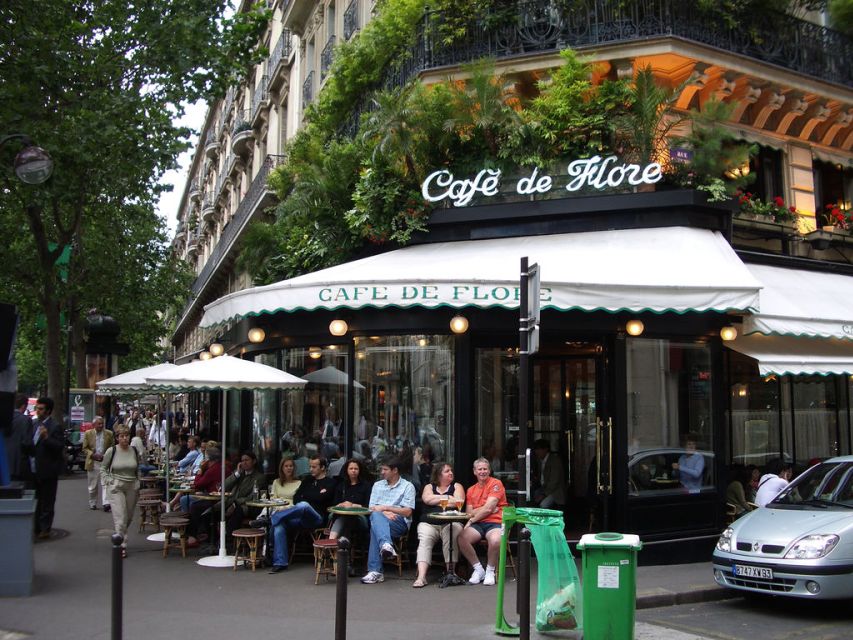
Two names anchor the 1920s vibe on this walk: Hemingway and Picasso. And the tour doesn’t keep it vague.
Hemingway’s connection shows up with Les Deux Magots, where the story includes his absinthe-sipping nights. Even if you’re not an absinthe person yourself, the detail is the point: the guide links a recognizable figure to a very specific cultural scene—café life at its most theatrical.
Picasso gets his spotlight at La Rotonde, including the mention of him dining on choucroute garnie. That’s such a Paris-specific kind of detail. It makes the story feel less like a biography and more like a lived moment—food, mood, and conversation all happening in the same room.
These café moments are also why this tour can feel worth it even with a ticket price on the higher side. A guided walk like this helps you avoid the most common Paris mistake: seeing famous places but missing the “why here” story.
Do note a nuance. Based on real booking experiences, some guides may focus more on certain big names than others. If you care deeply about French writers beyond the usual handful, pay attention to the guide’s stated style when you’re assigned. The guide can make or break whether you leave feeling you got your money’s worth.
How the Seine, Squares, and Boulevards Fit the 1920s Story
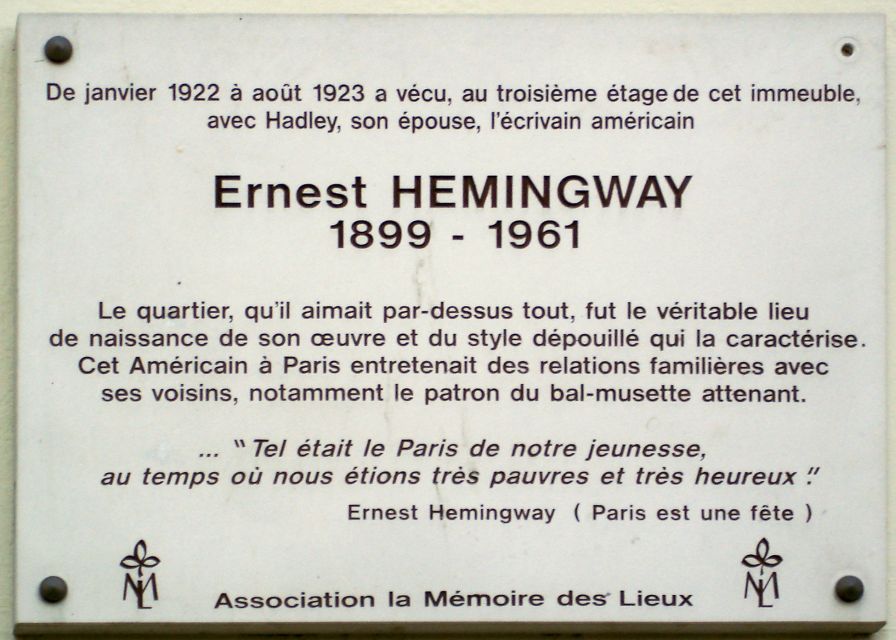
The tour weaves a bigger map behind the famous faces. You’re not stuck in one tiny lane. The walk connects historic Paris along the Seine with the more dramatic mood of grand boulevards, then returns to the quieter pull of cafés, old squares, and artist-studio type locations (the tour describes these kinds of spaces as part of the creative ecosystem).
This structure helps you understand something important: Paris wasn’t just a set of locations. It was a machine for movement and meeting. People went where the energy was, and the city’s flow made it easier to bump into the same circles night after night.
You’ll hear about the cross-over between art and literature, including the idea that philosophers and novelists weren’t working in isolation. The guide frames how groups overlapped—writers spending time together, painters finding patrons, and everyone using cafés as informal offices.
Names you should expect to hear include Jean-Paul Sartre and Simone de Beauvoir, plus figures like Faulkner, Camus, Hemingway, and Fitzgerald. The point isn’t that every stop equals one chapter. It’s that the guide uses the city’s places to explain how the culture operated.
Also, expect the story to have a strong time period focus—especially the sizzling Paris of the 1920s. That’s a great angle if that era is your thing. If you want equal weight across the 19th and 20th centuries, go in with flexibility. The tour is built to highlight the bohemian peak, not to be a strict timeline lecture.
Guide Quality Matters: When Susan-Style Storytelling Clicks
Here’s the honest truth: this tour lives or dies by the guide.
Some guides are praised for being fun, energetic, and genuinely helpful at turning famous names into real people. One guide named Susan gets specifically called out for being knowledgeable and sharing stories that made the tour enjoyable.
When the guide hits their stride, you get more than facts. You get the pattern: who the people were, how they interacted, and why certain places became famous gathering points. You also get better pacing. You’ll feel like the tour is telling a story, not simply naming stops.
When the guide doesn’t land with you, the coverage can feel thin or overly focused. One booking experience described a guide who covered Oscar Wilde and Picasso but didn’t get into as many other writers and painters as expected for the price.
So how do you protect yourself? Go with a couple expectations set up front:
- You’re paying for a live narrative, not a self-guided list.
- The guide’s choices affect which names get more attention.
- A small group (max 8) helps, but it doesn’t eliminate personality differences.
If you want the strongest chance of a great experience, show up early, be ready to ask questions, and treat the tour like a conversation with a local expert rather than a passive lecture.
Price and Value for a 2-Hour Left Bank Walk
At $100 per person for about a 2-hour walk, you’re paying for three things:
- A live, English-speaking expert guide (and tours can run in English or Spanish).
- A tight, small-group format (up to 8 participants).
- The specific cultural storytelling that connects major figures to real places.
Is it a bargain? Not really. But it can be good value if the guide delivers strong storytelling and if you’re interested in the intersection of art, literature, and café culture.
Here’s the value test I’d use before committing: do you enjoy walking tours where the payoff is context? If you just want photos of landmark facades, you can do the area on your own cheaper. If you want the “who met where and why it mattered” angle, a guided small group is the difference between random stops and a coherent story.
Also, be realistic about what you’re buying. You’re not being driven across the city. You’re walking a focused Left Bank circuit from start to finish. That’s ideal for people who like to cover ground on foot and who aren’t trying to push in with a giant bag.
Finally, the tour has a minimum of 2 people per booking. That matters for couples who book last minute. If you’re traveling solo, you may need to pair up with someone or check how they handle the minimum requirement.
Worth weighing up next to this Paris pick




Practical Tips for a Comfortable Walk (and Better Photos)
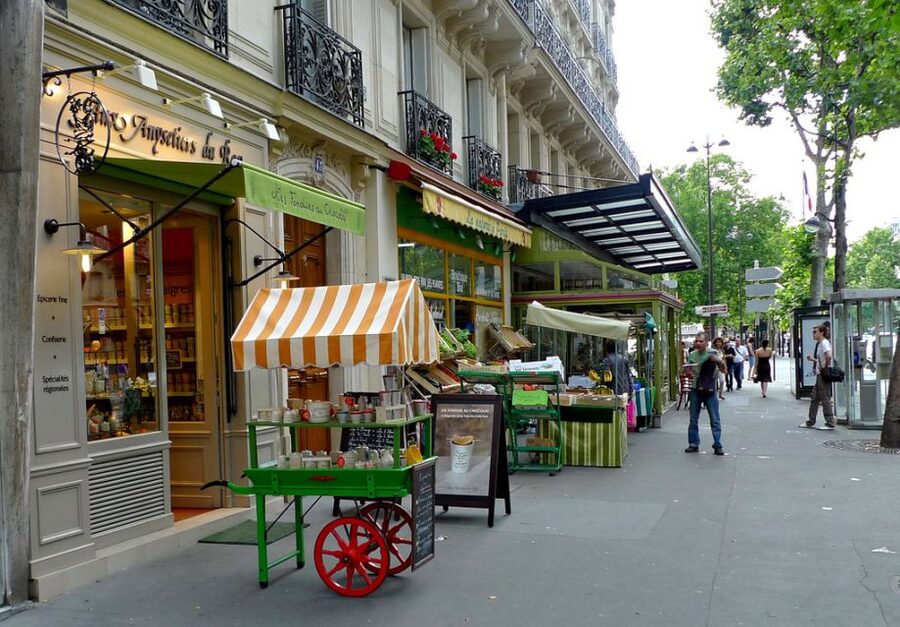
For a tour like this, small practical choices make a big difference:
- Wear shoes you can walk in for a couple hours. Cobblestones and uneven pavement are normal here.
- Avoid bringing luggage or large bags since the tour doesn’t allow them.
- Plan to stand in café-adjacent spots while the guide talks. Paris sidewalks can be narrow.
- Arrive a bit early at Café Flore so you’re not stressing. Starting smoothly is half the experience.
Because the group is capped at 8, you’ll likely get a bit more flexibility and attention than big group tours. Still, you should be prepared for tight spacing as you move between points.
If you’re sensitive to crowds, go in knowing this is a central neighborhood with lots of foot traffic. The guide’s job includes keeping the group moving, so you’ll get stops with enough time to understand the story, not long, sit-and-chat breaks.
And if you really care about certain writers or painters, set that expectation with yourself. When the guide focuses on Oscar Wilde and Picasso, you may want to nudge the conversation toward other names like Sartre, Camus, or Fitzgerald during Q&A, if they offer it.
Who Should Book This Paris Writers and Painters Tour?
This tour is best for:
- People who love Left Bank culture and want a guided way to understand it
- Readers and movie-or-history fans who like to connect famous names to real places
- Travelers who enjoy cafés as part of the story, not as a sidebar
It might be less satisfying if:
- You want a very broad survey of many painters and writers across the centuries
- You expect every big name listed on the promotional material to receive equal time
- You strongly prefer driver-assisted or low-walking sightseeing
If you’re visiting for the first time and you want one guided hit that explains why Paris became a magnet for writers and painters, this is a solid way to get your bearings fast. You’ll come away with a clearer mental map of where the creative scene concentrated.
Should You Book This Tour?
I’d book it if you’re excited by the idea of turning Paris streets into a living story—especially if Hemingway, Picasso, Sartre, and the whole Left Bank café scene sounds like your kind of travel.
I would hesitate if you know you only want deep coverage of a long list of names, because the guide’s focus can vary. Also, given that a small number of bookings reported issues like a no-show or a narrow narrative, do yourself a favor: keep your expectations tied to a live guide experience and be ready to double-check your status the day of.
If you’re flexible, the tour’s free cancellation up to 24 hours in advance can help you manage risk. With the small-group size and the chance to hear stories tied to places like Les Deux Magots and La Rotonde, it can be a memorable use of a couple hours on the Left Bank.
FAQ
FAQ
Where do I meet for the tour?
You meet at Café Flore, 172 Boulevard Saint-Germain, Paris.
How long is the walking tour?
The tour runs for about 2 hours.
What languages are offered?
The tour guide provides live commentary in English and Spanish.
How big is the group?
It’s a small group limited to 8 participants.
What’s included in the price?
A walking tour and an expert English-speaking guide are included.
What should I bring?
Wear comfortable shoes for the walking portion.
Are luggage or large bags allowed?
No. Luggage or large bags are not allowed.
What are the cancellation terms?
You can cancel up to 24 hours in advance for a full refund. If a tour is canceled less than 24 hours before the start time, refunds are not issued.
More Walking Tours in Paris
- Paris Top Sights Half Day Walking Tour with a Fun Guide
★ 5.0 · 2,893 reviews - Montmartre Hidden Gems and Scenic Highlights Walking Tour
★ 5.0 · 2,684 reviews - Montmartre Hill French Gourmet Food and Wine Tasting Walking Tour
★ 5.0 · 2,588 reviews - Paris: Montmartre Highlights Walking Tour with a Local Guide
★ 4.9 · 2,318 reviews - Paris Île de la Cité and Notre-Dame Walking Tour With Crypt
★ 5.0 · 2,272 reviews
More Tours in Paris
- Paris: Louvre Guided Tour with Reserved Access & Boat Cruise
★ 4.3 · 16,353 reviews - Paris: Big Bus Hop-On Hop-Off Tour with Optional Cruise
★ 4.4 · 13,279 reviews - Louvre Museum Masterpieces Guided Tour with Access
★ 4.5 · 12,023 reviews - Versailles: Skip-the-Line Tour of Palace and Gardens Access
★ 4.7 · 10,429 reviews - Paris: Louvre Overview, Exploration tour and Reserved Entry
★ 4.1 · 10,145 reviews
More Tour Reviews in Paris
- Paris: 1-Hour Seine Cruise departing from the Eiffel Tower
★ 4.4 · 77,472 reviews - Paris: Louvre Museum Timed-Entrance Ticket
★ 4.6 · 71,977 reviews - Disneyland® Paris 1-Day Ticket
★ 4.6 · 49,412 reviews - Paris: Versailles Palace and Gardens Full Access Ticket
★ 4.6 · 41,579 reviews - Paris: Arc de Triomphe Rooftop Tickets
★ 4.6 · 34,264 reviews
Fresh off the review desk in Paris
- Secrets of Paris Bike Tour in English or Dutch★ 5.0 · 5 reviews
- Paris: Mont Saint-Michel Day Tour with Chinese Tour Guide★ 5.0 · 5 reviews
- Private Street Art 2-Hour Guided Tour in Paris★ 4.5 · 5 reviews
- Orsay Museum Tour: 2h Highlights (Private & Small Group)★ 5.0 · 5 reviews
- Discover Paris in electric golf carts★ 4.0 · 5 reviews
- Paris Private Boat Tour with your own Captain Guide★ 5.0 · 5 reviews
Walking Tours, compared.
 ★ 5.0Paris Top Sights Half Day Walking Tour with a Fun GuideFrom $762,893 reviews
 ★ 5.0Montmartre Hidden Gems and Scenic Highlights Walking TourFrom $382,684 reviews
 ★ 5.0Montmartre Hill French Gourmet Food and Wine Tasting Walking TourFrom $1452,588 reviews
 ★ 4.9Montmartre Highlights Walking Tour with a Local GuideFrom $232,318 reviews
 ★ 5.0Paris Île de la Cité and Notre-Dame Walking Tour With CryptFrom $482,272 reviews
 ★ 4.8Montmartre Cheese, Wine & Pastry Guided Walking TourFrom $1272,255 reviews
 ★ 5.0Paris in a Day: Louvre or Orsay, Eiffel Tower, City Walk & CruiseFrom $1571,956 reviews
 ★ 5.0Paris City Center Free Walking Tour (Tip-Based)From $31,340 reviews