
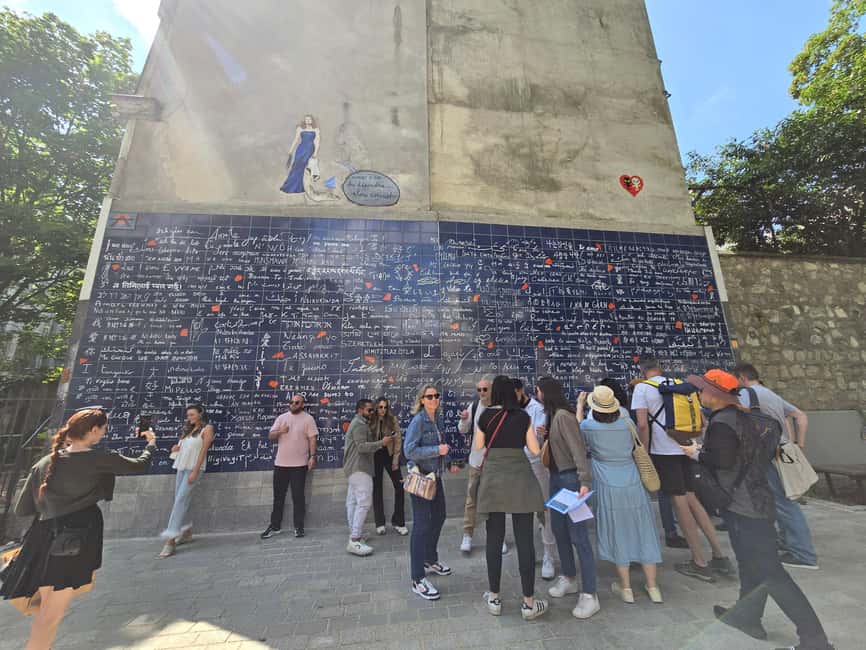
Reviewed · MONTMARTRE TOURS
The historic district of Montmartre
Montmartre feels like a place you should understand before you wander. This 90-minute tour gives you the context, so the winding streets, squares, and famous buildings make sense. I like the way the guide turns landmarks into clear cultural stories, and I also like that you get maps and brochures to keep the neighborhood straight after the walk.
One consideration: it’s a walking tour and you’ll want solid footwear. It also isn’t set up for wheelchair users, and you can’t bring a backpack, so plan light and be ready for a smooth pace.
In This Review
- Key things I’d focus on
- Why Montmartre’s historic district still feels personal
- Meeting at Blanche: where your tour gets its momentum
- The quick bakery stop that gives you local texture
- First Montmartre photo stop: you’ll know where to look
- Guided walk through monuments, squares, and art culture
- The free time block: use it like a pro, not a tourist
- Another guided pass: why the last stories matter
- Finishing at Sacré-Cœur: your payoff comes with context
- Price and value: what $35 buys you in real terms
- Timing and pacing: how to prepare so it feels easy
- Who this tour suits best (and who might not love it)
- Should you book this Montmartre historic district tour?
- FAQ
- FAQ
- Where do I meet the tour guide?
- How long is the tour?
- What languages are offered?
- What’s included in the $35 price?
- What should I bring, and what can’t I bring?
- Is the tour wheelchair accessible?
Key things I’d focus on

- Artist stories in real squares: You’ll connect the art scene to the specific places you see.
- Clear, practical explanations: Monuments and artworks come with meaning, not just names.
- Short stops with real breaks: Photo moments and a stretch of free time let you reset.
- Maps and brochures you can actually use: You’re not left with only memories.
- Ends at Sacré-Cœur: The walk has a satisfying finish line.
Why Montmartre’s historic district still feels personal
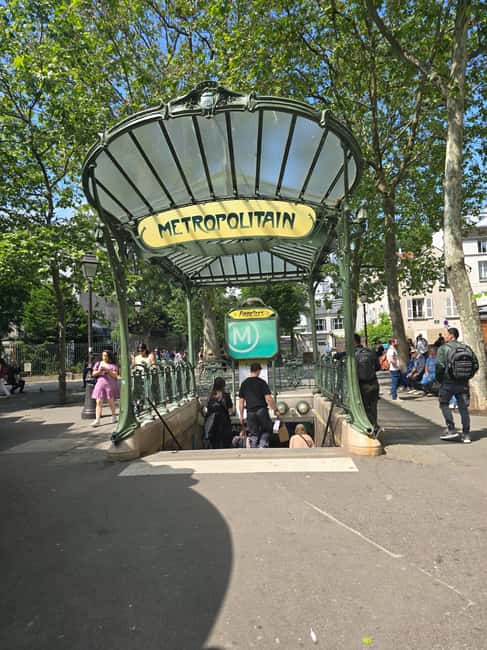
Montmartre isn’t just a postcard. It’s a layered neighborhood where the city’s cultural identity shows up street by street. A good guided walk matters here, because the hill and the backstreets can blur together fast unless you know what you’re looking at.
What this tour does well is connect three things you might otherwise treat separately: place, people, and purpose. The guide brings in the neighborhood’s history and cultural significance, including the way artists shaped its reputation. Then you see squares, cathedrals, and historic buildings in the same thread, so your brain files it in the right order.
And yes, the photos help, but the real win is understanding why these streets became famous for art and expression in the first place.
Keep climbing: more of the Montmartre hill
- Montmartre Hidden Gems and Scenic Highlights Walking Tour
★ 5.0 · 2,684 reviews - Montmartre Hill French Gourmet Food and Wine Tasting Walking Tour
★ 5.0 · 2,588 reviews - Paris: Montmartre Highlights Walking Tour with a Local Guide
★ 4.9 · 2,318 reviews - Paris: Montmartre Cheese, Wine & Pastry Guided Walking Tour
★ 4.8 · 2,255 reviews
Meeting at Blanche: where your tour gets its momentum
You start at Blanche metro station (Line 2), 59 Boulevard de Clichy, 75009 Paris. Showing up early is worth it. You’re asked to arrive 15 minutes before the start, which gives you time to find the meeting spot and settle before the first briefing.
Plan to move comfortably right away. This isn’t a sit-and-stare museum experience. The tour is built around short segments: walk, look, listen, and then walk again. Bring a hat, sunscreen, and a bottle of water. If you’re wearing shoes that feel fine on flat ground but pinch on hills, consider switching.
Also, keep it simple: no backpacks are allowed, and alcohol and drugs are not allowed. The same applies to touching plants, which is a good reminder that you’ll be walking through real public spaces, not a closed set.
The quick bakery stop that gives you local texture
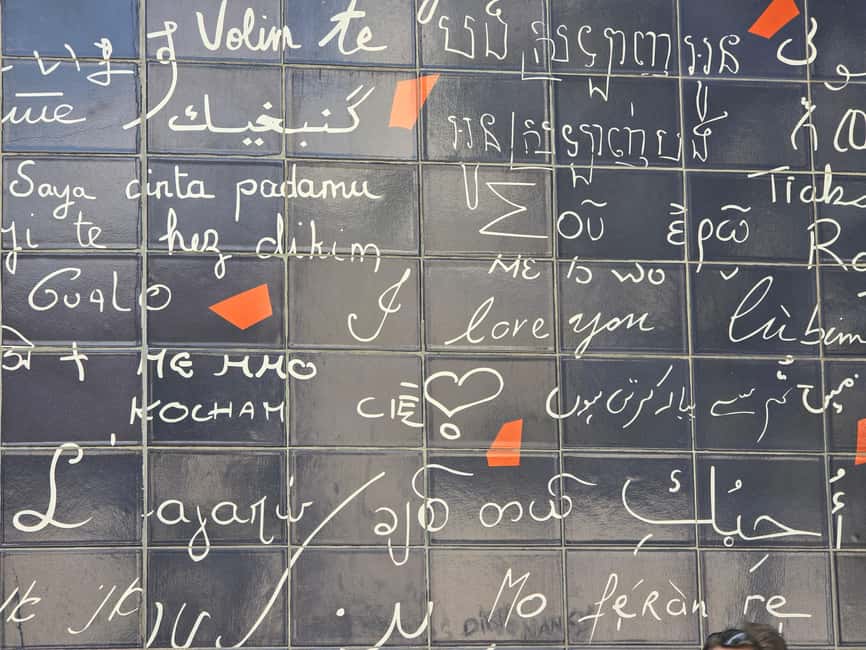
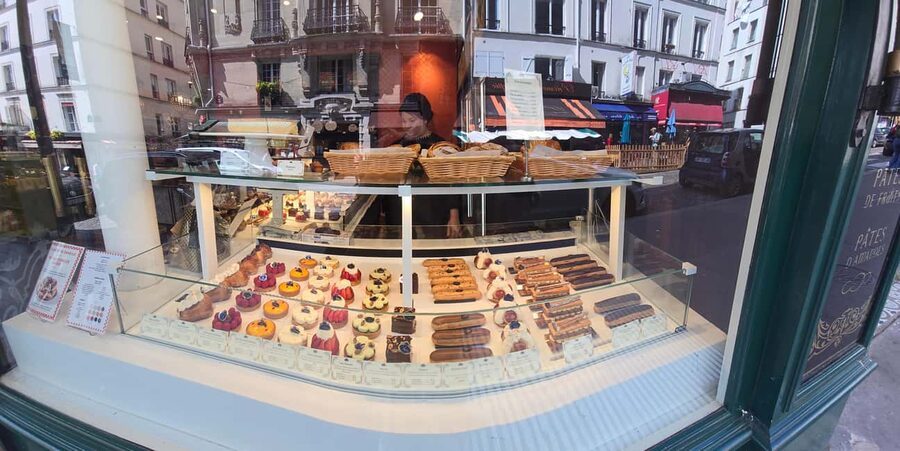
Right after the meeting, there’s a brief stop at a local bakery (about 5 minutes). This is short on purpose. It’s not a meal, and it’s not a food tour—but it helps you start feeling like you’re in Montmartre, not just sightseeing it.
In practice, that little pause can be useful. It gives you a moment to slow down, orient your expectations, and hear the guide frame the day’s stories. It’s also a low-pressure way to take a first round of photos without the hill adrenaline kicking in yet.
If you’re the type who gets overwhelmed by big walking plans, this opening stop is a nice landing pad.
First Montmartre photo stop: you’ll know where to look
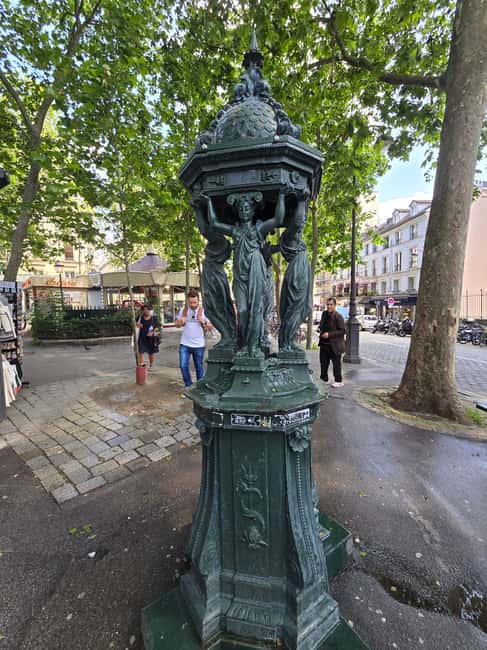
Next comes a photo stop in Montmartre (around 10 minutes). This is one of those moments that can be purely visual if you don’t have context, or surprisingly meaningful if the guide explains what you’re seeing.
Here, you’re looking at the neighborhood from the perspective that tourists usually try to capture without understanding the layout. The guide’s job is to help you connect viewpoints to the surrounding streets and landmarks, so when you move on, you’re not only chasing the next camera angle.
Tip I’d give: treat the photo stop like orientation time, not just a snapshot session. Stand where the guide points you, listen for the details you might miss, and then take a photo after the “aha” moment.
Guided walk through monuments, squares, and art culture
After the photo moment, you’ll get multiple guided sections in Montmartre, each one blending visits, walk time, and short stretches of free time.
The tour is built to show you the neighborhood’s cultural meaning through:
- monuments and historic buildings,
- squares and their roles in daily life,
- and cathedrals tied to Montmartre’s identity.
This is where the tour’s strongest value shows up: the guide isn’t just listing what exists. You get explanations about characteristics and significance, so landmarks become clues. And because the tour includes discussion of the history of the artists who lived in the squares, you start to see Montmartre as an ecosystem, not a theme park.
A small, but important detail: you’re in the neighborhood with the help of a professional guide, so you can ask questions in the moment. That can turn confusion into clarity fast, especially if you’re not a Paris expert.
If you happen to get a guide with an energetic teaching style, it can make a big difference. In the past, I’ve seen names like Arthur and Julien associated with this kind of visit, and the consistent theme is clear explanations plus friendly, professional delivery. Even if you’re not in the same language style, that’s the kind of experience this tour is trying to deliver.
The free time block: use it like a pro, not a tourist
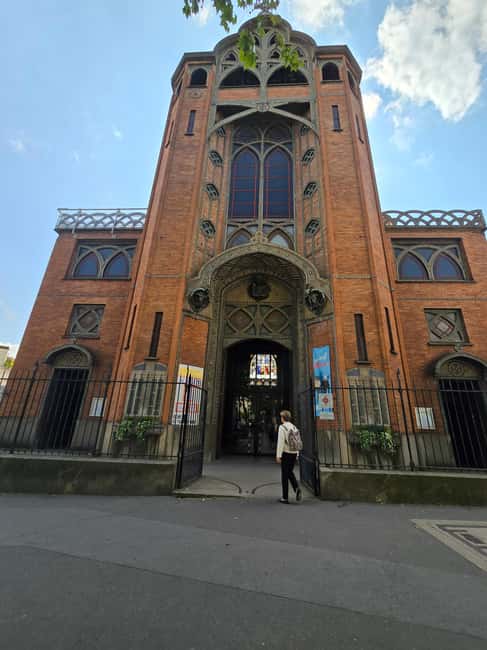
There’s a free time stretch during the walk (about 20 minutes). Free time in a guided tour can be hit or miss, but you can make it work for you.
Your best moves are simple:
- Walk slowly and look at the squares the guide highlighted, not just the biggest monument in the frame.
- Use your maps and brochures to identify what you’ve already been told about.
- If you still have questions, jot them down and ask during the next guided segment.
This is also a good chance to refresh your energy. Bring your water out. Check your shoe comfort. If you’re tempted to wander off too far, remember the tour is timed to keep the flow and end point on schedule.
Free time doesn’t mean “go explore blindly.” It means “reconnect what you learned to what you’re seeing.”
Worth weighing up next to this Paris pick


Another guided pass: why the last stories matter
The tour continues with additional guided time in Montmartre (another guided segment and walk of about 20 minutes). This part helps connect the dots. Earlier stories can make you feel like you’re learning facts; later stories help you see relationships—how art life, architecture, and the hill’s unique layout fed the neighborhood’s reputation.
You’ll also benefit from the fact that the tour includes admission to several sites in Montmartre. Even if you don’t catch every museum detail, the fact that some stops are entry-based usually means you get access to meaningful spots, not only street-level views.
And because the tour includes things like sites tied to art and history and even archaeological excavations as part of the broader approach, it’s designed to show you Montmartre beyond the most photographed surfaces. You end up understanding the neighborhood as something shaped over time, not frozen in 1910 for your Instagram feed.
Finishing at Sacré-Cœur: your payoff comes with context
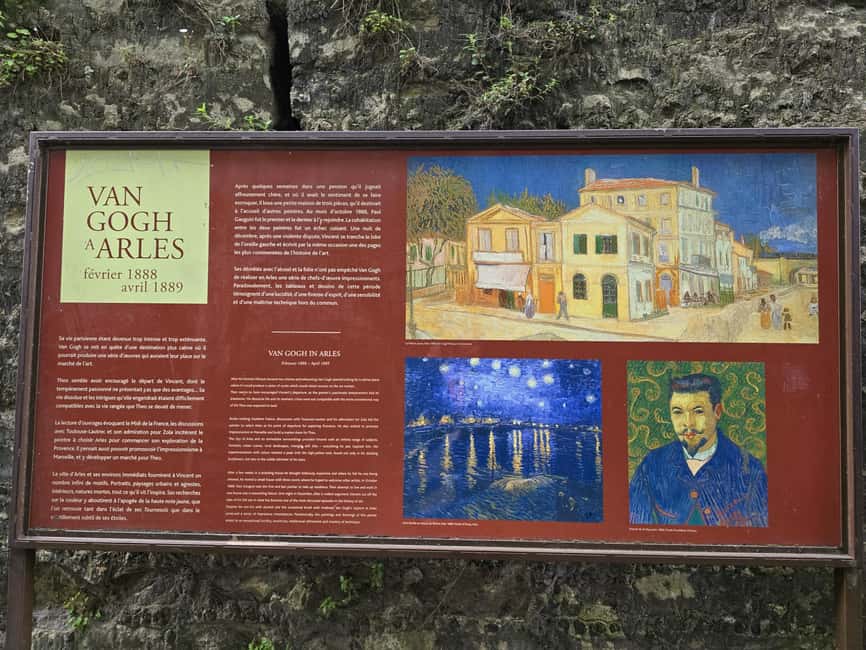
The tour ends at Basilique du Sacré-Cœur de Montmartre. This is a smart finish. Sacré-Cœur is famous enough that you’ll likely notice it anyway—but arriving there at the end of a guided story makes a difference.
By the time you reach it, you’ve already spent time learning what Montmartre represents culturally: the squares tied to artists, the monuments that define the skyline, and the way the neighborhood earned its place in Paris imagination.
So when you see Sacré-Cœur, you’re not only thinking about the building. You’re thinking about why this hill matters and how Montmartre became Montmartre.
Practical note: after a 90-minute walk, don’t rush your last photos. If you do, you miss the best moment of the day: standing still long enough to let the view connect with what you just learned.
Price and value: what $35 buys you in real terms
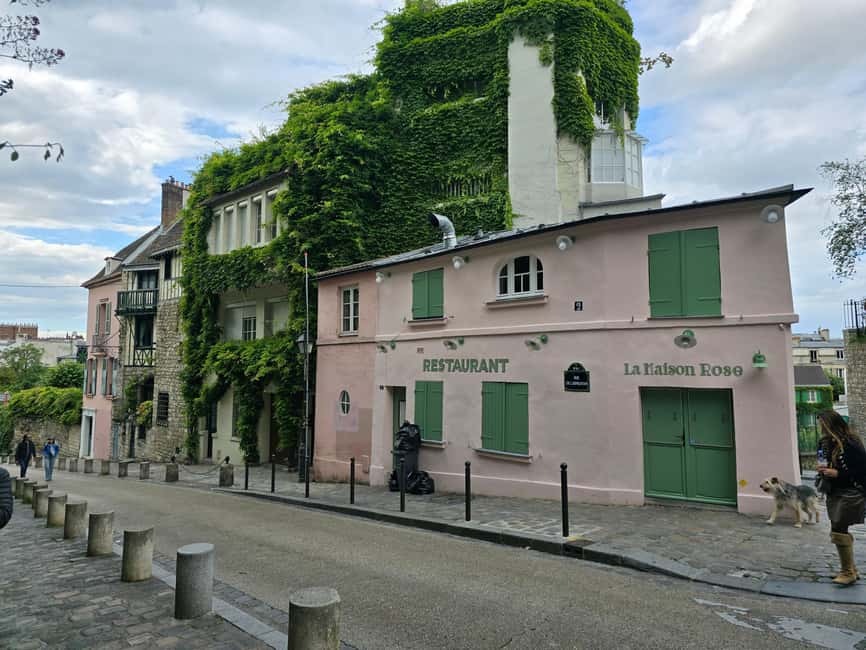
At $35 per person for about 90 minutes, this is not trying to be a bargain. But it also isn’t trying to be a luxury private guide.
The value comes from three concrete pieces you’re paying for:
- A professional live guide who explains the neighborhood’s cultural significance in a way you can follow.
- Admission to several sites in Montmartre, which usually costs extra when you handle everything on your own.
- Maps and brochures that help you keep learning after the tour ends.
If you were to self-guide without a structured route, you’d spend more time hunting for the right context and paying entry fees piecemeal. For many people, that’s where this kind of guided experience earns its price tag: it buys you momentum and understanding in a short window.
Also, the tour is offered in English and French, which can be a big deal if you’re trying to keep explanations accurate without language gaps.
Timing and pacing: how to prepare so it feels easy
This tour is short enough to fit into a busy Paris day, but long enough to feel like you’ve actually experienced a neighborhood. The pacing is designed around multiple walking-and-listening sections, plus photo stops and a free time slot.
To make it feel comfortable:
- Wear comfortable shoes you trust on uneven or hilly ground.
- Dress for the weather and bring water.
- Avoid bringing a backpack so you’re not juggling straps while you’re walking and stopping for photos.
- If you need shade, bring a hat. Sun can be real even when the air feels mild.
The tour isn’t listed as wheelchair friendly, so if mobility is an issue, plan for a different option.
Who this tour suits best (and who might not love it)
This fits best if you want Montmartre with structure. You’ll enjoy it if you like your Paris sightseeing with:
- story-driven explanations rather than only viewpoints,
- a focus on art culture and cultural significance,
- and practical tools like maps and brochures.
It may not fit as well if you want long museum stays or lots of silent wandering. The tour is designed to keep moving and keep learning, so it’s not built for slow, open-ended browsing.
If you’re traveling with someone who’s less interested in history but still wants meaning attached to what they see, this kind of guided narrative often works because it connects people and places in plain language.
Should you book this Montmartre historic district tour?
I’d book it if you want Montmartre to feel legible fast. In about 90 minutes, you get a route through key areas, guided context about monuments and squares, and the kind of explanations that help you understand why artists and culture mattered here. You also get real take-home support with maps and brochures, which is a simple way to keep the neighborhood from turning into vague impressions.
I’d reconsider if you can’t do a walking-focused plan, since it’s not suitable for wheelchair users, and you’ll be spending time on your feet.
Also, remember this kind of experience rewards preparation. Show up early, wear good shoes, and keep your bag rules in mind. If you do those basics, the tour ends with a much richer Sacré-Cœur moment than you’d get from pure sightseeing.
FAQ
FAQ
Where do I meet the tour guide?
Meet at Blanche metro station line 2, 59 Boulevard de Clichy, 75009 Paris.
How long is the tour?
The tour lasts about 90 minutes.
What languages are offered?
The live tour guide offers English and French.
What’s included in the $35 price?
You get a professional live tour guide, admission to several sites in Montmartre, and maps and brochures.
What should I bring, and what can’t I bring?
Bring comfortable shoes, a hat, sunscreen, and water. Backpacks are not allowed, and alcohol and drugs are not allowed. Also, touching plants is not allowed.
Is the tour wheelchair accessible?
No. The tour is not suitable for wheelchair users.
More Historical Tours in Paris
- Paris: Dark History and Ghostly Guided Walking Tour
★ 4.7 · 1,000 reviews - Le Marais/Paris – The Historic, Trendy, Jewish, LGBT district
★ 5.0 · 341 reviews - Paris City of Fashion History Private Guided Walking Tour
★ 5.0 · 221 reviews - History of Paris City Center w/ Notre Dame Semi-Private 12ppl Max
★ 5.0 · 194 reviews - Paris: Le Marais & Montmartre Jewish History Walking Tour
★ 4.8 · 170 reviews
More Tour Reviews in Paris
- Paris: 1-Hour Seine Cruise departing from the Eiffel Tower
★ 4.4 · 77,472 reviews - Paris: Louvre Museum Timed-Entrance Ticket
★ 4.6 · 71,977 reviews - Disneyland® Paris 1-Day Ticket
★ 4.6 · 49,412 reviews - Paris: Versailles Palace and Gardens Full Access Ticket
★ 4.6 · 41,579 reviews - Paris: Arc de Triomphe Rooftop Tickets
★ 4.6 · 34,264 reviews
More of the Montmartre Hill
- Montmartre Hidden Gems and Scenic Highlights Walking Tour
★ 5.0 · 2,684 reviews - Montmartre Hill French Gourmet Food and Wine Tasting Walking Tour
★ 5.0 · 2,588 reviews - Paris: Montmartre Highlights Walking Tour with a Local Guide
★ 4.9 · 2,318 reviews - Paris: Montmartre Cheese, Wine & Pastry Guided Walking Tour
★ 4.8 · 2,255 reviews - The Secrets of Montmartre Walking Tour
★ 4.8 · 1,258 reviews
Fresh off the review desk in Paris
- Secrets of Paris Bike Tour in English or Dutch★ 5.0 · 5 reviews
- Paris: Mont Saint-Michel Day Tour with Chinese Tour Guide★ 5.0 · 5 reviews
- Private Street Art 2-Hour Guided Tour in Paris★ 4.5 · 5 reviews
- Orsay Museum Tour: 2h Highlights (Private & Small Group)★ 5.0 · 5 reviews
- Discover Paris in electric golf carts★ 4.0 · 5 reviews
- Paris Private Boat Tour with your own Captain Guide★ 5.0 · 5 reviews
Montmartre Tours, compared.
 ★ 5.0Montmartre Hidden Gems and Scenic Highlights Walking TourFrom $382,684 reviews
 ★ 5.0Montmartre Hill French Gourmet Food and Wine Tasting Walking TourFrom $1452,588 reviews
 ★ 4.9Montmartre Highlights Walking Tour with a Local GuideFrom $232,318 reviews
 ★ 4.8Montmartre Cheese, Wine & Pastry Guided Walking TourFrom $1272,255 reviews
The Secrets of Montmartre Walking TourFrom $331,258 reviews
★ 4.8Montmartre Cheese, Wine & Pastry Guided Walking TourFrom $1272,255 reviews
The Secrets of Montmartre Walking TourFrom $331,258 reviews
 ★ 4.1Sacré-Coeur and Montmartre Tour with Expert GuideFrom $281,027 reviews
 ★ 5.0Private Montmartre Food Tour with Wine, Cheese & PastriesFrom $3021,027 reviews
 ★ 5.0Paris Montmartre Food Tour – A Full French Meal by Do Eat BetterFrom $95877 reviews
Browse the lists this tour appears in