

Reviewed · WALKING TOURS
Unique Guided Walking Tour of Great Women in Parisian History
Paris has a hidden female timeline. This 2-hour walk strings together major stops across central Paris so you can read the city through the lives and influence of women. You’ll get a live local guide in English, plus enough time to pause, look up, and notice details without feeling rushed.
I especially like the storytelling approach. The best part is how your guide turns famous landmarks into real scenes—power, politics, science, and survival—so the history sticks. Another plus: it’s an easy plan to fit into your day, with morning or afternoon start times and a small group size (up to 20).
One thing to consider: the route is compact, and some themes get lighter coverage because you’re moving from place to place. If you’re mainly chasing a very deep emphasis on 20th-century women, you may still want to pair this with a focused museum visit.
In This Review
- Quick Hits Before You Go
- A Two-Hour Walk Through Women Who Shaped Paris
- Meeting and Finishing Where the Stories Cluster
- Luxembourg Gardens: Where a Commissioned Vision Takes Shape
- Quartier Latin: The Historic Core and the Woman Who Protected It
- Curie Institute Area: Marie Curie’s 1920 Legacy in a Short Stroll
- Notre-Dame Area Viewpoint: Sainte Geneviève Hill and Big Paris Moments
- Pantheon: The First Woman Buried There and Why That Matters
- The “Guide Factor”: Why the Best Moments Feel Personal
- Value and Pricing: What You’re Really Paying For
- Who This Tour Fits Best
- Should You Book This Great Women in Parisian History Walking Tour?
- FAQ
- How long is the guided walking tour?
- Is the tour offered in English?
- Does the tour include admission tickets?
- Where do I meet and where does the tour end?
- Does it run in bad weather?
- How big is the group?
- Is it suitable for children or service animals?
Quick Hits Before You Go

- A 2-hour, on-foot format that keeps you close to the places where the stories happened
- English local guiding that makes the political and cultural context easier to follow
- Luxembourg Gardens + Latin Quarter as the core “story stage,” not just sightseeing stops
- A Marie Curie connection with a walk past the Curie Institute (opened in 1920)
- Short photo views from Sainte Geneviève Hill with big Paris landmarks in sight
- Pantheon context for women’s legacy, including the story of the first woman buried there
A Two-Hour Walk Through Women Who Shaped Paris
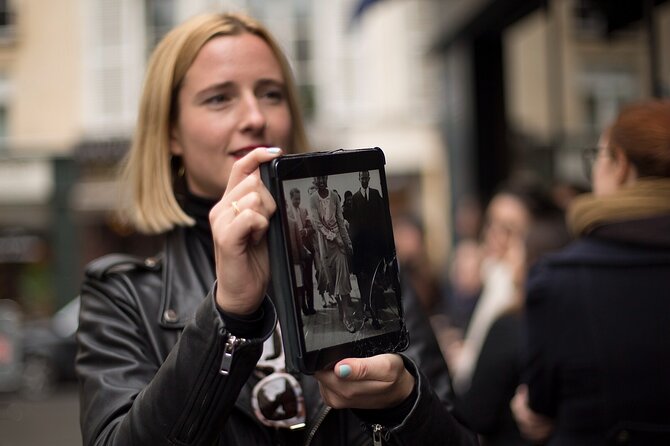
This tour is built for people who want more than a checklist of monuments. Instead, you trace how women shaped Parisian history through the city’s geography—gardens, institutions, and religious landmarks. It moves at a human pace for about 2 hours, which is long enough to get context, but short enough to stay flexible.
You’ll walk between major points in central Paris, and you should plan for cobblestones and lots of standing around viewpoints. Comfortable shoes matter here; you’ll be on your feet the whole time. Also, it runs in all weather, so bring a rain layer if forecasts look iffy.
The group stays small (maximum 20), which helps with questions and makes it easier to hear your guide over ambient street noise. Your guide’s style is a big part of the value. People often highlight how guides like Wassily, Pam, Pat, and Emily bring a mix of facts and personality—plus they answer questions without acting like you’re interrupting the show.
Worth weighing up next to this Paris pick
- Paris Top Sights Half Day Walking Tour with a Fun Guide
★ 5.0 · 2,893 reviews - Montmartre Hidden Gems and Scenic Highlights Walking Tour
★ 5.0 · 2,684 reviews - Montmartre Hill French Gourmet Food and Wine Tasting Walking Tour
★ 5.0 · 2,588 reviews - Paris: Montmartre Highlights Walking Tour with a Local Guide
★ 4.9 · 2,318 reviews
Meeting and Finishing Where the Stories Cluster
You start at Treize au Jardin, 5 Rue de Médicis (75006). That’s a smart starting spot because it places you right near the Jardin du Luxembourg area, where your first “chapter” begins.
You end at Place Sainte Geneviève, just in front of Église Saint-Étienne-du-Mont, behind the Pantheon. This finishing location is handy because you can easily roll into more Latin Quarter wandering right after—cafés, bookstores, and the feeling that you’re still inside the old-city story.
The tour uses a mobile ticket, so you won’t need to hunt for paper vouchers on a busy metro day. It also helps that it’s near public transportation, so you can plan an efficient arrival even if you’re staying elsewhere in Paris.
Luxembourg Gardens: Where a Commissioned Vision Takes Shape
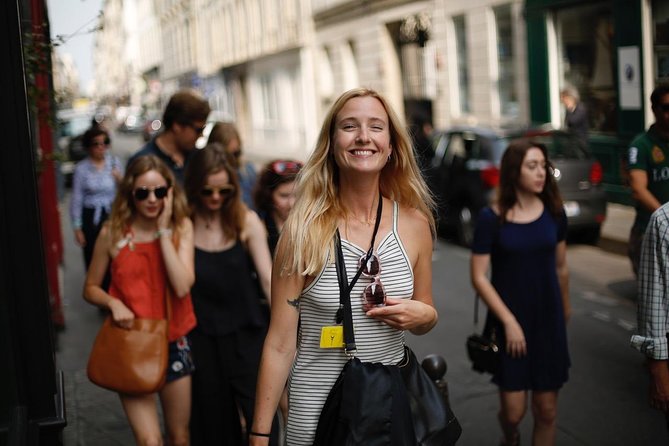
Stop 1 is Luxembourg Gardens, and it sets the tone fast. You don’t just stroll the paths. You’re learning about the woman who commissioned the gardens and about other notable women remembered there, including French queens and celebrated figures whose names you’ll start connecting to Parisian power.
Why this matters: gardens in Paris are never only pretty. They’re statements—who gets influence, who gets space, what kind of legacy gets preserved. Standing amid the symmetry and statues, the stories land better because the setting reinforces the theme: women shaping public life and memory.
The time here is about 40 minutes, which is enough for a guided overview plus time to look around on your own. Admission is listed as free for this stop, so you’re not forced into a ticket line or extra costs before you even settle in.
A practical tip: Luxembourg Gardens can be a pause button for the whole trip. If you want photos, this is a good place to slow down, find a few good angles, and let the guide’s stories sink in before you head into the streets.
Quartier Latin: The Historic Core and the Woman Who Protected It
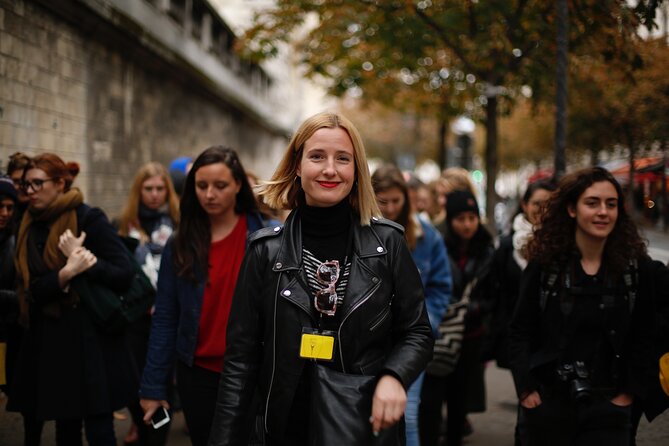
Stop 2 is the Quartier Latin, often described as the cradle of Paris. Here, you shift from gardens to city life—street-level history, where the past feels woven into the lanes rather than sealed behind glass.
You’ll learn about early Paris and how a woman came to save the city from a threat of attack. That theme is the backbone of this stop: not just power from offices and institutions, but power from urgency—leadership, courage, and action when things go wrong.
This stop is about 30 minutes, which means the guide has to keep momentum. That’s good for you if you’re the type who gets bored with long transfers and slow pacing. It can feel dense if you like extremely detailed timelines, so come with curiosity and let the walking pace do the work.
Admission is listed as free for this part, which makes the money you pay for the guide feel even more efficient. You’re paying for interpretation, not a pile of entry fees.
Curie Institute Area: Marie Curie’s 1920 Legacy in a Short Stroll
Stop 3 is Musee Curie, and even with a short visit (about 10 minutes), it adds a strong “science and modern influence” thread. You’ll stroll past the Curie Institute, a center of scientific study and research opened by Marie Curie in 1920, and you’ll also see that today it includes a museum devoted to her life and contributions.
The biggest value here is how the tour connects women’s impact across fields. Paris isn’t only about salons and statecraft. It’s also about labs, breakthroughs, and institutional support for research.
Admission isn’t included for this stop, so plan a little extra if you decide you want to go inside more deeply. Even without additional tickets, the exterior context helps you understand why Marie Curie’s name shows up around the city in more places than you might expect.
One practical note: because this stop is brief, it’s a good moment to ask your guide a question you’ve been holding back. When you’re moving through modern history, clarifying a name or a timeline early can make the next sights feel sharper.
Notre-Dame Area Viewpoint: Sainte Geneviève Hill and Big Paris Moments
Stop 4 brings you to Cathedrale Notre-Dame de Paris, using the viewpoint from Montagne de Sainte Geneviève in the Latin Quarter. From here, you can look down toward landmark views like the Eiffel Tower and Notre-Dame itself.
This part is about 5 minutes. It’s short on purpose, like a quick breather and photo reset. The value is that you’re not just staring at a postcard. Your guide helps connect what you’re seeing to the area’s identity as the Latin Quarter’s old-city height advantage.
Admission is free. So even if you’re saving money for later museum plans, this segment still delivers a payoff without extra cost.
If you’re sensitive to crowds, aim to arrive here a bit ready to stand quietly for a moment. City viewpoints can get busy, and your best photos often come when you wait for a gap in foot traffic.
Worth weighing up next to this Paris pick




Pantheon: The First Woman Buried There and Why That Matters
Stop 5 is Pantheon, where you’ll gaze at the landmark and learn the story of the first woman to be buried inside. This is one of those “history inside architecture” moments: you’re looking at a building that symbolically honors who gets placed in national memory.
The time is about 10 minutes, and admission is not included. That means you’re getting the guided context rather than a full walkthrough of the interior.
Still, this stop can be powerful because it closes the circle of the tour’s main idea: women’s legacies aren’t always treated as equal to men’s in public memory, but they’re often more influential than the official record suggests. When your guide frames who gets remembered—and who didn’t—it changes how you read the building as you stand outside.
If you’re the type who wants to see more, you’ll likely want to keep exploring after the tour ends. The finishing point is right behind the Pantheon area, so it’s easy to decide on the spot whether you want to spend more time inside or just continue wandering.
The “Guide Factor”: Why the Best Moments Feel Personal
A guided walking tour lives or dies on the guide’s delivery. This one tends to score highly because the narration isn’t dry. Guides like Wassily and Pat (along with others such as Pam and Emily, based on reported experiences) are praised for making the stories engaging and for sticking with the group when conditions get tricky—rain included.
One story quality I’d take seriously: flexibility when the weather turns. Since the tour runs in all weather, you’ll want a guide who keeps the tour on track without making everyone miserable. You also want patience, especially if you’re traveling with kids or someone with limited mobility. People mention that guides were considerate and accommodating.
This tour also seems to work well for families. Teenage girls have enjoyed the mix of politics, culture, and strong personalities, and that’s a good sign the content isn’t simplified to baby-level facts. For many groups, it’s an efficient way to get “real” history without turning it into a school lecture.
Value and Pricing: What You’re Really Paying For
At $54.42 per person for about 2 hours, you’re paying for a local guide and the structure to connect multiple sites into a single narrative. You’re also getting a course-correcting benefit: instead of walking around and hoping you understand what you’re seeing, your guide tells you what to look for.
You’ll hit at least two free segments (Luxembourg Gardens and the Quartier Latin portion), and the rest includes short stops where tickets may or may not be needed. The places that require extra admission (like Musee Curie and the Pantheon interior) aren’t included, so you control your spend.
In plain terms: if you’re the kind of traveler who likes paying for help to get better at seeing, this price is reasonable. If you’d rather wander solo with a guidebook and use only free sights, you might feel the cost more strongly. But with the guide-driven storytelling, you’re not just buying access—you’re buying meaning.
Who This Tour Fits Best
This tour is especially good for you if:
- You want women-centered history that connects directly to major Paris landmarks.
- You enjoy learning through walking, viewpoints, and street-level scenes.
- You want a plan that’s not too long and still feels like a “real” tour.
It’s also a strong option if you’re traveling with a teen and you want to avoid the typical history routine. The stories are framed with enough drama and decision-making to keep attention.
If your number-one goal is museum time inside buildings, you might feel the tour’s short stop lengths. In that case, treat it as the narrative warm-up and then pick one museum or attraction to go deeper into afterward.
Should You Book This Great Women in Parisian History Walking Tour?
Yes—if you want a guided, English-language walk that helps you see Paris with new eyes. This is the kind of tour that makes monuments feel like outcomes of choices, arguments, and ambition, not just stone and dates. The small group size, the strong guide storytelling (often credited to guides like Wassily, Pam, Pat, and Emily), and the smart pairing of gardens, historic streets, and major landmarks make it feel like solid value for the time.
I’d say book with a little “plan B” mindset if you’re chasing a very specific era depth, like heavy 20th-century focus. The stops are short, so you may want to add a targeted museum visit to cover that angle more thoroughly.
If you’re flexible, comfortable walking, and curious about how women shaped Parisian life and legacy, this tour is a genuinely practical way to do it.
FAQ
How long is the guided walking tour?
The tour lasts about 2 hours.
Is the tour offered in English?
Yes. The experience is offered in English.
Does the tour include admission tickets?
Luxembourg Gardens and the Quartier Latin stops are listed as free. Musee Curie and the Pantheon stops are not included and may require separate admission if you want to go inside.
Where do I meet and where does the tour end?
You meet at Treize au Jardin, 5 Rue de Médicis, 75006 Paris. You end at Place Sainte Geneviève in front of Église Saint-Étienne-du-Mont, just behind the Panthéon (75005).
Does it run in bad weather?
Yes, it operates in all weather conditions. You should dress appropriately.
How big is the group?
The tour has a maximum group size of 20 travelers.
Is it suitable for children or service animals?
Children must be accompanied by an adult. Service animals are allowed.
If you tell me your travel dates and whether you prefer a morning or afternoon start, I can help you line this up with nearby sights so your walking day feels smooth rather than frantic.
More Walking Tours in Paris
- Paris Top Sights Half Day Walking Tour with a Fun Guide
★ 5.0 · 2,893 reviews - Montmartre Hidden Gems and Scenic Highlights Walking Tour
★ 5.0 · 2,684 reviews - Montmartre Hill French Gourmet Food and Wine Tasting Walking Tour
★ 5.0 · 2,588 reviews - Paris: Montmartre Highlights Walking Tour with a Local Guide
★ 4.9 · 2,318 reviews - Paris Île de la Cité and Notre-Dame Walking Tour With Crypt
★ 5.0 · 2,272 reviews
More Tours in Paris
- Paris: Louvre Guided Tour with Reserved Access & Boat Cruise
★ 4.3 · 16,353 reviews - Paris: Big Bus Hop-On Hop-Off Tour with Optional Cruise
★ 4.4 · 13,279 reviews - Louvre Museum Masterpieces Guided Tour with Access
★ 4.5 · 12,023 reviews - Versailles: Skip-the-Line Tour of Palace and Gardens Access
★ 4.7 · 10,429 reviews - Paris: Louvre Overview, Exploration tour and Reserved Entry
★ 4.1 · 10,145 reviews
More Tour Reviews in Paris
- Paris: 1-Hour Seine Cruise departing from the Eiffel Tower
★ 4.4 · 77,472 reviews - Paris: Louvre Museum Timed-Entrance Ticket
★ 4.6 · 71,977 reviews - Disneyland® Paris 1-Day Ticket
★ 4.6 · 49,412 reviews - Paris: Versailles Palace and Gardens Full Access Ticket
★ 4.6 · 41,579 reviews - Paris: Arc de Triomphe Rooftop Tickets
★ 4.6 · 34,264 reviews
Fresh off the review desk in Paris
- Secrets of Paris Bike Tour in English or Dutch★ 5.0 · 5 reviews
- Paris: Mont Saint-Michel Day Tour with Chinese Tour Guide★ 5.0 · 5 reviews
- Private Street Art 2-Hour Guided Tour in Paris★ 4.5 · 5 reviews
- Orsay Museum Tour: 2h Highlights (Private & Small Group)★ 5.0 · 5 reviews
- Discover Paris in electric golf carts★ 4.0 · 5 reviews
- Paris Private Boat Tour with your own Captain Guide★ 5.0 · 5 reviews
Walking Tours, compared.
 ★ 5.0Paris Top Sights Half Day Walking Tour with a Fun GuideFrom $762,893 reviews
 ★ 5.0Montmartre Hidden Gems and Scenic Highlights Walking TourFrom $382,684 reviews
 ★ 5.0Montmartre Hill French Gourmet Food and Wine Tasting Walking TourFrom $1452,588 reviews
 ★ 4.9Montmartre Highlights Walking Tour with a Local GuideFrom $232,318 reviews
 ★ 5.0Paris Île de la Cité and Notre-Dame Walking Tour With CryptFrom $482,272 reviews
 ★ 4.8Montmartre Cheese, Wine & Pastry Guided Walking TourFrom $1272,255 reviews
 ★ 5.0Paris in a Day: Louvre or Orsay, Eiffel Tower, City Walk & CruiseFrom $1571,956 reviews
 ★ 5.0Paris City Center Free Walking Tour (Tip-Based)From $31,340 reviews
Browse the lists this tour appears in