
Reviewed · WALKING TOURS
Unknown Paris: Walking Tour with an Expert Guide
One walk, ten eras of Paris. I like how the route turns famous spots into moving stories, and I love the way the guide links Modern Paris to older shocks like the Sexual Revolution and the French Revolution’s legacy. You’ll get a PDF with 15 lesser-known places after you book, which keeps the tour useful. The only catch is that you cover a lot on foot, so pack comfortable shoes and dress for the weather.
Expect about 150 minutes of guided walking and conversation, with a lunch pause and photo stops along the way. You can start from Le Petit Panthéon or Arènes de Lutèce, and the tour runs in English and Russian with a professional local guide.
In This Review
- Key things to know before you go
- Why This Tour Works: A Walking Story From Roman Paris to Belle Époque
- Where You Start Matters: Le Petit Panthéon vs. Arènes de Lutèce
- Roman Roots and Student Paris: Arènes de Lutèce, the Panthéon, Luxembourg, Sorbonne
- Notre-Dame and Pont Neuf: Medieval Secrets and the Turn Toward Power
- Louvre, Concorde, and Champs-Élysées: Where Kings, Revolutions, and Art Collide
- Lunch Break and a Reset: How the Tour Keeps It Human
- Pont Alexandre III: Belle Époque Views and the Photo Stop Finale
- Guides Vlad and Slav: The Style That Keeps 3 Hours From Feeling Long
- Price and Value: Is $76 Worth 150 Minutes of Paris on Foot?
- Who Should Book This Tour, and Who Might Skip It
- Should You Book Unknown Paris?
- FAQ
- How long is the walking tour?
- Where does the tour start?
- What languages are offered?
- What major places does the tour include?
- Is lunch included in the price?
- Is the tour wheelchair accessible?
- Can I get a full refund if I cancel?
Key things to know before you go
- 10-story Paris storytelling: You’re not just ticking off monuments; you’re following how Paris changed over time.
- Major sights, plus curious side themes: From Napoleon’s Paris to medieval mysteries and catacomb origins.
- Belle Époque focus for photo moments: The Eiffel Tower era and Impressionism come up as you move through the center.
- Lunch break that feels social: Food isn’t included, but you get time to sit, talk, and reset.
- Small-group and flexible feel: Private or small groups mean more time for questions, and some walks can be adjusted.
Why This Tour Works: A Walking Story From Roman Paris to Belle Époque
This tour has a simple goal: help you understand why Paris feels like it’s always rewriting itself. You’ll move through central neighborhoods on foot, but the real structure is the storyline. The guide strings together big turning points—politics, revolutions, art movements, and even the city’s darker secrets—so each stop connects to the next.
I especially like the way it mixes the familiar with the surprising. You get the headliners (Notre-Dame area, major bridges, the Louvre area, Champs-Élysées), but you also get chapters that feel more unexpected, like how the Sexual Revolution in Paris relates to the French Revolution, or what made Napoleon’s life in Paris so memorable.
That matters because it changes how you see the streets. When you’re watching a façade or a bridge, you stop treating it like decoration and start treating it like evidence—evidence of who had power, what people feared, and what they wanted to show off.
One possible drawback: because the tour is built around walking and timing, you’ll need to keep up. If you prefer slow museum roaming or lots of free time at each stop, this format may feel a bit tight. But if you want momentum and clarity in a short visit, it’s a smart fit.
Worth weighing up next to this Paris pick
- Paris Top Sights Half Day Walking Tour with a Fun Guide
★ 5.0 · 2,893 reviews - Montmartre Hidden Gems and Scenic Highlights Walking Tour
★ 5.0 · 2,684 reviews - Montmartre Hill French Gourmet Food and Wine Tasting Walking Tour
★ 5.0 · 2,588 reviews - Paris: Montmartre Highlights Walking Tour with a Local Guide
★ 4.9 · 2,318 reviews
Where You Start Matters: Le Petit Panthéon vs. Arènes de Lutèce
Your meeting point can vary based on what you book, with two starting options: Le Petit Panthéon or Arènes de Lutèce. Either choice shapes your opening vibe.
Starting near Arènes de Lutèce is a great way to kick off with the Roman layer of Paris. You begin with a site that instantly signals depth: this city didn’t start with the Eiffel Tower or the Louvre; it started long before. Then the walk naturally climbs toward later Paris—education, grand boulevards, and the monumental core.
Starting near Le Petit Panthéon sets you up for a more “Paris-the-city-of-ideas” feeling right away. The tour still covers the long timeline, but you may feel the intellectual pulse sooner, especially once you’re close to the Luxembourg Gardens and the Sorbonne area.
Practical tip: arrive a few minutes early, especially if you’re navigating a meeting point that can shift. Bring water, and wear shoes that don’t hate cobblestones.
Roman Roots and Student Paris: Arènes de Lutèce, the Panthéon, Luxembourg, Sorbonne
The route begins with a series of stops that make Paris feel layered instead of linear. The first big anchor is Arènes de Lutèce, where you can connect the idea of ancient Paris to what you’ll see later. Then the tour moves toward Panthéon, which helps you frame Paris as a city that remembers its own stories through monuments.
After that, you head into the calm rhythm of Luxembourg Gardens. This is a good break in tone, and it also gives you an easier visual pause to absorb what the guide has been explaining. The tour then swings toward Sorbonne University, where you get the sense that Paris has long been a magnet for ideas and debate.
What’s valuable here is not just the sites themselves; it’s how the guide uses them as stepping stones. You’re hearing “why Modern Paris came to be,” while still standing in a place that predates the modern era. That contrast is what makes the information stick.
Also, don’t expect the tour to be quiet. It’s designed for conversation. If you like asking questions, this stretch is often when your guide can tailor the walk. One review specifically praised a guide for making the experience work even when the group was just one person, which tells you the format can flex.
Notre-Dame and Pont Neuf: Medieval Secrets and the Turn Toward Power
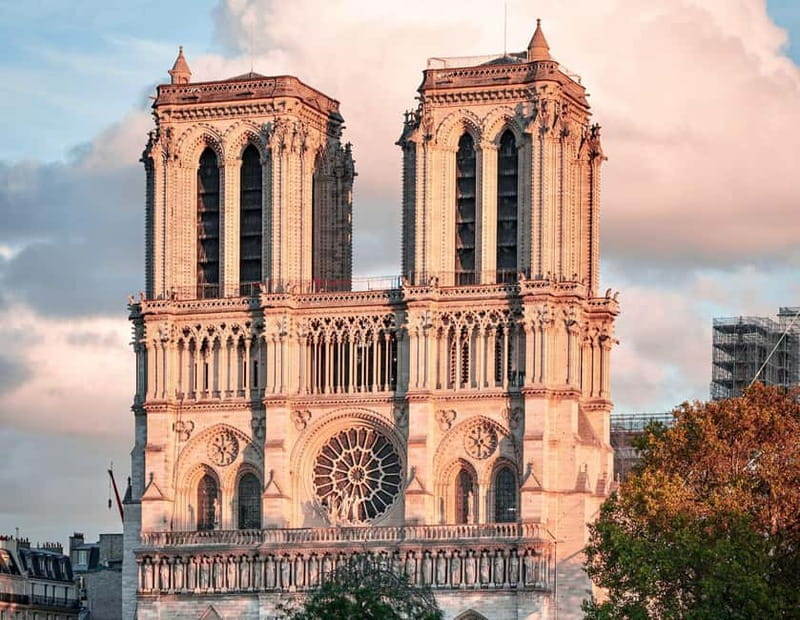
As the tour moves into the Notre-Dame Cathedral area, the tone shifts toward medieval Paris. The guide’s themes include the main mysteries of the Medieval era, and this stop is the natural place to bring that to life visually. Even if you’ve seen photos of Notre-Dame, standing in the neighborhood is different from seeing it online.
Then comes Pont Neuf, one of those classic Paris bridges where the “small details” really matter. Bridges are where Paris tells you how it wants people to move. They’re also where you can sense planning across eras: the city reshaped itself while keeping familiar routes in use.
This part of the tour is also where you start feeling the political arc. The tour covers things like why kings hated Paris, and it helps to have a guide pointing out what changed when rulers decided they wanted the city to behave differently.
Practical consideration: this is central walking. If you’re visiting in hot or rainy weather, you’ll want that weather-appropriate clothing and a steady pace. There’s no transportation break until the lunch pause.
Louvre, Concorde, and Champs-Élysées: Where Kings, Revolutions, and Art Collide
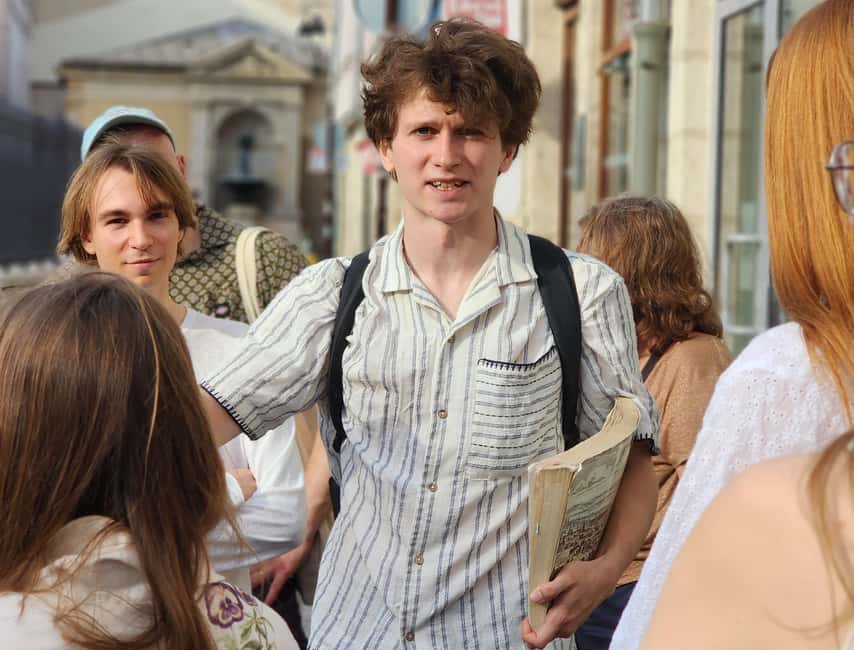
Next, the tour turns toward the monumental center: Louvre Museum, Place de la Concorde, and Champs-Élysées, plus time near Grand Palais. These stops are the core “Paris postcard” section, but the tour treats them as chapters with causes and consequences.
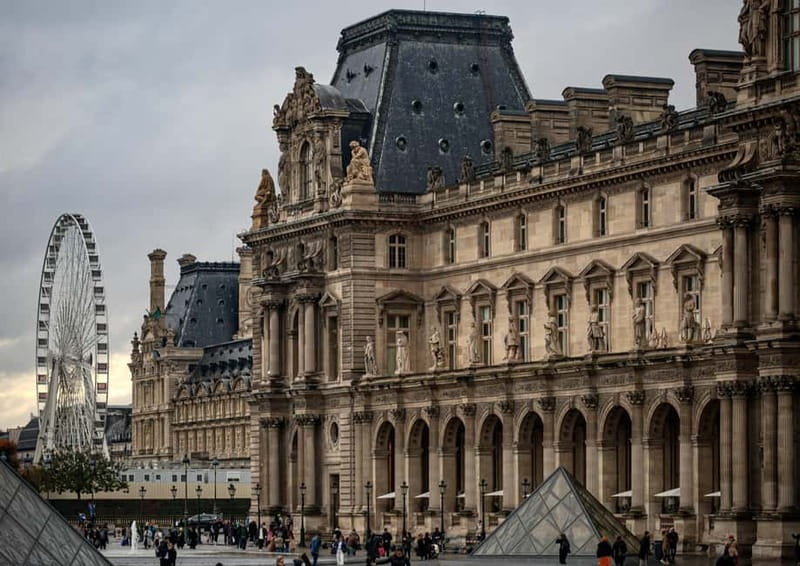
At the Louvre Museum, the guide ties in stories about the history of the Louvre and nearby Palais Royal. That helps you understand why this area became such a powerful stage. It wasn’t just about beauty; it was about who controlled culture and how the city represented authority.
Then you roll into Place de la Concorde. Places like this are where Paris feels like a machine. Big space, big views, and a sense that the city was built for public moments—processions, events, and the kinds of gatherings that history remembers.
Finally, Champs-Élysées and Grand Palais bring you to the “modern show” side of Paris. This is where the Belle Époque chapter matters. You’ll hear about the Eiffel Tower’s story and the era of Impressionism as part of what made this period feel new, stylish, and confident.
A balanced note: if you’re the type who wants lots of time to wander solo, this isn’t that tour. It’s structured. The payoff is that the guide keeps your eyes open and your understanding moving, so you leave with a mental map, not just a set of photos.
Lunch Break and a Reset: How the Tour Keeps It Human
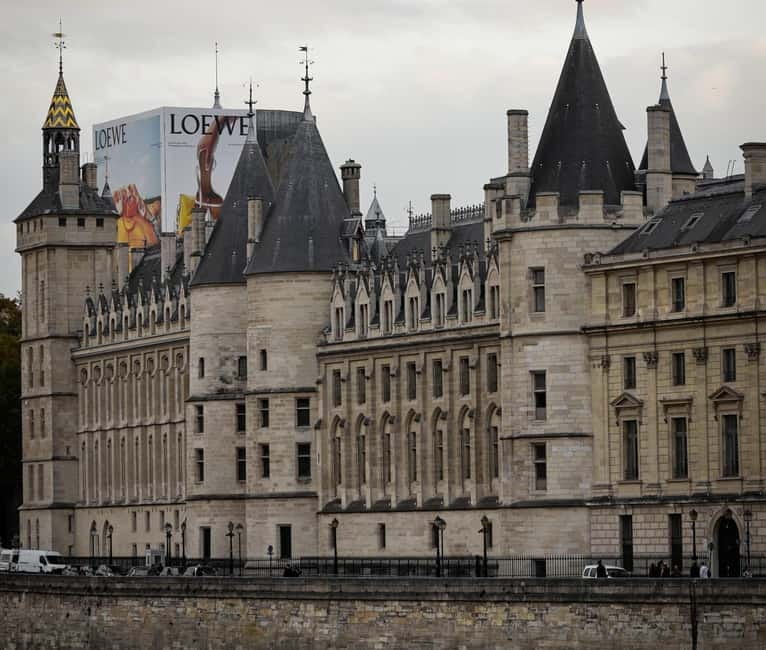
The tour includes a break for lunch and friendly conversation. Food and drinks aren’t included, but the guide will suggest the best place depending on what you want.
This pause is more than a timing tactic. It’s where you can ask follow-up questions without feeling like you’re interrupting. It’s also a chance to catch your breath after a stretch of major sights.
If you want to get value from the lunch break, use it like this: tell the guide what you care about most—art, revolutions, or the odd stories like catacomb origins and medieval mysteries. A few minutes of focus here can change what you notice in the final stretch.
Worth weighing up next to this Paris pick




Pont Alexandre III: Belle Époque Views and the Photo Stop Finale
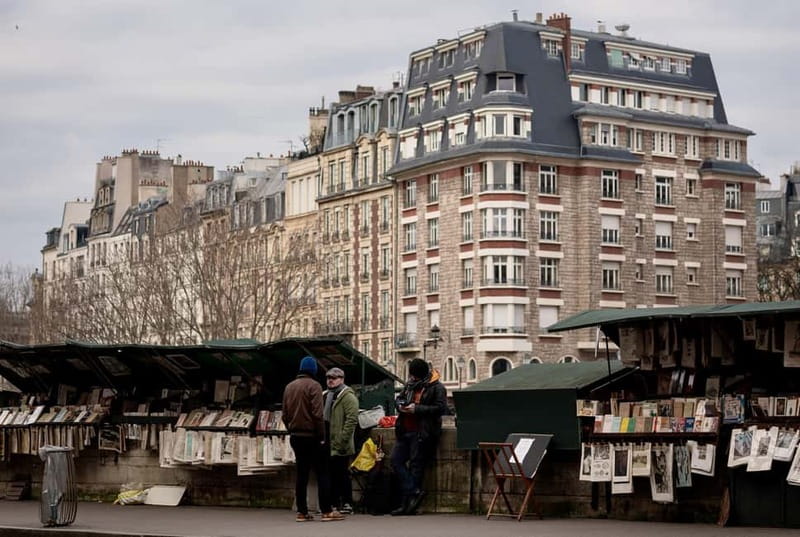
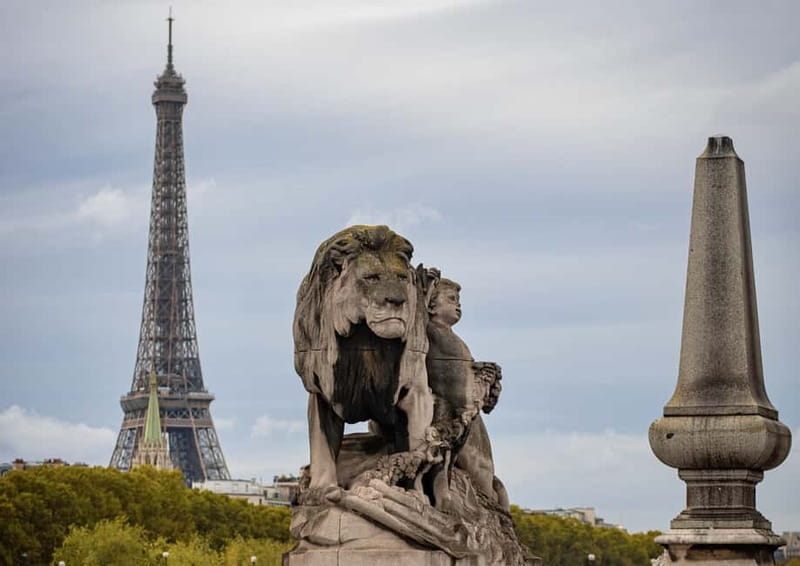
The last standout moment is Pont Alexandre III, with a photo stop and the tour finishing at the bridge (listed as Мост Александра III). This is where the scenery and the story meet.
The guide’s themes include the Alexander III Bridge and the wider Belle Époque era, including the Eiffel Tower’s historical backdrop. Even without spending the whole time on one monument, you’re getting the context that makes the bridge feel like more than decoration.
This ending works well for first-timers. By the time you reach Pont Alexandre III, you’ve already walked through the city’s big layers—ancient, medieval, revolutionary, and modern. So the bridge lands as a symbol of how Paris looked when it wanted to impress the world.
One practical tip: bring a camera or phone with enough battery. You’ll want to step into the photo area at the right moment, and it’s easier if you’re not hunting for cables or charging mid-walk.
Guides Vlad and Slav: The Style That Keeps 3 Hours From Feeling Long
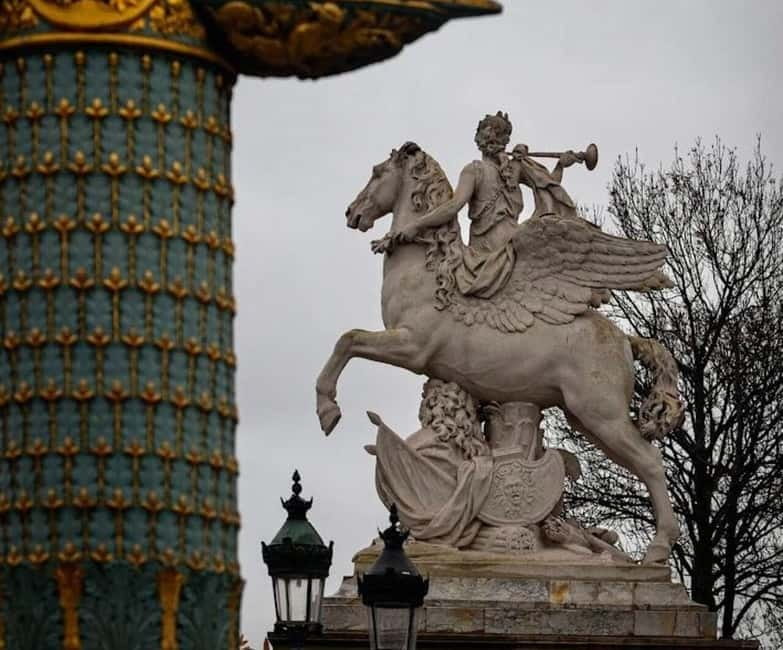
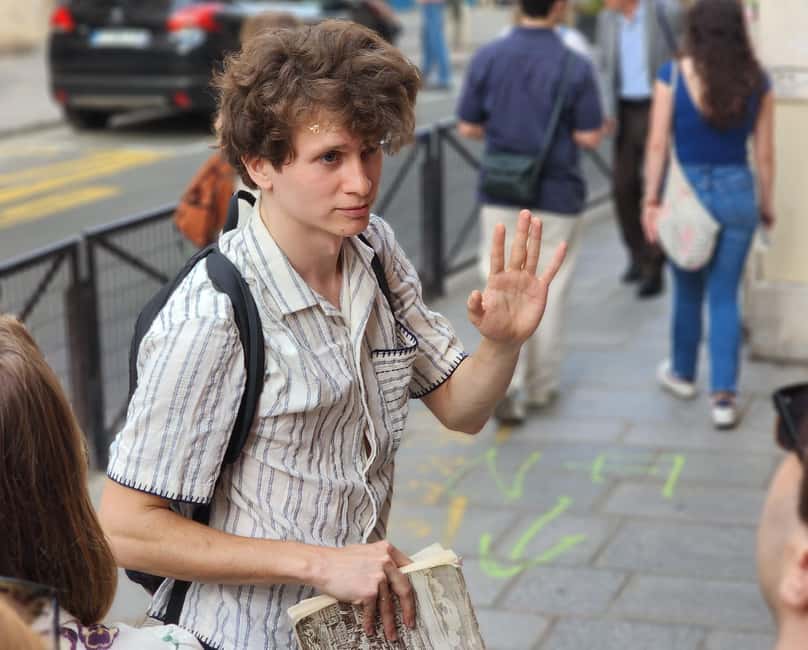
The experience is led by Vlad Paris Guide, and the tour has also featured a guide named Slav on at least some dates. What stands out from the feedback is the personal teaching style.
People describe the guide as friendly and easy to talk to, with answers that connect history to the details you’re seeing in front of you. One person noted that the guide kept the tour interesting with amusing anecdotes and helped them understand context from Roman times to the present.
Another recurring praise: small visual details. Examples mentioned include things like lights history and a belly on the building detail. That’s exactly the kind of storytelling that turns a city walk into something you can actually remember later.
If you worry that walking tours can turn into lectures, this tour seems built to avoid that. A guide who stays responsive and asks where your interests are can keep the pace feeling natural, not forced.
Price and Value: Is $76 Worth 150 Minutes of Paris on Foot?
At $76 per person for about 150 minutes, this tour sits in a reasonable middle zone for a Paris walking experience. The value comes from three things you can’t easily DIY in the same way: a guided narrative across time periods, access to major landmarks in sequence, and an included follow-up PDF with 15 lesser-known places.
Transportation isn’t included, but you shouldn’t need it for most of this route. You’re paying for the guide’s time and the structure that connects stops, not for getting from one spot to another by bus.
The lunch break also adds value. Even though food isn’t included, having a scheduled moment to stop helps you stay comfortable and engaged instead of pushing through tired and distracted.
Who gets the best value?
- First-timers who want order fast
- People who like stories tied to what they’re standing near
- Travelers who want a guide to translate Paris into cause-and-effect
Who may feel it’s not the best deal?
- You already know a lot of Paris history and want more quiet time
- You strongly dislike walking and want frequent breaks
Who Should Book This Tour, and Who Might Skip It
This tour is a strong match if you’re arriving with only a day or a few hours to make sense of central Paris. It’s also ideal if you like your history as a set of connections, not a pile of dates.
It’s especially good for you if you care about:
- Political change, including revolutions and how they shaped culture
- The evolution of Paris from Roman layers to modern landmarks
- Art-related eras like Belle Époque and Impressionism
It’s also good for different group setups. The tour notes private or small groups, which usually means you can ask more questions and keep a calmer pace. The tour is wheelchair accessible, which is a big practical plus if you need that option.
Skip it (or look for a different format) if you want long free time at museums, very slow walking, or minimal talking. This is a guided walk with built-in momentum.
Should You Book Unknown Paris?
If you want a clear, story-led route from the Notre-Dame area through the Louvre and the Champs-Élysées ending at Pont Alexandre III, I’d say yes. For the money, you’re buying something more useful than photos: you’re buying a mental map and a set of themes that make Paris click.
Book it now if:
- You’re short on time and want order
- You like history that connects events to streets and buildings
- You’ll use the included PDF afterward to keep exploring at your pace
Consider something else if:
- You prefer slower museum wandering
- Your plans don’t allow for steady walking
- You want food included (here, lunch is a break, but not part of the price)
FAQ
How long is the walking tour?
The tour is listed as 150 minutes. It’s also described as lasting about 3 hours with a lunch break.
Where does the tour start?
You’ll choose between two starting options: Le Petit Panthéon or Arènes de Lutèce. The meeting point can vary depending on the option booked.
What languages are offered?
The live guide is available in English and Russian.
What major places does the tour include?
The route includes Notre-Dame Cathedral, Louvre Museum, Place de la Concorde, Champs-Élysées, Grand Palais, and a photo stop and finish at Pont Alexandre III, plus stops earlier in the walk such as Arènes de Lutèce, Panthéon, Luxembourg Gardens, and Sorbonne University.
Is lunch included in the price?
No. The tour includes a break for lunch and friendly conversation, but food and drinks are not included. The guide will advise where to eat based on your wishes.
Is the tour wheelchair accessible?
Yes, the tour is wheelchair accessible.
Can I get a full refund if I cancel?
Yes. Free cancellation is available up to 24 hours in advance for a full refund.
More Walking Tours in Paris
- Paris Top Sights Half Day Walking Tour with a Fun Guide
★ 5.0 · 2,893 reviews - Montmartre Hidden Gems and Scenic Highlights Walking Tour
★ 5.0 · 2,684 reviews - Montmartre Hill French Gourmet Food and Wine Tasting Walking Tour
★ 5.0 · 2,588 reviews - Paris: Montmartre Highlights Walking Tour with a Local Guide
★ 4.9 · 2,318 reviews - Paris Île de la Cité and Notre-Dame Walking Tour With Crypt
★ 5.0 · 2,272 reviews
More Tours in Paris
- Paris: Louvre Guided Tour with Reserved Access & Boat Cruise
★ 4.3 · 16,353 reviews - Paris: Big Bus Hop-On Hop-Off Tour with Optional Cruise
★ 4.4 · 13,279 reviews - Louvre Museum Masterpieces Guided Tour with Access
★ 4.5 · 12,023 reviews - Versailles: Skip-the-Line Tour of Palace and Gardens Access
★ 4.7 · 10,429 reviews - Paris: Louvre Overview, Exploration tour and Reserved Entry
★ 4.1 · 10,145 reviews
More Tour Reviews in Paris
- Paris: 1-Hour Seine Cruise departing from the Eiffel Tower
★ 4.4 · 77,472 reviews - Paris: Louvre Museum Timed-Entrance Ticket
★ 4.6 · 71,977 reviews - Disneyland® Paris 1-Day Ticket
★ 4.6 · 49,412 reviews - Paris: Versailles Palace and Gardens Full Access Ticket
★ 4.6 · 41,579 reviews - Paris: Arc de Triomphe Rooftop Tickets
★ 4.6 · 34,264 reviews
Fresh off the review desk in Paris
- Secrets of Paris Bike Tour in English or Dutch★ 5.0 · 5 reviews
- Paris: Mont Saint-Michel Day Tour with Chinese Tour Guide★ 5.0 · 5 reviews
- Private Street Art 2-Hour Guided Tour in Paris★ 4.5 · 5 reviews
- Orsay Museum Tour: 2h Highlights (Private & Small Group)★ 5.0 · 5 reviews
- Discover Paris in electric golf carts★ 4.0 · 5 reviews
- Paris Private Boat Tour with your own Captain Guide★ 5.0 · 5 reviews
Walking Tours, compared.
 ★ 5.0Paris Top Sights Half Day Walking Tour with a Fun GuideFrom $762,893 reviews
 ★ 5.0Montmartre Hidden Gems and Scenic Highlights Walking TourFrom $382,684 reviews
 ★ 5.0Montmartre Hill French Gourmet Food and Wine Tasting Walking TourFrom $1452,588 reviews
 ★ 4.9Montmartre Highlights Walking Tour with a Local GuideFrom $232,318 reviews
 ★ 5.0Paris Île de la Cité and Notre-Dame Walking Tour With CryptFrom $482,272 reviews
 ★ 4.8Montmartre Cheese, Wine & Pastry Guided Walking TourFrom $1272,255 reviews
 ★ 5.0Paris in a Day: Louvre or Orsay, Eiffel Tower, City Walk & CruiseFrom $1571,956 reviews
 ★ 5.0Paris City Center Free Walking Tour (Tip-Based)From $31,340 reviews