
Reviewed · MONTMARTRE TOURS
German private Walking Tour through Montmartre & Passages
Paris turns theatrical fast. This private German walk follows that script.
I love that it’s a private tour in German, so the stories around Montmartre and Paris sights feel personal, not rushed. I also like how the route mixes big names—Moulin Rouge and Sacré-Cœur—with quieter lanes and the old arcades that make Paris feel properly cinematic. One thing to keep in mind: it’s a full 4-hour walk, so if you need a long sit-down lunch, you can end up losing tour time.
You’ll get Montmartre from the inside: Place du Tertre, the artist quarter mood, and the sweep toward Paris views from the Grands Boulevards. If you get a guide like Katharina (mentioned for lots of local stories) or Soléne (praised for thoughtful history and building details), you’ll likely leave with more than a few photos—you’ll understand why these streets look the way they do.
In This Review
- Key takeaways
- Montmartre in German: what this tour is really for
- Starting at Place Blanche and Moulin Rouge: a strong opener
- Sacré-Cœur: famous stop, told with city texture
- Place du Tertre: where the artist quarter becomes real
- Wandering Montmartre beyond the crowds: the point of the private format
- Grands Boulevards and the “old Paris” view angle
- Passage Jouffroy: 19th-century Paris in a quiet corridor
- Passage Verdeau: another arcade, another feeling
- Palais Garnier and the Phantom of the Opera connection
- Ending at Opéra Garnier: closing the loop with a grand finish
- Price and value: is $189 per person a fair deal?
- Who should book this Montmartre and passages walk?
- A quick reality check on pacing (and the one big caution)
- Should you book it? My recommendation
- FAQ
- Is this tour private?
- What language is the guide?
- How long is the tour?
- Where does the tour start?
- Where does the tour end?
- What are the main sights on the route?
- What’s included in the price?
- How much does it cost?
- Are children allowed, and is there a fee?
- Can I cancel for a refund?
Key takeaways
- Private German guide: you’ll hear the history and art background in German, with room for questions.
- Montmartre’s art trail: you follow the neighborhoods tied to artists from the late 1800s into the early 1900s.
- 19th-century passages: Passage Jouffroy and Passage Verdeau add a calmer, older Paris feel.
- Views from the Grands Boulevards: the walk doesn’t stop at rooftops and churches.
- Palais Garnier connection: you’ll link what you see to the Phantom of the Opera story.
Montmartre in German: what this tour is really for
If you want Paris in a format that’s easy to follow and hard to forget, this is a smart choice. You’re not just ticking off landmarks—you’re walking a path through Paris neighborhoods that shaped art, performance, and the city’s self-image.
The standout value here is language plus privacy. A guided walk in German can make the difference between nodding along and actually grasping the stories. And because it’s private, you’re less likely to feel swept into a crowd rhythm that doesn’t match your pace or interests.
You also get a route that makes sense: Montmartre first (artists, squares, and famous viewpoints), then down toward the boulevards and the covered passages, and finally finishing at Opéra Garnier. That structure helps you build a mental map fast.
Keep climbing: more of the Montmartre hill
- Montmartre Hidden Gems and Scenic Highlights Walking Tour
★ 5.0 · 2,684 reviews - Montmartre Hill French Gourmet Food and Wine Tasting Walking Tour
★ 5.0 · 2,588 reviews - Paris: Montmartre Highlights Walking Tour with a Local Guide
★ 4.9 · 2,318 reviews - Paris: Montmartre Cheese, Wine & Pastry Guided Walking Tour
★ 4.8 · 2,255 reviews
Starting at Place Blanche and Moulin Rouge: a strong opener
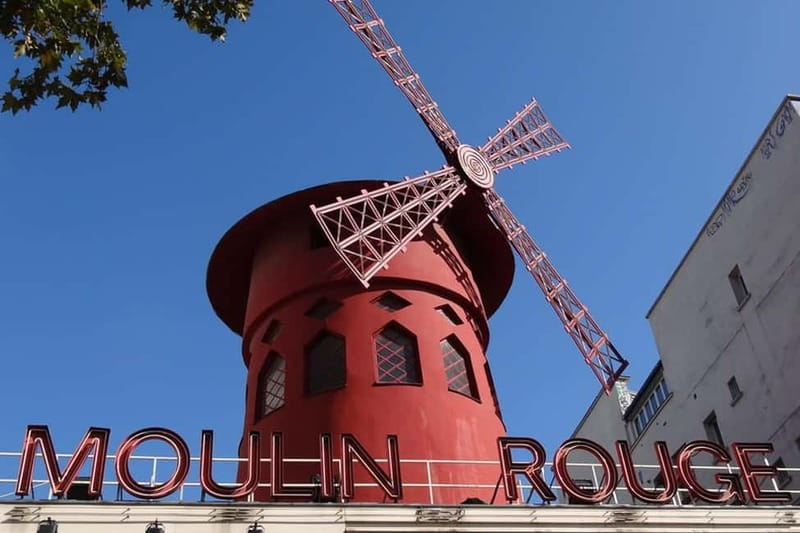
Your tour starts at Metro station Blanche (line 2), right in front of Moulin Rouge, where you’ll look for your guide with a HelpTourists bag. It’s a convenient, central anchor point—easy to find, and it sets the tone immediately.
From the first stop, this is about context. Moulin Rouge isn’t treated like a photo wall. You’re there as the gateway to the Montmartre world—cabaret, spectacle, and the performer energy that helped define the area. Starting here also matters because it keeps the story grounded: you understand why people flocked to this side of Paris, and why artists wanted to be close to it.
Sacré-Cœur: famous stop, told with city texture
Next comes Sacré-Cœur Basilica. It’s a headline sight, sure, but what makes it useful on a guided walk is the way your guide can connect the building to the broader Montmartre story.
This is where a good German-speaking guide really earns their fee. Instead of just saying what’s in front of you, you get the “why it matters” layer—how Montmartre developed its identity and how the neighborhood’s creative scene shaped the way the city looks and feels.
If you’re the type who enjoys architectural details, you’ll probably appreciate that Sacré-Cœur is not just a backdrop. It’s a landmark you can place inside the larger narrative of Paris art and entertainment.
Place du Tertre: where the artist quarter becomes real
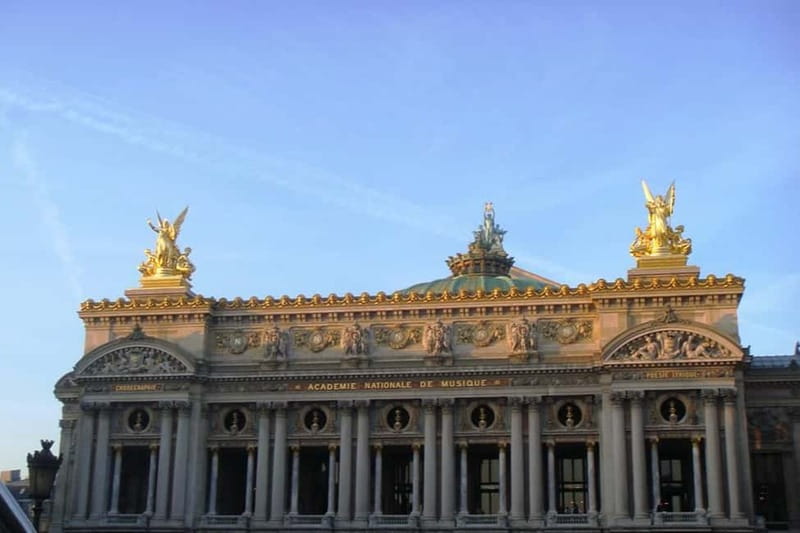
Then you reach Place du Tertre, often the first stop people associate with “Montmartre artists.” On this walk, it’s treated as more than a souvenir square.
You’ll learn insider-style history about the square—how it fits into the artist quarter and why it became tied to painters and the creative economy around the turn of the 20th century. That time period is key. Your guide sets the stage for the late 1800s and early 1900s, when Montmartre attracted artists who were drawn to both the atmosphere and the opportunity.
The practical benefit for you: you’ll look at what you see in a more informed way. The square won’t feel like random street activity. It’ll feel like a continuation of a long artistic tradition.
Wandering Montmartre beyond the crowds: the point of the private format
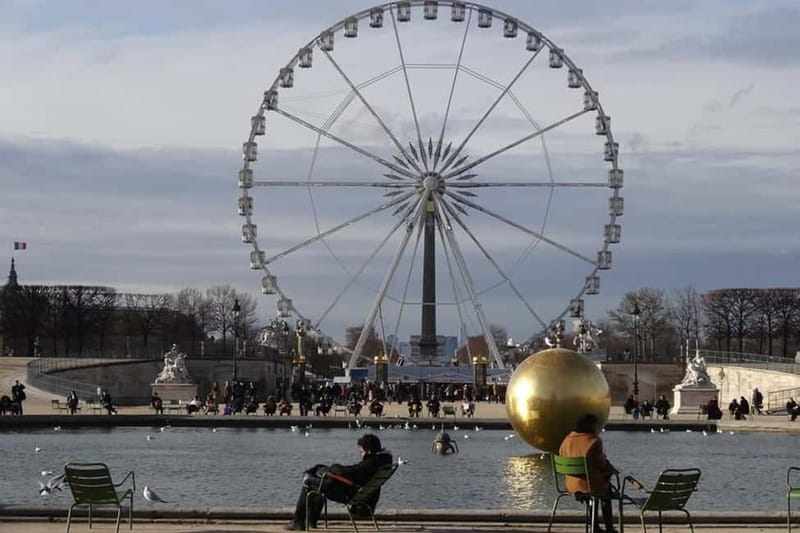
After the obvious sights, you continue through Montmartre with time for less obvious corners—places that offer a more local mood away from the heaviest foot traffic.
This is exactly where private tours tend to pay off. Instead of everyone moving in the same straight line, your guide can steer you through streets where the energy changes—where you can slow down, read the atmosphere, and feel what made this quarter attractive to artists in the first place.
If you’re hoping to capture photos, this is also the best window. You’ll have chances to see Montmartre in quieter light and angles that don’t depend on competing for space.
Grands Boulevards and the “old Paris” view angle
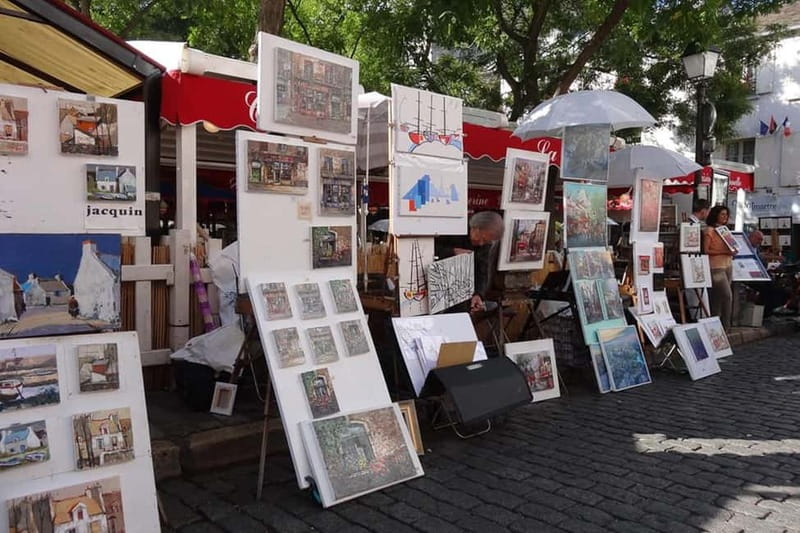
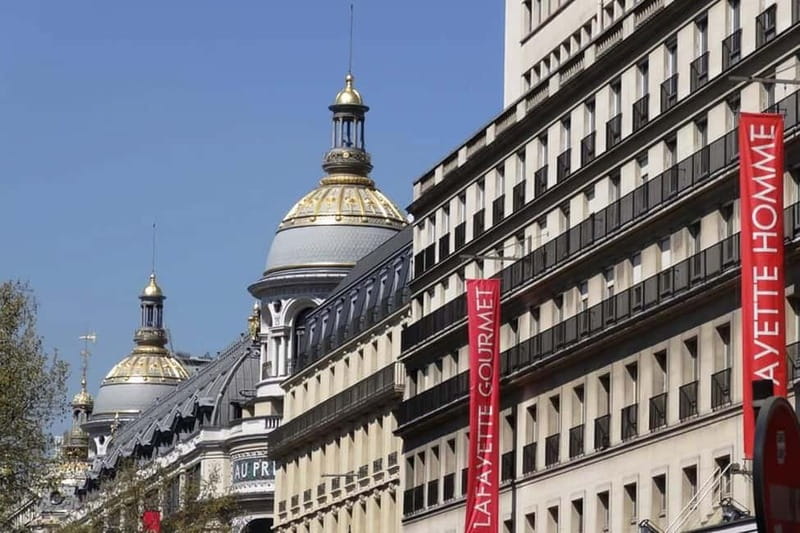
Next up: the Grands Boulevards. The tour frames this stretch as some of the oldest boulevards in the city, and it’s a smart pivot because it changes the geography from hilltop neighborhood mood to wide, city-boulevard rhythm.
You’re also walking for views. The Grands Boulevards give you a different perspective on Paris—less about looking at one famous monument and more about seeing the city’s scale and layout.
For me, that’s the value of including this area mid-tour: it keeps your mental picture from getting stuck only in Montmartre. You start to understand how all these parts connect.
Worth weighing up next to this Paris pick




Passage Jouffroy: 19th-century Paris in a quiet corridor
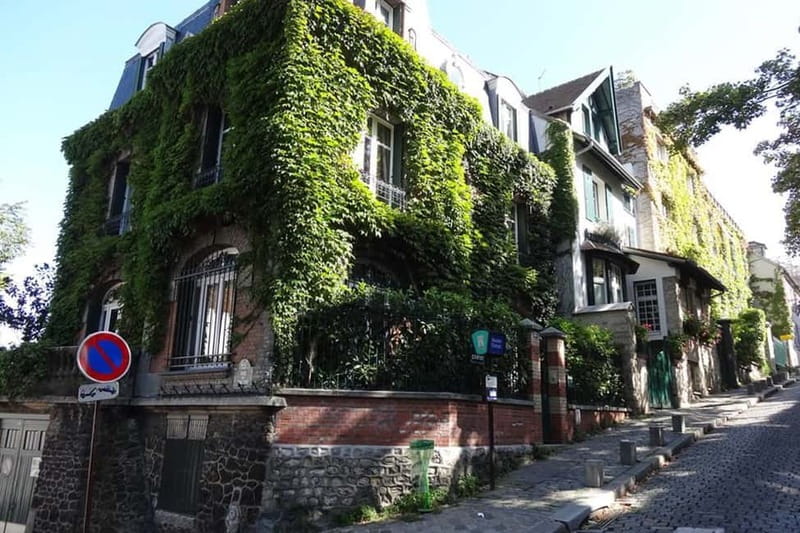
Then you get the old-Paris detour: Passage Jouffroy, part of the 19th-century passages your guide brings you through.
These passages matter because they’re not “big street” Paris. They’re covered, more sheltered, and generally calmer. The effect is that you see how Paris used to handle pedestrian life—shopfronts, walkways, and architectural charm packed into narrow spaces.
Even if you’ve read about passages before, walking through them with a guide typically changes how you notice them. Instead of just admiring the look, you’ll understand what the design suggests about the time period and the way city life worked back then.
Passage Verdeau: another arcade, another feeling
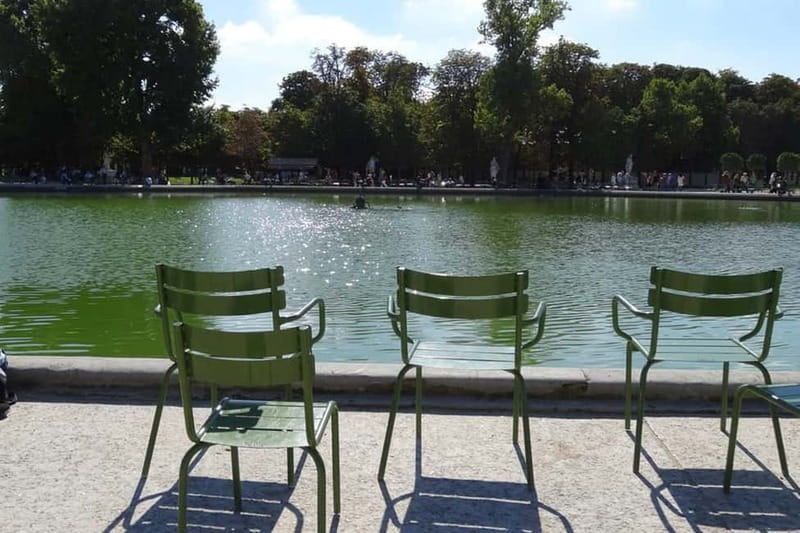
The next covered stop is Passage Verdeau. Doing two passages back-to-back is a smart move because it lets you compare the experience: similar era, different character.
This part of the tour also tends to be a pleasant break from the “major sight” pace. Even though you’re still walking, the setting feels more intimate—good for slowing down and enjoying details that would get missed if you were only rushing from monument to monument.
Palais Garnier and the Phantom of the Opera connection
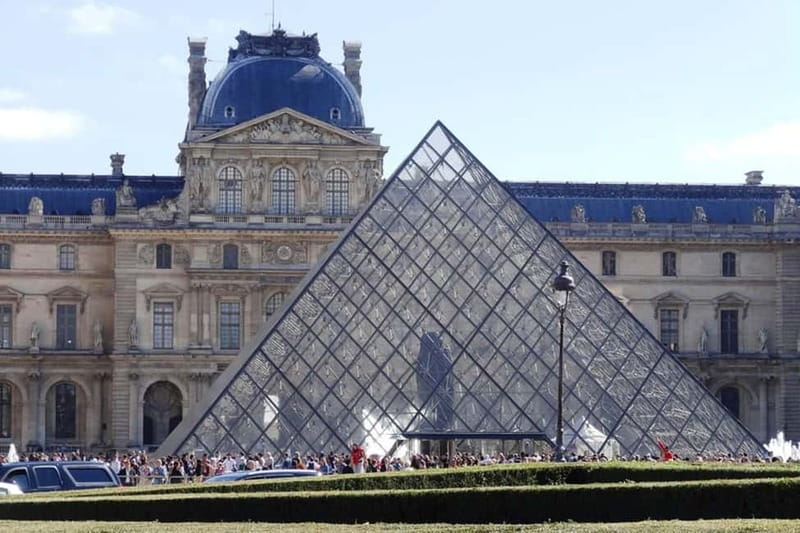
As the tour heads toward the finale, you’ll pass Palais Garnier and learn more about the history of the Phantom of the Opera. This is one of those stops where stories turn buildings into something you can picture.
The practical value: you’re not just staring at the opera-house exterior. You’re pairing what you see with the cultural imagination attached to it. That makes Opéra Garnier feel less like a distant landmark and more like a living part of Paris storytelling.
If you’re a fan of the tale, this section can be especially satisfying because your guide uses the building as a reference point for the opera-world lore.
Ending at Opéra Garnier: closing the loop with a grand finish
The tour finishes at Opéra Garnier. It’s a fitting end point because the route has moved from performance culture (Moulin Rouge) through artist streets (Montmartre) and then into the grand public face of the performing arts.
This ending also helps you plan your next step. After a 4-hour walk, you’re in a neighborhood with plenty of options nearby, and you’ve got a strong sense of what you’ve seen—Montmartre and the passages now connect to the wider Paris cultural machine.
Price and value: is $189 per person a fair deal?
At $189 per person for 4 hours with a private German-speaking guide, the price sits in the “you’re paying for focus” category. You’re not buying access to an attraction ticket. You’re buying someone’s time and expertise—plus the benefit of a private route built around sights like Montmartre and the 19th-century passages.
So here’s how to decide if it’s worth it for you:
- If you want German narration and a group-only experience, this price can feel fair because language and privacy are the premium pieces.
- If you mainly want quick photos of famous monuments, you might not get the full value of a private guide. In that case, a cheaper shared option could do the job.
- If you enjoy history tied to specific streets and buildings, a guided walk like this often feels like the best “one afternoon” investment you can make.
In short: the cost makes more sense when you want understanding, not just sightseeing.
Who should book this Montmartre and passages walk?
I’d put this high on the list for people who:
- Want a German walking tour rather than English narration
- Like art and performance history, not just landmarks
- Enjoy the in-between Paris moments: squares, passages, and old city corridors
- Prefer private pacing, so the walk fits your interests
It may be less ideal if you:
- Need frequent long stops, especially a long sit-down lunch during the middle of the route
- Want a very short “hit the highlights and go” tour with minimal walking
And one more practical note: if you need a break, keep it tight. You can still take a breather, but don’t plan for the tour’s time to magically stretch.
A quick reality check on pacing (and the one big caution)
The route is structured as a continuous walking experience from Moulin Rouge through Montmartre, then down to the Grands Boulevards, through Passage Jouffroy and Passage Verdeau, and ending at Opéra Garnier. That’s a lot of story in 4 hours.
So if you’re traveling with small children or you’re trying to coordinate meal timing, plan for quick stops rather than long restaurant time. You’ll get more satisfaction if your breaks don’t swallow the schedule.
Should you book it? My recommendation
Book it if you want an afternoon in Paris that feels like a guided story, with Montmartre art history and the 19th-century passages doing real work in the itinerary. The German language adds real value, and the private format keeps the experience from feeling like a conveyor belt.
Skip it only if your goal is purely photos of famous points with minimal walking and minimal explanation. This tour is best when you’re curious and want the “why” behind what you see.
FAQ
Is this tour private?
Yes. It’s a private walking tour for your group only.
What language is the guide?
The tour guide speaks German.
How long is the tour?
It lasts 4 hours.
Where does the tour start?
It starts at Metro station Blanche (line 2), in front of Moulin Rouge, where you look for your guide with a HelpTourists bag.
Where does the tour end?
It ends at Opéra Garnier.
What are the main sights on the route?
You’ll see Moulin Rouge, Sacré-Cœur Basilica, Place du Tertre, Grands Boulevards, Passage Jouffroy, Passage Verdeau, and learn about Palais Garnier and the Phantom of the Opera.
What’s included in the price?
A private guided walking tour with a German-speaking city guide.
How much does it cost?
The price is $189 per person.
Are children allowed, and is there a fee?
Children younger than 12 can join for free.
Can I cancel for a refund?
Yes. You can cancel up to 24 hours in advance for a full refund.
More Tours in Paris
- Paris: Louvre Guided Tour with Reserved Access & Boat Cruise
★ 4.3 · 16,353 reviews - Paris: Big Bus Hop-On Hop-Off Tour with Optional Cruise
★ 4.4 · 13,279 reviews - Louvre Museum Masterpieces Guided Tour with Access
★ 4.5 · 12,023 reviews - Versailles: Skip-the-Line Tour of Palace and Gardens Access
★ 4.7 · 10,429 reviews - Paris: Louvre Overview, Exploration tour and Reserved Entry
★ 4.1 · 10,145 reviews
More Tour Reviews in Paris
- Paris: 1-Hour Seine Cruise departing from the Eiffel Tower
★ 4.4 · 77,472 reviews - Paris: Louvre Museum Timed-Entrance Ticket
★ 4.6 · 71,977 reviews - Disneyland® Paris 1-Day Ticket
★ 4.6 · 49,412 reviews - Paris: Versailles Palace and Gardens Full Access Ticket
★ 4.6 · 41,579 reviews - Paris: Arc de Triomphe Rooftop Tickets
★ 4.6 · 34,264 reviews
More of the Montmartre Hill
- Montmartre Hidden Gems and Scenic Highlights Walking Tour
★ 5.0 · 2,684 reviews - Montmartre Hill French Gourmet Food and Wine Tasting Walking Tour
★ 5.0 · 2,588 reviews - Paris: Montmartre Highlights Walking Tour with a Local Guide
★ 4.9 · 2,318 reviews - Paris: Montmartre Cheese, Wine & Pastry Guided Walking Tour
★ 4.8 · 2,255 reviews - The Secrets of Montmartre Walking Tour
★ 4.8 · 1,258 reviews
Fresh off the review desk in Paris
- Secrets of Paris Bike Tour in English or Dutch★ 5.0 · 5 reviews
- Paris: Mont Saint-Michel Day Tour with Chinese Tour Guide★ 5.0 · 5 reviews
- Private Street Art 2-Hour Guided Tour in Paris★ 4.5 · 5 reviews
- Orsay Museum Tour: 2h Highlights (Private & Small Group)★ 5.0 · 5 reviews
- Discover Paris in electric golf carts★ 4.0 · 5 reviews
- Paris Private Boat Tour with your own Captain Guide★ 5.0 · 5 reviews
Montmartre Tours, compared.
 ★ 5.0Montmartre Hidden Gems and Scenic Highlights Walking TourFrom $382,684 reviews
 ★ 5.0Montmartre Hill French Gourmet Food and Wine Tasting Walking TourFrom $1452,588 reviews
 ★ 4.9Montmartre Highlights Walking Tour with a Local GuideFrom $232,318 reviews
 ★ 4.8Montmartre Cheese, Wine & Pastry Guided Walking TourFrom $1272,255 reviews
The Secrets of Montmartre Walking TourFrom $331,258 reviews
★ 4.8Montmartre Cheese, Wine & Pastry Guided Walking TourFrom $1272,255 reviews
The Secrets of Montmartre Walking TourFrom $331,258 reviews
 ★ 4.1Sacré-Coeur and Montmartre Tour with Expert GuideFrom $281,027 reviews
 ★ 5.0Private Montmartre Food Tour with Wine, Cheese & PastriesFrom $3021,027 reviews
 ★ 5.0Paris Montmartre Food Tour – A Full French Meal by Do Eat BetterFrom $95877 reviews
Browse the lists this tour appears in