
Reviewed · WALKING TOURS
Haussmannian Paris 2-Hour Private Walking Tour
Paris is a blueprint in stone.
This 2-hour Haussmannian walking tour turns what you see on Paris boulevards into a clear story: why so many streets look the way they do, and what got lost when 19th-century planners rebuilt huge chunks of the city. I like that the tour doesn’t treat architecture like a museum label; it connects the bold design choices to daily life, views, and street rhythm.
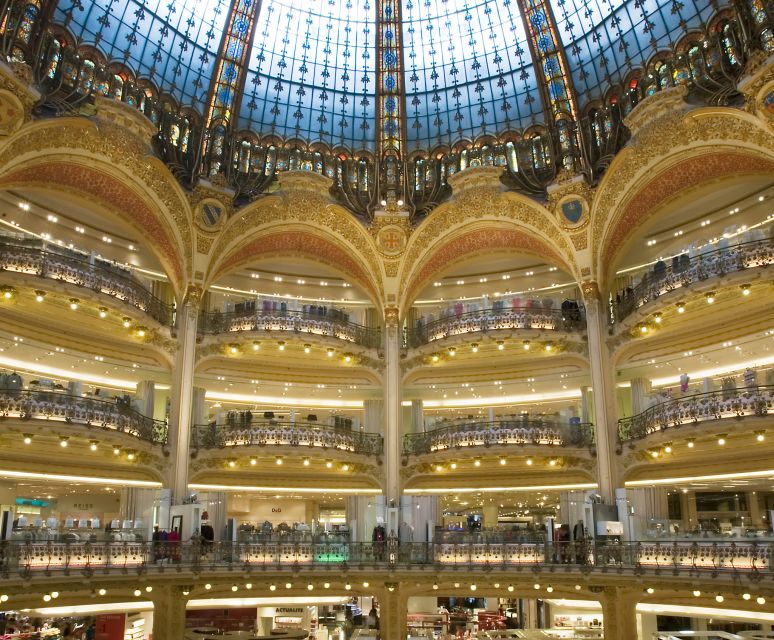
What I love most is the way you get two extremes in one loop: the show-stopping Opéra Garnier (all drama, scale, and detail) plus the refined shopping elegance of the Galeries Lafayette area. I also like the calm contrast you get when the route shifts toward Park Monceau, where the city’s polish feels almost gentle.
One thing to consider: with only 2 hours and multiple stops, you’ll move at a steady pace. If you want extra time to go inside major sites for tickets and long lingering, this tour is better as the story-and-structure overview rather than a deep-entry sightseeing day.
In This Review
- Key highlights you’ll actually notice
- Haussmann Paris in 2 hours: what you’re really buying
- The meeting point at Métro Opéra: how to start smoothly
- Opéra Garnier: the era’s big statement in walking-distance form
- Boulevard Haussmann: learn the street “logic” that shapes your photos
- Galeries Lafayette: elegant shopping as an extension of the city’s style
- Museum of Jacquemart-André: opulence you can understand on the street
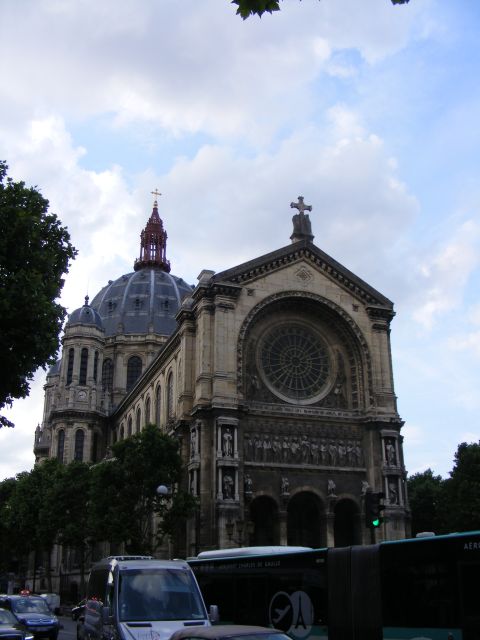
- Church of Saint Augustin: architecture that makes a strong impression
- Park Monceau: the elegant pause that changes the mood
- Picasso connections and the “drinking dens” thread
- Private guide impact: why Tina and Hanna’s names matter
- Who this tour is for (and who should skip it)
- Practical value tips before you book
- Should you book the Haussmannian Paris 2-Hour Private Walking Tour?
- FAQ
- How long is the Haussmannian Paris 2-Hour Private Walking Tour?
- Where do I meet the guide?
- Is food included?
- What language is the tour offered in?
- Is this tour private and accessible?
- Does the tour run in bad weather?
- What is the cancellation policy?
Key highlights you’ll actually notice
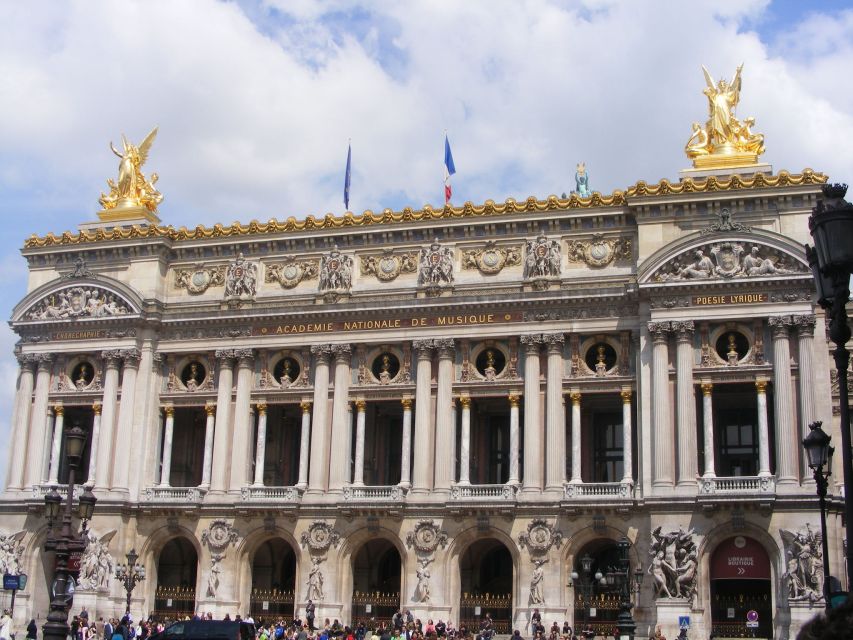
- Opéra Garnier’s theatrical architecture explained in plain terms, not just name-and-date facts
- Boulevard Haussmann as the core “why Paris looks like this” corridor
- Galeries Lafayette for Paris style: storefronts, glass-and-light vibes, and elegant atmosphere
- Saint-Augustin and Jacquemart-André to see how the era mixed monumentality with personal luxury
- Park Monceau as the breathing space that makes the Haussmann story feel real
Haussmann Paris in 2 hours: what you’re really buying
This tour is about the 19th century decision that reshaped Paris so completely that it still controls your sense of direction today. Haussmann’s intervention was the biggest urban planning effort the city had seen up to that point. Whole districts were flattened and rebuilt, leaving only a couple of exceptions, and the goal was ambitious: a city that was functional, easier to navigate, and undeniably beautiful.
You pay $176 per person for a private, guided walk. That’s not cheap, but you’re not paying for “someone to lead you to landmarks.” You’re paying for interpretation. In 2 hours, the guide helps you read Paris the way a planner would: street widths, alignments, sightlines, building styles, and the trade-off between unity and what disappeared. If you like architecture, urban design, or just want to stop feeling lost in Paris, this kind of tour can save you time later. You’ll start noticing patterns on your own.
The tour runs rain or shine, and you should expect a brisk pace since you have to cover big names plus a few key architectural stops. If bad weather usually ruins your day, bring a light rain layer and comfortable walking shoes and treat it like a “street-level” experience. That’s where it shines.
Worth weighing up next to this Paris pick
- Paris Top Sights Half Day Walking Tour with a Fun Guide
★ 5.0 · 2,893 reviews - Montmartre Hidden Gems and Scenic Highlights Walking Tour
★ 5.0 · 2,684 reviews - Montmartre Hill French Gourmet Food and Wine Tasting Walking Tour
★ 5.0 · 2,588 reviews - Paris: Montmartre Highlights Walking Tour with a Local Guide
★ 4.9 · 2,318 reviews
The meeting point at Métro Opéra: how to start smoothly
You’ll meet at Métro Opéra, right in front of Café de la Paix. Your guide carries a red canvas tote bag, so you can spot them quickly and avoid the classic Paris meet-up scramble.
Because this is a private group, you’re not stuck blending into a large crowd. Still, show up a few minutes early. Paris intersections move fast, and you’ll want to be ready to start on time—especially on a short, 2-hour route.
Opéra Garnier: the era’s big statement in walking-distance form
A lot of Paris tours hit the Opéra Garnier from the outside and move on. Here, you get help seeing it as a statement of how the city wanted to look and feel in the 1800s.
Opéra Garnier is often described as one of the most beautiful buildings in Europe, and you can see why immediately: scale, ornate detail, and that sense that the façade is built for performance. The tour’s value is in what the guide helps you connect—this isn’t just pretty stone. It’s part of the Haussmann plan and the period’s idea of monumentality. The building works as a visual anchor. Once you understand that, the surrounding streets and views make more sense.
A practical note: depending on timing, the area around the opera can feel busy with pedestrians. If you’re hoping for quiet photos, aim for a bit of patience and let the guide position you for the best sightlines.
Boulevard Haussmann: learn the street “logic” that shapes your photos
Boulevard Haussmann is the typical Haussmannian style in action—wide, straight-ish, and built to feel orderly and grand. This is where the tour shifts from postcard viewing to real understanding.
What I like about this part is that it teaches you how to read a boulevard. You start noticing how buildings line up, how the street width affects your perspective, and how the city’s design creates long views that you can spot even if you’ve never been in the neighborhood before.
The tour also frames Haussmann’s work as slightly controversial: the results are unified and impressive, but the process took a toll. The guide explains that many precious buildings and streets were forever lost when entire areas were flattened and rebuilt. That balance matters. Without it, the Haussmann story can turn into pure admiration. With it, you get a fuller picture—and Paris stops feeling like a single-style theme park.
Galeries Lafayette: elegant shopping as an extension of the city’s style
Then you hit the Galeries Lafayette, often described as one of the most elegant shopping malls in Paris. Even if you’re not shopping, this stop is useful because it shows how Paris style keeps working in modern life.
The guide helps you connect the mall’s elegance to the wider city aesthetic: clean presentation, confident architecture, and a sense of designed space. You’ll feel the difference between ordinary commercial areas and the kind of Paris “grand indoors” that fits with the Haussmann emphasis on beauty and order.
If you’re traveling with limited time, this stop is a smart choice. It’s close to major viewpoints, and it adds atmosphere without requiring you to purchase museum tickets or plan a whole extra outing.
Museum of Jacquemart-André: opulence you can understand on the street
You’ll also pass by the Museum of Jacquemart-André, described as a lavish and opulent villa of the period. This is a quieter kind of experience than the opera—more like the private side of the same era’s taste.
Even without stepping inside on your tour, this kind of building helps you understand how different “Paris beauty” could be: not only public monuments and grand boulevards, but also wealth expressed through a refined home-villa style. When you’re walking, your brain tends to treat buildings like backdrops. This stop encourages you to treat them like evidence.
A consideration: if you’re hoping for extended interior time, the tour won’t be that kind of experience. It’s best for looking closely from the outside and letting the guide’s context do the heavy lifting.
Worth weighing up next to this Paris pick




Church of Saint Augustin: architecture that makes a strong impression
The route includes the Church of Saint Augustin, described as an architectural marvel. This is one of those places where Paris architecture does something useful for your imagination: it changes how you feel in the space.
The guide’s job here is to help you see what you’re looking at in a quick walk-by moment. You’ll learn how the era’s architectural ambitions show up not only in civic buildings and shopping scenes, but also in religious architecture—still built with a kind of visual confidence.
If you’re the type who enjoys noticing details like shapes, proportions, and how buildings sit in relation to the street, you’ll get good value from this stop.
Park Monceau: the elegant pause that changes the mood
After the big monuments and shopping elegance, the tour shifts toward Park Monceau, described as the city’s most elegant park. This is where you feel a change in pace.
Parks can be an afterthought on walking tours, but here it works because it complements the Haussmann story. The Haussmann plan wasn’t only about tearing down and rebuilding; it was about making a livable, attractive city. A thoughtfully designed park is part of that.
You’ll likely feel the difference immediately: wider walking space, more open views, and a calmer atmosphere that helps you reset. It’s also a good moment to absorb what the guide has already explained about city planning—because now you can see how planning affects experience, not just appearance.
Picasso connections and the “drinking dens” thread
The tour includes the favorite drinking dens of Picasso and more, which adds a lively cultural layer. This is the part that turns architecture into human history. It’s one thing to admire buildings; it’s another to connect them to the artists and everyday nightlife that once filled these streets.
The practical benefit for you: when you later revisit the area on your own, you’ll have stories in your head. You’ll remember not just what a street looks like, but why it mattered to people.
I will note one limitation: the details of which specific dens you’ll hear about aren’t specified here. Still, the theme itself is valuable—using a well-known figure like Picasso to anchor the city’s character beyond monuments.
Private guide impact: why Tina and Hanna’s names matter
This experience is private, and that tends to improve the flow. Instead of a rigid script meant for a big group, the guide can shape explanations around what you’re most interested in: architecture details, planning ideas, or the cultural side of what happened in each neighborhood.
The feedback specifically highlights guides like Tina and Hanna. Tina was praised as very friendly, and Hanna was praised for strong competence in explaining city planning, city history, and architecture. Hanna was also singled out for sharing many practical tips for a Paris stay. That combination matters because it turns the walk into a mini orientation you can use right after the tour.
If you want a guide who can translate big concepts into street-level understanding, this is the right format.
Who this tour is for (and who should skip it)
This tour fits you best if you:
- care about architecture and want more meaning behind what you see
- like learning how cities are planned, not just where they are
- want a quick, high-value orientation to a major Haussmann corridor
- prefer a private group and a guide who can tailor explanations
You might choose something else if you:
- want a full schedule of museum interiors and long ticketed stops
- hate walking with a time limit (this is 2 hours, and it moves)
- expect a food-heavy experience. There’s no food, snacks, or drinks included.
Practical value tips before you book
- Wear shoes that handle Paris sidewalks. Even with a short duration, you’ll cover multiple areas.
- Bring curiosity, not just a camera. The guide’s real contribution is interpretation.
- Plan to use what you learn immediately. After this, the city’s layout will start feeling less random.
- If you’re traveling with someone who only tolerates architecture in small doses, I’d still consider it. The human stories (Picasso connections) help keep it lively.
Should you book the Haussmannian Paris 2-Hour Private Walking Tour?
Yes, if you want a concentrated, intelligent look at why Paris looks like Paris. In two hours you get big-name landmarks like Opéra Garnier and Galeries Lafayette, plus the planning backbone of Boulevard Haussmann, with a softer counterpoint in Park Monceau. The guide-focused format is the real value here: you’re not just seeing famous buildings; you’re learning how the city’s design choices shaped daily life and what got sacrificed to get there.
Skip it only if you’re looking for long interior time, a food-and-drink tour, or a relaxed stroll with zero structure. Otherwise, this is an efficient, memorable way to see Paris with new eyes.
FAQ
How long is the Haussmannian Paris 2-Hour Private Walking Tour?
The tour lasts 2 hours.
Where do I meet the guide?
You meet at Métro Opéra in front of Café de la Paix. The guide carries a red canvas tote bag.
Is food included?
No. Food, snacks, and drinks are not included.
What language is the tour offered in?
The live tour guide offers English and French.
Is this tour private and accessible?
Yes, it’s a private group, and the tour is wheelchair accessible.
Does the tour run in bad weather?
Yes, tours operate rain or shine.
What is the cancellation policy?
You can cancel up to 24 hours in advance for a full refund.
More Walking Tours in Paris
- Paris Top Sights Half Day Walking Tour with a Fun Guide
★ 5.0 · 2,893 reviews - Montmartre Hidden Gems and Scenic Highlights Walking Tour
★ 5.0 · 2,684 reviews - Montmartre Hill French Gourmet Food and Wine Tasting Walking Tour
★ 5.0 · 2,588 reviews - Paris: Montmartre Highlights Walking Tour with a Local Guide
★ 4.9 · 2,318 reviews - Paris Île de la Cité and Notre-Dame Walking Tour With Crypt
★ 5.0 · 2,272 reviews
More Tours in Paris
- Paris: Louvre Guided Tour with Reserved Access & Boat Cruise
★ 4.3 · 16,353 reviews - Paris: Big Bus Hop-On Hop-Off Tour with Optional Cruise
★ 4.4 · 13,279 reviews - Louvre Museum Masterpieces Guided Tour with Access
★ 4.5 · 12,023 reviews - Versailles: Skip-the-Line Tour of Palace and Gardens Access
★ 4.7 · 10,429 reviews - Paris: Louvre Overview, Exploration tour and Reserved Entry
★ 4.1 · 10,145 reviews
More Tour Reviews in Paris
- Paris: 1-Hour Seine Cruise departing from the Eiffel Tower
★ 4.4 · 77,472 reviews - Paris: Louvre Museum Timed-Entrance Ticket
★ 4.6 · 71,977 reviews - Disneyland® Paris 1-Day Ticket
★ 4.6 · 49,412 reviews - Paris: Versailles Palace and Gardens Full Access Ticket
★ 4.6 · 41,579 reviews - Paris: Arc de Triomphe Rooftop Tickets
★ 4.6 · 34,264 reviews
Fresh off the review desk in Paris
- Secrets of Paris Bike Tour in English or Dutch★ 5.0 · 5 reviews
- Paris: Mont Saint-Michel Day Tour with Chinese Tour Guide★ 5.0 · 5 reviews
- Private Street Art 2-Hour Guided Tour in Paris★ 4.5 · 5 reviews
- Orsay Museum Tour: 2h Highlights (Private & Small Group)★ 5.0 · 5 reviews
- Discover Paris in electric golf carts★ 4.0 · 5 reviews
- Paris Private Boat Tour with your own Captain Guide★ 5.0 · 5 reviews
Walking Tours, compared.
 ★ 5.0Paris Top Sights Half Day Walking Tour with a Fun GuideFrom $762,893 reviews
 ★ 5.0Montmartre Hidden Gems and Scenic Highlights Walking TourFrom $382,684 reviews
 ★ 5.0Montmartre Hill French Gourmet Food and Wine Tasting Walking TourFrom $1452,588 reviews
 ★ 4.9Montmartre Highlights Walking Tour with a Local GuideFrom $232,318 reviews
 ★ 5.0Paris Île de la Cité and Notre-Dame Walking Tour With CryptFrom $482,272 reviews
 ★ 4.8Montmartre Cheese, Wine & Pastry Guided Walking TourFrom $1272,255 reviews
 ★ 5.0Paris in a Day: Louvre or Orsay, Eiffel Tower, City Walk & CruiseFrom $1571,956 reviews
 ★ 5.0Paris City Center Free Walking Tour (Tip-Based)From $31,340 reviews
Browse the lists this tour appears in