
Reviewed · MONTMARTRE TOURS
Montmartre Paris Guided Walking Tour
Montmartre works better with a plan. This 2-hour, 15-minute guided walking tour threads together the neighborhood’s most famous stops with stories that connect the art, the people, and the streets. You get a local expert guide and a built-in route that helps you avoid the annoying feeling of wandering in circles.
Two things I like a lot: the tour focuses on Montmartre’s artistic residents, past and present, not just postcard photos, and it’s designed as a walking experience that’s easier to follow thanks to the guide. There’s also a mobile ticket, which makes it simpler to show up and get moving.
One thing to keep in mind: Montmartre is full of tight streets and busy corners, and if your guide’s English is harder to hear, a larger group can make it tough to catch every detail. If clarity matters to you, position yourself closer to the guide during the stops.
In This Review
- Key highlights and what they mean for you
- Why this Montmartre route works in 2 hours 15 minutes
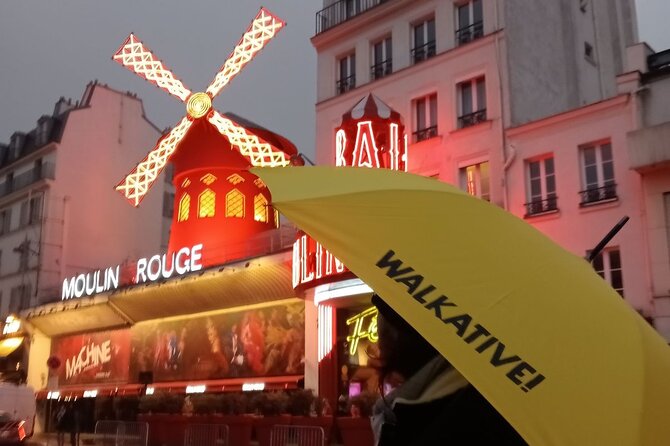
- Moulin Rouge stop: seeing the landmark without losing the story
- Van Gogh’s House: the artist angle you’ll actually remember
- Place des Abbesses: the cobblestones, cafés, and Art Nouveau entrance
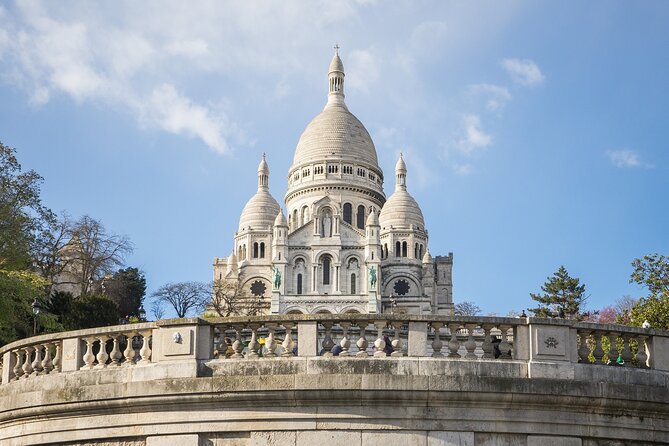
- Sacré-Cœur Basilica: the payoff at the top
- Price and tips: what you’re really paying for
- Meeting point, pace, and the walking comfort checklist
- About the guides: the difference you’ll feel on the ground
- Who this Montmartre guided walking tour suits best
- Should you book this Montmartre Paris Guided Walking Tour?
- FAQ
- How long is the Montmartre guided walking tour?
- What language is the tour offered in?
- Where does the tour start and end?
- Are tickets included for all the stops?
- Does the tour run in bad weather?
- Is free cancellation available?
Key highlights and what they mean for you
- Moulin Rouge first: start at the most recognizable symbol, so the rest of Montmartre feels like the backstory
- Van Gogh’s House stop: a focused 35 minutes with free entry, built around how he worked and lived
- Place des Abbesses: a slower moment with cobblestones, cafés, and the famous Art Nouveau metro entrance
- Sacré-Cœur viewpoints: 40 minutes up top for the panoramic payoff and a calmer break from the streets
- Small-group feel: maximum 40 travelers, which helps the tour stay organized while still being social
- Pay-as-you-wish style note: your booking covers the reservation fee and the guide’s payment, so tipping is optional extra value
Why this Montmartre route works in 2 hours 15 minutes
Montmartre can feel like a maze. Streets bend, streets slope, and suddenly you’re looking at the same wall twice if you don’t have structure. This tour gives you that structure, stitching together four stops that naturally build on each other: the show-business icon, an artist’s home base, a classic neighborhood square, and then the climb-ending view at Sacré-Cœur.
The best part is that the stops are timed to keep you from over-staying anywhere. Moulin Rouge gets 30 minutes, Van Gogh’s House 35, Place des Abbesses 30, and Sacré-Cœur 40. That adds up to a pace that feels active without being frantic, especially when you’re trying to see more than one part of Paris in a short trip.
The guiding style also matters. Multiple guides are mentioned by name in the feedback, including Ruben Sebastian, Francesca, Raj, and Tote (Thomas). Across those comments, the common thread is that the tour doesn’t just label landmarks. It connects them to lives and local context, which is exactly what makes Montmartre more than a quick photo stop.
If you’re the type who likes to understand what you’re looking at while you walk, you’ll likely find the route satisfying. If you prefer total silence and go-at-your-own-pace wandering, a guided format can feel a little structured. Still, the walking tour setup is ideal for people who don’t want to get lost.
Keep climbing: more of the Montmartre hill
- Montmartre Hidden Gems and Scenic Highlights Walking Tour
★ 5.0 · 2,684 reviews - Montmartre Hill French Gourmet Food and Wine Tasting Walking Tour
★ 5.0 · 2,588 reviews - Paris: Montmartre Highlights Walking Tour with a Local Guide
★ 4.9 · 2,318 reviews - Paris: Montmartre Cheese, Wine & Pastry Guided Walking Tour
★ 4.8 · 2,255 reviews
Moulin Rouge stop: seeing the landmark without losing the story
The tour begins at Blanche (75018) and includes a first stop at Moulin Rouge. You’ll get about 30 minutes here, and admission is not included. That matters because it changes how you should plan your expectations. If you’re hoping to go inside, you’ll need to arrange an additional ticket. If you’re mainly there for the location and the surrounding street atmosphere, you can use the time well just by paying attention to what the guide explains.
Moulin Rouge works as a strong kickoff because it’s instantly recognizable. Starting here helps you get your bearings fast, then you move through Montmartre with better context. After that, the neighborhood’s artistic reputation makes more sense. Instead of treating Montmartre like a list of attractions, you start to see how creativity became part of the local identity.
Practical note: 30 minutes goes quickly around a major landmark. If you care about photos, arrive with the idea that you may need a couple different angles. If you care more about the story, try to stay close enough to hear the guide at street corners where sound can disappear.
Van Gogh’s House: the artist angle you’ll actually remember
Next is Van Gogh’s House for about 35 minutes, and admission is free. This stop is the tour’s “artist reality check.” The tour framing points you toward Van Gogh’s turbulent but creatively fertile period, and it’s a nice contrast to Moulin Rouge’s glamour. Here, Montmartre becomes less about spectacle and more about where inspiration and difficulty can collide.
This is also where the guided format can be worth the fee. If you show up on your own, you might read what’s posted and move on. With a guide, you can connect the place to how an artist lived through the ups and downs that shaped his work. Even if you’re not a deep Van Gogh expert, this kind of context tends to stick because it gives your brain something to hang details on.
The stop being free is a bonus for value. You get a meaningful cultural stop without adding another paid entry cost. Still, 35 minutes is enough time to look around and listen, but not enough to treat it like a museum-style long stay. If you want a slow, quiet session, you might add extra time after the tour ends.
Place des Abbesses: the cobblestones, cafés, and Art Nouveau entrance
Place des Abbesses is a calmer break, with about 30 minutes on the square. Admission is free. What you’re going for here isn’t just a view—it’s the neighborhood feel. The square is described as charming with cobblestones, cafés, and an iconic Art Nouveau metro entrance, and that mix is exactly why this stop works.
This is the point in the tour where you’re likely to relax a bit. You’re no longer “rushing” to the next famous name. Instead, you can look at everyday Paris. If you’re into people-watching, this is a good moment to do it. If you’re into photography, it’s one of the more photogenic areas because the metro entrance adds a clear visual anchor to the street scene.
There’s also a small practical advantage here: a square stop makes it easier to regroup with your group. Montmartre’s slopes and stairways can wear you down, so a flatter, open spot helps reset your energy before the final climb.
One drawback to flag: Montmartre is busy, and squares can get noisy. If you’re sensitive to sound, this is where you’ll benefit most from sticking near the guide so you don’t miss the explanation.
Sacré-Cœur Basilica: the payoff at the top
The final stop is Basilique du Sacré-Cœur de Montmartre, with about 40 minutes. Admission is free. This is where the tour earns its name as a “guided walking” experience. You’re walking uphill toward the big skyline moment, and Sacré-Cœur provides the payoff: panoramic views over the city below and a quieter space once you reach the basilica area.
Even though entry is free, it’s still worth respecting the fact that you may need to deal with stairs and crowds at the top. The tour calls for moderate physical fitness, and this last part is where that matters most. Wear shoes you trust on uneven ground, and keep water in mind if the weather is hot.
Sacré-Cœur also gives your day emotional balance. The tour description frames it as a symbol of faith and national unity, and that sense of atmosphere can shift your mood after the more playful artistic vibe earlier in Montmartre. You’re not just ticking boxes; you’re ending on a place that people go to for reflection, not only for photos.
If you want the best views, don’t treat the first minute at the top as the final minute. Give yourself a few minutes to move to a spot where you can see clearly and hear the guide’s closing story.
Price and tips: what you’re really paying for
The price is $26.42 per person, for about 2 hours 15 minutes, and the tour includes a local expert guide plus a constructed narrative. That’s the key value point: you’re not only buying access to locations. You’re buying a route and interpretation that turns what you see into something you understand.
Admission costs vary. Moulin Rouge isn’t included, while Van Gogh’s House, Place des Abbesses, and Sacré-Cœur are free within the tour schedule. That mix means you should mentally budget only if you truly plan to go inside Moulin Rouge. For a lot of people, the exterior and surrounding streets are enough, and then the tour stays a bargain.
There’s also a pay-what-you-wish note built into the pricing. The amount you pay covers the reservation fee and the guide’s payment. If you want a smaller private tour, you can ask the provider to organize it. Practically, this means you can show up knowing the guide is already compensated, and you can still reward great guiding if that’s your style.
Group size is capped at 40, which is large enough to feel lively but small enough to keep the walk controlled. In real life, the guide’s ability to be heard depends on group spacing, street acoustics, and how quickly everyone moves between stops.
Worth weighing up next to this Paris pick




Meeting point, pace, and the walking comfort checklist
The meeting point is at Blanche (75018 Paris), and the tour ends at Sacré-Cœur Basilica on Rue du Chevalier de la Barre, 75018. You’ll be near public transportation, which is useful because Montmartre can be easier to reach than to navigate once you’re inside the neighborhood.
The tour operates in all weather conditions, so dress for rain or sun. That’s not just comfort—it’s safety. Wet cobblestones and slick stairs in Montmartre are no joke. If you’re thinking about your photos, weather can actually help, but only if you stay steady on your feet.
Because this is a walking tour, your best move is to treat it like a short hike. Moderate physical fitness is required. If stairs tire you, plan for an extra slow pace at Sacré-Cœur. If you can handle walking through uneven streets for a couple hours, you’re likely fine.
One more thing: there are family considerations. Children must be accompanied by an adult, and service animals are allowed. If you’re traveling with kids or a mobility-limited companion, you’ll want to keep expectations realistic about slopes and crowding at the top.
About the guides: the difference you’ll feel on the ground
The guide names mentioned in the feedback show that this tour can vary by personality and delivery style, and that’s normal for any walking tour.
Ruben Sebastian comes up in a high-rating review praising a warm, witty, very informed approach. Francesca is also highlighted as superb, with enthusiasm and strong knowledge. Tote (Thomas) is praised for area history and for giving restaurant recommendations. Raj is described as making the tour fun and being highly informative.
Then there’s the one caution: one review notes difficulty hearing because English was a second language for the guide and the pace was fast, especially in a big group. The places were still great, but the audio experience wasn’t ideal.
So here’s the practical takeaway: if you want to hear every story, don’t hang back. Move closer at the stops. If you know you’ll struggle with fast talking or crowded street noise, bring a backup plan, like focusing on visuals and letting the guide’s key points land over time.
Who this Montmartre guided walking tour suits best
I think this tour is a strong match for:
- First-timers who want a reliable way to see Montmartre without getting lost
- People who like art and want context around artistic residents, not just landmarks
- Visitors who can walk for a couple hours and handle slopes toward Sacré-Cœur
- English-speaking travelers who want a thoroughly constructed narrative as they move
It might be less ideal if:
- You hate group logistics and prefer total freedom
- You need very slow pacing or step-by-step accessibility support
- You’re sensitive to missing spoken details in noisy areas
It’s also a smart choice if you’re balancing multiple parts of Paris in one day. The stops are spaced so you get a strong sense of Montmartre in a compact time window, and the free entries help keep the total cost under control.
Should you book this Montmartre Paris Guided Walking Tour?
If your goal is to understand Montmartre—why it became an artists’ neighborhood, how the places connect, and what to notice as you walk—this tour is easy to recommend for the price. The most praised aspect is the quality of the guiding, with multiple named guides earning strong marks for enthusiasm, humor, and helpful local context like restaurant suggestions.
I’d book it if you’re comfortable with a moderate walking pace and you’re okay with the occasional challenge of hearing in crowded streets. It’s also a solid fit for mixed interests: art lovers get Van Gogh’s link, landmark fans get Moulin Rouge, and everyone gets the Sacré-Cœur viewpoint payoff.
Skip it or go in with eyes open if audio clarity is your top priority. In that case, position yourself near the guide and accept that some street corners just swallow sound.
FAQ
How long is the Montmartre guided walking tour?
It runs about 2 hours 15 minutes.
What language is the tour offered in?
The tour is offered in English.
Where does the tour start and end?
It starts at Blanche (75018 Paris) and ends at Sacré-Cœur Basilica, 35 Rue du Chevalier de la Barre, 75018 Paris.
Are tickets included for all the stops?
Moulin Rouge admission ticket is not included. Van Gogh’s House, Place des Abbesses, and Sacré-Cœur are described as free.
Does the tour run in bad weather?
Yes, it operates in all weather conditions, so dress appropriately.
Is free cancellation available?
Yes. You can cancel up to 24 hours in advance for a full refund.
More Tours in Paris
- Paris: Louvre Guided Tour with Reserved Access & Boat Cruise
★ 4.3 · 16,353 reviews - Paris: Big Bus Hop-On Hop-Off Tour with Optional Cruise
★ 4.4 · 13,279 reviews - Louvre Museum Masterpieces Guided Tour with Access
★ 4.5 · 12,023 reviews - Versailles: Skip-the-Line Tour of Palace and Gardens Access
★ 4.7 · 10,429 reviews - Paris: Louvre Overview, Exploration tour and Reserved Entry
★ 4.1 · 10,145 reviews
More Tour Reviews in Paris
- Paris: 1-Hour Seine Cruise departing from the Eiffel Tower
★ 4.4 · 77,472 reviews - Paris: Louvre Museum Timed-Entrance Ticket
★ 4.6 · 71,977 reviews - Disneyland® Paris 1-Day Ticket
★ 4.6 · 49,412 reviews - Paris: Versailles Palace and Gardens Full Access Ticket
★ 4.6 · 41,579 reviews - Paris: Arc de Triomphe Rooftop Tickets
★ 4.6 · 34,264 reviews
More of the Montmartre Hill
- Montmartre Hidden Gems and Scenic Highlights Walking Tour
★ 5.0 · 2,684 reviews - Montmartre Hill French Gourmet Food and Wine Tasting Walking Tour
★ 5.0 · 2,588 reviews - Paris: Montmartre Highlights Walking Tour with a Local Guide
★ 4.9 · 2,318 reviews - Paris: Montmartre Cheese, Wine & Pastry Guided Walking Tour
★ 4.8 · 2,255 reviews - The Secrets of Montmartre Walking Tour
★ 4.8 · 1,258 reviews
Fresh off the review desk in Paris
- Secrets of Paris Bike Tour in English or Dutch★ 5.0 · 5 reviews
- Paris: Mont Saint-Michel Day Tour with Chinese Tour Guide★ 5.0 · 5 reviews
- Private Street Art 2-Hour Guided Tour in Paris★ 4.5 · 5 reviews
- Orsay Museum Tour: 2h Highlights (Private & Small Group)★ 5.0 · 5 reviews
- Discover Paris in electric golf carts★ 4.0 · 5 reviews
- Paris Private Boat Tour with your own Captain Guide★ 5.0 · 5 reviews
Montmartre Tours, compared.
 ★ 5.0Montmartre Hidden Gems and Scenic Highlights Walking TourFrom $382,684 reviews
 ★ 5.0Montmartre Hill French Gourmet Food and Wine Tasting Walking TourFrom $1452,588 reviews
 ★ 4.9Montmartre Highlights Walking Tour with a Local GuideFrom $232,318 reviews
 ★ 4.8Montmartre Cheese, Wine & Pastry Guided Walking TourFrom $1272,255 reviews
The Secrets of Montmartre Walking TourFrom $331,258 reviews
★ 4.8Montmartre Cheese, Wine & Pastry Guided Walking TourFrom $1272,255 reviews
The Secrets of Montmartre Walking TourFrom $331,258 reviews
 ★ 4.1Sacré-Coeur and Montmartre Tour with Expert GuideFrom $281,027 reviews
 ★ 5.0Private Montmartre Food Tour with Wine, Cheese & PastriesFrom $3021,027 reviews
 ★ 5.0Paris Montmartre Food Tour – A Full French Meal by Do Eat BetterFrom $95877 reviews
Browse the lists this tour appears in