
Reviewed · MONTMARTRE TOURS
Montmartre Walking Tour with Secret Tales, Views & Croissant
Montmartre feels like a stage set. On this small-group walk you get the famous postcard stops plus the stories that explain why artists and lovers kept coming back. You also end with a croissant in hand and a view that makes the climb feel worth it.
I especially like the way the guide threads art and daily life together, not just sightseeing. In the same afternoon, I’d want your head to be full of painter legends and real local details, like what still happens around Place du Tertre. Based on guide names shared in past bookings, you may be guided by people such as Vicky or Dea, and the vibe is warm and focused.
One thing to plan for: Montmartre is hilly, with cobbled streets and steps. This tour isn’t suitable for wheelchair users, and even if you’re fine on your feet, you’ll feel the incline.
In This Review
- Key things I’d watch for
- Entering Montmartre’s Art Mood in 150 Minutes
- Starting at Bd de Clichy and Metro Blanche: Where the Walk Really Begins
- Moulin Rouge: Classic Photos, Plus the Reason It Mattered
- The Wall of Love: Romance With a Backstory
- Le Bateau-Lavoir: Art History You Can Walk On
- La Maison Rose: A Photo Stop That Feels Like a Stage Prop
- Place du Tertre: Where Artists Still Work Outside
- Dalida’s House and Lapin Agile: Music, Fame, and the Human Side
- Église Saint-Jean-de-Montmartre Near Abbesses: The Kind of Quiet You Rarely Find
- Sacré-Cœur Finish: Panoramic Payoff and What to Do With Your Last Photos
- The Croissant Stop: Why a Bakery Break Is More Than a Snack
- Price and Value: Is $44 Really a Good Deal?
- Languages, Group Feel, and Ongoing Help That Actually Helps
- Who This Tour Suits Best (and Who Might Prefer Another Plan)
- Should You Book This Montmartre Tour?
- FAQ
- How long is the Montmartre walking tour?
- Where do I meet the guide?
- What’s included in the price?
- Is the croissant tasting part of the tour?
- What language options are available?
- Where does the tour finish?
- Are there photo opportunities during the walk?
- Is the tour suitable for wheelchair users?
- What should I wear and bring?
- Is there a discount for professional photo sessions?
Key things I’d watch for
- Secret tales, not just selfies at the stops you already know
- Fresh croissant tasting from a local boulangerie during the walk
- Small-group feel that keeps the pace human
- Art-focused stops tied to names you’ll recognize (Van Gogh, Picasso, Modigliani, and more)
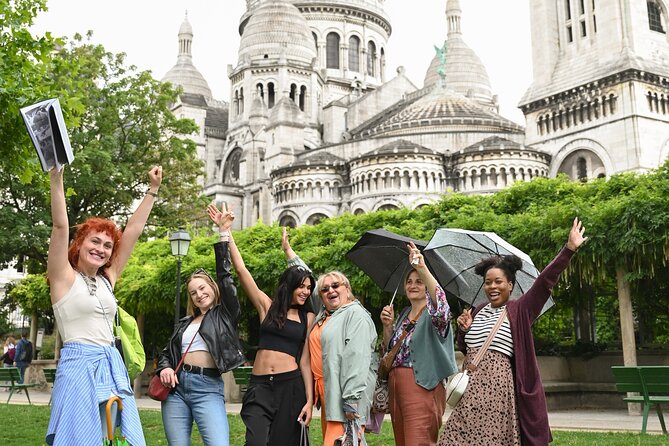
- Sacré-Cœur as the finish line with a big panorama payoff
- Extra support in Paris after the tour, plus a 30% photo-session discount through partner photographers
Entering Montmartre’s Art Mood in 150 Minutes
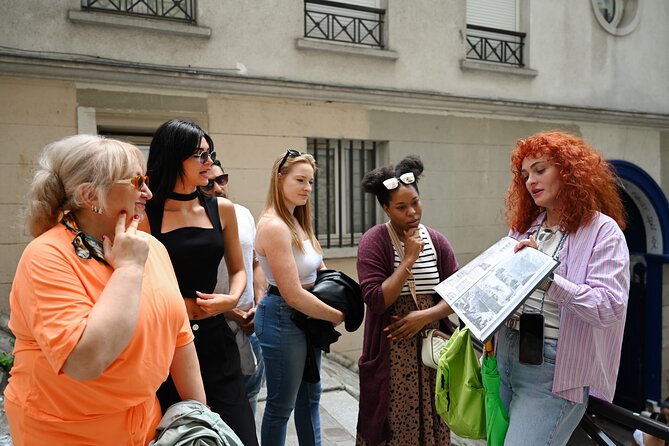
Montmartre is one of those places where the streets look romantic even on a gray day. The best way to enjoy it is not to wander randomly for hours, then ask yourself what you saw. This tour is built to move at a steady walking pace while keeping the story line clear.
At 150 minutes (about 2 to 2.5 hours), you’ll hit the core sights early enough to enjoy them without the crush. You also get enough time for photo stops and short guided walks, rather than racing from one point to the next with no context. If you like your travel with a plan, but not a drill, the timing works well.
The tour runs in English and Spanish, and that matters in Paris. When you understand the details, Montmartre’s references land better—especially when the guide connects places to artists, café culture, and the neighborhood’s love-and-trouble reputation.
Keep climbing: more of the Montmartre hill
- Montmartre Hidden Gems and Scenic Highlights Walking Tour
★ 5.0 · 2,684 reviews - Montmartre Hill French Gourmet Food and Wine Tasting Walking Tour
★ 5.0 · 2,588 reviews - Paris: Montmartre Highlights Walking Tour with a Local Guide
★ 4.9 · 2,318 reviews - Paris: Montmartre Cheese, Wine & Pastry Guided Walking Tour
★ 4.8 · 2,255 reviews
Starting at Bd de Clichy and Metro Blanche: Where the Walk Really Begins
Your meeting point is outside Metro Blanche near 59 Bd de Clichy. I like this kind of start because it puts you in the action quickly, with an easy way to orient yourself before the first stop.
Bring comfortable shoes. Not optional. The route includes cobbled streets and hills, so even athletic walking shoes will feel different here. I’d also dress for the weather, because rain in Paris can turn “romantic old stones” into “slippery old stones.”
Group tours work best when you follow the guide’s rhythm. That means being ready for short photo pauses and walking in between. If you’re the type who stops to inspect every storefront, you might feel slightly rushed during the most photo-heavy segments.
Moulin Rouge: Classic Photos, Plus the Reason It Mattered
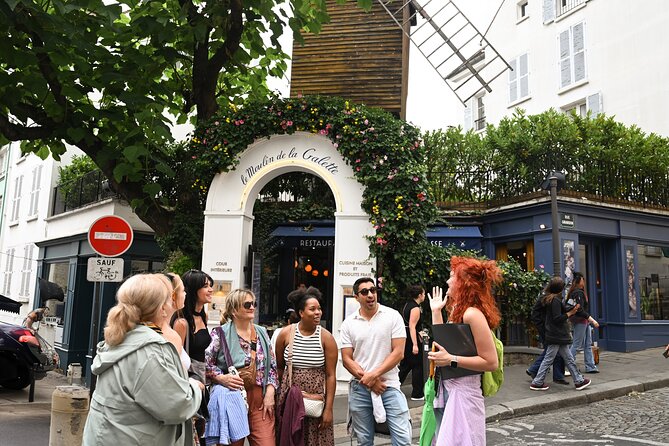
The tour begins with Moulin Rouge, with a photo stop plus a guided walk segment (about 20 minutes). It’s the obvious landmark, yes. But the value here is what you’re meant to understand while you’re there.
Moulin Rouge isn’t just a symbol—it’s a reminder that Montmartre has long attracted performers, writers, artists, and people chasing reinvention. When the guide sets that scene, your photos feel like they come with subtitles instead of just vibes.
Practical tip: take your first broad photos early. The hill and angles can shift quickly as you move. If you wait until later, you might realize you want one more shot from the original vantage.
The Wall of Love: Romance With a Backstory
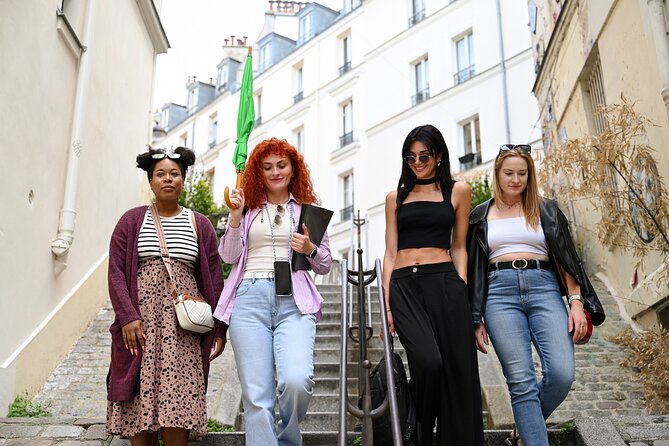
Next comes the Wall of Love (again about 20 minutes, including photos and guided commentary). This is the spot many people recognize, but few people really understand beyond the visible love locks and hearts.
What you’ll appreciate most is the guide’s framing of Montmartre’s romantic image as something tied to real lives. It’s not only about display. It’s about how the neighborhood has long made space for affection, theater, and public emotion in a very public way.
It also helps that the stop isn’t long and overwhelming. You get time to take photos and still move on without feeling like you’ve spent half your trip standing around.
Le Bateau-Lavoir: Art History You Can Walk On
Then you head to Le Bateau-Lavoir (about 20 minutes). This stop matters because it connects Montmartre’s artistic energy to a physical place. When you walk these streets with a story in your ear, the neighborhood stops feeling like a postcard and starts feeling like a working creative neighborhood from another era.
The guide links Montmartre to the kind of creative circles that included major names such as Picasso and other artists. And because this is a walking tour, you’re not just reading about it—you’re moving through the same general vibe: cramped lanes, viewpoints, and that mixture of grit and charm.
Potential drawback to note: if you’re not into art references, you might wish for more time purely for views. The tradeoff is that you do get meaning at each stop, which is the point of this format.
La Maison Rose: A Photo Stop That Feels Like a Stage Prop
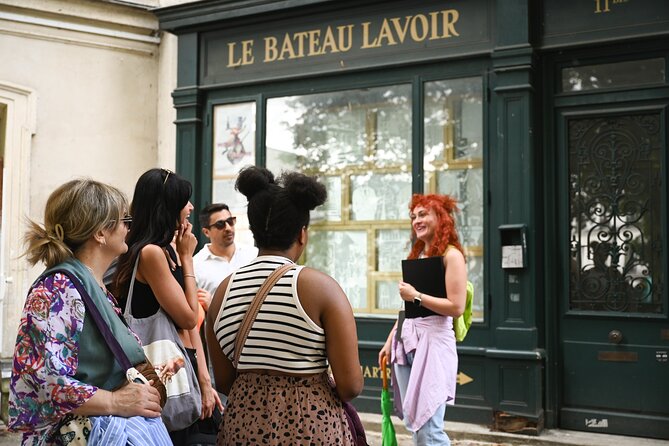
La Maison Rose is the next highlight (about 15 minutes, photo stop plus guided segment). This is one of those spots where the color grabs you first, and the details land second.
I like how short this stop is. It gives you a chance to get your signature photo and still keep the momentum for the rest of the walk. And when the guide ties it back to Montmartre’s bohemian feel, that bright façade stops looking random.
If you’re traveling with someone who just wants photos, this stop usually satisfies them quickly without killing the tour’s pace.
More aprons-on macaron and pastry classes



Place du Tertre: Where Artists Still Work Outside
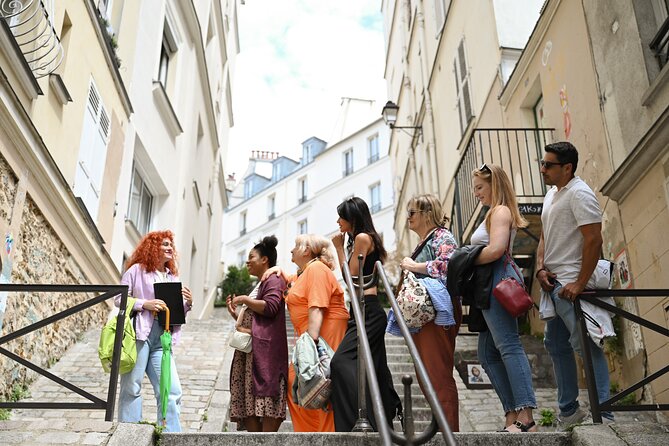
You’ll reach Place du Tertre (about 15 minutes). This is where Montmartre’s reputation stays real. Artists paint outdoors here, and the square still carries that legacy of doing art in public.
This is also a great stop for people-watching. You’ll see the neighborhood’s ongoing performance culture, but in a more everyday way than the bigger landmarks. It’s not a museum moment—it’s a living street scene.
If you want a practical takeaway: spend a minute watching how people move through the square. Some travelers rush to buy souvenirs, but you’ll get more enjoyment if you first watch the artists working, then decide if you want a sketch or just a photo.
Dalida’s House and Lapin Agile: Music, Fame, and the Human Side
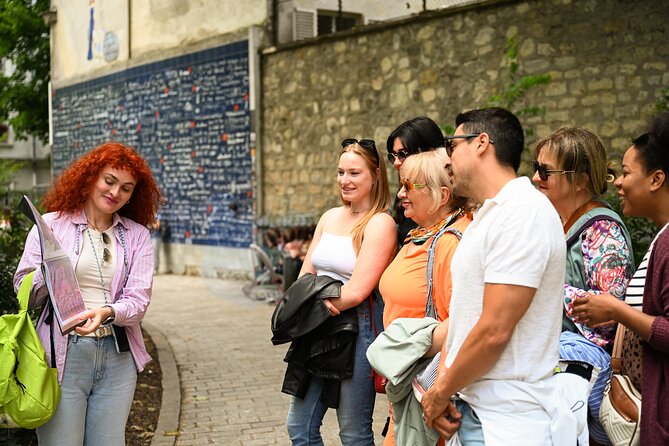
One of the most moving parts of this tour is the storytelling about Dalida. You’ll learn about her life through a stop at Dalida’s house, with the kind of story that helps you understand Montmartre’s emotional range—joy, fame, passion, and tragedy all in the same neighborhood.
There’s also a stop connected to Lapin Agile, the cabaret that’s been a favorite haunt of Picasso. Even if you don’t know the venue, you’ll feel the point: Montmartre’s creativity wasn’t only in studios. It also happened in night-life spaces where ideas could bounce around.
These parts are where the tour becomes more than “look at that.” They help you see why people keep mythologizing Montmartre in books and songs. And if you like your travel stories tied to real people, this section is likely to stick with you.
Église Saint-Jean-de-Montmartre Near Abbesses: The Kind of Quiet You Rarely Find
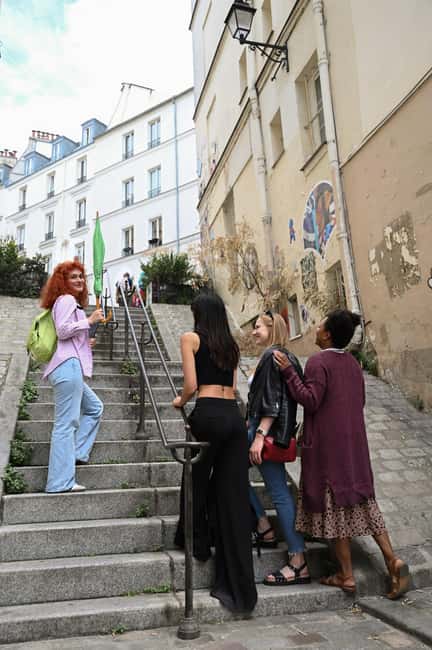
Along the way, you’ll also get to see Église Saint-Jean-de-Montmartre, described as a hidden gem just beside Abbesses metro. This kind of stop is a reminder that Montmartre isn’t only about the big names and biggest views.
Even short stops here can change how you feel about the whole area. The neighborhood can be crowded near the famous corners, but a quick look at a calmer church side adds balance. It also gives you a breather from constant phone-on-hand tourism mode.
If you love walking because it reveals contrasts—loud versus quiet, show versus everyday—this is the kind of stop you’ll appreciate.
Sacré-Cœur Finish: Panoramic Payoff and What to Do With Your Last Photos
The tour ends at Sacré-Cœur Basilica, with a 30-minute guided visit and photo stop. This is where you get your panoramic reward over Paris. The hill climb starts to make sense in a very concrete way: you reach the top and the city opens up.
This is also a good time to slow down just a bit. Don’t just grab one photo and move on. Take a couple shots from different angles, then look for the big city patterns—major roads, building clusters, and how the neighborhoods layer together.
Practical note: the finish is at a major landmark, so the area can feel busy. Having a guide to manage timing and provide direction helps you avoid the frustration of wandering around at the exact moment you’re ready to enjoy the view.
The Croissant Stop: Why a Bakery Break Is More Than a Snack
A freshly baked croissant is included in the tour, from a local boulangerie. This isn’t just a sweet perk. It’s how you feel the rhythm of Parisian daily life while you’re walking through its art myths.
I like that the croissant break happens during the flow of the tour. You’re not turning your day into an eating break that makes you fall behind. You’re sampling a classic moment in a way that matches the neighborhood’s pace.
One tip: if you’re taking photos, try not to treat the croissant like an accessory. Eat it while it’s warm. Montmartre’s charm is partly visual, but the smell of warm butter and flour is what turns the experience from pretty to memorable.
Price and Value: Is $44 Really a Good Deal?
At $44 per person for about 150 minutes, the value comes from three things.
First, you’re paying for a guided route that’s more than a checklist. The tour aims to mix famous landmarks with less-obvious corners, and it does it with story-driven stops instead of long lectures.
Second, you’re not just getting information. You get a croissant tasting, photo stops, and insider tips woven into the walking rhythm. That reduces the risk of paying for “just time outside” in a place where you could theoretically wander on your own.
Third, there’s a useful add-on after the tour: continued support during your stay in Paris, even after the walk ends. That kind of local help can save time when you’re tired, late, or unsure where to go next.
And then there’s the fun extra: a 30% discount on professional photo sessions with partner photographers. If you’re the kind of traveler who wants sharper portraits than a phone can manage, that discount could pay for itself fast.
A fair drawback: if you already know Montmartre well and you mostly want quiet wandering, you might feel the guided structure is more than you need. But for most first or second-time visitors, the $44 price tag is easier to justify when you add up guidance, food, and time saved.
Languages, Group Feel, and Ongoing Help That Actually Helps
This tour is offered in English and Spanish, which is a big deal in Paris. When the guide can explain the why behind a place, you can actually connect the art references and neighborhood stories to what you’re seeing.
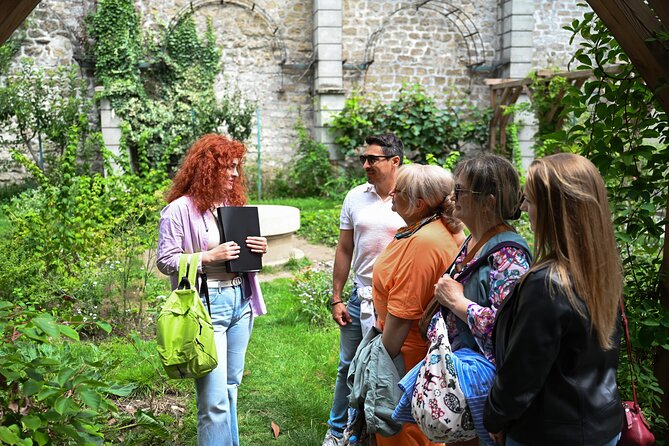
The tour is also described as small-group, and that’s exactly the difference between “controlled walking” and “everyone shuffles forward at different speeds.” With a smaller group, you’re more likely to get questions answered and to keep your bearings.
Then comes the part I like most for practical travelers: the guide team offers recommendations and directions during your stay, after the tour ends. That turns the tour from a one-time experience into a tool you can use for the rest of your Paris days.
Who This Tour Suits Best (and Who Might Prefer Another Plan)
I think this tour is best for you if:
- You want Montmartre stories tied to art and human drama, not only landmarks
- You like a plan with room for photos and breaks
- You prefer a small-group vibe over a big crowd parade
- You’re excited by the mix of famous corners and quieter side streets
This tour might not be for you if:
- You’re visiting with mobility constraints. The cobbles and hills make it unsuitable for wheelchair users
- You hate guided talk and want total silence
- You already know every Montmartre reference and just want free time
If you’re somewhere in the middle—curious, energetic, and okay with walking—you’ll likely enjoy how the route keeps your brain engaged while your legs do the work.
Should You Book This Montmartre Tour?
Yes, I’d book it if you want the best blend of famous sights, hidden corners, and a croissant break in a tight 2 to 2.5 hour window. The $44 price makes sense because you’re not only paying for views—you’re paying for story context, photo stops, and real help during your stay.
I’d skip it (or at least rethink) if walking on cobbles and hills is hard for you. Also, if you hate any structured pacing, pick a different style of day—Montmartre rewards both approaches, but this one is designed for guided storytelling.
If you’re planning your Paris for maximum meaning per hour, this is a solid call.
FAQ
How long is the Montmartre walking tour?
The tour lasts about 150 minutes (roughly 2 to 2.5 hours).
Where do I meet the guide?
You meet outside Metro Blanche at 59 Bd de Clichy.
What’s included in the price?
The tour includes a guided walking tour, croissant tasting, photo stops, stories, and insider tips, ongoing support during your Paris stay, and a 30% discount on professional photo sessions with partner photographers.
Is the croissant tasting part of the tour?
Yes. You’ll enjoy a freshly baked croissant from a local bakery during the experience.
What language options are available?
The live guide offers the tour in English and Spanish.
Where does the tour finish?
The tour ends at Basilique du Sacré-Cœur de Montmartre.
Are there photo opportunities during the walk?
Yes. The itinerary includes photo stops at several locations, with guided time at each stop.
Is the tour suitable for wheelchair users?
No. The tour is not suitable for wheelchair users.
What should I wear and bring?
Bring comfortable shoes and wear weather-appropriate clothing, since the route includes cobbled streets.
Is there a discount for professional photo sessions?
Yes. You get a 30% discount on professional photo sessions in Paris with partner photographers.
More Tour Reviews in Paris
- Paris: 1-Hour Seine Cruise departing from the Eiffel Tower
★ 4.4 · 77,472 reviews - Paris: Louvre Museum Timed-Entrance Ticket
★ 4.6 · 71,977 reviews - Disneyland® Paris 1-Day Ticket
★ 4.6 · 49,412 reviews - Paris: Versailles Palace and Gardens Full Access Ticket
★ 4.6 · 41,579 reviews - Paris: Arc de Triomphe Rooftop Tickets
★ 4.6 · 34,264 reviews
More Macaron and Pastry Classes
- Paris: Macaron Class at Galeries Lafayette
★ 4.2 · 1,196 reviews - Paris Croissant Small-Group Baking Class with a Chef
★ 5.0 · 910 reviews - Paris: French Croissant Baking Class with a Chef
★ 4.9 · 712 reviews - Paris Cooking Class: Learn How to Make Macarons
★ 5.0 · 634 reviews - Paris: French Macaron Culinary Class with a Chef
★ 4.9 · 591 reviews
More of the Montmartre Hill
- Montmartre Hidden Gems and Scenic Highlights Walking Tour
★ 5.0 · 2,684 reviews - Montmartre Hill French Gourmet Food and Wine Tasting Walking Tour
★ 5.0 · 2,588 reviews - Paris: Montmartre Highlights Walking Tour with a Local Guide
★ 4.9 · 2,318 reviews - Paris: Montmartre Cheese, Wine & Pastry Guided Walking Tour
★ 4.8 · 2,255 reviews - The Secrets of Montmartre Walking Tour
★ 4.8 · 1,258 reviews
Fresh off the review desk in Paris
- Secrets of Paris Bike Tour in English or Dutch★ 5.0 · 5 reviews
- Paris: Mont Saint-Michel Day Tour with Chinese Tour Guide★ 5.0 · 5 reviews
- Private Street Art 2-Hour Guided Tour in Paris★ 4.5 · 5 reviews
- Orsay Museum Tour: 2h Highlights (Private & Small Group)★ 5.0 · 5 reviews
- Discover Paris in electric golf carts★ 4.0 · 5 reviews
- Paris Private Boat Tour with your own Captain Guide★ 5.0 · 5 reviews
Montmartre Tours, compared.
 ★ 5.0Montmartre Hidden Gems and Scenic Highlights Walking TourFrom $382,684 reviews
 ★ 5.0Montmartre Hill French Gourmet Food and Wine Tasting Walking TourFrom $1452,588 reviews
 ★ 4.9Montmartre Highlights Walking Tour with a Local GuideFrom $232,318 reviews
 ★ 4.8Montmartre Cheese, Wine & Pastry Guided Walking TourFrom $1272,255 reviews
The Secrets of Montmartre Walking TourFrom $331,258 reviews
★ 4.8Montmartre Cheese, Wine & Pastry Guided Walking TourFrom $1272,255 reviews
The Secrets of Montmartre Walking TourFrom $331,258 reviews
 ★ 4.1Sacré-Coeur and Montmartre Tour with Expert GuideFrom $281,027 reviews
 ★ 5.0Private Montmartre Food Tour with Wine, Cheese & PastriesFrom $3021,027 reviews
 ★ 5.0Paris Montmartre Food Tour – A Full French Meal by Do Eat BetterFrom $95877 reviews
Browse the lists this tour appears in