
Reviewed · COOKING CLASSES
Paris Desserts and Pastries Small Group Cooking Class with a Chef
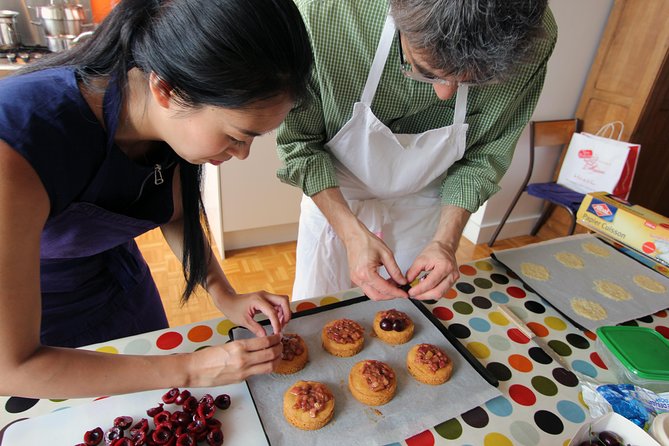
Warm up your oven in a real Paris kitchen. This Paris dessert and pastries small-group cooking class turns afternoon pastry time into hands-on baking: you’ll learn from a working chef, make 2–3 different desserts, and eat what you bake with coffee, tea, or hot cocoa.
I like that the focus stays practical—measuring, mixing, baking, and timing—with a chef who explains the why, not just the steps. I also love the souvenir factor: you leave with copies of the recipes plus new skills you can use again at home. One possible drawback to keep in mind is that this is an in-home setting for a limited group, so if you’re unlucky with the day’s flow or group balance, you might spend a bit more time watching than mixing.
In This Review
- Key Highlights You’ll Care About
- Paris Dessert Cooking Class in a Chef’s Apartment: What the 3-Hour Session Feels Like
- The menu changes, but the method stays the point
- Your Afternoon Flow: From Apron On to Oven Timer Off
- 1) Meet the chef, step into the kitchen, and get set up
- 2) Measure and mix with professional timing
- 3) Bake, watch, and learn what to watch for
- 4) Eat your desserts with warm drinks and chat food
- 5) Leave with recipe copies so your results last longer than vacation
- The Real Value: Why This Costs What It Costs
- What You’ll Actually Make: French Classics and Sweet Curveballs
- Lemon tarts and citrus desserts
- Molten chocolate lava cakes / molten chocolate-style bakes
- Madeleines, financiers, and other French “tea-time” wins
- Soufflé and fruit-forward desserts
- The Chef Experience: What Makes the Teaching Work
- Dietary Needs: Options Are Available, But Ask the Right Way
- Location and Timing: Central Apartment Meets Real Paris Transit
- Who This Class Is Best For
- The Small Trade-Offs to Consider Before Booking
- Should You Book This Paris Dessert and Pastries Class?
- FAQ
- What time does the class start?
- How long is the cooking class?
- How many desserts will I make?
- What’s the maximum group size?
- Are vegetarian or other dietary restrictions accommodated?
- Does the class cater to allergies?
- Do I get recipe copies to take home?
- Is coffee or tea included?
- Is there a minimum age?
Key Highlights You’ll Care About
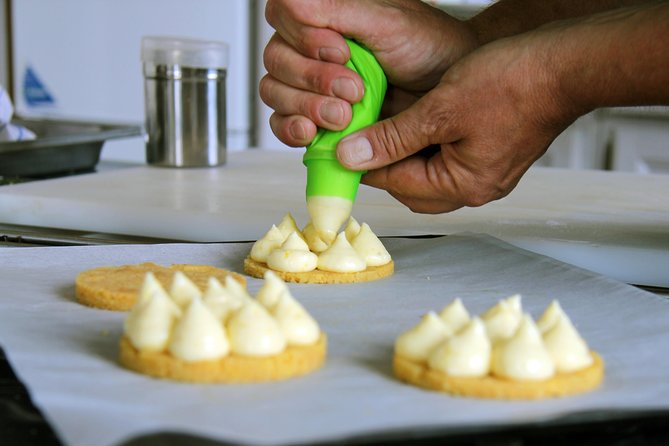
- Hands-on baking in a private apartment kitchen with a chef guide
- Choose 2–3 desserts (French classics often on the list)
- Maximum 8 people, which usually keeps things friendly and manageable
- A recipe booklet/copies included so you can recreate the results later
- Dietary needs can be accommodated (vegetarian, vegan, gluten-related, lactose-intolerant, etc.)
- You snack right there once the desserts are ready, paired with warm drinks
Paris Dessert Cooking Class in a Chef’s Apartment: What the 3-Hour Session Feels Like
This class is built for one thing: you learn French-style baking by doing it. At 3:00 pm you meet your host at their apartment kitchen, tie on an apron, and get to work in a real working setup rather than a classroom. The experience runs about 3 hours, and it ends back where you met—simple and efficient.
Because it happens in a home kitchen, the vibe is more personal than a big culinary studio. You’ll be close enough to ask questions mid-recipe, and the chef can spot small issues fast—like dough that looks too dry, butter temperature that’s off, or batter that’s been overmixed. That’s where the class earns its keep: it’s not just about tasting Paris desserts, it’s about learning how they behave.
Worth weighing up next to this Paris pick
- Paris Cooking Class and Lunch with Wine plus Market Visit Option
★ 5.0 · 1,024 reviews - Paris Croissant Small-Group Baking Class with a Chef
★ 5.0 · 910 reviews - Paris: French Croissant Baking Class with a Chef
★ 4.9 · 712 reviews - Paris Cooking Class: Learn How to Make Macarons
★ 5.0 · 634 reviews
The menu changes, but the method stays the point
The exact desserts vary by day, but you can expect a mix like lemon tarts, madeleines, mini molten chocolate lava cakes, mango soufflé, or other seasonal picks. You might also see combinations that go beyond straight French—sweet treats inspired by other places—so you’re not stuck only with one style.
And if you’re hoping for classics, several chef choices lean that direction. Think delicate citrus bakes (like lemon tarts and madeleines) and dramatic warm chocolate desserts (like lava cakes and molten chocolate styles).
Your Afternoon Flow: From Apron On to Oven Timer Off
Even though the experience doesn’t involve walking tours or multiple stops, it still has a clear rhythm. Here’s what the session typically looks like, and why each part matters.
1) Meet the chef, step into the kitchen, and get set up
You’ll start with introductions and a quick setup in the host’s apartment kitchen. Everyone ties on aprons, and the chef guides you on what tools and ingredients you’ll be using. The class includes utensils and ingredients, so you’re not paying extra or improvising with random kitchen gear.
This early stage is underrated. The chef can show you how they like to prep (bowls, measuring habits, and what to line up before you start). When you bake in a vacation mindset, skipping prep is what causes chaos. This class tries to prevent that.
2) Measure and mix with professional timing
Once you’re actually mixing, the chef’s role shifts to hands-on instruction. You can expect to measure, mix, boil, and bake under guidance. That sounds basic, but the professional angle is in the details: how you handle batter consistency, how long you cream butter and sugar, and when you stop mixing so the texture turns out right.
This is also where a small group matters. With up to 8 people, the chef can check on multiple stations without the whole room turning into a line.
3) Bake, watch, and learn what to watch for
Baking is half science and half observation. You’ll likely learn what cues to look for:
- A crust that should be set, not just browned
- Chocolate centers that should stay soft rather than firm
- Cakes and madeleines that depend on batter rest, heat, and timing
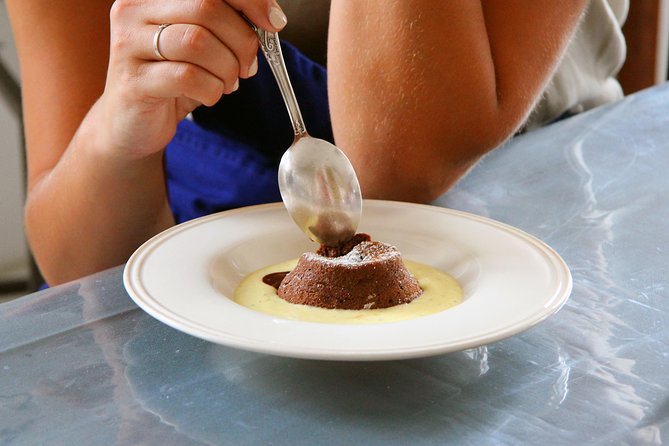
A few desserts are also “timing dramatic.” For molten-style cakes, you’re basically baking toward a moment. Get it wrong and you get something more like a regular cake. Nail it and you get that runny center people chase in Paris.
Worth weighing up next to this Paris pick


4) Eat your desserts with warm drinks and chat food
When the desserts come out, you sit and enjoy what you made. The experience includes coffee, tea, or hot cocoa with your desserts. That’s part of the point—this is not a drop-in demo where you take photos and leave.
Some guests have mentioned drink service being minimal on arrival, so the safest mindset is: expect warm drinks with the meal, but don’t assume it’ll be a full-on café service with champagne. If you’re the type who loves pairing desserts with wine, plan on that being outside the class unless your chef says otherwise.
5) Leave with recipe copies so your results last longer than vacation
At the end you should get recipe copies so you can recreate the desserts later. That matters because baking is full of tiny steps you forget after a week. Having the chef’s version written down turns your memory into a repeatable skill.
The Real Value: Why This Costs What It Costs
At about $195.84 per person for a roughly 3-hour class, this is not a budget activity. But it can still feel like good value—if what you want is hands-on baking and professional guidance, not just a sweet break.
Here’s how the value stacks up:
- You’re paying for instruction, not only ingredients. The chef’s feedback is the difference between a decent dessert and a dessert that looks like the photo.
- Ingredients and tools are included, so you’re not adding shopping costs on top.
- You make 2–3 desserts, which is more satisfying than a single-item class.
- The small group limit helps you actually participate, instead of standing far away for a show.
That said, the apartment size means participation can vary. A few people found the class not worth it when group dynamics leaned toward watching rather than doing. Your best bet is to go with the expectation that everyone will bake, but also to pick this class for the chef instruction, not only for “maximum labor per dollar.”
What You’ll Actually Make: French Classics and Sweet Curveballs
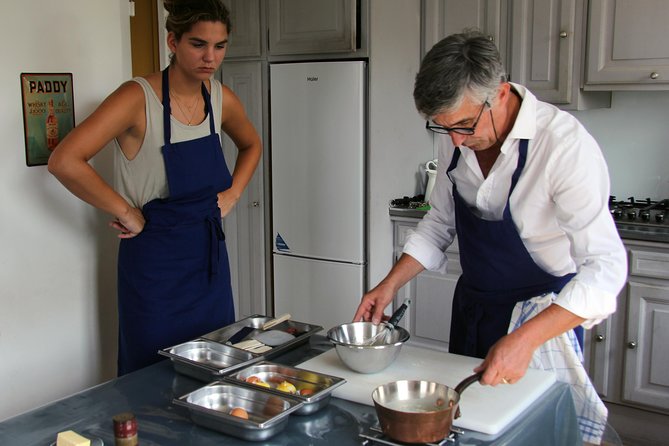
Even without a fixed menu, you can plan around the styles that show up again and again.
Lemon tarts and citrus desserts
Citrus desserts show up in different forms—like lemon tarts and madeleines. Citrus is a great choice for a class because it rewards precision. The filling sets, the crust behaves predictably, and the flavor stays bright when timing is right.
If you like desserts that feel lighter than chocolate (but still fancy), lemon-focused recipes are a strong bet.
Molten chocolate lava cakes / molten chocolate-style bakes
Molten chocolate desserts are popular because they’re dramatic and forgiving in the sense that they’re instantly rewarding. You get that contrast: crisp outside, soft interior.
They also teach you a key baking skill: heat control. You learn how ovens vary and how to aim for doneness instead of just baking a set time no matter what.
Madeleines, financiers, and other French “tea-time” wins
Some chefs select smaller French pastries like madeleines or similar bite-size bakes. Others may add items such as financiers.
These desserts are perfect for learning technique because they show structure fast. If the batter is right, you see it in the texture and rise.
Soufflé and fruit-forward desserts
A menu might include something like mango soufflé or fruit-forward choices such as a strawberry rhubarb tart (fruit sourced from a market was mentioned in at least one experience). Soufflé-style desserts can be more sensitive, which makes them extra educational when done with a chef’s guidance.
The Chef Experience: What Makes the Teaching Work
This class is chef-led, and the names you may meet can vary—examples from past experiences include Dominique, Frédéric, and Marthe. Even when the chef changes, the best part tends to be the teaching style: clear explanations, patience, and a focus on the results.
Here’s what good instruction usually looks like in this setup:
- You get told what matters most for texture and taste
- The chef corrects small mistakes early
- You learn shortcuts or hacks that make sense in home kitchens
- You can ask questions while you’re working, not after
If you’re a novice, the class is often friendly to beginners. If you’re more experienced, you’ll still appreciate technique notes—especially for heat timing and batter consistency.
Dietary Needs: Options Are Available, But Ask the Right Way
The class caters to a range of dietary restrictions, including vegetarian, vegan, glucose-free, and lactose-intolerant needs. You’re also told to note these in your special requirements field during booking.
If you have allergies, you should advise the organizers (food and animals). Also note that the activity is not recommended for people with sensitive airborne allergies. That last part matters because apartment kitchens can involve flour dust and other airborne baking particles.
If dietary needs are a dealbreaker, message ahead and be specific about what you need and why. Baking is full of hidden ingredients, so clear communication is your friend.
Location and Timing: Central Apartment Meets Real Paris Transit
You meet at a centrally located apartment and the meeting point is near public transportation. The start time is 3:00 pm, and you’re back at the same meeting point at the end.
One practical note: “central” in Paris can still mean a short ride depending on where you’re staying. If you’re planning your day around getting there smoothly, give yourself buffer time and confirm the directions once you have your details.
Who This Class Is Best For
This is a great fit if you want:
- A hands-on Paris food experience that goes beyond eating
- A small-group vibe where you can actually interact
- Practical baking skills and recipe copies for your next home bake
- Desserts that teach technique (citrus, chocolate timing, pastry textures)
It’s especially good for couples and families who want a shared activity. Minimum age is 6, so it can work for kids old enough to follow basic steps and handle mixing safely.
If you’re chasing a “performance” with lots of spectators, this may not be ideal. This class works best when you actually plan to participate.
The Small Trade-Offs to Consider Before Booking
No class is perfect, so here are the issues worth thinking about:
- Participation can vary when the group is near the maximum. Even with up to 8 people, kitchen space is tight. If you want to bake nonstop, consider joining with fewer people or confirming how hands-on the chef expects everyone to be.
- Drink service can be inconsistent by day/chef. The experience includes warm drinks with your desserts, but a few people expected more on arrival. Don’t rely on wine.
- You’re in an apartment kitchen. It can run warm in summer, and ventilation is whatever the space allows.
These are normal realities of in-home classes. They don’t ruin the experience, but they help you set the right expectations.
Should You Book This Paris Dessert and Pastries Class?
If you want a fun, practical French baking experience in a chef’s kitchen, I’d say yes—especially if you care about technique and want recipe copies to take home.
Book it if:
- You love desserts like lemon tarts, madeleines, and molten chocolate bakes
- You’re excited to measure, mix, and bake with real feedback
- You like the idea of a small-group class capped at 8 people
- You want dietary options and you plan to note your needs clearly
Skip it or look at alternatives if:
- You mainly want photos and light tasting, not actual baking time
- You expect a big multi-course meal or a full drink setup (this is dessert work, not a restaurant)
- You’re sensitive to airborne flour or kitchen allergens
Bottom line: this class shines when you treat it like a baking lesson. Bring curiosity, plan for a real kitchen experience, and you’ll leave with both sweet memories and skills you can use long after the oven cools.
FAQ
What time does the class start?
The class starts at 3:00 pm.
How long is the cooking class?
It lasts about 3 hours.
How many desserts will I make?
You’ll make 2–3 desserts during the session.
What’s the maximum group size?
The class is limited to a maximum of 8 travelers.
Are vegetarian or other dietary restrictions accommodated?
Yes. The class can accommodate vegetarian, vegan, glucose-free, and lactose-intolerant dietary restrictions. Add your needs in the special requirements field when booking.
Does the class cater to allergies?
You should advise the provider about any allergies (food, animals, etc.). Also note it’s not recommended for people with sensitive airborne allergies.
Do I get recipe copies to take home?
Yes. You receive copies of the recipes at the end.
Is coffee or tea included?
The experience includes coffee, tea, or hot cocoa served with your desserts.
Is there a minimum age?
The minimum age is 6 years old.
More Dessert Tours in Paris
- Paris: Day or Sunset Cruise with Drink, Ice Cream or Dessert
★ 4.4 · 4,225 reviews - Paris: Entrance Ticket to the Chocolate Museum
★ 4.1 · 1,105 reviews - Private Montmartre Food Tour with Wine, Cheese & Pastries
★ 5.0 · 1,027 reviews - Paris French Sweets Tasting Tour with Pastries and Chocolates
★ 4.5 · 947 reviews - Paris: Brussels and Bruges Tour & Optional Chocolate Tasting
★ 4.6 · 643 reviews
More Cooking Classes in Paris
- Paris Cooking Class and Lunch with Wine plus Market Visit Option
★ 5.0 · 1,024 reviews - Paris Croissant Small-Group Baking Class with a Chef
★ 5.0 · 910 reviews - Paris: French Croissant Baking Class with a Chef
★ 4.9 · 712 reviews - Paris Cooking Class: Learn How to Make Macarons
★ 5.0 · 634 reviews - Paris Evening Cooking Class French Dinner and Market Visit Option
★ 5.0 · 430 reviews
More Tour Reviews in Paris
- Paris: 1-Hour Seine Cruise departing from the Eiffel Tower
★ 4.4 · 77,472 reviews - Paris: Louvre Museum Timed-Entrance Ticket
★ 4.6 · 71,977 reviews - Disneyland® Paris 1-Day Ticket
★ 4.6 · 49,412 reviews - Paris: Versailles Palace and Gardens Full Access Ticket
★ 4.6 · 41,579 reviews - Paris: Arc de Triomphe Rooftop Tickets
★ 4.6 · 34,264 reviews
Fresh off the review desk in Paris
- Secrets of Paris Bike Tour in English or Dutch★ 5.0 · 5 reviews
- Paris: Mont Saint-Michel Day Tour with Chinese Tour Guide★ 5.0 · 5 reviews
- Private Street Art 2-Hour Guided Tour in Paris★ 4.5 · 5 reviews
- Orsay Museum Tour: 2h Highlights (Private & Small Group)★ 5.0 · 5 reviews
- Discover Paris in electric golf carts★ 4.0 · 5 reviews
- Paris Private Boat Tour with your own Captain Guide★ 5.0 · 5 reviews
Cooking Classes, compared.
 ★ 5.0Paris Cooking Class and Lunch with Wine plus Market Visit OptionFrom $2401,024 reviews
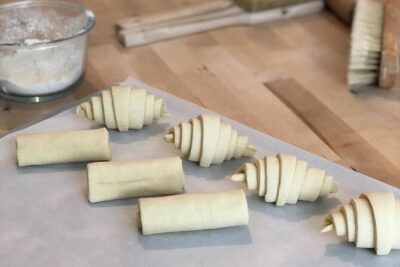 ★ 5.0Paris Croissant Small-Group Baking Class with a ChefFrom $157910 reviews
 ★ 4.9French Croissant Baking Class with a ChefFrom $159712 reviews
 ★ 5.0Paris Cooking Class: Learn How to Make MacaronsFrom $156634 reviews
 ★ 5.0Paris Evening Cooking Class French Dinner and Market Visit OptionFrom $252430 reviews
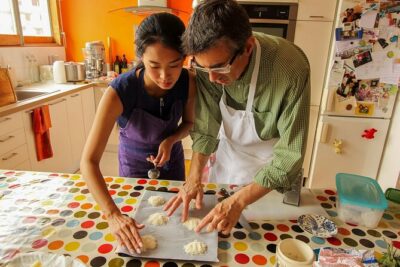 ★ 4.5Paris French Cuisine Small Group Cooking Class with LunchFrom $217418 reviews
 ★ 5.0Paris Macarons Small-Group Baking Class with a ChefFrom $157316 reviews
 ★ 4.7Macaron Baking Class for Families and KidsFrom $112270 reviews
Browse the lists this tour appears in