
Reviewed · MONTMARTRE TOURS
Paris: Montmartre hidden gems walking Tour with Local Guide
Montmartre can feel like Paris in miniature: steep streets, big art names, and views that stop you mid-step. This 140-minute small-group walk focuses on how the neighborhood went from agricultural village life to the artist magnet everyone photographs today. I like that it’s guided, not just a self-guided checklist, so the streets make sense as you move.
Two things I really love here. First, you start at Sacré-Cœur and get the meaning behind the basilica, including the famous Sacred Heart mosaic (the one promoted as the largest in the world). Second, the walk ties landmarks like Place du Tertre, Moulin de la Galette, and Picasso’s area together with the people who shaped the vibe—artists, musicians, and revolutionaries.
One possible drawback: at 140 minutes, you will hit the highlights and the stories that connect them, not every single corner of Montmartre. If you’re chasing an ultra-long list of stops, you might wish you had more time on the ground.
In This Review
- Key things to know before you go
- Why Montmartre’s streets feel different from the rest of Paris
- Starting at Sacré-Cœur: where your Montmartre story begins
- Place du Tertre and the artists’ village vibe you can actually feel
- Moulin de la Galette and the 1920s mood shift on foot
- Picasso’s Montmartre: studio stories and the Pink House area
- The panoramic view stop: city of lights overhead
- How the district changed over time (and why it matters today)
- Pace, walking comfort, and who this suits best
- Guides make the difference: what the feedback consistently points to
- Should you book this Montmartre walking tour?
- FAQ
- How long is the Montmartre walking tour?
- Where does the tour start?
- What’s the meeting point location?
- What language is the guide?
- How big is the group?
- Is this tour suitable for kids?
- Is free cancellation available?
Key things to know before you go
- Small group (max 16): easier conversation and less standing in crowds.
- Sacré-Cœur first: you get the history and symbolism before the streets get busy.
- Art-and-era storytelling: Picasso, plus the broader artist circle and how the neighborhood changed.
- Real photo help: guides in recent feedback often take group pictures and keep the pace friendly.
- Steep, cobblestoned walking: expect uphill moments, with frequent stops to catch your breath.
- Kid-friendly approach: the tour is adapted for children, not just adults on vacation.
Why Montmartre’s streets feel different from the rest of Paris
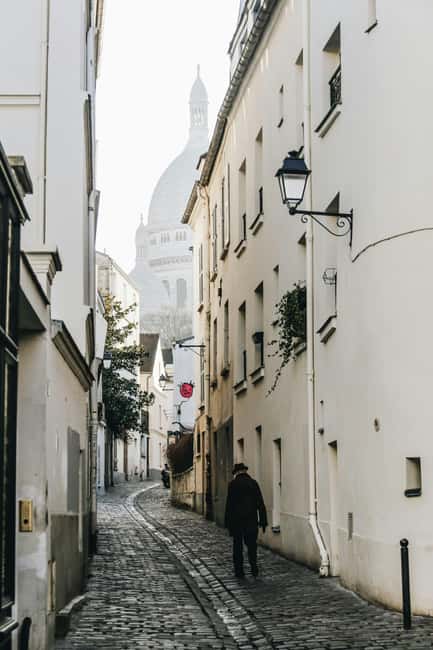
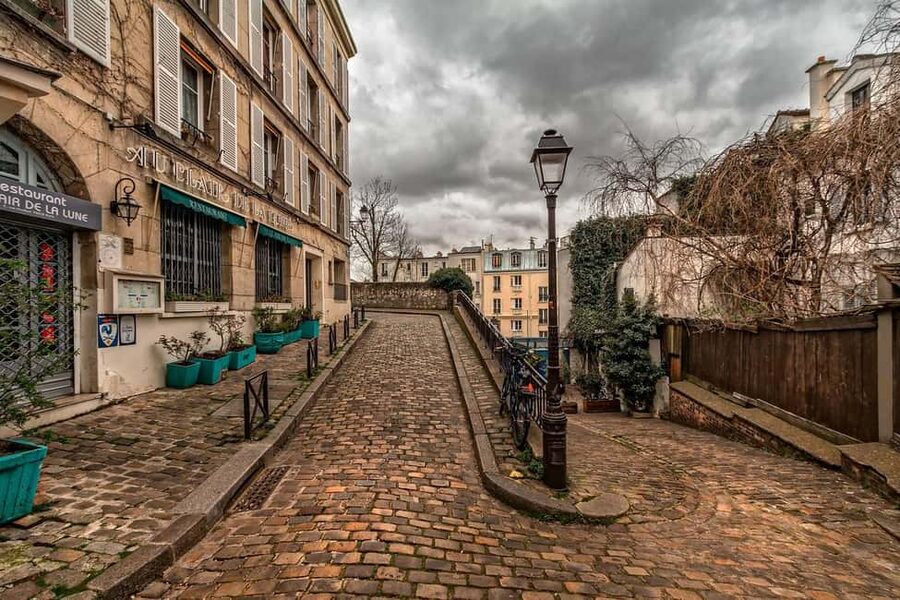
Montmartre is built for wandering, but it’s also built for getting lost. That’s why a good guide matters. With the right story thread, the winding streets stop feeling random and start feeling purposeful.
This tour leans into that. You’ll walk through the artists’ village side of Montmartre, passing the places most visitors recognize, but you’ll also hear how those places fit into a bigger shift—from mills and farm life to the bohemian hangout people still associate with Paris.
You’ll also get a clear sense of tone: Montmartre isn’t just pretty streets; it’s a district that used to rewrite its own identity again and again. The tour frames it as a time machine, moving you toward the 1920s feel while you’re still on cobblestones.
Keep climbing: more of the Montmartre hill
- Montmartre Hidden Gems and Scenic Highlights Walking Tour
★ 5.0 · 2,684 reviews - Montmartre Hill French Gourmet Food and Wine Tasting Walking Tour
★ 5.0 · 2,588 reviews - Paris: Montmartre Highlights Walking Tour with a Local Guide
★ 4.9 · 2,318 reviews - Paris: Montmartre Cheese, Wine & Pastry Guided Walking Tour
★ 4.8 · 2,255 reviews
Starting at Sacré-Cœur: where your Montmartre story begins
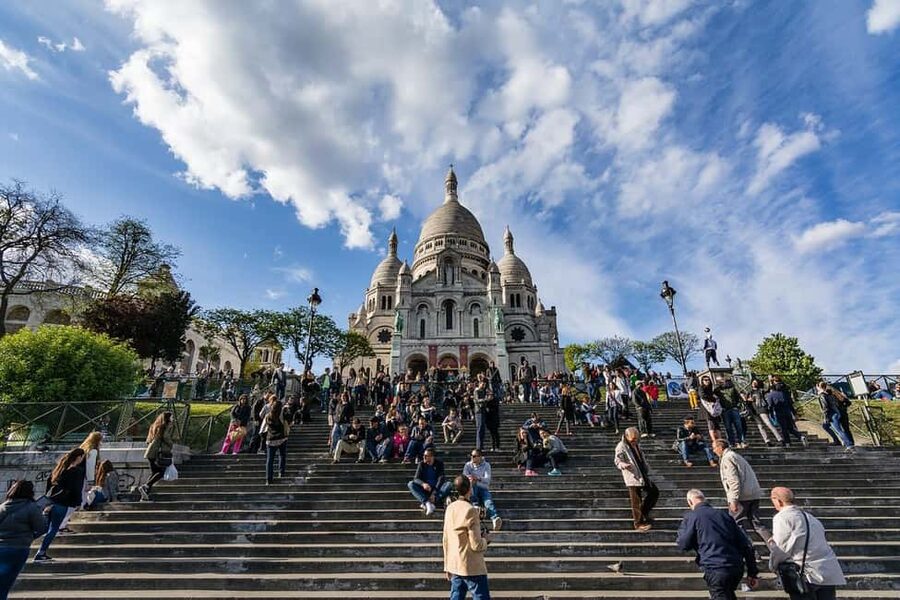
You meet at Sacré-Cœur on La Place Saint Pierre, with the guide identified by a name tag near the carousel at the Paris Tours Experiences meeting area. From there, the tour starts with the basilica itself, not as a quick photo stop, but as the opening scene.
Sacré-Cœur is more than a white church on a hill. The guide explains the Sacred Heart of Jesus, and how the devotion connects to figures like the Virgin Mary, Joan of Arc, and the Archangel Saint-Michel. If you’ve ever wondered why certain church symbols feel so specific in France, this is where it starts clicking.
Then there’s the big visual feature: the Sacred Heart mosaic described as the largest mosaic in the world. Even if you’re not a “look at mosaics” person, it’s hard not to slow down here. The point isn’t just beauty; it’s context for why Montmartre became a destination in the first place.
Practical note: because you begin here, your legs will get a head start on the hill. Recent feedback also mentions uphill stretches on cobblestone, but guides regularly pause often enough that it feels manageable.
Place du Tertre and the artists’ village vibe you can actually feel
After Sacré-Cœur, the tour flows into Montmartre Village, moving from the basilica’s grandeur into the narrow, creative streets people associate with bohemia. A key stop is Place du Tertre, the open square where you’ll see the classic artist-card energy of the neighborhood.
What you gain with a guide is not just recognition. You’ll learn what made the district attractive to artists in the first place, and how the social scene developed over time. That means Place du Tertre becomes more than a busy square—it becomes a living reminder of how artistic communities cluster and trade ideas.
This section also includes the behind-the-scenes texture of Montmartre: small alleys, cabarets, and those winding lanes that seem to curve away just when you think you’re going in a straight line. You’re not stuck in one place; you’re learning the neighborhood’s layout by walking it.
If your group likes photos, you’ll probably appreciate the pace. People in recent feedback specifically mentioned guides taking pictures and keeping things light, which helps when everyone wants a shot but not everyone wants a long wait.
Moulin de la Galette and the 1920s mood shift on foot
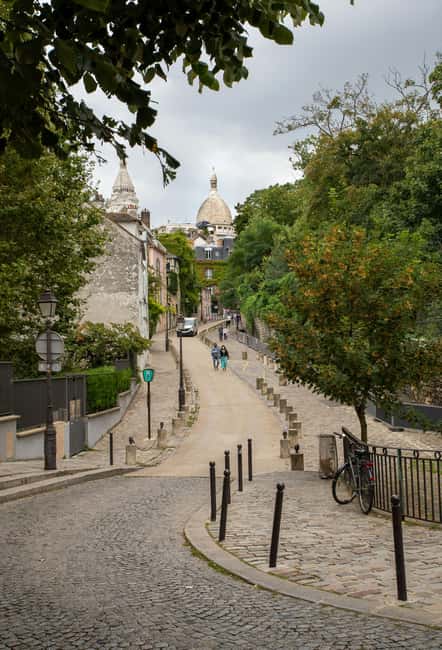
One of the most memorable parts of Montmartre is how quickly it can feel cinematic. The tour explicitly leans into the idea of traveling back to the 1920s as you move along those winding streets.
You’ll pass by Moulin de la Galette, a landmark that instantly signals Montmartre’s famous mill-and-music past. The guide connects that point to the wider transformation: this neighborhood wasn’t always the arty postcard. It started as an agricultural village known for mills, and later shifted into a trendy area where artists flocked.
That transformation is the real value here. You’ll hear how the district changed because of its reputation, its community, and its creative energy—so the landmarks feel like evidence instead of decorations.
And the tour doesn’t only talk about painters. It also brings in musicians and local culture. One review notes a guide even shared music recordings, which is a great example of how this walk keeps history from turning into a lecture.
Picasso’s Montmartre: studio stories and the Pink House area
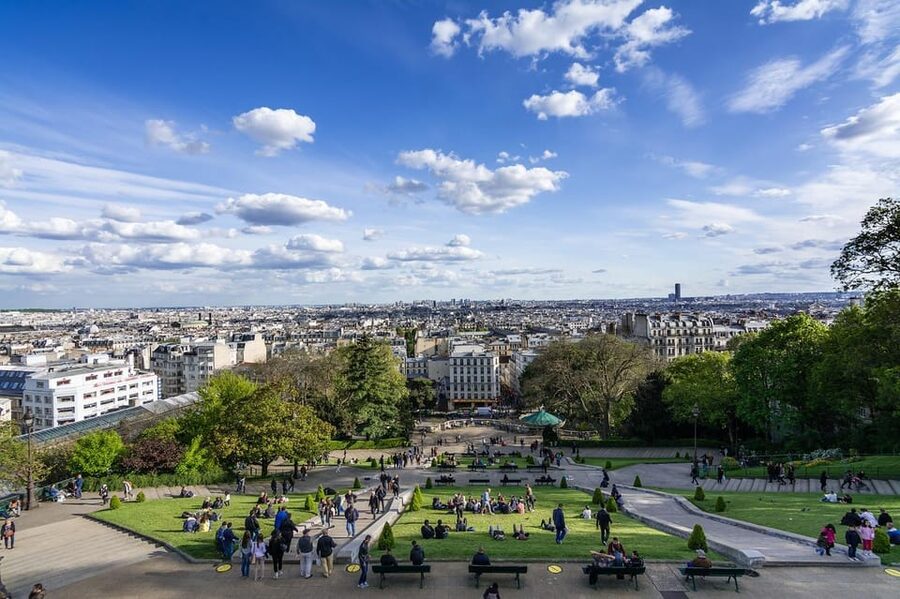
Montmartre is practically required reading if you care about modern art. This tour makes that easier by focusing on Picasso and the nearby artistic ecosystem.
You’ll see the route connected to Picasso’s studio area, and you’ll hear stories about his life and what Montmartre meant for artists like him. The point isn’t to turn Picasso into a name-drop. It’s to show why he could thrive there—creative networks, a district that welcomed self-expression, and a geography full of small, walkable spaces.
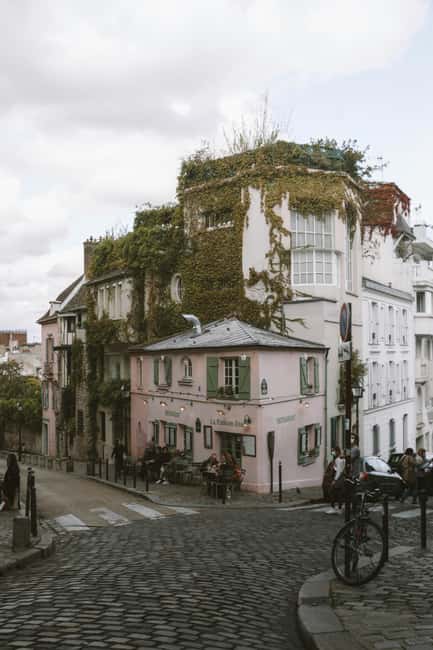
You’ll also pass the Pink House and nearby features like vineyards (yes, vineyards). That combination matters. Vineyards, alleyways, and a recognizable studio area all help you understand Montmartre’s mix of appearances: it looks like the past, but people living there in later eras kept reshaping it.
As you walk, the tour paints a picture of the larger circle too—artists such as Van Gogh and Salvador Dali, plus figures like Dalida and Charles Aznavour. You’ll also hear about other famous people tied to the district’s history, including revolutionaries who played roles in Paris’s broader story.
The panoramic view stop: city of lights overhead
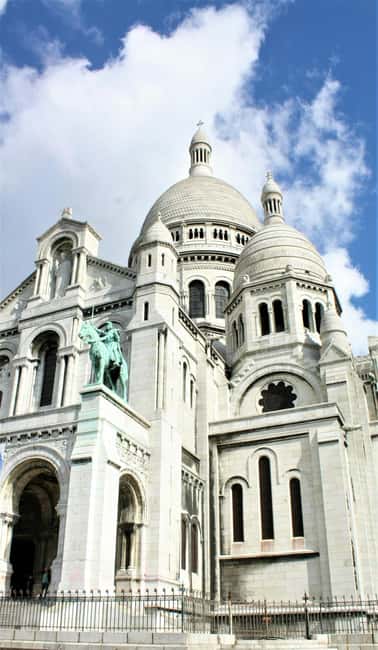
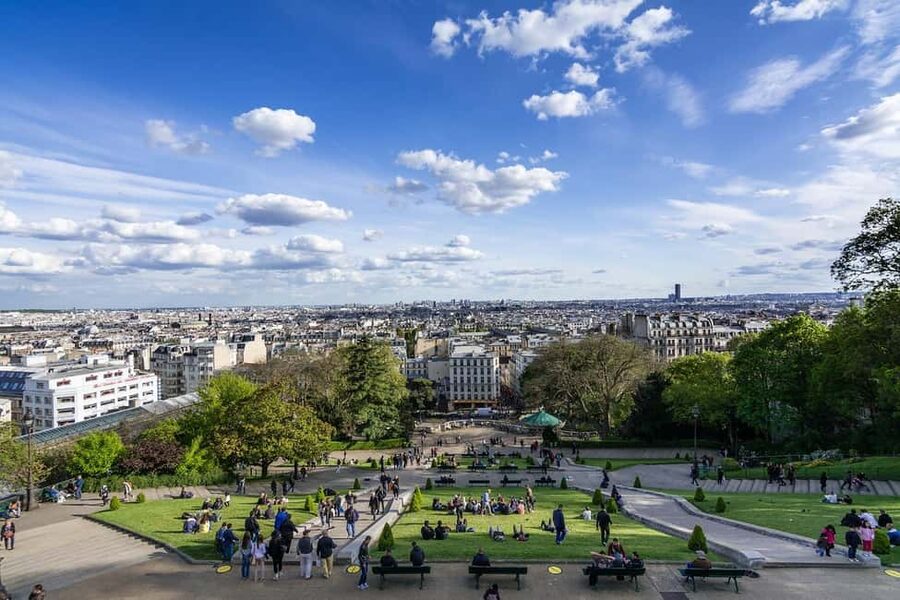
Montmartre’s biggest marketing is also its best perk: the view. The tour includes a panoramic viewpoint from the highest hill in the city, where you can look out over the “city of lights” feel.
This is where you take a breath and let the walking make sense. Once you can see Paris laid out, those winding streets feel less like random shortcuts and more like a deliberate climb toward perspective.
If you’re traveling with kids, this part can be a win. A kid-friendly tour adaption is specifically mentioned, and a viewpoint gives everyone a common moment: no one has to decipher text or art terms to enjoy the payoff.
Worth weighing up next to this Paris pick




How the district changed over time (and why it matters today)
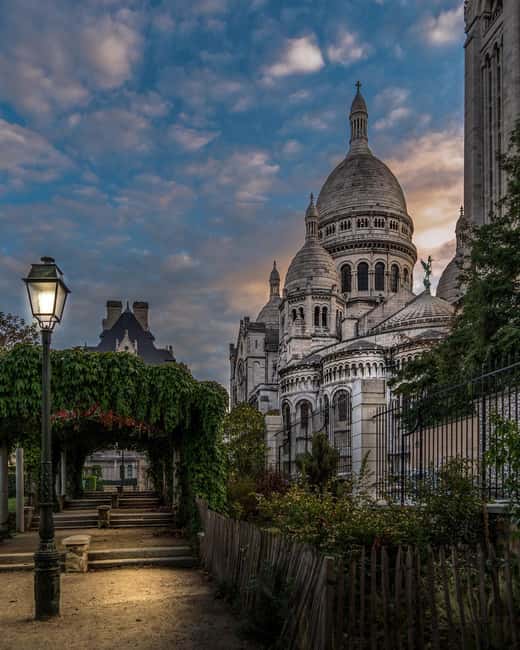
The heart of this experience is the story of change. You’ll hear how Montmartre shifted from an agricultural village known for mills into a neighborhood artists wanted to claim.
Why does that matter for your trip? Because Paris has many “famous” neighborhoods, but not all of them explain their own evolution well on foot. Here, the guide keeps linking the physical landmarks to the social reason they became famous.
That’s also why the tour works for different interests:
- If you like art, Picasso and the artist network help you place the district in the bigger art timeline.
- If you like politics and revolution, the tour mentions revolutionaries connected to the area’s history.
- If you like music, you get additional flavor beyond visual arts.
- If you like street-level storytelling, the emphasis on alleys, cabarets, and small lanes keeps it human-sized.
And the best guides here seem to manage the balance. Several feedback notes mention guides keeping things energetic and not turning the walk into heavy reading. One comment even highlights that the guide judged the audience and adjusted input, which is exactly what you hope for when your group includes adults and kids.
Pace, walking comfort, and who this suits best
This is a walking tour, and Montmartre is not flat. Expect uphill moments, cobblestoned streets, and the usual Paris stop-and-go. The good news: recent feedback includes specific praise for guides stopping often enough that it feels easier than it sounds.
The time is also realistic. At 140 minutes, you’re not rushed through everything in a way that erases the story. You’re also not trapped for hours, which helps if you want to pair this with other Paris highlights later the same day.
Group size is a big plus. The tour runs in small groups of up to 16 people, which tends to make questions easier. A couple of reviews specifically mention guides answering questions and being approachable, and that aligns with what you’ll want when your brain is busy taking in names, symbols, and street turns.
This tour is a good fit if:
- You want art history with movement (not a museum-only day).
- You prefer a guide who tells stories, not just facts.
- You want Montmartre explained for both adults and kids.
If you hate stairs and slopes, this might feel like a workout. If you want Montmartre in a super relaxed, minimal-walking format, you might consider a different style of tour.
Guides make the difference: what the feedback consistently points to
Across recent feedback, the most praised aspect is storytelling power tied to art and Paris context. Names that come up often include Yazid/Yadiz, Sylvia, Zoe, and Marcela.
What matters is the pattern: guides are described as enthusiastic, engaging, and able to keep the tour “light and fun” while still delivering real content. One review also mentions excellent communication when someone was late due to a delayed train, which is reassuring if your day includes transit stress.
There’s also a practical charm to how some guides run photo moments. If you’re tired of chasing selfies between crowds, having someone take group pictures while you’re walking feels like a small luxury.
Should you book this Montmartre walking tour?
I’d book it if you want Montmartre to make sense fast. The combo of Sacré-Cœur first, the Place du Tertre village section, Moulin de la Galette, and Picasso-related stops gives you a strong backbone. Then the guide’s focus on how the neighborhood transformed from mills and farms into an artist magnet is what turns those landmarks into a story you can remember.
Skip it only if you’re expecting an all-day, every-street version of Montmartre. This is a focused walk. You’ll cover the big, meaningful pieces in a small-group setting, but you won’t try to conquer every step of the hill.
FAQ
How long is the Montmartre walking tour?
The tour lasts 140 minutes.
Where does the tour start?
You start at Sacré-Cœur on La Place Saint Pierre. You should look for the Paris Tours Experiences guide near the carrousel.
What’s the meeting point location?
The coordinates provided are 48.88438415527344, 2.3435277938842773.
What language is the guide?
The tour is offered with a live guide in English.
How big is the group?
It’s a small group with a maximum of 16 people.
Is this tour suitable for kids?
Yes. The walking tour is adapted for kids.
Is free cancellation available?
Yes. You can cancel up to 24 hours in advance for a full refund.
More Tours in Paris
- Paris: Louvre Guided Tour with Reserved Access & Boat Cruise
★ 4.3 · 16,353 reviews - Paris: Big Bus Hop-On Hop-Off Tour with Optional Cruise
★ 4.4 · 13,279 reviews - Louvre Museum Masterpieces Guided Tour with Access
★ 4.5 · 12,023 reviews - Versailles: Skip-the-Line Tour of Palace and Gardens Access
★ 4.7 · 10,429 reviews - Paris: Louvre Overview, Exploration tour and Reserved Entry
★ 4.1 · 10,145 reviews
More Tour Reviews in Paris
- Paris: 1-Hour Seine Cruise departing from the Eiffel Tower
★ 4.4 · 77,472 reviews - Paris: Louvre Museum Timed-Entrance Ticket
★ 4.6 · 71,977 reviews - Disneyland® Paris 1-Day Ticket
★ 4.6 · 49,412 reviews - Paris: Versailles Palace and Gardens Full Access Ticket
★ 4.6 · 41,579 reviews - Paris: Arc de Triomphe Rooftop Tickets
★ 4.6 · 34,264 reviews
More of the Montmartre Hill
- Montmartre Hidden Gems and Scenic Highlights Walking Tour
★ 5.0 · 2,684 reviews - Montmartre Hill French Gourmet Food and Wine Tasting Walking Tour
★ 5.0 · 2,588 reviews - Paris: Montmartre Highlights Walking Tour with a Local Guide
★ 4.9 · 2,318 reviews - Paris: Montmartre Cheese, Wine & Pastry Guided Walking Tour
★ 4.8 · 2,255 reviews - The Secrets of Montmartre Walking Tour
★ 4.8 · 1,258 reviews
Fresh off the review desk in Paris
- Secrets of Paris Bike Tour in English or Dutch★ 5.0 · 5 reviews
- Paris: Mont Saint-Michel Day Tour with Chinese Tour Guide★ 5.0 · 5 reviews
- Private Street Art 2-Hour Guided Tour in Paris★ 4.5 · 5 reviews
- Orsay Museum Tour: 2h Highlights (Private & Small Group)★ 5.0 · 5 reviews
- Discover Paris in electric golf carts★ 4.0 · 5 reviews
- Paris Private Boat Tour with your own Captain Guide★ 5.0 · 5 reviews
Montmartre Tours, compared.
 ★ 5.0Montmartre Hidden Gems and Scenic Highlights Walking TourFrom $382,684 reviews
 ★ 5.0Montmartre Hill French Gourmet Food and Wine Tasting Walking TourFrom $1452,588 reviews
 ★ 4.9Montmartre Highlights Walking Tour with a Local GuideFrom $232,318 reviews
 ★ 4.8Montmartre Cheese, Wine & Pastry Guided Walking TourFrom $1272,255 reviews
The Secrets of Montmartre Walking TourFrom $331,258 reviews
★ 4.8Montmartre Cheese, Wine & Pastry Guided Walking TourFrom $1272,255 reviews
The Secrets of Montmartre Walking TourFrom $331,258 reviews
 ★ 4.1Sacré-Coeur and Montmartre Tour with Expert GuideFrom $281,027 reviews
 ★ 5.0Private Montmartre Food Tour with Wine, Cheese & PastriesFrom $3021,027 reviews
 ★ 5.0Paris Montmartre Food Tour – A Full French Meal by Do Eat BetterFrom $95877 reviews
Browse the lists this tour appears in