
Reviewed · MONTMARTRE TOURS
Paris – Montmartre Small Group Walking Tour with a True Local
Montmartre changes when you walk it with a local. This small-group tour led by Corentin focuses on the neighborhood’s real art scene and the stories you won’t get from a quick pass-through. You’ll hit the famous names and then get pointed toward quieter corners with the kind of context that makes everything click.
I like the small group size (max 6), because it stays easy to ask questions without the tour turning into a race. I also love how Corentin, who was born and raised in Montmartre, connects sights like Moulin Rouge and the nearby art landmarks to what was happening in Paris at the time.
One consideration: this is a hillside walk, so it’s for people with moderate physical fitness and it’s not recommended for older travelers or anyone with mobility limitations. Also, building access isn’t included, and Moulin Rouge has a stop where admission is not included.
In This Review
- Key takeaways
- Entering Montmartre with Corentin’s street-level perspective
- Value for $80: what you’re really paying for
- Walking route highlights: from Belle Époque glitz to artist corners
- Stop 1: Moulin Rouge, and why it matters beyond the photos
- The Café des Deux Moulins pass: Amélie’s Montmartre moment
- Stop 2: Vincent and Théo van Gogh’s apartment reference
- Stop 3: Le Moulin de la Galette and Renoir’s connection
- Stop 4: Le Bateau-Lavoir and the early modern art scene
- Stop 5: Le Passe-Muraille, art turned into literature
- Stop 6: Vigne du Clos Montmartre, a vineyard inside the city
- Stop 7: Au Lapin Agile, Montmartre’s oldest cabaret vibe
- Sacré-Cœur and Place du Tertre: viewpoints and the working art street
- Stop 8: Basilique du Sacré-Cœur and the hill views
- Stop 9: Place du Tertre, ending where artists work
- Pace, group size, and who this tour fits best
- Practical tips so you enjoy every stop
- The one thing that can affect your experience
- Should you book this Montmartre tour?
- FAQ
- How long is the Montmartre small group walking tour?
- What is the group size limit?
- Where do I meet the guide, and where does the tour end?
- What’s included in the price?
- Is admission included for the Moulin Rouge stop?
- Are building entrances included for sights like the basilica?
- Is this tour suitable for seniors or people with mobility issues?
- Is cancellation free?
Key takeaways

- Max 6 people: you get a real conversation, not a lecture line.
- Corentin is a Montmartre native: his stories are personal, not just historical facts.
- A smart mix of famous and overlooked stops: art, cabarets, statues, and viewpoints.
- Comfortable pacing with pauses: you’ll have time for photos and for catching your breath.
- Mostly outside viewing: many stops are listed free, but you should plan around building access not being included.
Entering Montmartre with Corentin’s street-level perspective
If you’ve only seen Montmartre from postcards, you may be surprised by how many layers it has. This tour is built around the idea that Montmartre is not one single “attraction,” but a neighborhood where art, nightlife, and everyday street life have been tangled together for well over a century. Corentin’s approach is that you walk, you look closely, and you learn what to notice—window details, street corners, the reasons certain spots became famous, and the rumors that somehow became part of the place.
What makes the experience feel different is the combination of structure and flexibility. The route has clear landmarks, but it still leaves room for questions. You can ask for more context on artists, the cabaret era, or how these places fit into Paris culture. In the small group setting, those answers don’t feel generic.
Keep climbing: more of the Montmartre hill
- Montmartre Hidden Gems and Scenic Highlights Walking Tour
★ 5.0 · 2,684 reviews - Montmartre Hill French Gourmet Food and Wine Tasting Walking Tour
★ 5.0 · 2,588 reviews - Paris: Montmartre Highlights Walking Tour with a Local Guide
★ 4.9 · 2,318 reviews - Paris: Montmartre Cheese, Wine & Pastry Guided Walking Tour
★ 4.8 · 2,255 reviews
Value for $80: what you’re really paying for
At $80 for about 1 hour 45 minutes, you’re not paying to check boxes—you’re paying for guided time with a local expert who can point out what matters. The price makes sense when you consider two things:
- You get a guide who lives in the neighborhood and can translate the “famous names” into street-level meaning.
- You’re getting a route that strings together art history, nightlife history, and Montmartre’s more subtle landmarks in one outing.
Where you should stay realistic: this is primarily a walking tour with outside stops. The tour includes a passionate native guide, but it does not include access to buildings, and one key stop notes that Moulin Rouge admission is not included. If your plan is to enter multiple paid sites, you’ll likely need to budget extra.
If you want the feeling of Montmartre with less confusion and more context, this is one of the more cost-effective ways to do it in a short amount of time.
Walking route highlights: from Belle Époque glitz to artist corners
Stop 1: Moulin Rouge, and why it matters beyond the photos
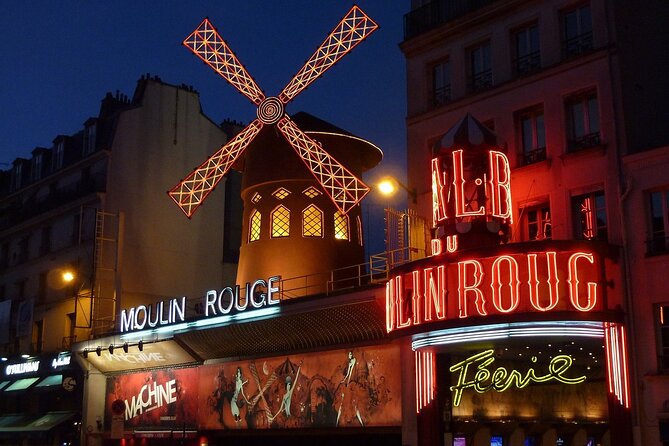
The tour starts with Moulin Rouge, the iconic cabaret that became almost synonymous with Paris nightlife. Even if you’ve seen it from afar, Corentin’s angle makes it more than a photo stop. You’ll learn how Moulin Rouge became a symbol of the Belle Époque atmosphere—when cabarets, music halls, and the performing arts shaped what visitors and locals thought of as modern Paris.
You’ll spend around 10 minutes here. The listing notes admission is not included, so treat this as a viewing and history moment unless you choose to buy tickets on your own.
The Café des Deux Moulins pass: Amélie’s Montmartre moment
Next, you’ll pass Café des Deux Moulins, made widely known through the film Amélie. This stop is short, but it works because Corentin uses it to connect pop culture to place. You’ll see why cafés like this became anchors for Montmartre’s social life—and how that cinematic attention changed the way people imagine the neighborhood.
If you’re a film fan, this quick moment feels like a wink. If you’re not, it still gives you an easy way to orient yourself in the real Montmartre street texture.
Stop 2: Vincent and Théo van Gogh’s apartment reference
Then you’ll move into the art side of Montmartre with the Appartement des frères Vincent et Théo van Gogh stop. You’ll get context on Vincent van Gogh’s time in Paris and how that period influenced his artistic path. The added layer here is that you’re not just hearing about one famous artist—you’re looking at Montmartre as part of the bigger Paris art story, where ideas traveled and styles changed.
This stop is listed as free and takes about 10 minutes. Since building access isn’t part of the tour, it’s best thought of as a guided look at the significance of the location rather than an inside visit.
Worth weighing up next to this Paris pick




Stop 3: Le Moulin de la Galette and Renoir’s connection
Le Moulin de la Galette is next, and it’s one of those places where the art history feels personal. Corentin explains the history of the mill and why it became so meaningful to painters. You’ll also hear how Renoir’s Le Bal du Moulin de la Galette ties the site to the Paris art scene.
This stop is also listed as free and lasts about 10 minutes. Again, you’ll focus on viewing and understanding. The payoff is that by the time you see the next spots, you’ll have a clearer map in your head of where art ideas were “happening” in the neighborhood.
Stop 4: Le Bateau-Lavoir and the early modern art scene
Le Bateau-Lavoir comes next, and it’s a big one for anyone who cares about modern art’s early days. Corentin describes it as a historic hub where artists like Picasso lived and worked in the early 20th century. Even though you’re not going inside, hearing this story makes the streets feel like they have memory.
This is listed free and short—around 10 minutes. Don’t treat it as a quick photo sprint. Pay attention to what your guide tells you about why such spaces mattered when artists needed affordable rooms and creative communities.
Stop 5: Le Passe-Muraille, art turned into literature
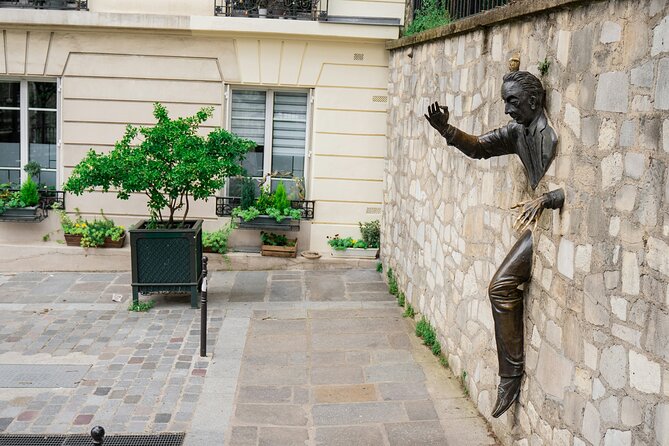
The Passe-Muraille statue stop is only about 5 minutes, but it’s memorable because it’s a different kind of Montmartre reference. You’ll hear how the statue relates to Marcel Aymé’s character—where art becomes literature and then becomes a visible part of the city. It’s the sort of stop that makes you look up and notice sculpture details you might miss on your own.
This stop is listed free, and it’s a nice reset between bigger art landmarks.
Stop 6: Vigne du Clos Montmartre, a vineyard inside the city
Then comes something surprising: the Vigne du Clos de Montmartre. You get the story behind the vineyard tucked into an urban setting and what it means for French wine culture—plus how Montmartre has always had a relationship with growing grapes, even as it became a famous city destination.
This takes about 5 minutes and is listed free. It’s short, but it adds a welcome contrast. Montmartre isn’t only cabarets and painters; it’s also tied to agriculture and seasonal life.
Stop 7: Au Lapin Agile, Montmartre’s oldest cabaret vibe
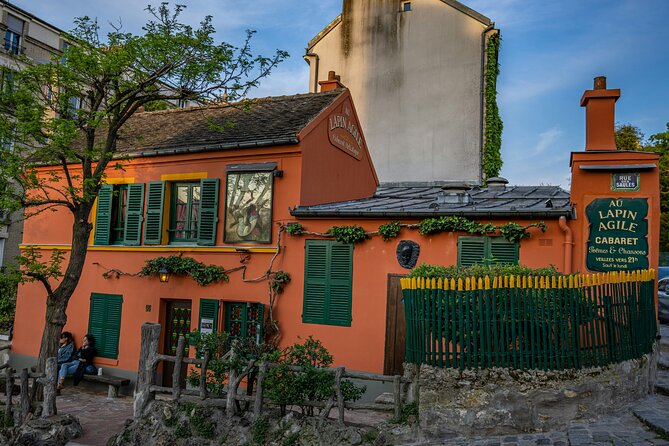
Au Lapin Agile is the next stop, and it brings the tour back to nightlife. Corentin frames it as Montmartre’s oldest cabaret, with amusing stories attached to its long artistic and performance tradition. If you enjoy listening more than reading, this is the kind of stop that sticks.
It’s short—about 5 minutes—and listed as free. Still, it helps you feel the neighborhood’s energy as more than “historical.” It’s lived-in culture.
Sacré-Cœur and Place du Tertre: viewpoints and the working art street
Stop 8: Basilique du Sacré-Cœur and the hill views
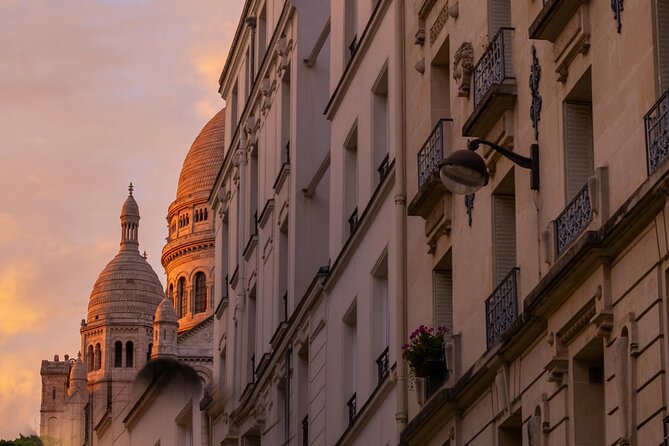
The tour’s big finale-in-motion is the Basilique du Sacré-Cœur area. Corentin shares architectural and spiritual context, and you’ll also get the reason this spot is so loved: the views over Paris from the hill. The itinerary notes panoramic views from the top, but the overall tour info states building access isn’t included. In practice, this means you should plan around seeing what you can from the areas the tour stops at, and if you want any specific paid access, you’ll need to handle that separately.
This stop is listed free and takes about 10 minutes, which is enough time to orient yourself and get a couple good shots.
Stop 9: Place du Tertre, ending where artists work
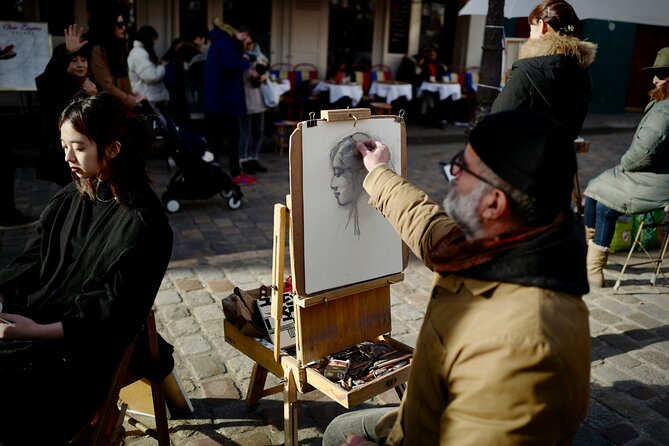
You’ll finish at Place du Tertre, one of Montmartre’s most picturesque squares, where artists display their work. This last stop is about atmosphere. You get to see the continuing artistic community that makes Montmartre feel like more than a museum.
It’s listed free and short—about 5 minutes. The pacing matters here. You end with energy, not exhaustion, which makes it easier to continue exploring on your own afterward.
Pace, group size, and who this tour fits best
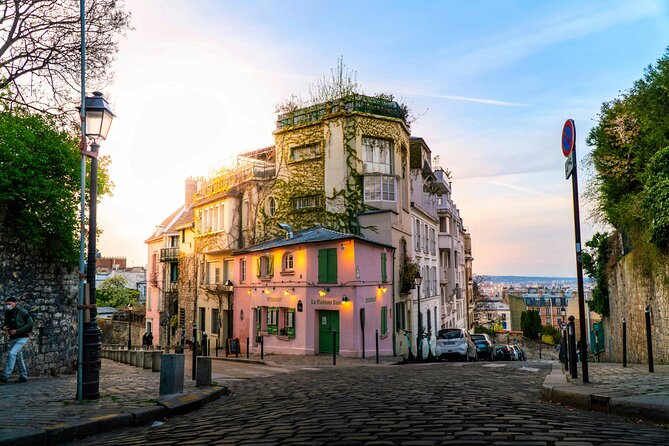
This walk is designed to be manageable for most people with moderate fitness. You should expect uphill sections and old-street unevenness. The tour is not recommended for older travelers or anyone with mobility limitations, and that’s exactly the kind of thing you can’t safely ignore in Montmartre.
Because the group maxes at 6, the pace is easier to follow. It also keeps the experience personal. Multiple people have described the tour as easy to follow because it doesn’t get swallowed by crowds and noisy traffic. You also get help with timing for photos, which matters a lot when you’re moving in and out of viewpoints.
This is a good fit for:
- First-timers in Paris who want a guided “orientation” to Montmartre
- Art and culture lovers who like context tied to locations
- Families with older kids who enjoy stories and walking (the tour has worked well with teens and young kids in past experiences)
- Anyone who wants a local storyteller rather than a script
It’s less ideal for:
- People who want lots of inside visits and paid museum-style access
- Anyone who struggles with stairs and steep paths
Practical tips so you enjoy every stop
A few things I’d do to get the most out of this route:
- Wear walking shoes with grip. Montmartre streets can be rough and steep.
- Bring water, especially in warm weather. The tour includes frequent looking and pausing, so you’ll work up a slow sweat.
- Come with questions. Corentin’s style is built around Q&A, and it’s where the tour turns from facts into meaning.
- Keep expectations realistic about admissions. Moulin Rouge admission is not included, and building access isn’t part of the package.
The one thing that can affect your experience
No matter how good the guide is, timing matters on a walking tour. One past experience included a guide not showing up due to a scheduling mistake, and the provider issued a full refund afterward. That’s not the norm reflected in the majority of feedback, but it’s a reminder to build in a little buffer into your day and keep an eye on your confirmation details.
If you’re the type who needs certainty, choose a time slot that gives you flexibility to adjust if plans run late.
Should you book this Montmartre tour?
Yes, if you want Montmartre with context and conversation. This tour feels like the sweet spot between famous landmarks and the local stories that make those landmarks worth your attention. The price is fair when you factor in that you’re paying for a native guide, a small group, and a well-stitched route through art history, cabaret culture, and viewpoints.
Skip it or pair it thoughtfully if:
- you mainly want indoor attractions and museums
- you need barrier-free access
- you’re expecting everything to be ticketed and entered
If you’re happy to walk, look, and listen, this is an excellent way to turn Montmartre from a place you’ve seen into a place you actually understand.
FAQ
How long is the Montmartre small group walking tour?
It’s about 1 hour 45 minutes.
What is the group size limit?
The tour is limited to a maximum of 6 travelers.
Where do I meet the guide, and where does the tour end?
The start point is Five Guys at 3 Pl. Blanche, 75009 Paris. The tour ends at 1 Parv. du Sacré-Cœur, 75018 Paris.
What’s included in the price?
The tour includes a passionate native tour guide with knowledge of the neighborhood.
Is admission included for the Moulin Rouge stop?
No. The Moulin Rouge stop notes that admission tickets are not included.
Are building entrances included for sights like the basilica?
No. Access to buildings is not included.
Is this tour suitable for seniors or people with mobility issues?
It’s not recommended for older travelers and not recommended for people with mobility limitations.
Is cancellation free?
Yes. You can cancel up to 24 hours in advance for a full refund.
More Tours in Paris
- Paris: Louvre Guided Tour with Reserved Access & Boat Cruise
★ 4.3 · 16,353 reviews - Paris: Big Bus Hop-On Hop-Off Tour with Optional Cruise
★ 4.4 · 13,279 reviews - Louvre Museum Masterpieces Guided Tour with Access
★ 4.5 · 12,023 reviews - Versailles: Skip-the-Line Tour of Palace and Gardens Access
★ 4.7 · 10,429 reviews - Paris: Louvre Overview, Exploration tour and Reserved Entry
★ 4.1 · 10,145 reviews
More Tour Reviews in Paris
- Paris: 1-Hour Seine Cruise departing from the Eiffel Tower
★ 4.4 · 77,472 reviews - Paris: Louvre Museum Timed-Entrance Ticket
★ 4.6 · 71,977 reviews - Disneyland® Paris 1-Day Ticket
★ 4.6 · 49,412 reviews - Paris: Versailles Palace and Gardens Full Access Ticket
★ 4.6 · 41,579 reviews - Paris: Arc de Triomphe Rooftop Tickets
★ 4.6 · 34,264 reviews
More of the Montmartre Hill
- Montmartre Hidden Gems and Scenic Highlights Walking Tour
★ 5.0 · 2,684 reviews - Montmartre Hill French Gourmet Food and Wine Tasting Walking Tour
★ 5.0 · 2,588 reviews - Paris: Montmartre Highlights Walking Tour with a Local Guide
★ 4.9 · 2,318 reviews - Paris: Montmartre Cheese, Wine & Pastry Guided Walking Tour
★ 4.8 · 2,255 reviews - The Secrets of Montmartre Walking Tour
★ 4.8 · 1,258 reviews
Fresh off the review desk in Paris
- Secrets of Paris Bike Tour in English or Dutch★ 5.0 · 5 reviews
- Paris: Mont Saint-Michel Day Tour with Chinese Tour Guide★ 5.0 · 5 reviews
- Private Street Art 2-Hour Guided Tour in Paris★ 4.5 · 5 reviews
- Orsay Museum Tour: 2h Highlights (Private & Small Group)★ 5.0 · 5 reviews
- Discover Paris in electric golf carts★ 4.0 · 5 reviews
- Paris Private Boat Tour with your own Captain Guide★ 5.0 · 5 reviews
Montmartre Tours, compared.
 ★ 5.0Montmartre Hidden Gems and Scenic Highlights Walking TourFrom $382,684 reviews
 ★ 5.0Montmartre Hill French Gourmet Food and Wine Tasting Walking TourFrom $1452,588 reviews
 ★ 4.9Montmartre Highlights Walking Tour with a Local GuideFrom $232,318 reviews
 ★ 4.8Montmartre Cheese, Wine & Pastry Guided Walking TourFrom $1272,255 reviews
The Secrets of Montmartre Walking TourFrom $331,258 reviews
★ 4.8Montmartre Cheese, Wine & Pastry Guided Walking TourFrom $1272,255 reviews
The Secrets of Montmartre Walking TourFrom $331,258 reviews
 ★ 4.1Sacré-Coeur and Montmartre Tour with Expert GuideFrom $281,027 reviews
 ★ 5.0Private Montmartre Food Tour with Wine, Cheese & PastriesFrom $3021,027 reviews
 ★ 5.0Paris Montmartre Food Tour – A Full French Meal by Do Eat BetterFrom $95877 reviews
Browse the lists this tour appears in