
Reviewed · MONTMARTRE TOURS
Paris: Montmartre Walking Tour with Pastry Tasting
Strolling Montmartre with pastry stops beats sightseeing alone. I love the mix of fresh-baked pastry tastings and proper Montmartre landmarks that you’d miss on your own, like the Wall of Love and Le Bateau-Lavoir. The one catch: you’ll be walking cobblestones for 150 minutes, so comfy shoes matter.
This is a small-group walk (up to 10) guided in English, with plenty of time for photos and short cultural stops tucked between the eating. If you want Paris in one pocket-size evening—views, street charm, and dessert—this format is a strong match.
In This Review
- Key things I think you’ll care about most
- Starting on the Montmartre edge: Metro Blanche to Moulin Rouge area
- Pastry tasting stops that feel like a real boulangerie crawl
- Wall of Love: romance, street art energy, and an easy photo win
- Le Bateau-Lavoir and Picasso’s artistic birthplace
- La Maison Rose: a fairytale façade you can actually walk up to
- Rue de l’Abreuvoir and the charm of Montmartre’s quieter lanes
- Sacré-Cœur Basilica steps: sweeping views without the hassle
- Ending with a Michelin-starred pâtisserie: the best kind of final course
- Price, time, and group size: does it add up?
- What the small-group format does for your day
- Tips to make the most of the walk
- Should you book this Montmartre pastry tasting tour?
- FAQ
- Where does the tour start?
- How long is the Montmartre walking tour?
- What’s included in the pastry tasting?
- Which sights are visited during the walk?
- Is this tour wheelchair accessible?
- What should I bring or wear?
Key things I think you’ll care about most
- Small group of up to 10 keeps the pace human and questions easy
- Fresh pastry tastings like croissants, chouquettes, and fruit tarts give you a real food crawl
- Montmartre icons in a logical flow: Wall of Love, Le Bateau-Lavoir, La Maison Rose
- Rue de l’Abreuvoir and secret alleys add that local-feeling Montmartre texture
- Sacré-Cœur steps + a final Michelin-star pâtisserie turns the tour into a full arc
Starting on the Montmartre edge: Metro Blanche to Moulin Rouge area
The tour meets at Metro Blanche, in front of Moulin Rouge. That’s a smart starting spot because you’re right where Montmartre’s energy begins—close enough to orient quickly, but not stuck in the busiest core immediately.
From there, you’ll spend about 150 minutes walking through Montmartre’s classic neighborhoods. With a group capped at 10, you won’t feel like you’re herding cats up the hill, which matters because Montmartre is all motion—stairs, turns, and short stretches of uneven pavement.
Practical note: this walk is not for wheelchair users, and it’s built around cobblestone streets. I’d plan on steady walking time rather than stop-and-chat all day.
Keep climbing: more of the Montmartre hill
- Montmartre Hidden Gems and Scenic Highlights Walking Tour
★ 5.0 · 2,684 reviews - Montmartre Hill French Gourmet Food and Wine Tasting Walking Tour
★ 5.0 · 2,588 reviews - Paris: Montmartre Highlights Walking Tour with a Local Guide
★ 4.9 · 2,318 reviews - Paris: Montmartre Cheese, Wine & Pastry Guided Walking Tour
★ 4.8 · 2,255 reviews
Pastry tasting stops that feel like a real boulangerie crawl
This is the heart of the experience: multiple pastry breaks at local boulangeries. The tastings aren’t described as a single sample plate; they’re paced through the walk, so you keep moving while still getting that fresh-food payoff.
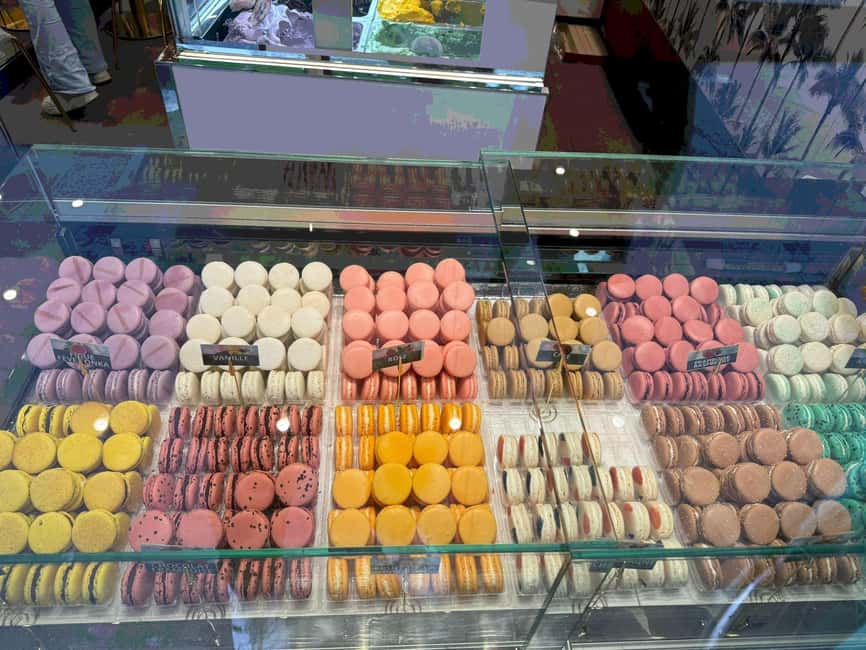
You can expect favorites such as buttery croissants, chouquettes, and fruit tarts. These are the kinds of pastries locals actually build meals around—light, not overly fussy, and best when they’re fresh out of the oven. That freshness is the main reason this type of tour beats buying pastries later when they’ve sat under lights and travel in a bag.
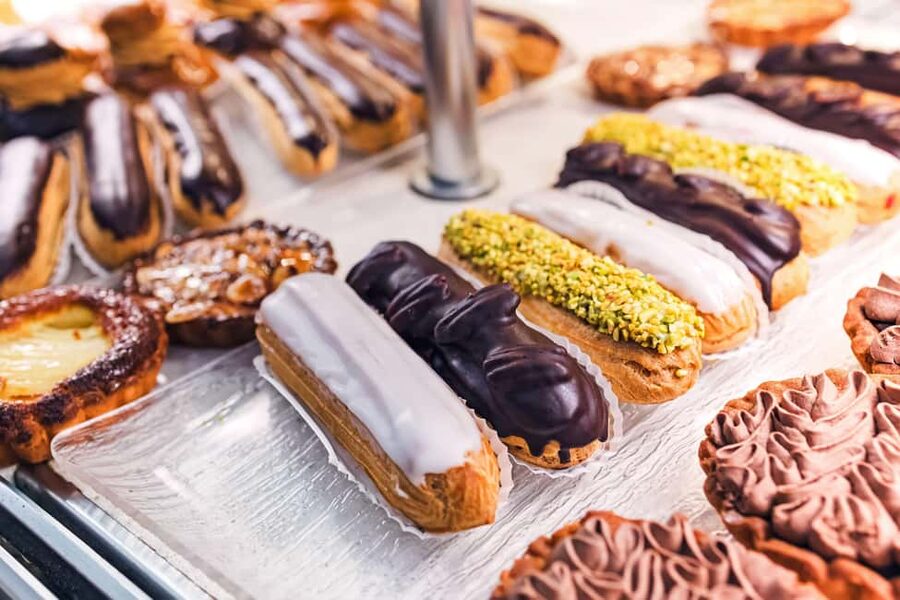
Also, the tour ends with another sweet moment at a Michelin-starred pâtisserie. That’s a nice way to compare styles: everyday Montmartre baking early on, then a more refined dessert finish at the end.
Value check: at $100 per person, you’re paying for (1) the guided route, (2) curated sight stops, and (3) multiple tastings plus the Michelin-star finish. If you’d otherwise spend that same money on one museum ticket and a random pastry afterward, this format gives you both food and places to match.
Wall of Love: romance, street art energy, and an easy photo win
One of the signature stops is the Wall of Love. It’s exactly the kind of place where photos make sense because the wall is built for it—color, hearts, and the kind of playful romance that fits Montmartre’s overall vibe.
Why it’s worth a guided stop: the tour doesn’t just drop you in front of a landmark. It threads it into the walk so you’re not jumping around Montmartre without context. You’ll also have your guide’s timing on hand—helpful for avoiding the worst crush and for finding the best angles.
If you’re a first-time visitor, this works as a “welcome to Montmartre” moment. If you already know Paris, it still gives you that Montmartre flavor that makes the hill feel like its own little world.
Le Bateau-Lavoir and Picasso’s artistic birthplace
Next up is Le Bateau-Lavoir, tied to Picasso’s artistic birthplace. This stop gives the tour a cultural backbone, shifting you from street charm into a place that matters to modern art history.
Even if you’re not deep into art, you’ll likely appreciate it because it’s not presented as a lecture. The value here is that you connect the idea of artists in Montmartre to a specific location you can point to. You’re walking, tasting, then landing at a spot where creativity has a real address—no guessing, no vague museum memories.
Drawback to consider: because this is a walking tour, you’ll get an overview rather than a full slow museum-style visit. If you’re looking for long, quiet indoor time, this won’t replace that. But if you want a compact art-and-streets package, it fits well.
La Maison Rose: a fairytale façade you can actually walk up to
The La Maison Rose stop is part of Montmartre’s “picture book Paris” feel. The façade is famously photogenic, and being on foot means you see it the way it’s meant to be seen: up close, with the surrounding streets in frame.
This stop also helps break up the walk. After a tastings-heavy stretch and a more thoughtful art stop at Le Bateau-Lavoir, you get a lighter, more playful landmark. That rhythm keeps the tour from turning into a checklist.
I like these kinds of stops because they make the neighborhood feel tangible. Paris can be big and distant. Montmartre puts it close—faces, doorways, courtyards, and street corners.
Rue de l’Abreuvoir and the charm of Montmartre’s quieter lanes
One of the standout “you’ll actually like the route” elements is Rue de l’Abreuvoir, plus secret alleys and hidden vineyards. These aren’t just filler. They’re where Montmartre changes from “famous hill” into “local neighborhood.”
Rue de l’Abreuvoir matters because it’s one of those streets that feels old even when you’re standing there today. The tour’s value is that you’re guided into these spots rather than wandering and hoping you stumble onto them.
Here’s what that means for you: if you’re the type who likes to walk without a rigid schedule, this portion gives you small surprises. It’s also where you’ll often find calmer vibes for photos compared to the most crowded viewpoints.
Tiny caution: “hidden” means narrow and a bit uneven. Keep your pace controlled and trust your guide to lead you safely through the turns.
Worth weighing up next to this Paris pick




Sacré-Cœur Basilica steps: sweeping views without the hassle
The tour’s view moment comes from the steps of Sacré-Cœur Basilica. This is the kind of stop where the payoff is immediate: you look out, you see the city spread below, and you suddenly understand why Montmartre became such a magnetic place for artists and visitors.
Why the steps are a good choice: you don’t need to build a whole separate plan to get that perspective. It’s integrated into the walking flow, so you reach the viewpoint at the right time during the tour.
If you’re trying to photograph Paris from above, this stop is a practical win. Bring your camera, and if you’re sensitive to crowds, aim to pause quickly and take a few solid shots before you linger.
Ending with a Michelin-starred pâtisserie: the best kind of final course
After all the street walking and pastry stops, you finish with a sweet note at a Michelin-starred pâtisserie. The idea is simple: you start with classic Montmartre boulangerie energy and end with a dessert that feels like a treat-yourself finale.
Even without details on exact items served, you can expect something that’s treated like more than snack food. The descriptions call the desserts a work of art, which usually means more careful plating, more intentional flavors, and attention to texture—things you can notice even if you’re not a dessert expert.
This ending is also a smart pacing move. By the time you reach the final pâtisserie, you’ve already built cravings during the tastings, but you’re not stuck eating the entire time. You’re closing out the tour while the experience still feels fresh.
Price, time, and group size: does it add up?
$100 per person for about 150 minutes can sound steep until you map out what’s included:
- A guided Montmartre walking route
- Stops at major landmarks (Wall of Love, Le Bateau-Lavoir, La Maison Rose, Rue de l’Abreuvoir, Sacré-Cœur steps)
- Multiple pastry tastings (including croissants, chouquettes, fruit tarts)
- A final dessert at a Michelin-starred pâtisserie
- English-speaking live guide
- Small group limited to 10
For me, the value comes from stacking experiences that usually cost you separately in Paris. You’re effectively buying a route plus the food breaks that make the route fun. If you love food, this is one of those tours where the tastings don’t feel like an afterthought.
Who it’s best for:
- First-time visitors who want Montmartre’s highlights plus food
- Food lovers who don’t want to guess where to eat
- People who like short, structured walks with strong stops and photo moments
Who should skip or adjust expectations:
- Anyone who needs wheelchair access (the tour isn’t suitable)
- Anyone who hates cobblestones or dislikes sustained walking time
- Anyone looking for long, seated museum time rather than a moving neighborhood experience
What the small-group format does for your day
When a tour caps at 10 participants, you feel the difference. You get a more relaxed pace. Questions come easier. And you’re less likely to be stuck behind a wall of people every time you turn a corner.
That matters in Montmartre because the streets aren’t designed for giant groups. The hill punishes slow, and cobblestones don’t forgive sloppy footwork. A small group keeps the route manageable, and it helps your guide steer you without constant regrouping.
Also, smaller groups tend to make the pastry experience better. You can usually move in and out without the timing getting chaotic, so you get fresher tasting moments rather than waiting around while others finish.
Tips to make the most of the walk
A few simple moves can level up your experience:
- Wear comfortable shoes with solid grip. Cobblestones can be slippery, especially if there’s moisture.
- Bring a camera for the Wall of Love and the Sacré-Cœur viewpoints.
- Pace yourself from the start. 150 minutes in Montmartre adds up, especially with stairs and uneven ground.
- If you have a sweet tooth, treat the tastings as a full food plan. You won’t want a heavy meal right afterward.
If you’re traveling with someone who cares more about views, this tour still works. Sacré-Cœur steps and the Montmartre streets give you plenty to look at. If you’re traveling with someone who cares more about food, the pastry stops and Michelin-star finish will keep them happy too.
Should you book this Montmartre pastry tasting tour?
If you want a Montmartre experience that’s more than photos—if you want culture plus real food breaks—this tour is a strong yes. The biggest draw is the combination of iconic stops (Wall of Love, Le Bateau-Lavoir, La Maison Rose, Sacré-Cœur) with pastry tastings that feel integrated into the neighborhood, not tacked on.
I’d book it when:
- You like walking and can handle cobblestones
- You want a curated route that saves you from getting lost
- You’re excited about croissants, fruit tarts, and a Michelin-star dessert finale
I’d pass if:
- You need wheelchair access
- You’d rather do Montmartre at your own pace with no timed stops
- You dislike sustained walking for 150 minutes
FAQ
Where does the tour start?
The meeting point is Metro Blanche, in front of Moulin Rouge.
How long is the Montmartre walking tour?
The tour lasts 150 minutes.
What’s included in the pastry tasting?
You’ll have pastry tasting at local boulangeries, including buttery croissants, chouquettes, and fruit tarts.
Which sights are visited during the walk?
Key stops include the Wall of Love, Le Bateau-Lavoir (Picasso’s birthplace), La Maison Rose, Rue de l’Abreuvoir, and a view from the steps of Sacré-Cœur Basilica.
Is this tour wheelchair accessible?
No. The tour is not suitable for wheelchair users.
What should I bring or wear?
Wear comfortable shoes for walking on cobblestone streets, and bring a camera for photo opportunities.
More Tours in Paris
- Paris: Louvre Guided Tour with Reserved Access & Boat Cruise
★ 4.3 · 16,353 reviews - Paris: Big Bus Hop-On Hop-Off Tour with Optional Cruise
★ 4.4 · 13,279 reviews - Louvre Museum Masterpieces Guided Tour with Access
★ 4.5 · 12,023 reviews - Versailles: Skip-the-Line Tour of Palace and Gardens Access
★ 4.7 · 10,429 reviews - Paris: Louvre Overview, Exploration tour and Reserved Entry
★ 4.1 · 10,145 reviews
More Tour Reviews in Paris
- Paris: 1-Hour Seine Cruise departing from the Eiffel Tower
★ 4.4 · 77,472 reviews - Paris: Louvre Museum Timed-Entrance Ticket
★ 4.6 · 71,977 reviews - Disneyland® Paris 1-Day Ticket
★ 4.6 · 49,412 reviews - Paris: Versailles Palace and Gardens Full Access Ticket
★ 4.6 · 41,579 reviews - Paris: Arc de Triomphe Rooftop Tickets
★ 4.6 · 34,264 reviews
More of the Montmartre Hill
- Montmartre Hidden Gems and Scenic Highlights Walking Tour
★ 5.0 · 2,684 reviews - Montmartre Hill French Gourmet Food and Wine Tasting Walking Tour
★ 5.0 · 2,588 reviews - Paris: Montmartre Highlights Walking Tour with a Local Guide
★ 4.9 · 2,318 reviews - Paris: Montmartre Cheese, Wine & Pastry Guided Walking Tour
★ 4.8 · 2,255 reviews - The Secrets of Montmartre Walking Tour
★ 4.8 · 1,258 reviews
Fresh off the review desk in Paris
- Secrets of Paris Bike Tour in English or Dutch★ 5.0 · 5 reviews
- Paris: Mont Saint-Michel Day Tour with Chinese Tour Guide★ 5.0 · 5 reviews
- Private Street Art 2-Hour Guided Tour in Paris★ 4.5 · 5 reviews
- Orsay Museum Tour: 2h Highlights (Private & Small Group)★ 5.0 · 5 reviews
- Discover Paris in electric golf carts★ 4.0 · 5 reviews
- Paris Private Boat Tour with your own Captain Guide★ 5.0 · 5 reviews
Montmartre Tours, compared.
 ★ 5.0Montmartre Hidden Gems and Scenic Highlights Walking TourFrom $382,684 reviews
 ★ 5.0Montmartre Hill French Gourmet Food and Wine Tasting Walking TourFrom $1452,588 reviews
 ★ 4.9Montmartre Highlights Walking Tour with a Local GuideFrom $232,318 reviews
 ★ 4.8Montmartre Cheese, Wine & Pastry Guided Walking TourFrom $1272,255 reviews
The Secrets of Montmartre Walking TourFrom $331,258 reviews
★ 4.8Montmartre Cheese, Wine & Pastry Guided Walking TourFrom $1272,255 reviews
The Secrets of Montmartre Walking TourFrom $331,258 reviews
 ★ 4.1Sacré-Coeur and Montmartre Tour with Expert GuideFrom $281,027 reviews
 ★ 5.0Private Montmartre Food Tour with Wine, Cheese & PastriesFrom $3021,027 reviews
 ★ 5.0Paris Montmartre Food Tour – A Full French Meal by Do Eat BetterFrom $95877 reviews
Browse the lists this tour appears in