
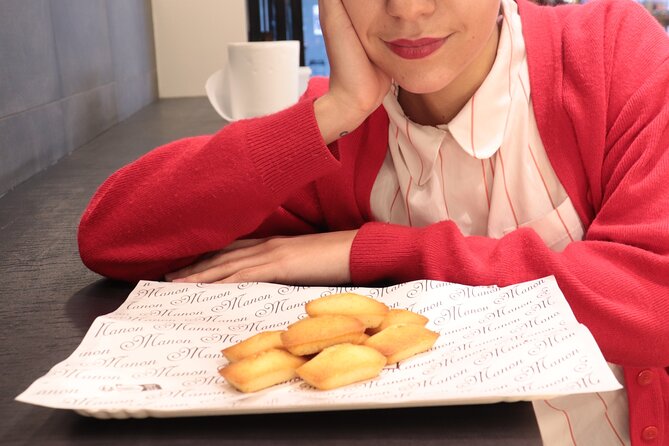
Reviewed · MONTMARTRE TOURS
French Baking Class in a Local Montmartre Bakery
Flour on your hands, Paris in front of you. This French baking class in a local Montmartre bakery is a real working boulangerie experience, taught in English with a small group so you can ask questions. You’re not sitting in a classroom staring at a demo—you’re learning what French bakers actually do, step by step, right behind the counter.
I especially love two things. First, you get proper practice with shaping (croissants and baguettes) instead of only watching someone else work. Second, I like that you leave with croissants and baguette to take home, so the fun continues after the class.
One consideration: the baking area is tight. Even though the group is small, the space and the working-kitchen rhythm can make the session feel a bit rushed.
In This Review
- Key highlights worth marking on your day
- A Real Montmartre Boulangerie, Not a Simulated Kitchen
- Price and Logistics: What You’re Paying For
- Where You Meet in Montmartre (and What to Do Right Away)
- What You Actually Learn in 90 Minutes
- The Baking Station: Hands-On Shaping Tips That Transfer Home
- Tastings Along the Way: What to Expect (and What Not to Expect)
- Meet the Instructor: Patience, Questions, and Real Bakery Talk
- Take-Home Croissants and Baguette: The Best Part for Many Days After
- Who Should Book This Class in Montmartre?
- Should You Book This French Baking Class?
- FAQ
- How long is the French baking class?
- Where is the meeting point?
- Is the class in English?
- How big is the group?
- What’s included in the price?
- Do you make everything from raw dough?
- What baked items will I make?
- Will I get messy?
- Is there a bathroom on site?
- What if I need to cancel?
Key highlights worth marking on your day
- A maximum of 6 travelers means more personal attention and time for questions
- English instruction makes it easy to follow the process and the baker talk
- Shaping practice (croissants and baguettes) is the main hands-on skill
- Classic tastings are part of the lesson, not just the baking station
- Working bakery atmosphere includes the real sounds, smells, and pace of Paris breadmaking
A Real Montmartre Boulangerie, Not a Simulated Kitchen
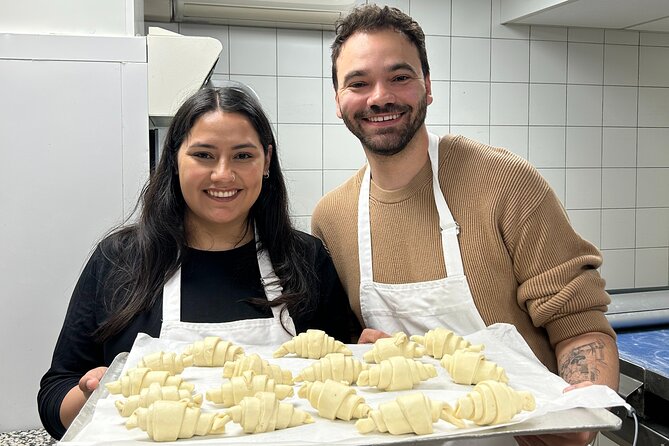
This class works because it happens in a genuine neighborhood bakery. You step into the kind of place where bread is the day’s business, not the day’s performance. The smell hits first: warm dough, butter, and that bakery-sweet scent that makes you hungry before you even start.
The small group size matters here. With up to 6 people, the instructor can actually notice what’s happening at your hands, not just wave you forward to the next station. I like that the tone stays friendly and practical—think tips you can use again at home, not vague “French magic.”
The working-bakery setting does come with trade-offs. Expect the space to be compact. One review noted the workshop area is quite small, and it can limit how many items you can fully make in the time given. So go in with realistic expectations: this is hands-on training, but the kitchen’s schedule still wins.
Keep climbing: more of the Montmartre hill
- Montmartre Hidden Gems and Scenic Highlights Walking Tour
★ 5.0 · 2,684 reviews - Montmartre Hill French Gourmet Food and Wine Tasting Walking Tour
★ 5.0 · 2,588 reviews - Paris: Montmartre Highlights Walking Tour with a Local Guide
★ 4.9 · 2,318 reviews - Paris: Montmartre Cheese, Wine & Pastry Guided Walking Tour
★ 4.8 · 2,255 reviews
Price and Logistics: What You’re Paying For
At $114.89 per person for about 1 hour 30 minutes, you’re paying for something more specific than a general food tour. You’re paying for:
- time with a baking professional in a real bakery
- hands-on shaping practice (not just tasting)
- multiple tastings
- and the baked goods you take home
When a class includes food to bring back, the value feels more tangible. You’re not leaving with only memories; you’re leaving with items you helped make. That makes the price easier to justify if you’re the type who likes to cook after a trip.
You’ll also get a mobile ticket and the experience runs in English. It’s near public transportation, which is helpful because Montmartre days can get logistically chaotic. Start the class well-fed (or at least not too hungry), because once the oven energy kicks in, it’s hard to focus.
Where You Meet in Montmartre (and What to Do Right Away)
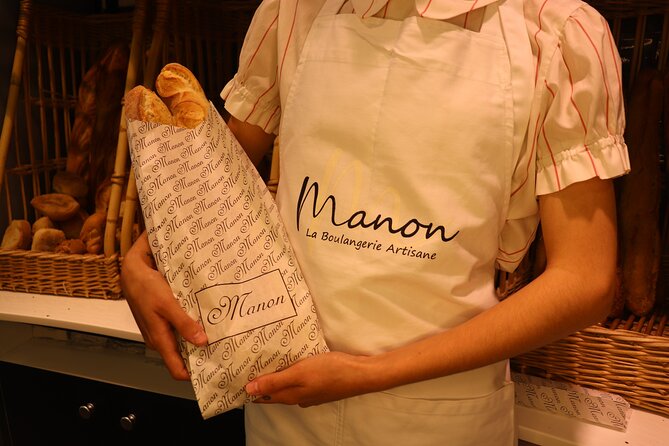
You meet at Bistrot baguette, 22 Rue Caulaincourt, 75018 Paris. From there, the workshop stays in the bakery area and returns you to the same meeting point at the end.
My practical advice: arrive a few minutes early, not because you’ll get extra time, but because bakery tours can follow the flow of prep work. One review mentioned the session started slightly earlier than usual, so being punctual helps you settle in without stress.
Once you’re inside, get ready to get flour on your clothes. One key tip from a review: wear layers, and use a short-sleeve shirt underneath. That way you can work comfortably, and you won’t freeze if the space is cooler near the workstations.
What You Actually Learn in 90 Minutes
Here’s the part that can make or break expectations: you’re not learning dough kneading from scratch. In this format, the dough you work with has already been mixed, kneaded, and proofed.
So what do you learn? The hands-on focus is on shaping and finishing. In the session, you’ll practice skills like:
- shaping a baguette-style loaf (some people mention a demi-baguette)
- shaping a croissant
- working on a classic French cake component like a financier
You’ll still get a real feel for the workflow. Even if you’re not doing the full knead-proof-bake cycle yourself, you see how bakers treat dough: how they handle it, how they shape it, and what the instructor watches for.
Also, expect some teaching along the way. The instructor may share the background behind the items—how baguette or croissant traditions connect to the bakery’s day. One review highlighted that the instructor (David was named) explained the history of multiple items like baguette, financier, and croissant. That adds context so the technique feels less random and more like a system.
The Baking Station: Hands-On Shaping Tips That Transfer Home
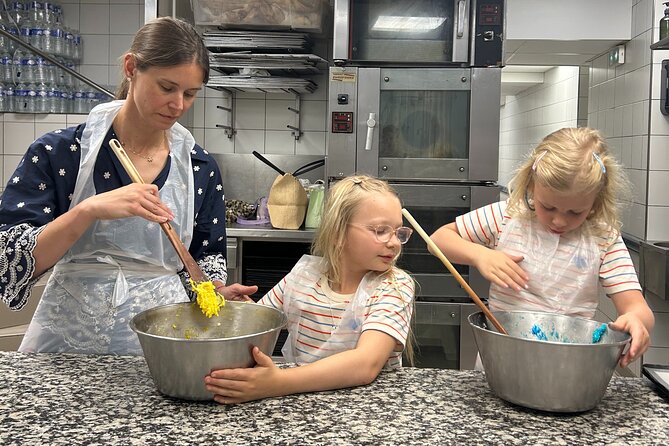
The best moments in this class are when you shape. Shaping is the skill you can repeat later, and it’s also where you’ll get immediate coaching. With a small group, you can ask small questions that matter, like:
- how you should handle the dough without tearing
- what a good shape looks like versus a messy one
- how to stay consistent while working fast enough for the oven schedule
Because you’re working in a tight space, you’ll probably spend more time at your station than hopping around. That’s good for learning. One review noted flour can fly, so your body positioning matters too—wear clothes you can move in and wipe down later.
One more reality check: because it’s a working bakery, there’s a practical limit to what you can complete in 1 hour 30 minutes. One guest said they were supposed to bake three pastries but had time for two. Translation: if you want maximum variety, keep your expectations flexible. The experience is still worthwhile if your goal is technique plus tastings plus take-home results.
Tastings Along the Way: What to Expect (and What Not to Expect)
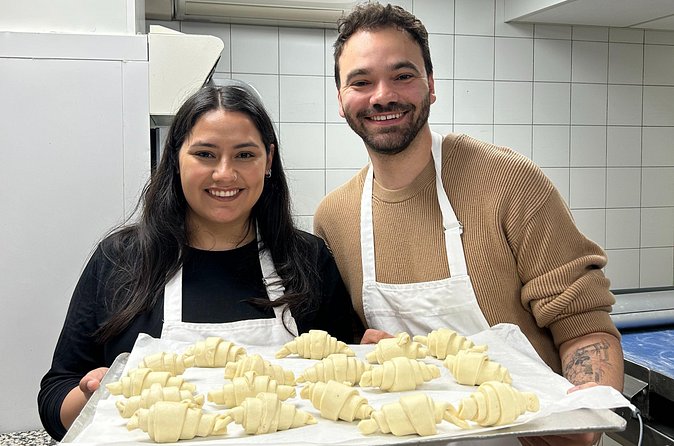
Tastings are included, and the class includes several samplings of classic breads and cakes. You may get things like fresh baguette straight from the oven, plus smaller portions of other baked items.
Here’s the balanced expectation-setting: don’t count on a big buffet-style tasting spread. One review described the tasting as small—such as only a small piece of baguette that had been cooked previously. In other words, tastings are meant to support the lesson, not replace lunch.
If you’re the type who likes to understand what you’re making, tastings still do their job. You taste and then you shape. That loop makes the lesson easier to remember later.
More aprons-on macaron and pastry classes

Meet the Instructor: Patience, Questions, and Real Bakery Talk
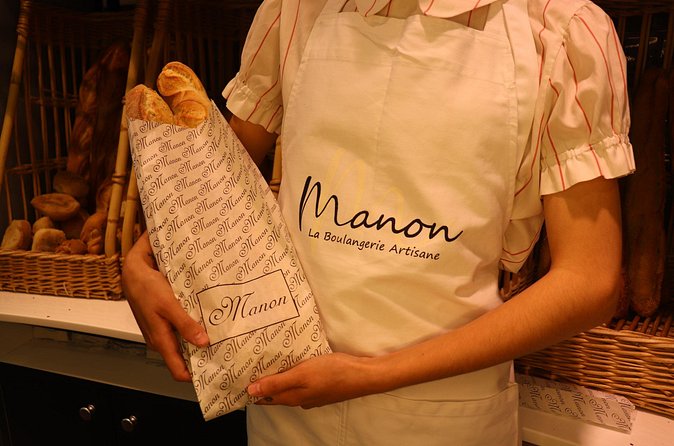
The class experience often comes down to who’s teaching. In the reviews you provided, two names stood out: David and Igor.
What I like about the teaching style described in those notes is the patience. One review emphasized that David was super patient and took time to answer many questions. Another review praised an engaging, enthusiastic instructor and noted great participation for a family group.
That matters because baking is fussy. Small mistakes can ruin a shape. With a teacher who answers questions, you leave with better confidence—not just a bag of pastries.
Take-Home Croissants and Baguette: The Best Part for Many Days After
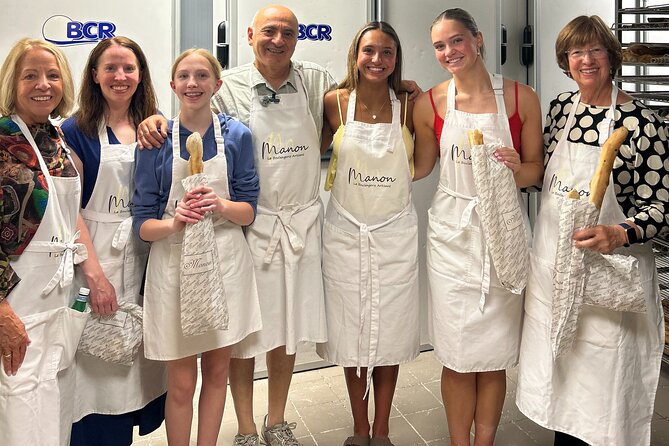
The included take-home items are croissants and baguette. And in a small-group scenario, you may also find extra treats in the bag—one review described leaving with a bag of financiers and baguettes.
From a practical viewpoint, take-home baking is a clever part of the value. It means you get to compare what you made in the class to what you buy later at a boulangerie. You’ll taste differences in shaping and baking, even if you can’t quantify them. It also makes your trip feel less like a one-time event and more like you brought Paris home.
Who Should Book This Class in Montmartre?
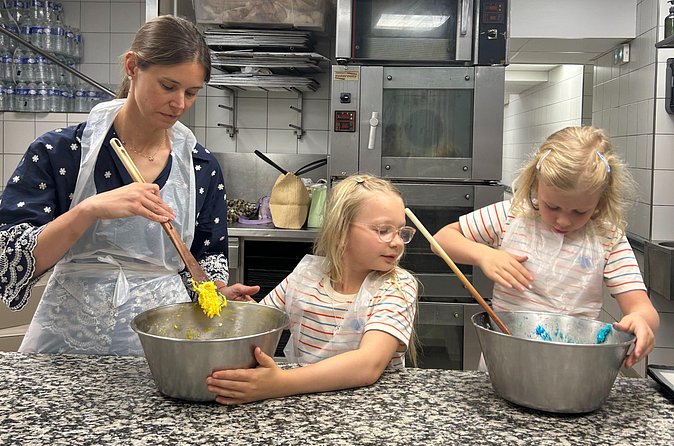
This experience is a great fit if:
- you want a hands-on cooking class in a working bakery
- you’re curious about how French baking works day-to-day
- you like small groups and want time to ask questions
- you’d enjoy practicing shaping at home afterward
It may not be ideal if your main goal is to learn every step of breadmaking from kneading to baking. Since the dough is already prepared, the class won’t satisfy a true beginner who wants full “from scratch” training.
Also, if you’re sensitive to tight spaces, keep that in mind. The bakery setting is part of the charm, but it can be physically cramped during a group activity.
Should You Book This French Baking Class?
Yes, if you want real technique and a memorable Montmartre morning or afternoon inside a working bakery. The biggest reason to book is that you get more than tasting—you get shaping practice plus tastings plus take-home baked goods. The small group size and instructor support (including patient question-answers) are what make it feel worth the money.
I’d only hesitate if you need a very spacious classroom, predictable facilities, or you’re expecting the class to teach the full kneading-proofing process. In a real bakery, the kitchen schedule and the compact work area are part of the deal. If you can roll with that, this is an excellent way to experience Paris beyond sightseeing.
FAQ
How long is the French baking class?
It runs for about 1 hour 30 minutes.
Where is the meeting point?
You meet at Bistrot baguette, 22 Rue Caulaincourt, 75018 Paris, France.
Is the class in English?
Yes. The experience is offered in English.
How big is the group?
The group size is maximum 6 travelers.
What’s included in the price?
You get the interactive French baking workshop, an expert instructor, several tastings of classic breads and cakes, and croissants and baguette to take home.
Do you make everything from raw dough?
No. The dough used for what you work on has already been mixed, kneaded, and proofed, so you focus more on shaping.
What baked items will I make?
You’ll practice shaping items like baguette and croissants, and the class also includes working on financiers.
Will I get messy?
Yes. You should expect to get covered with flour, so wear clothes you’re comfortable working in (layers help).
Is there a bathroom on site?
The baking area is described as small, and one review noted no bathroom facilities, while another comment said the restroom was temporarily unavailable due to a technical issue. Plan for limited or unavailable bathroom access.
What if I need to cancel?
You can cancel for a full refund up to 24 hours before the experience starts.
More Tour Reviews in Paris
- Paris: 1-Hour Seine Cruise departing from the Eiffel Tower
★ 4.4 · 77,472 reviews - Paris: Louvre Museum Timed-Entrance Ticket
★ 4.6 · 71,977 reviews - Disneyland® Paris 1-Day Ticket
★ 4.6 · 49,412 reviews - Paris: Versailles Palace and Gardens Full Access Ticket
★ 4.6 · 41,579 reviews - Paris: Arc de Triomphe Rooftop Tickets
★ 4.6 · 34,264 reviews
More Macaron and Pastry Classes
- Paris: Macaron Class at Galeries Lafayette
★ 4.2 · 1,196 reviews - Paris Croissant Small-Group Baking Class with a Chef
★ 5.0 · 910 reviews - Paris: French Croissant Baking Class with a Chef
★ 4.9 · 712 reviews - Paris Cooking Class: Learn How to Make Macarons
★ 5.0 · 634 reviews - Paris: French Macaron Culinary Class with a Chef
★ 4.9 · 591 reviews
More of the Montmartre Hill
- Montmartre Hidden Gems and Scenic Highlights Walking Tour
★ 5.0 · 2,684 reviews - Montmartre Hill French Gourmet Food and Wine Tasting Walking Tour
★ 5.0 · 2,588 reviews - Paris: Montmartre Highlights Walking Tour with a Local Guide
★ 4.9 · 2,318 reviews - Paris: Montmartre Cheese, Wine & Pastry Guided Walking Tour
★ 4.8 · 2,255 reviews - The Secrets of Montmartre Walking Tour
★ 4.8 · 1,258 reviews
Fresh off the review desk in Paris
- Secrets of Paris Bike Tour in English or Dutch★ 5.0 · 5 reviews
- Paris: Mont Saint-Michel Day Tour with Chinese Tour Guide★ 5.0 · 5 reviews
- Private Street Art 2-Hour Guided Tour in Paris★ 4.5 · 5 reviews
- Orsay Museum Tour: 2h Highlights (Private & Small Group)★ 5.0 · 5 reviews
- Discover Paris in electric golf carts★ 4.0 · 5 reviews
- Paris Private Boat Tour with your own Captain Guide★ 5.0 · 5 reviews
Montmartre Tours, compared.
 ★ 5.0Montmartre Hidden Gems and Scenic Highlights Walking TourFrom $382,684 reviews
 ★ 5.0Montmartre Hill French Gourmet Food and Wine Tasting Walking TourFrom $1452,588 reviews
 ★ 4.9Montmartre Highlights Walking Tour with a Local GuideFrom $232,318 reviews
 ★ 4.8Montmartre Cheese, Wine & Pastry Guided Walking TourFrom $1272,255 reviews
The Secrets of Montmartre Walking TourFrom $331,258 reviews
★ 4.8Montmartre Cheese, Wine & Pastry Guided Walking TourFrom $1272,255 reviews
The Secrets of Montmartre Walking TourFrom $331,258 reviews
 ★ 4.1Sacré-Coeur and Montmartre Tour with Expert GuideFrom $281,027 reviews
 ★ 5.0Private Montmartre Food Tour with Wine, Cheese & PastriesFrom $3021,027 reviews
 ★ 5.0Paris Montmartre Food Tour – A Full French Meal by Do Eat BetterFrom $95877 reviews
Browse the lists this tour appears in